Cortina Dolomites Hut-To-Hut Trek
Alps / Italy / Dolomites
6-night/ 5-day trekking on the famous Alta Via 1 in the Dolomites
The best hut-to-hut hiking around Cortina
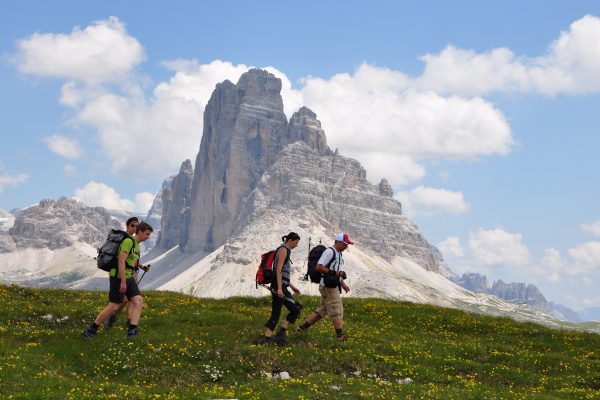
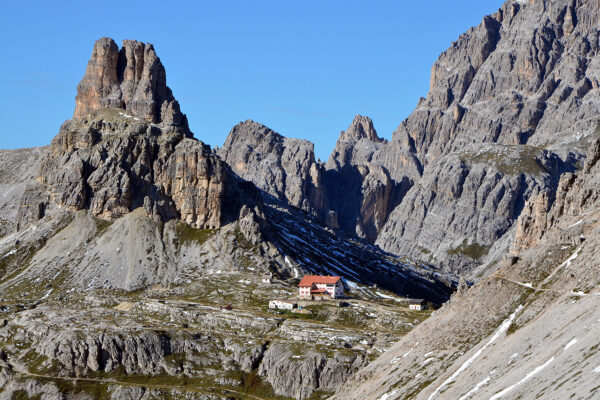
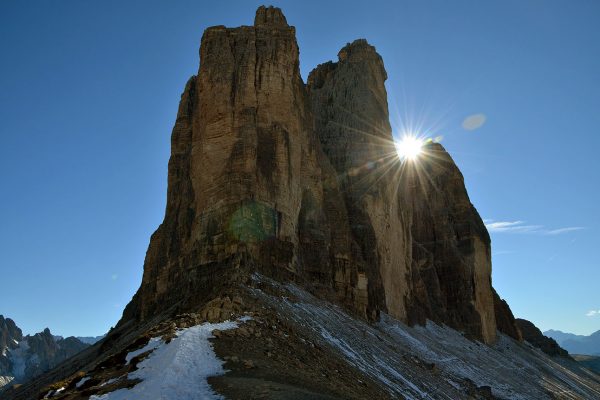
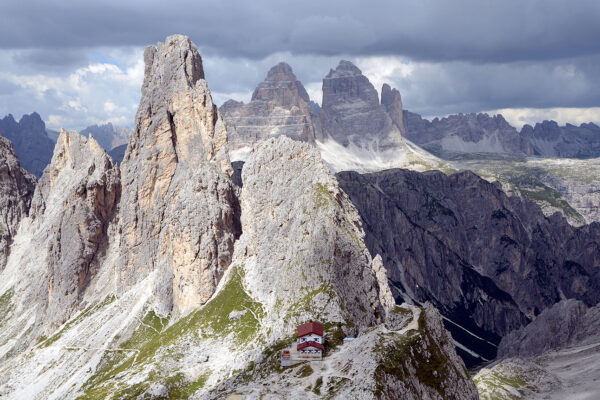
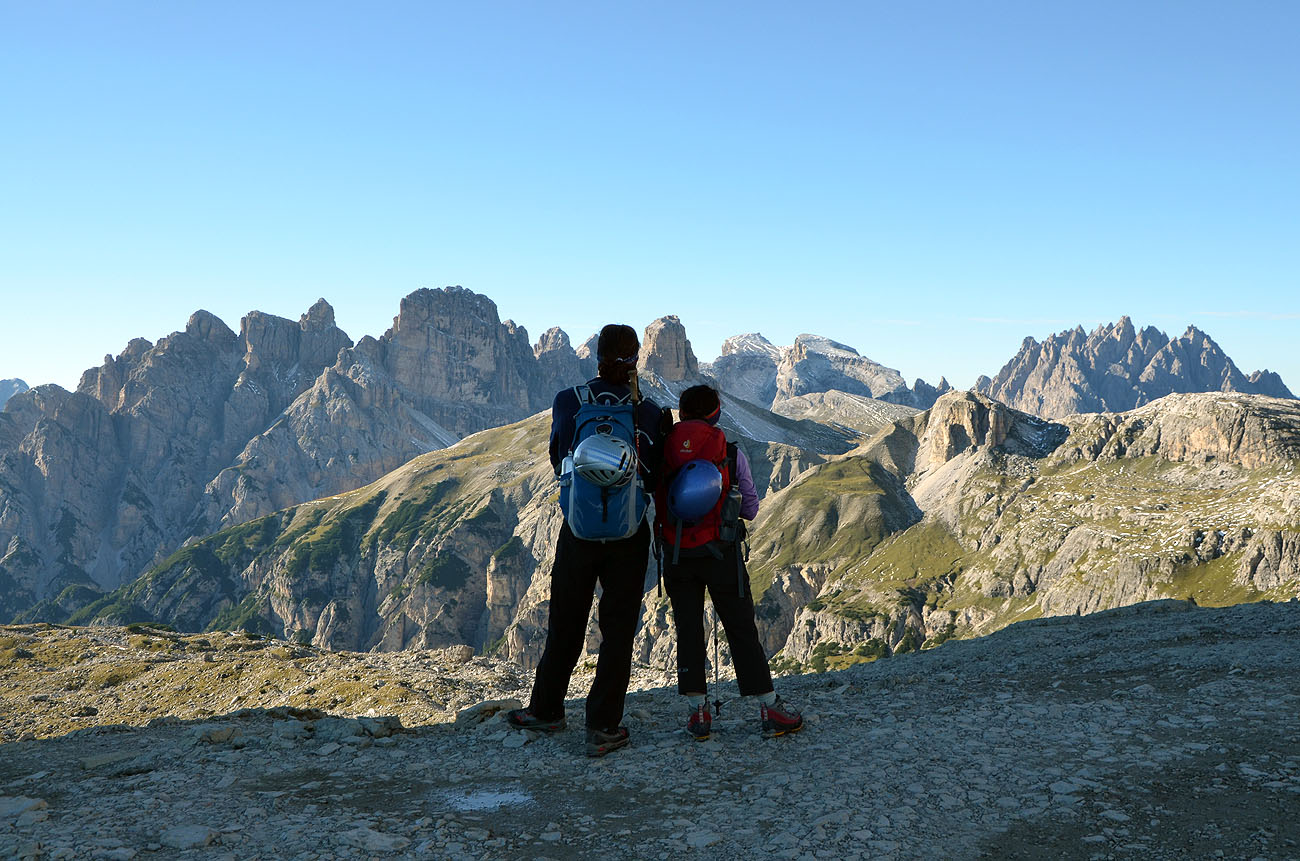
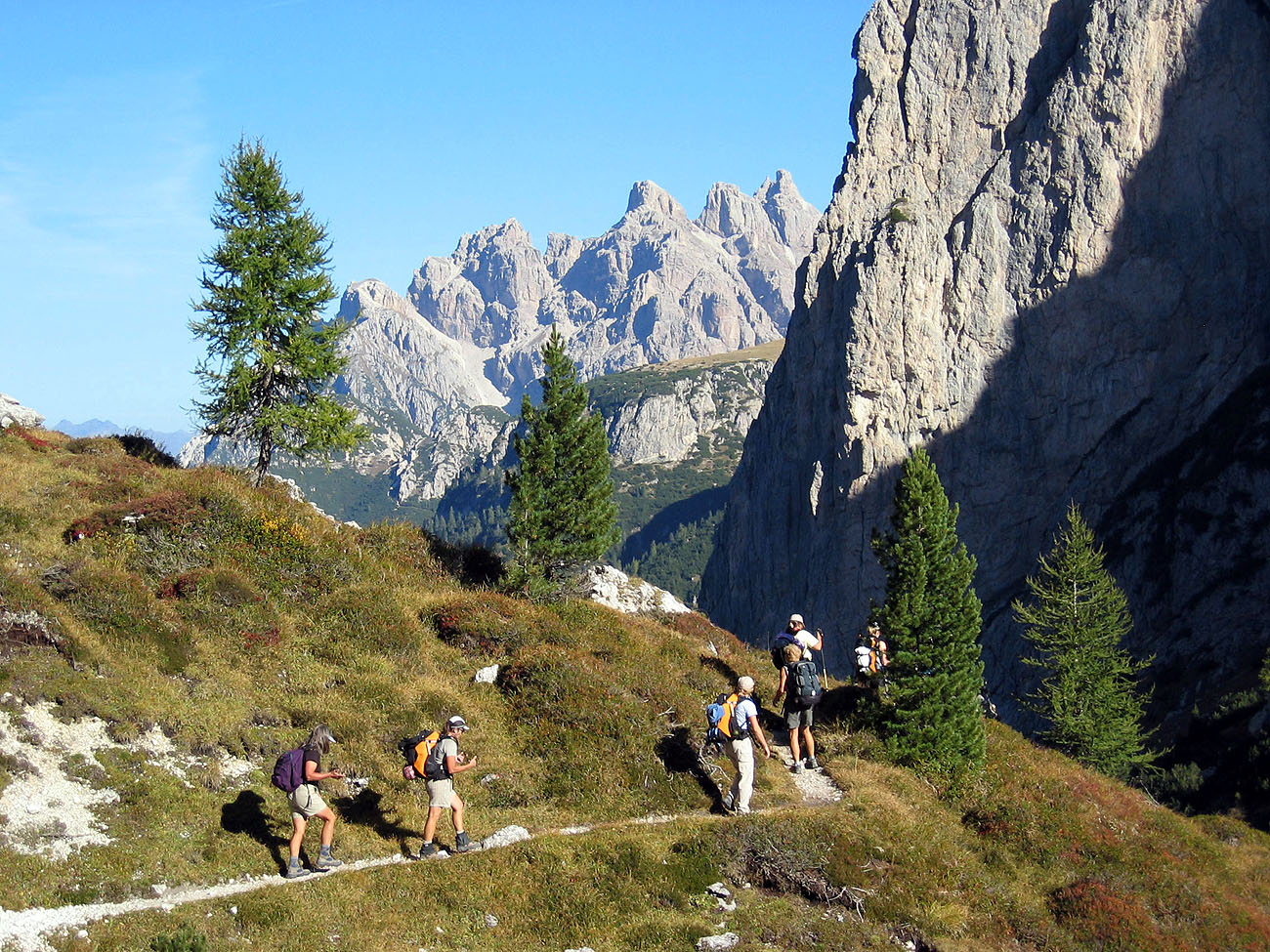
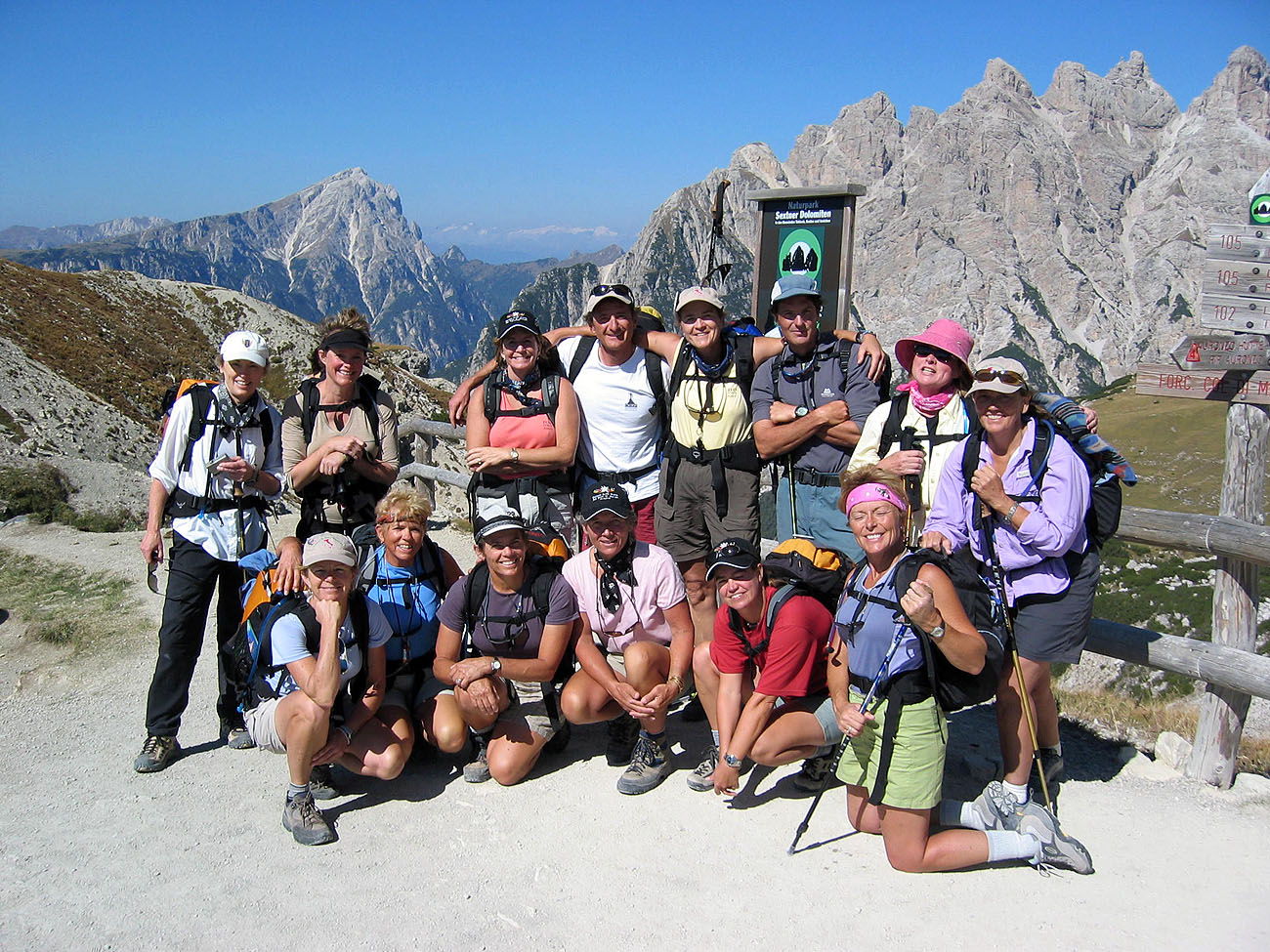
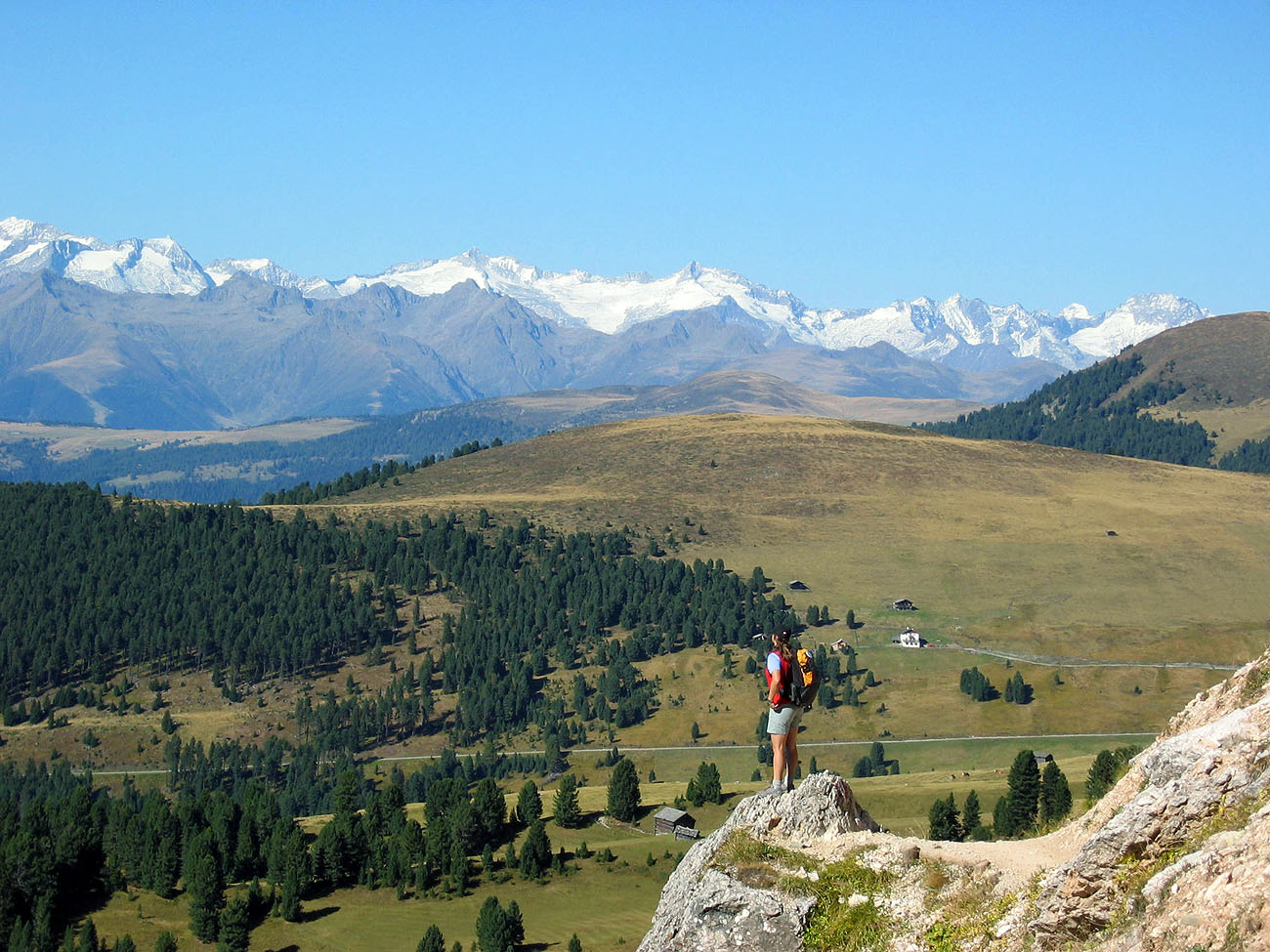
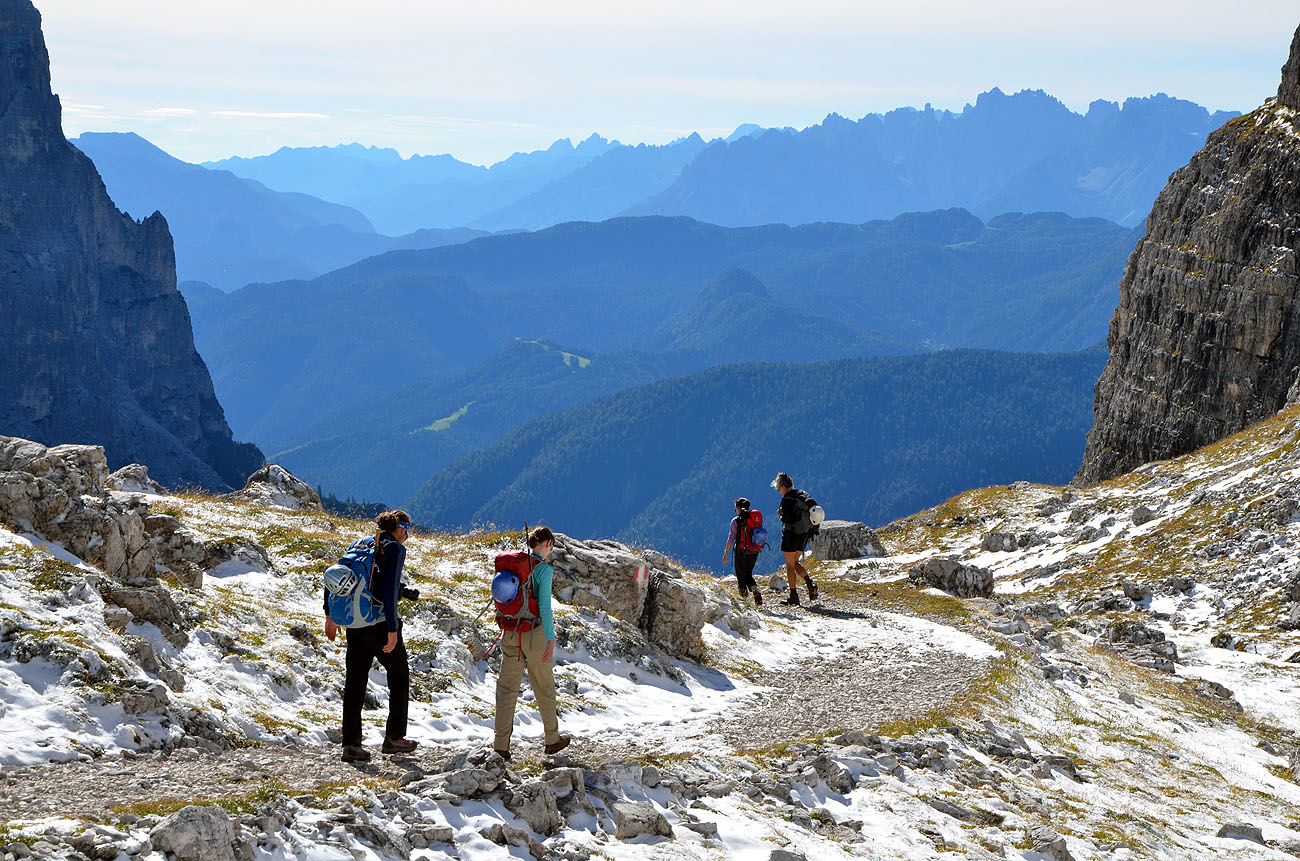
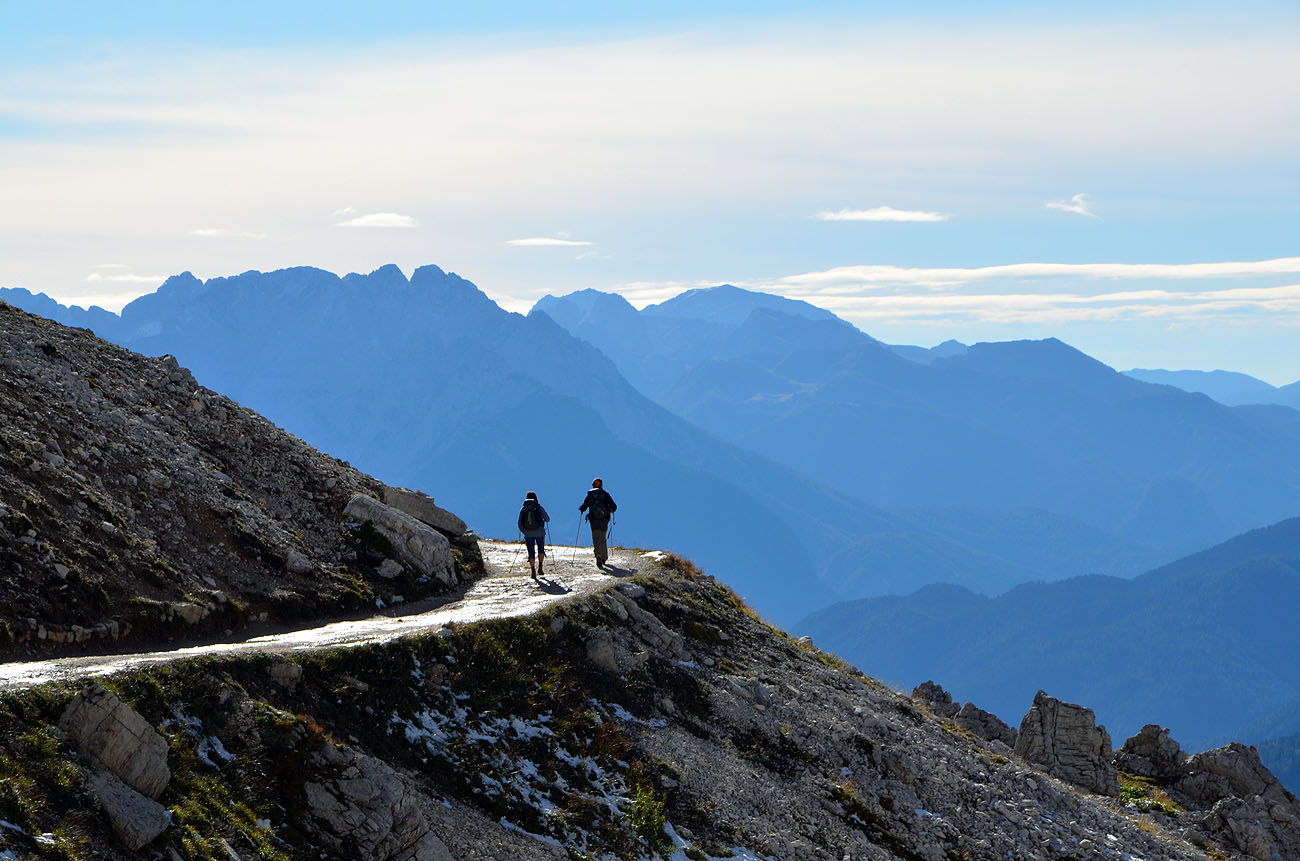
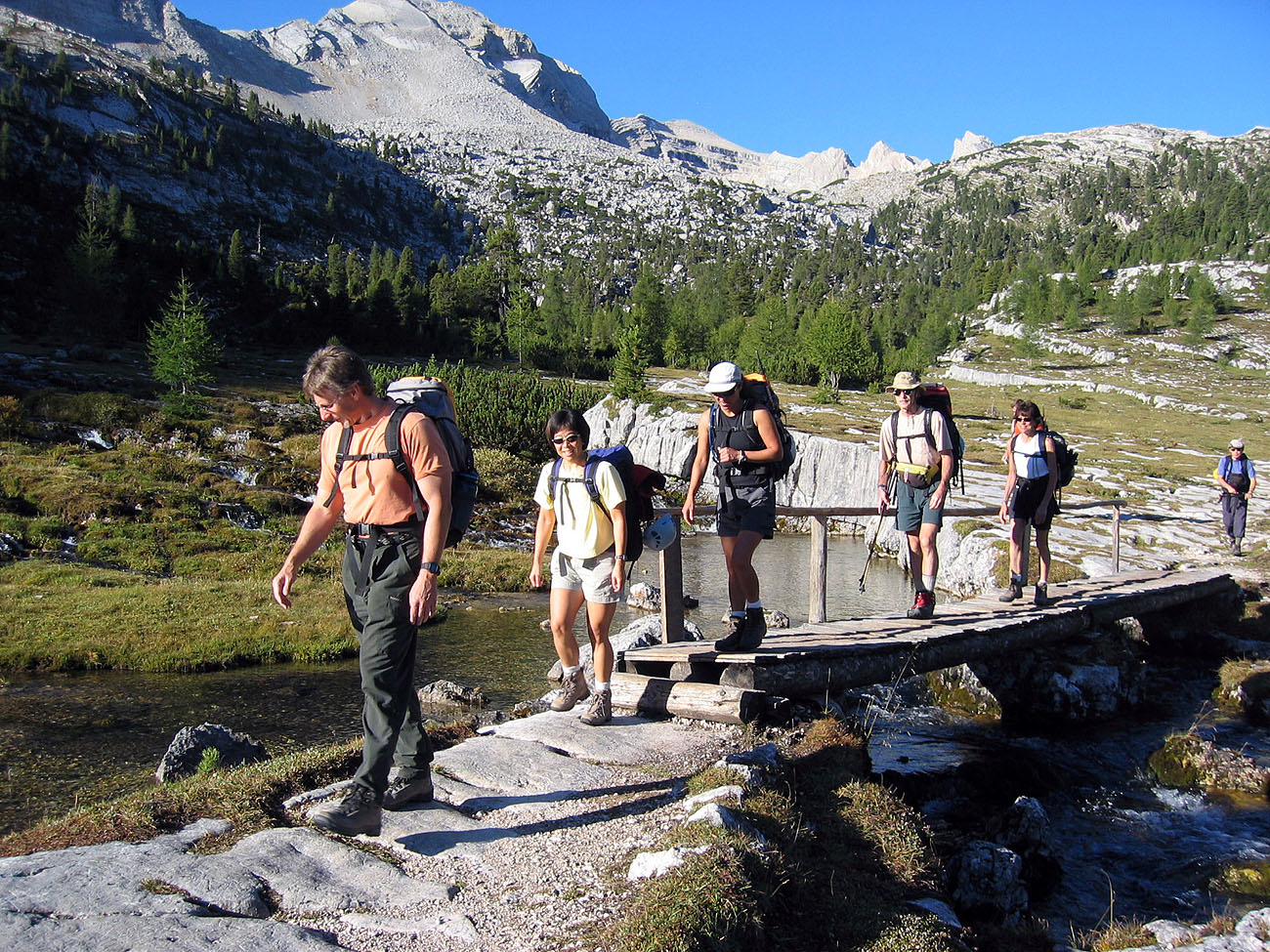
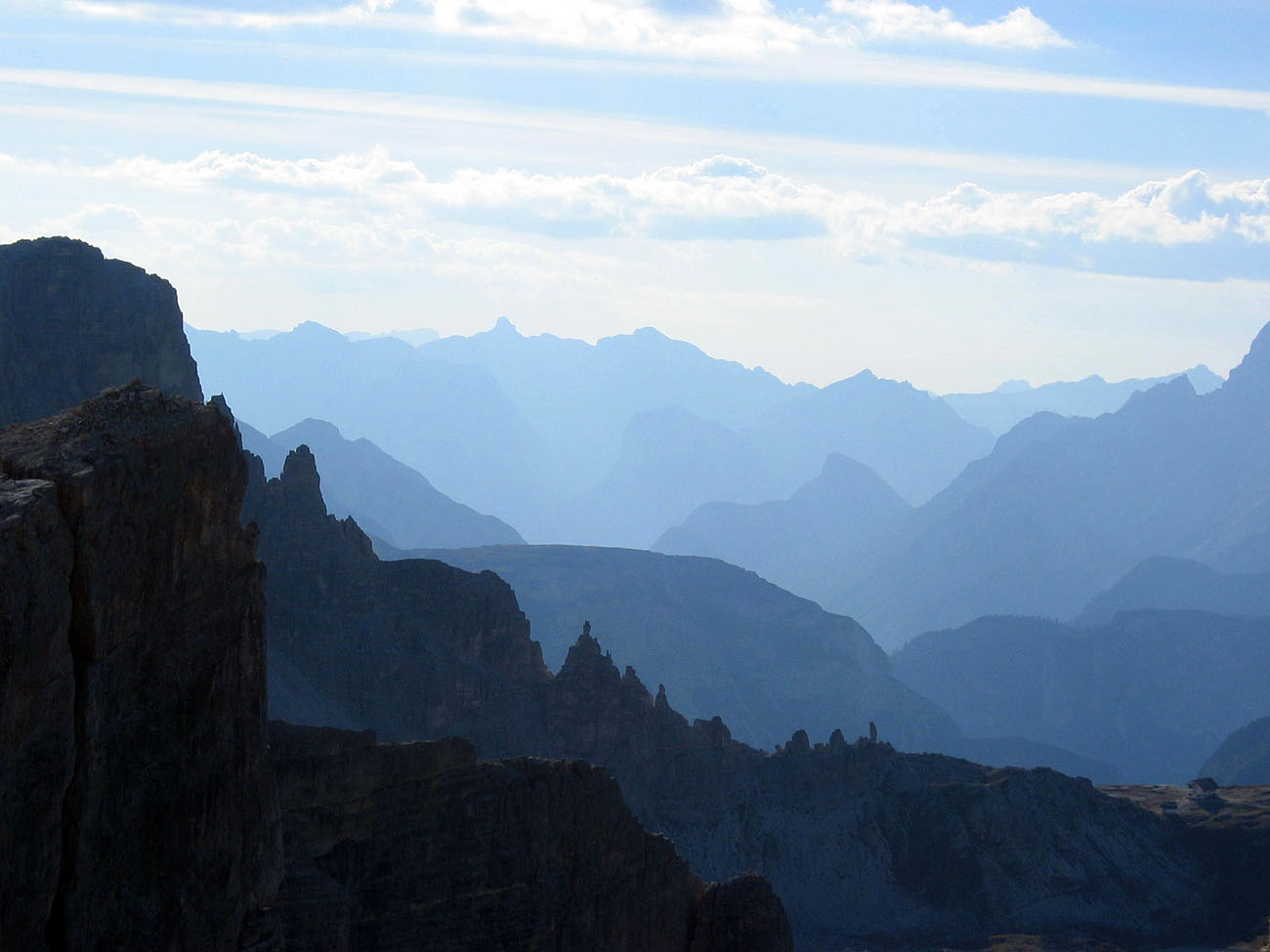
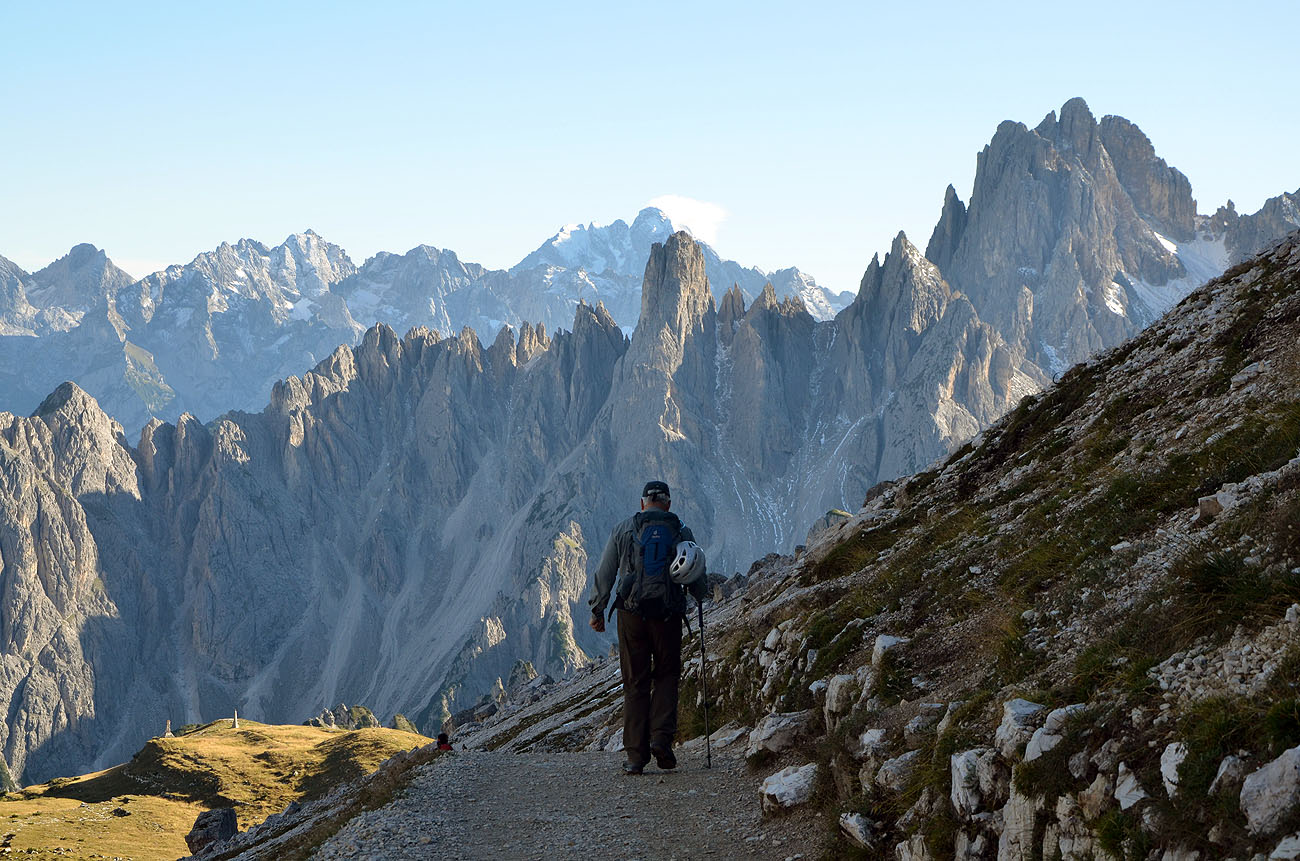
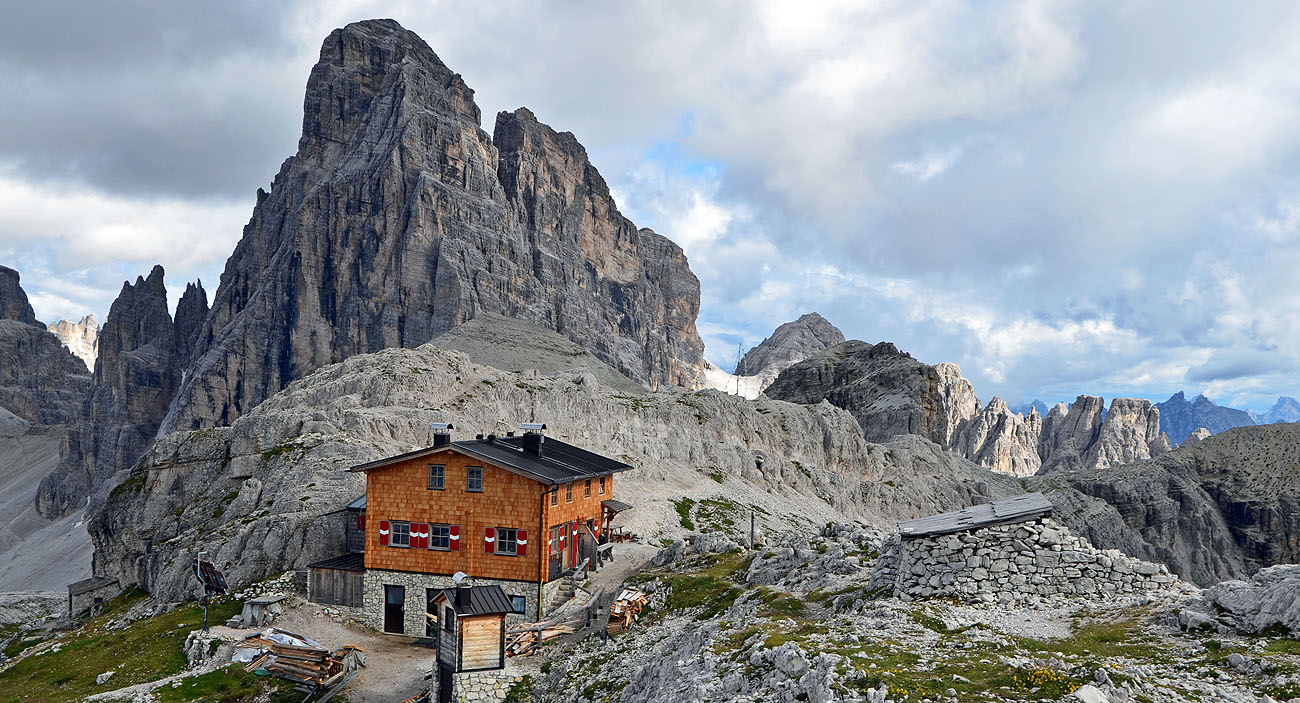
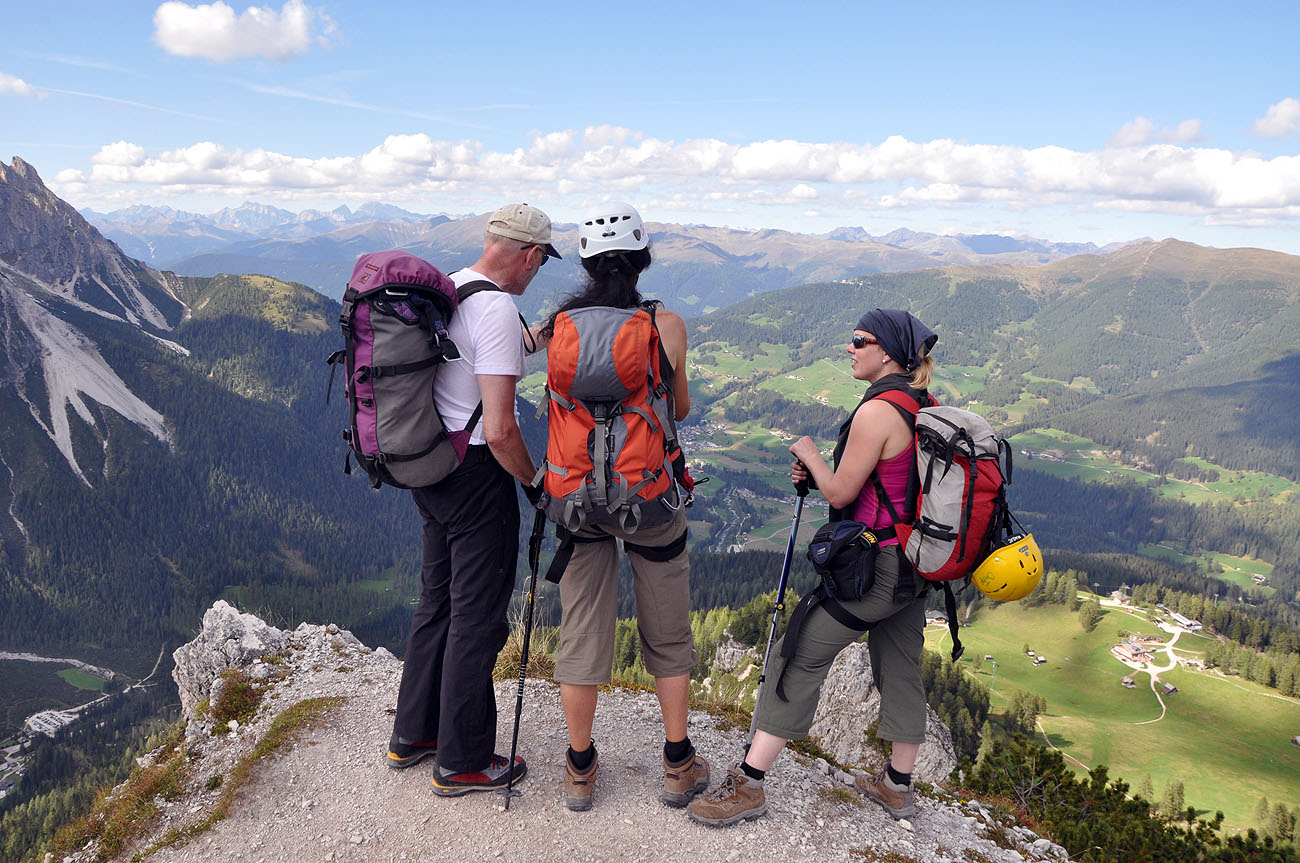
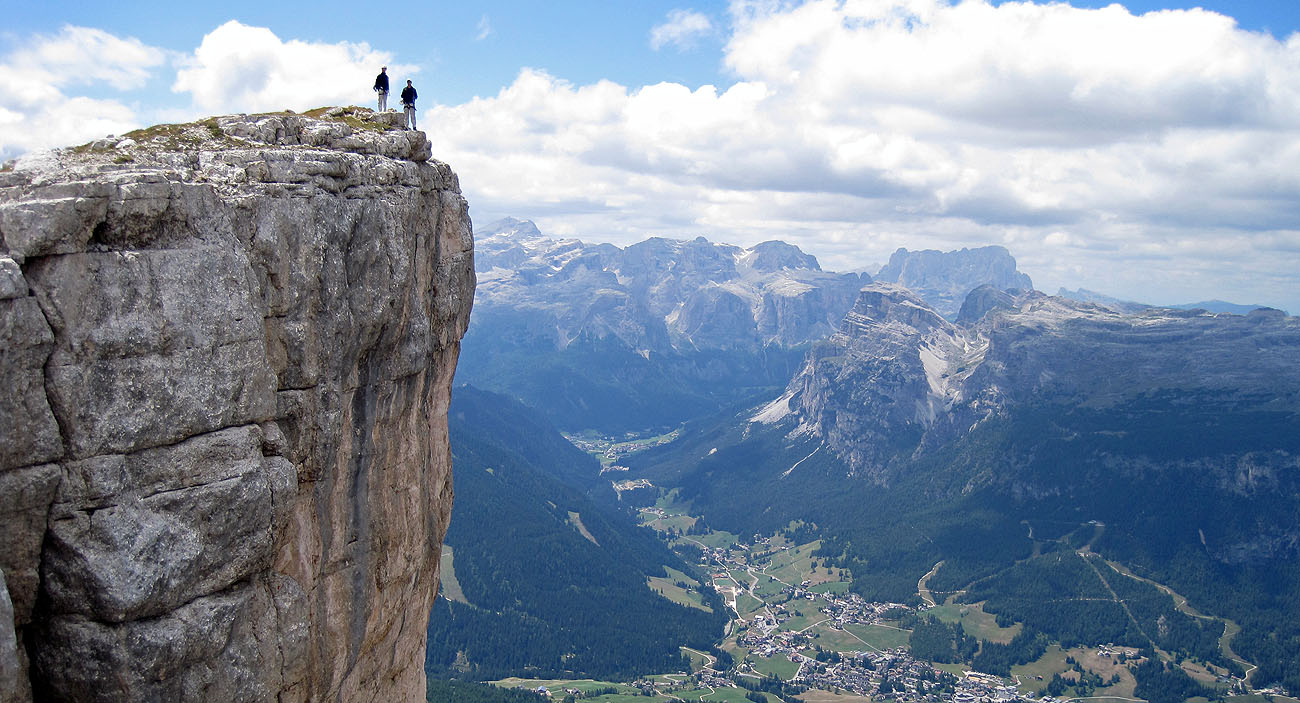
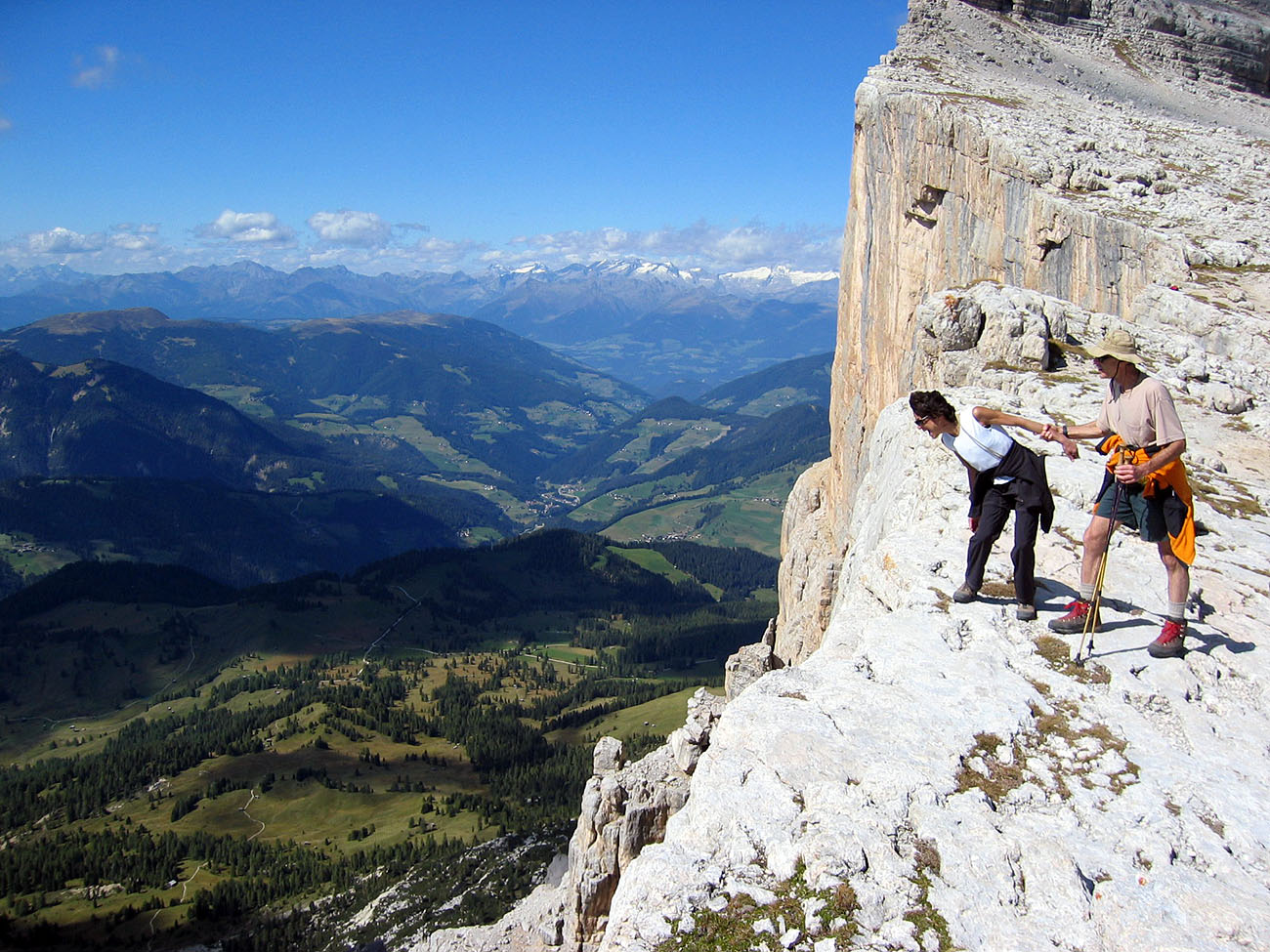
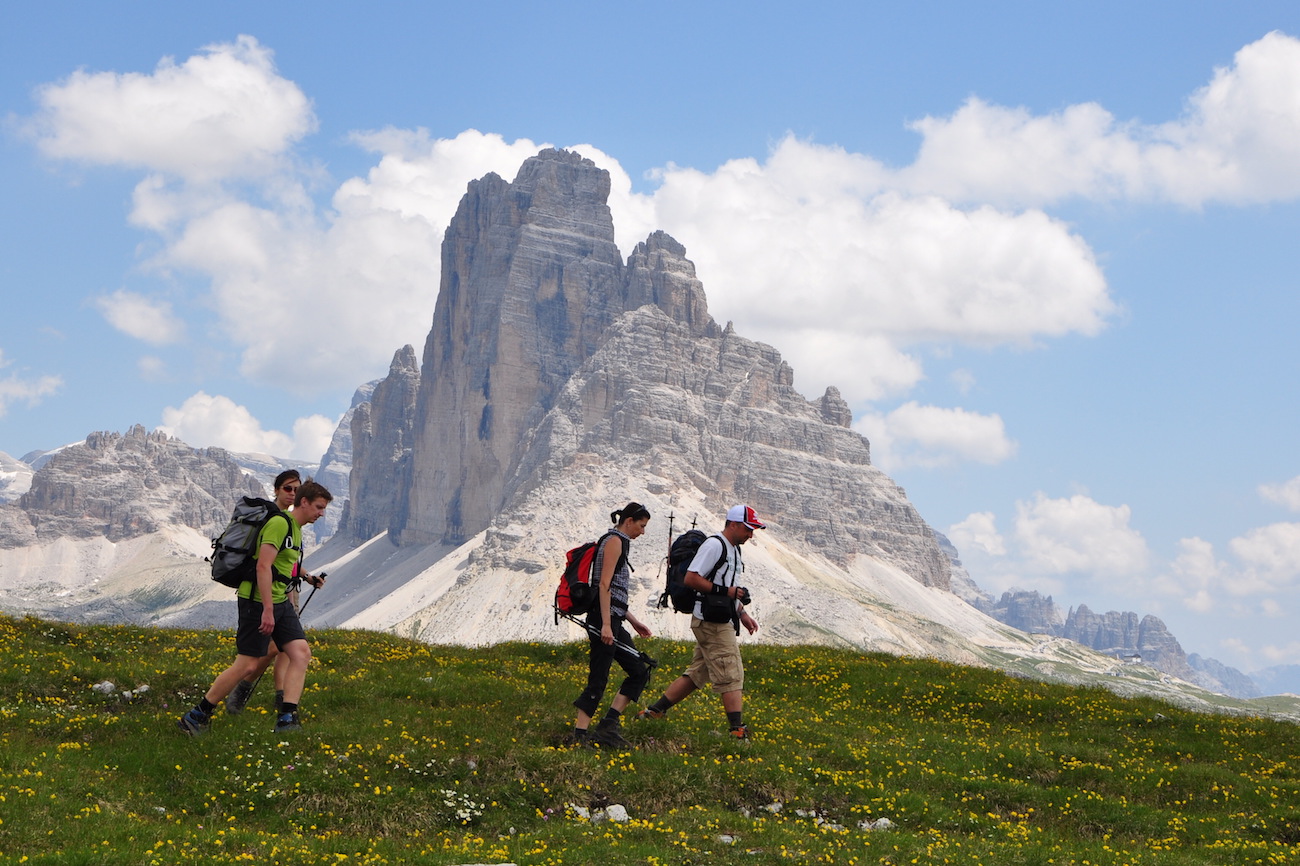
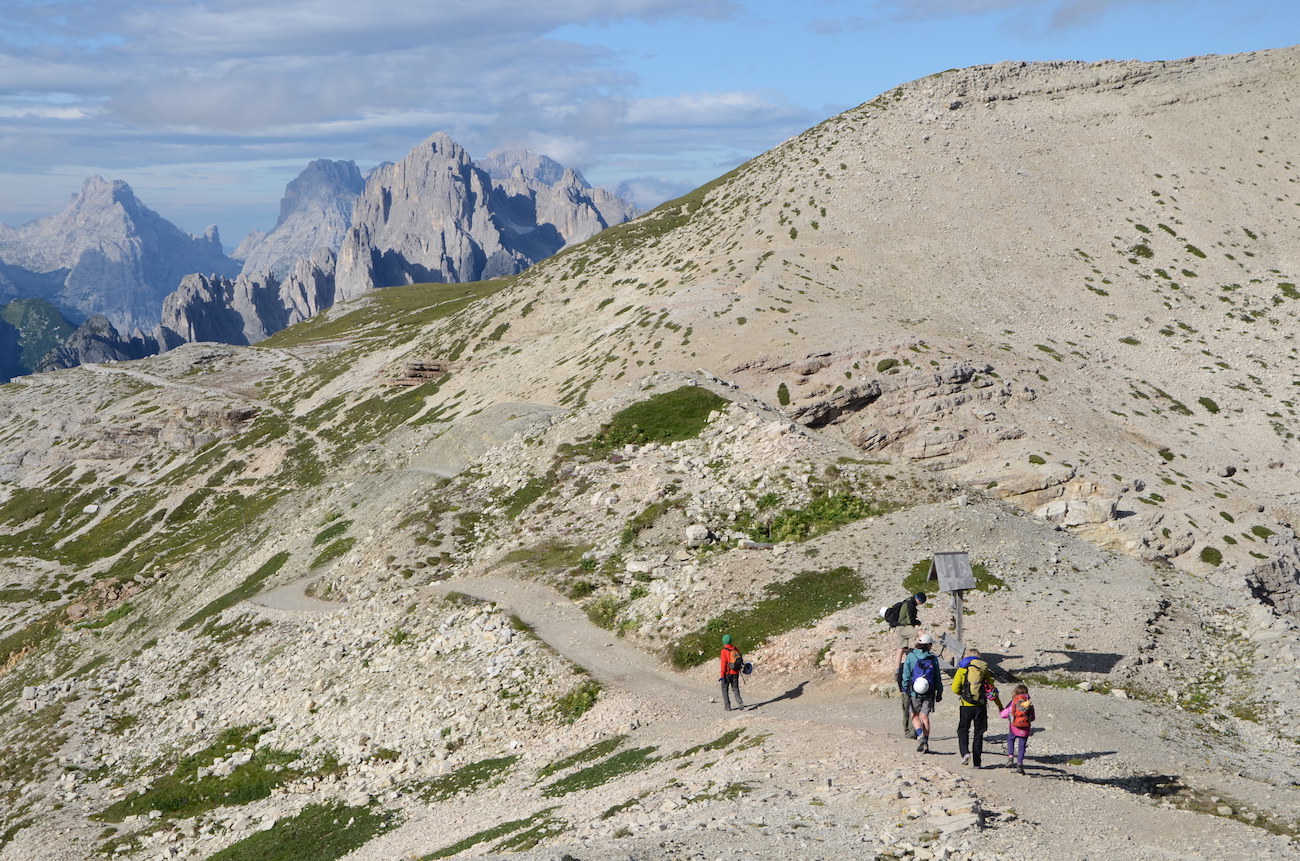
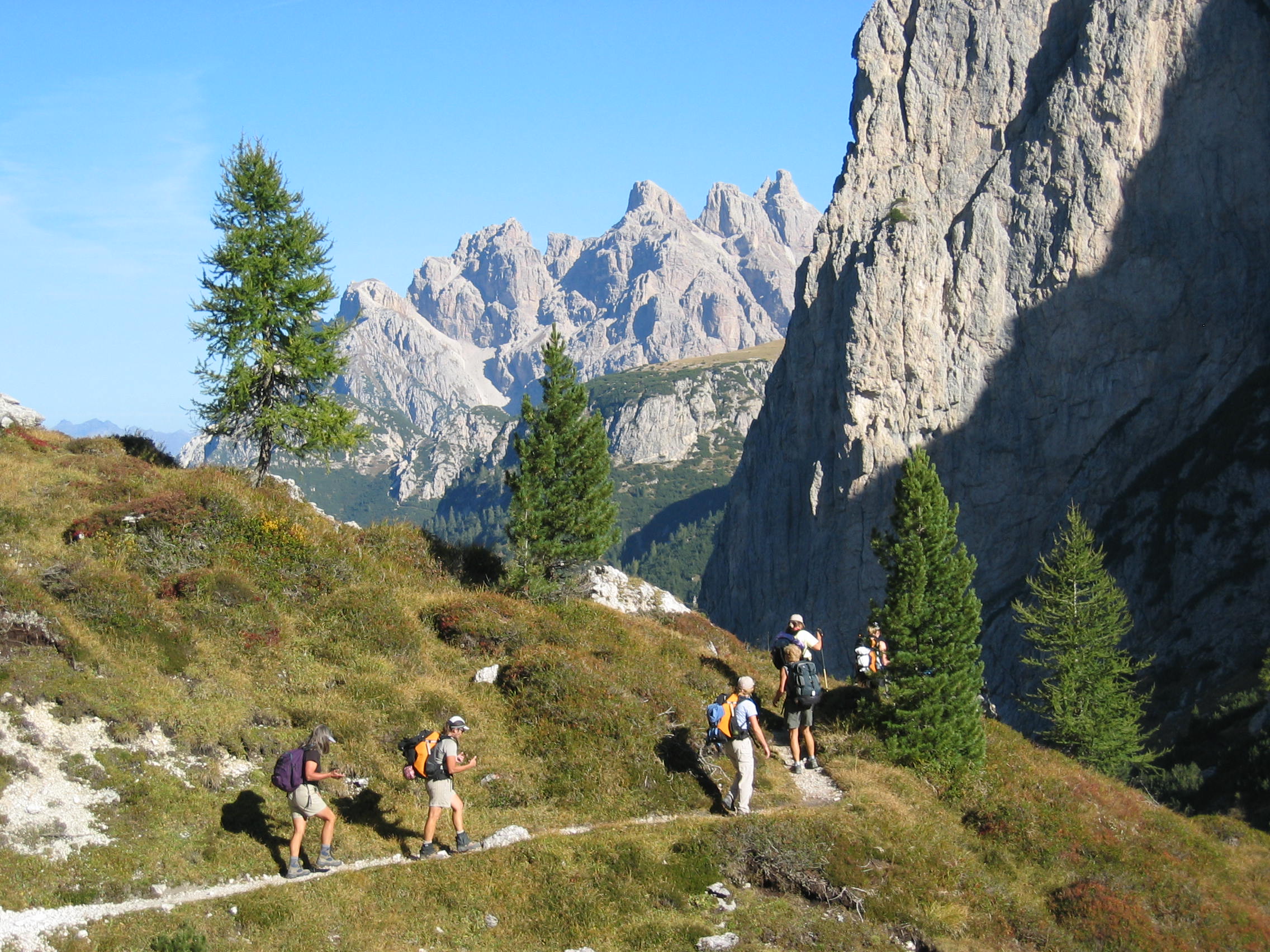
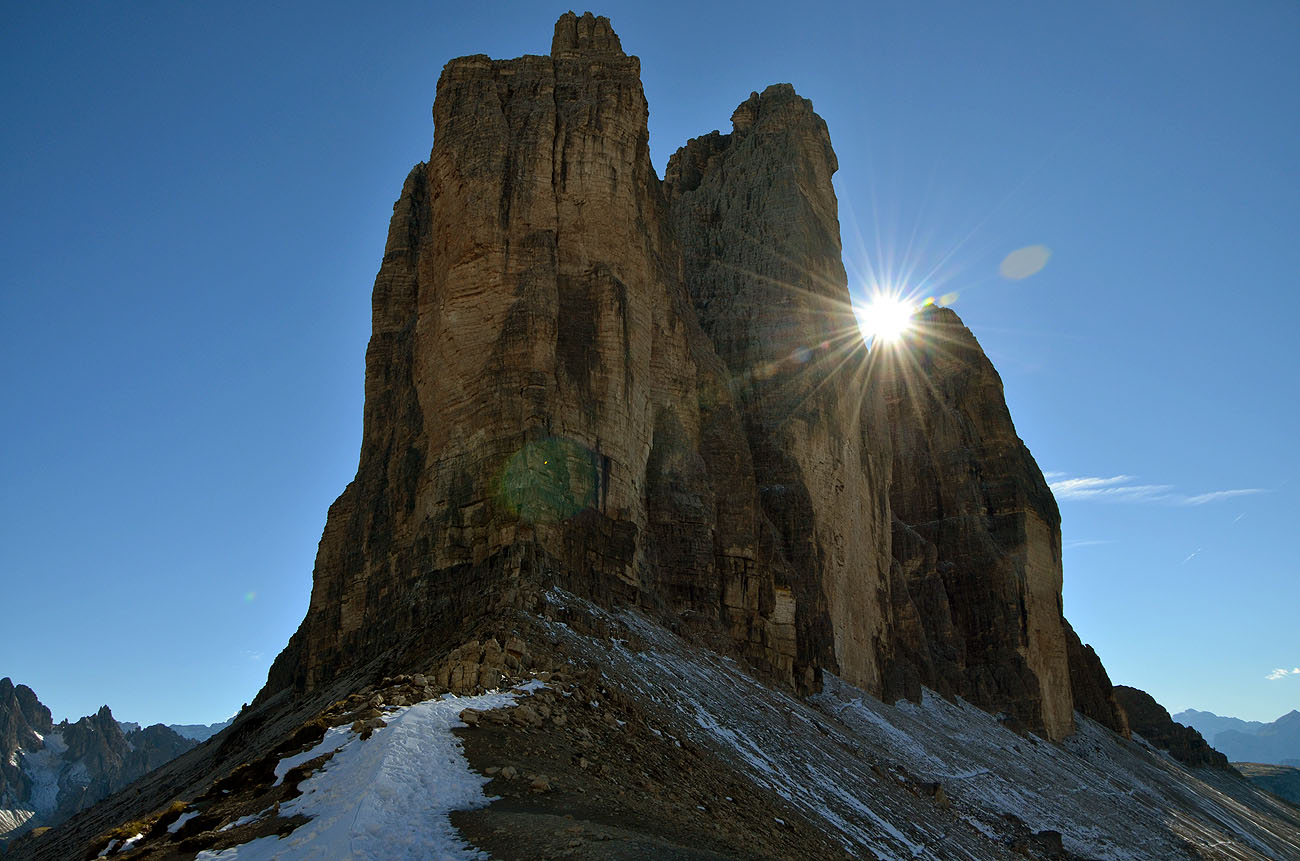
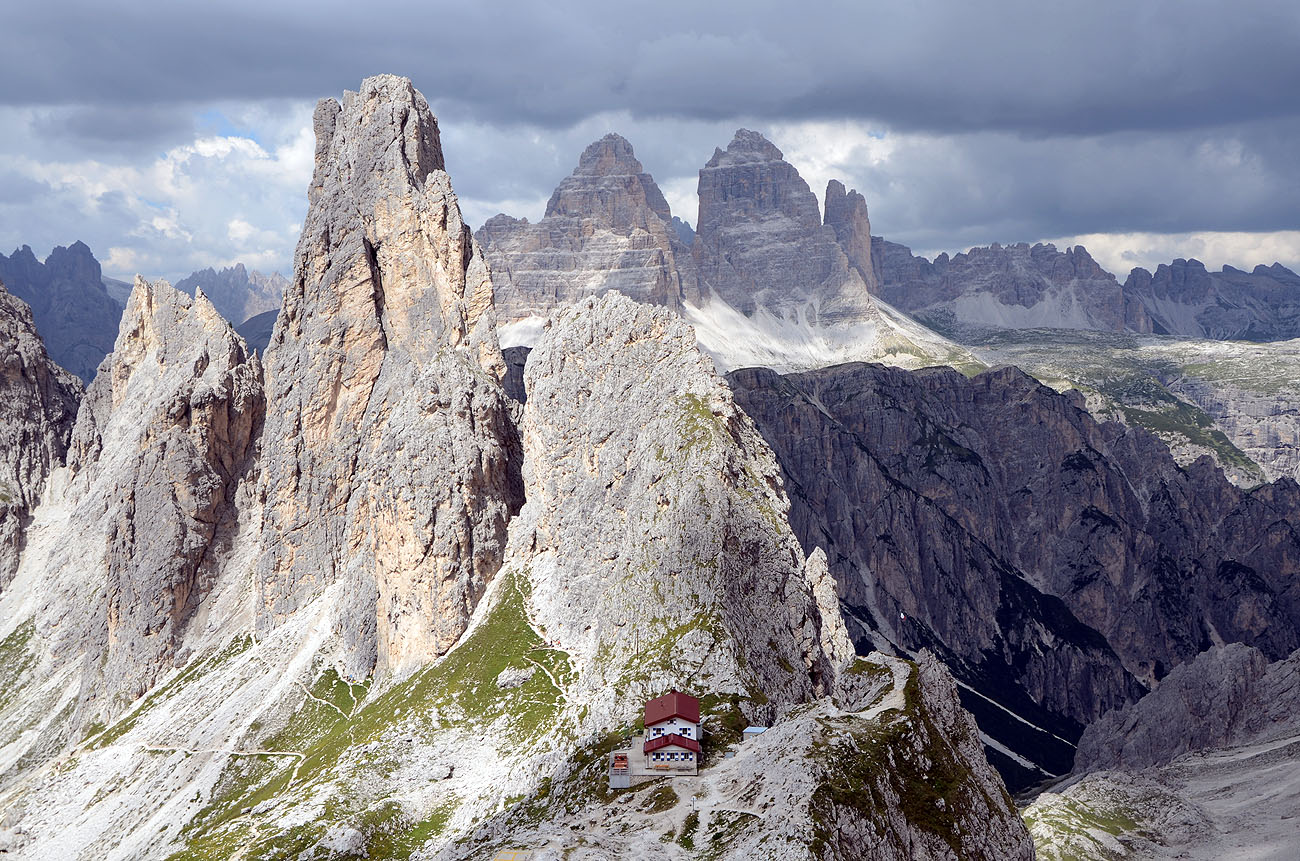
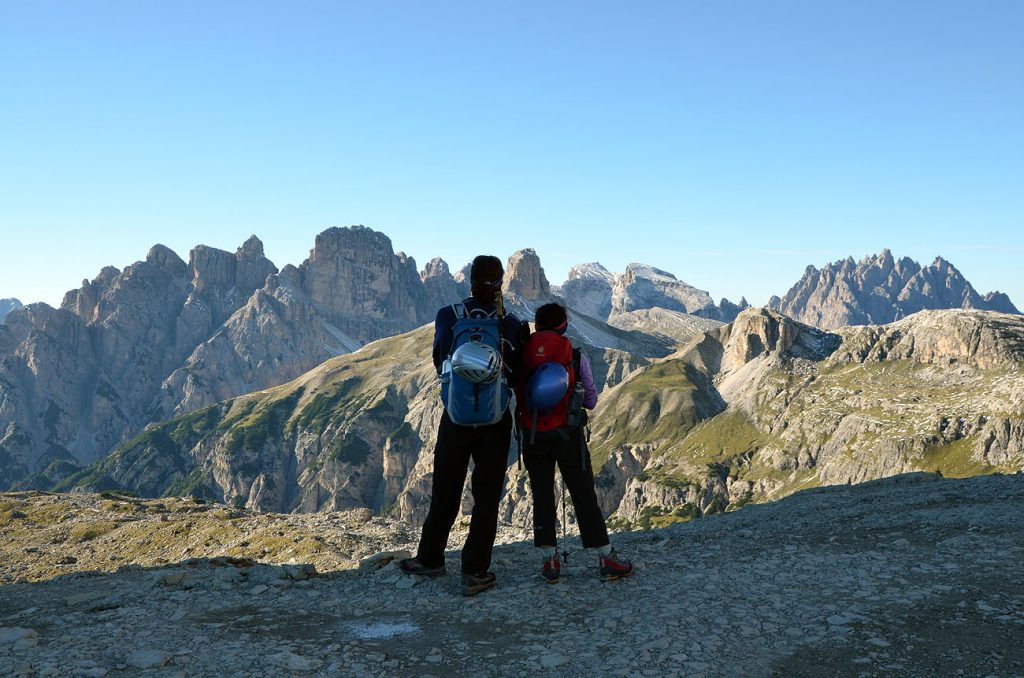
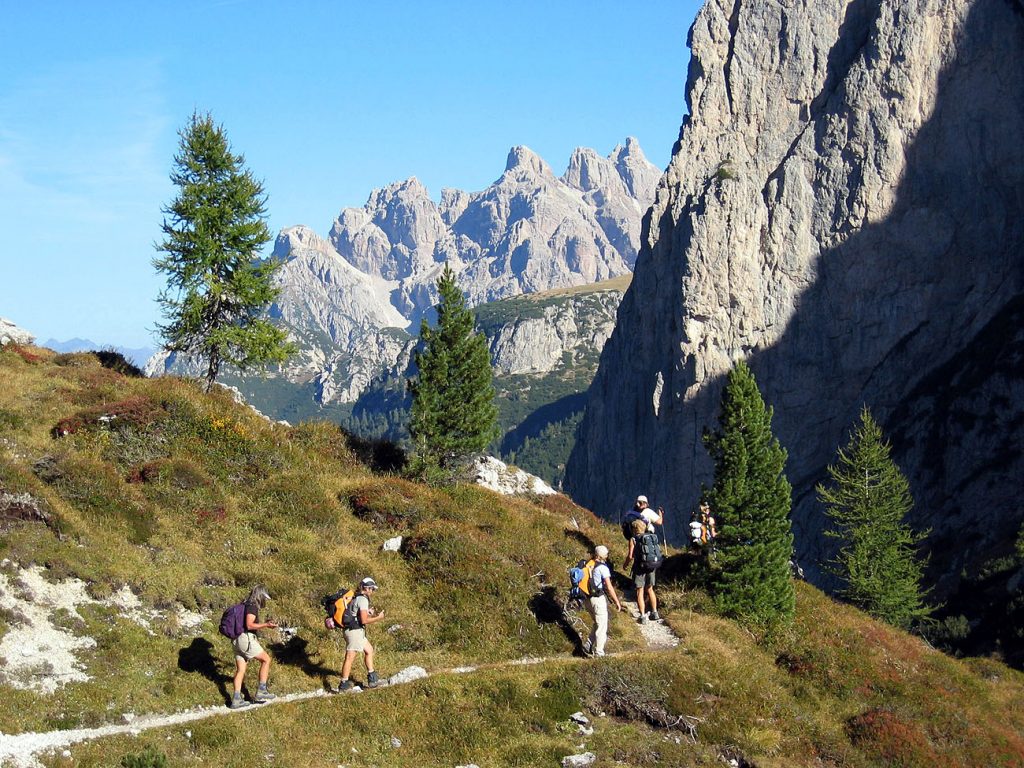
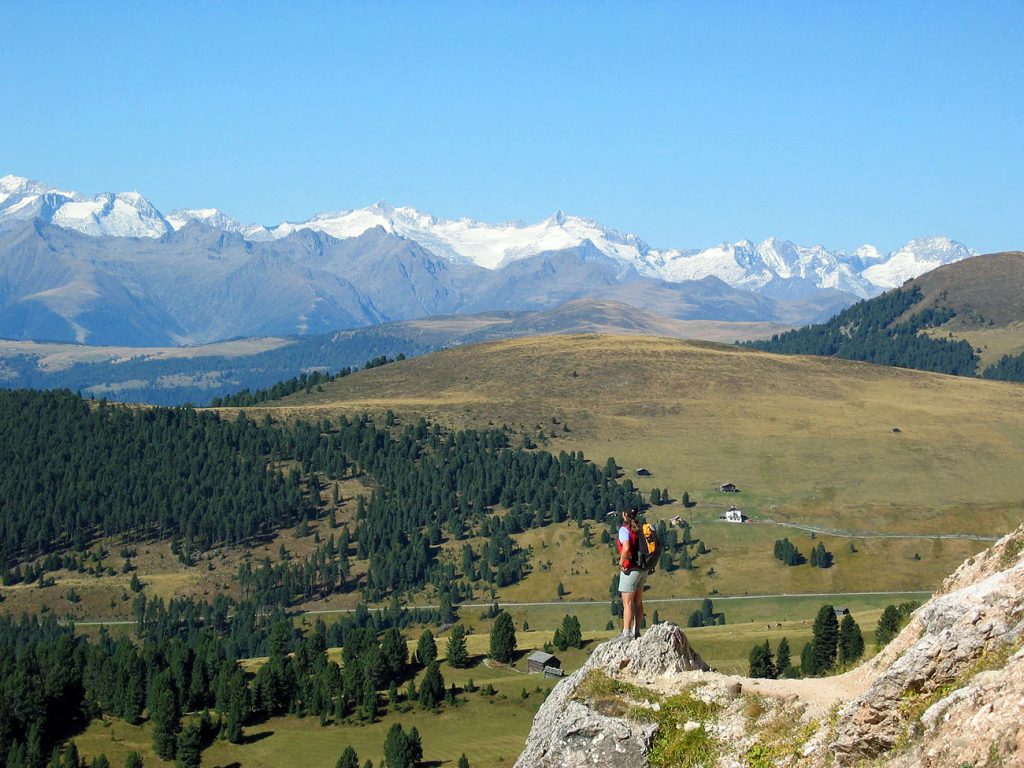
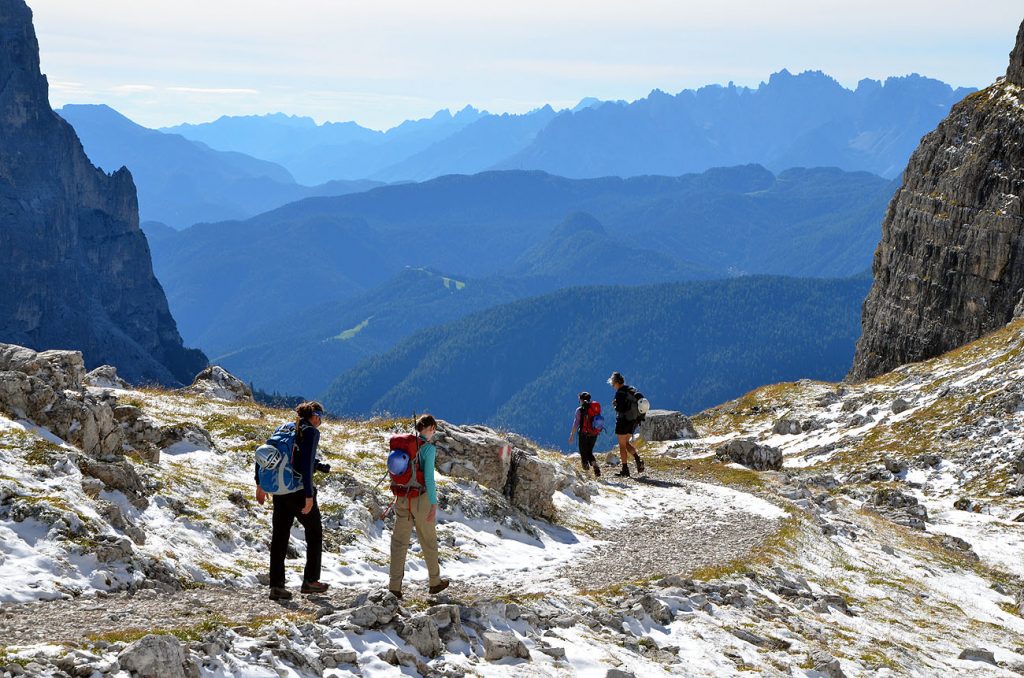
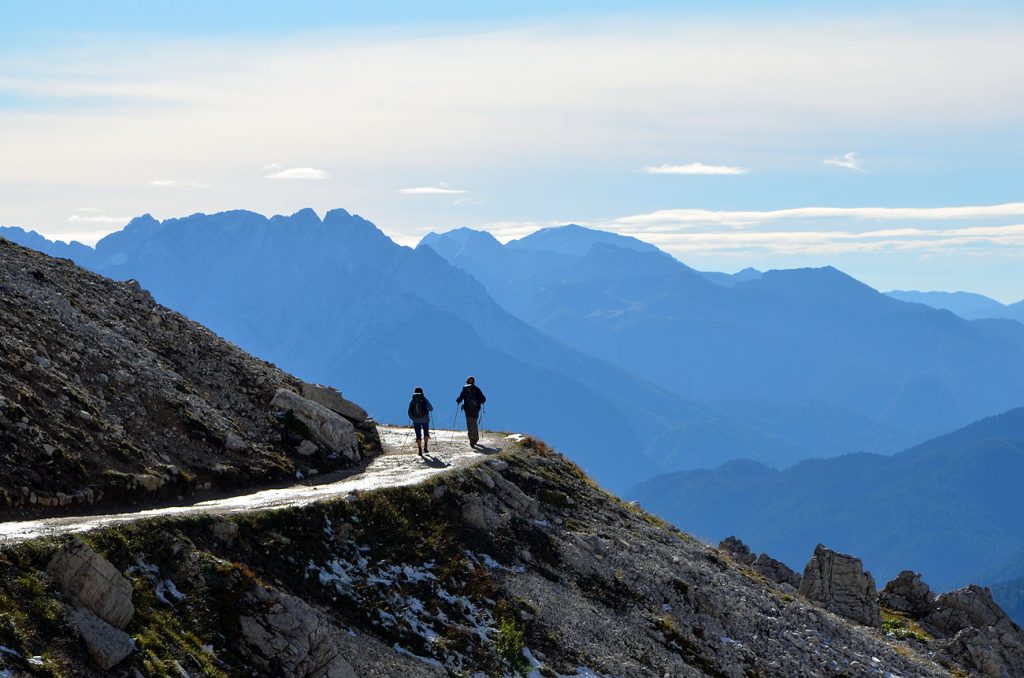
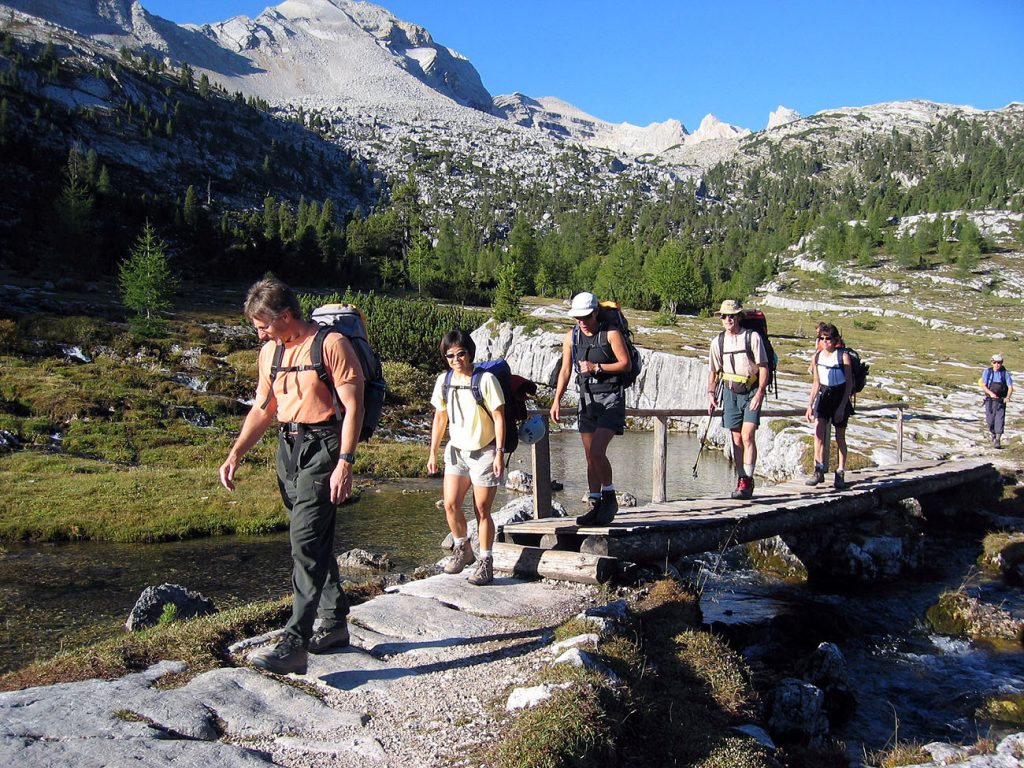
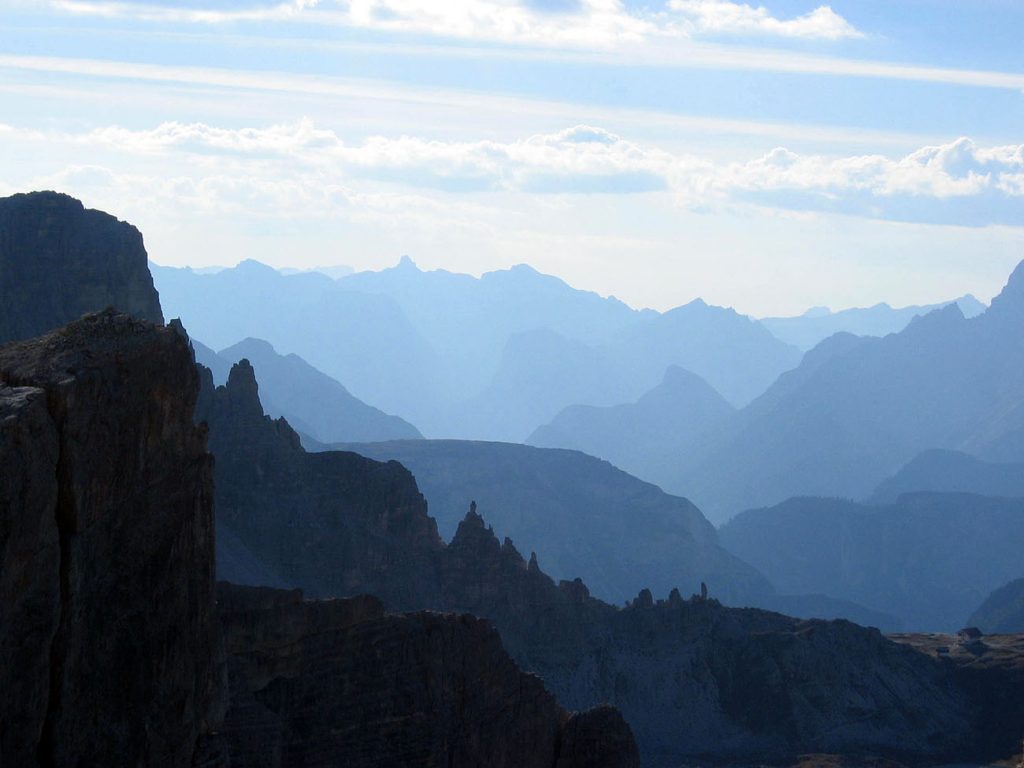
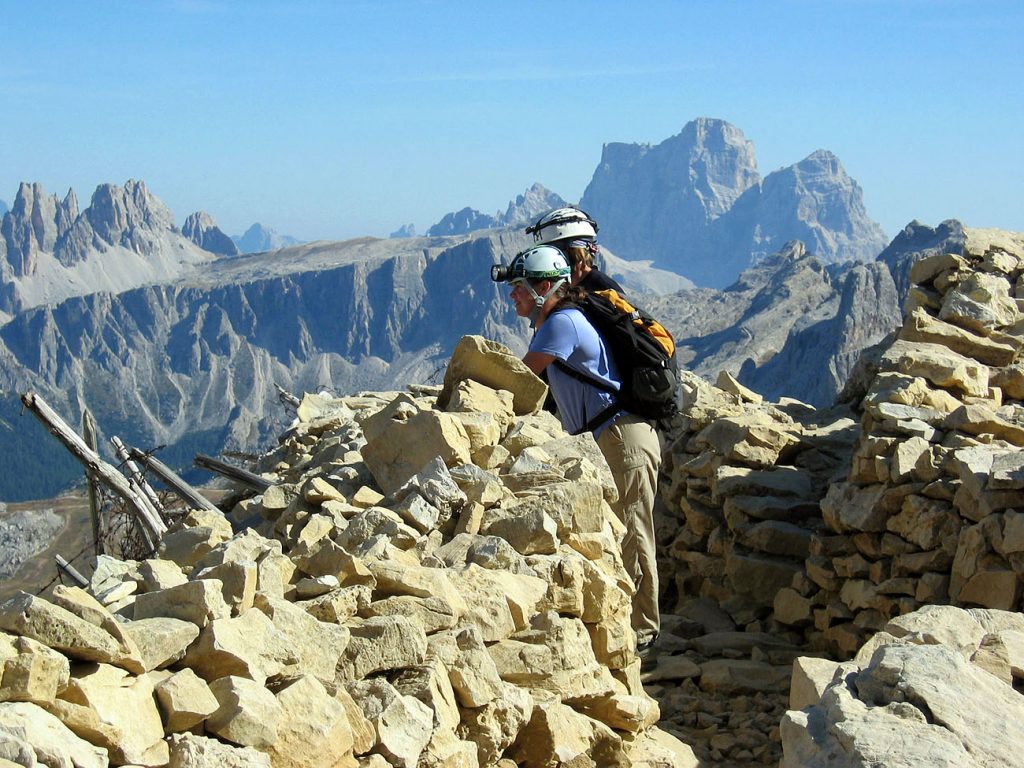
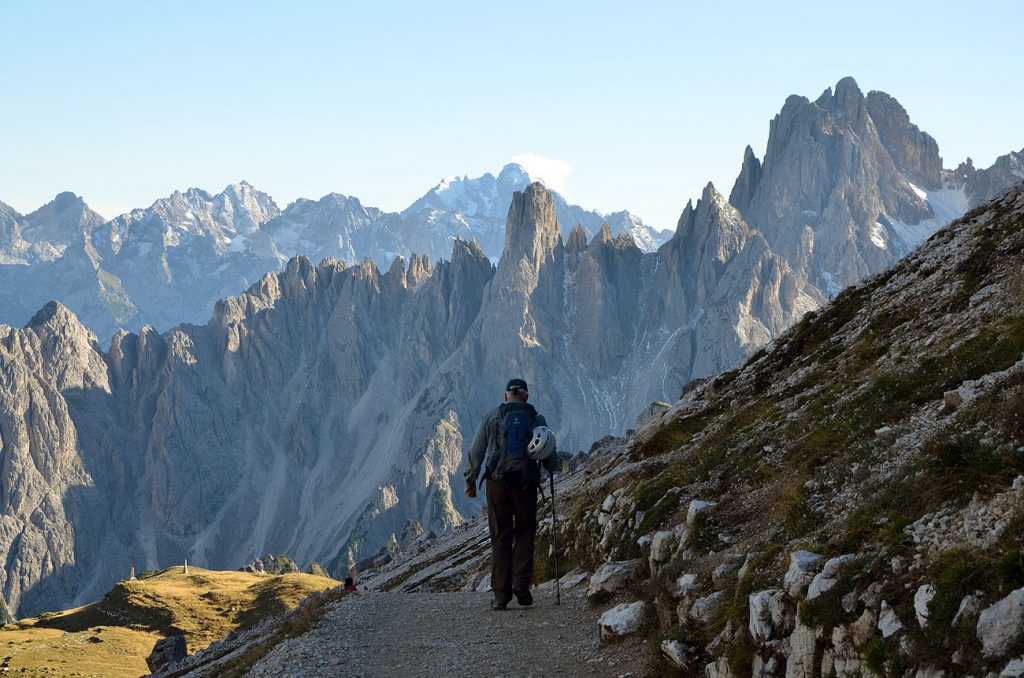
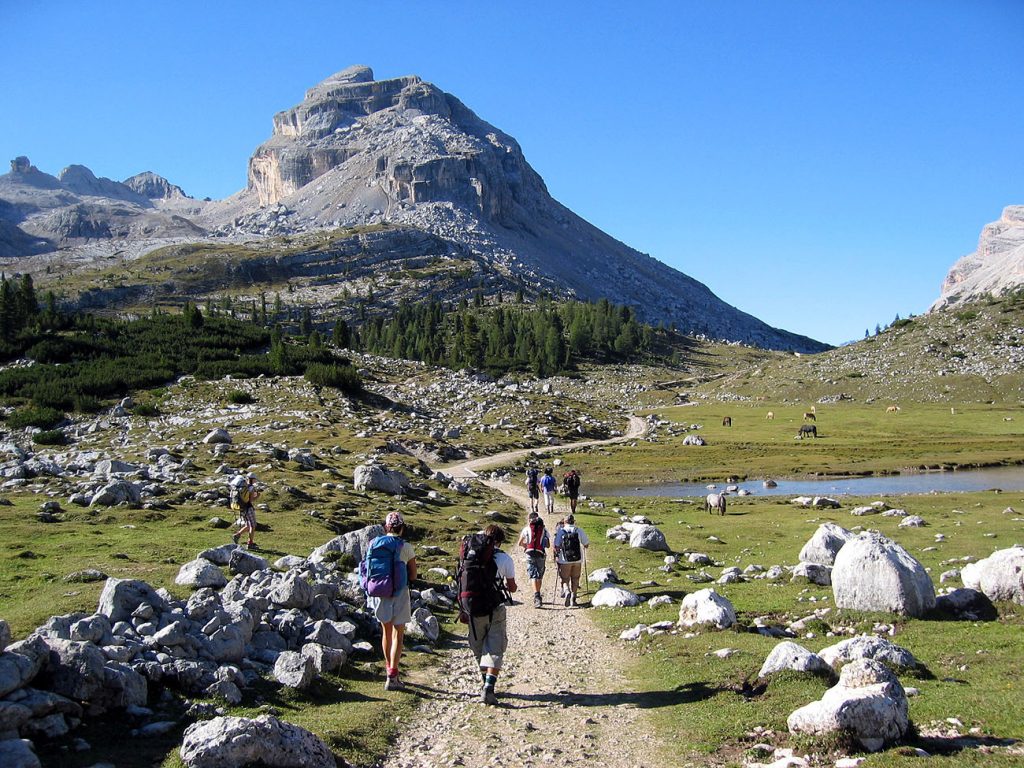
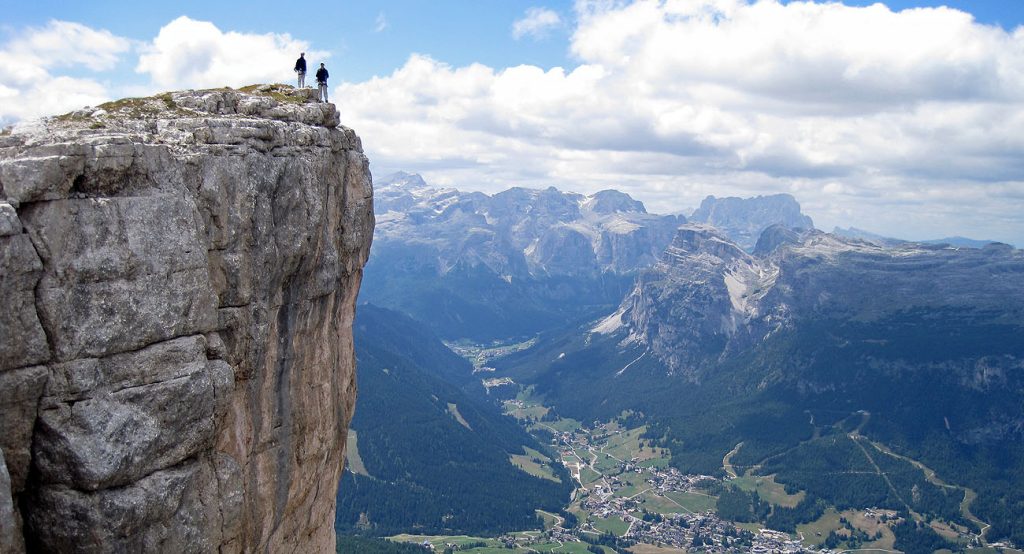
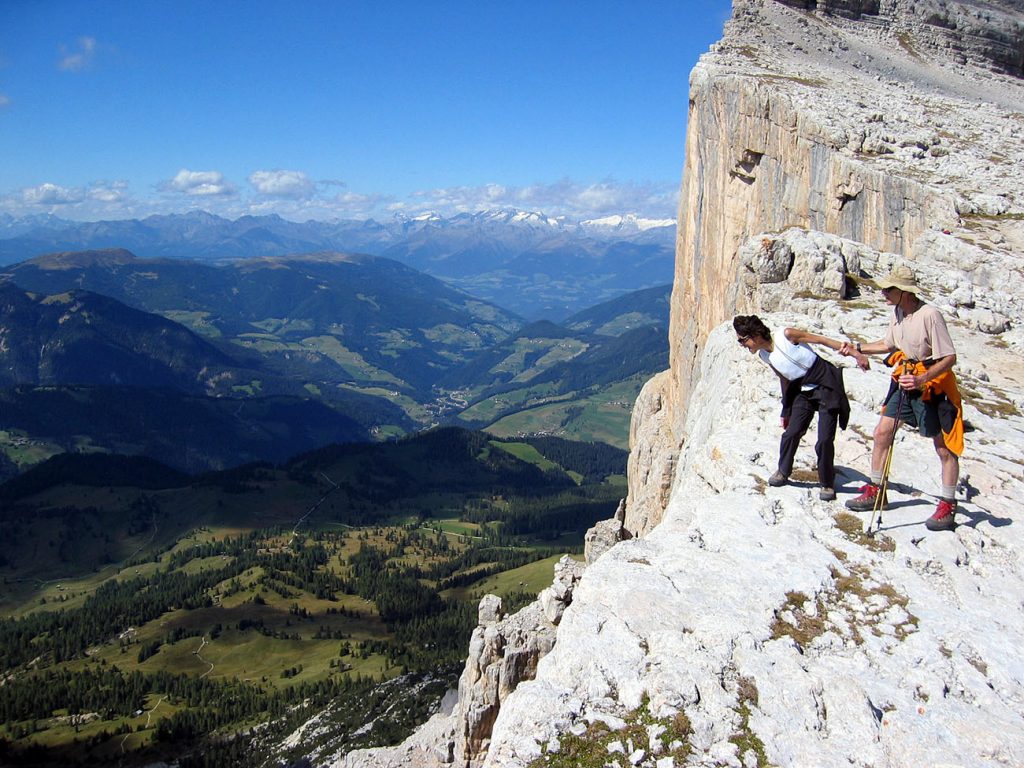
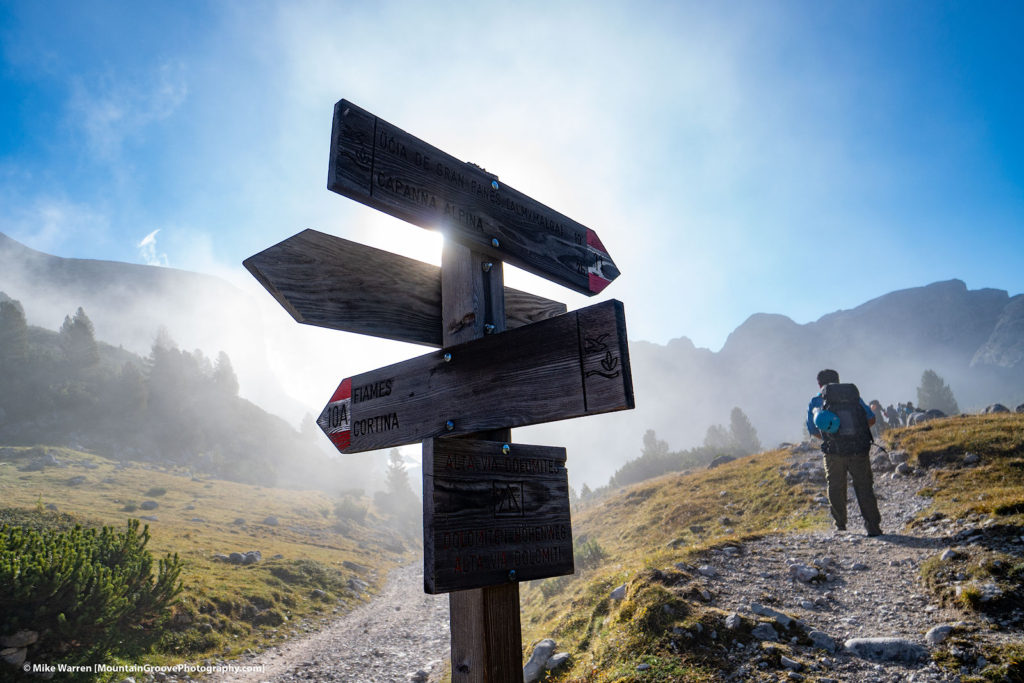
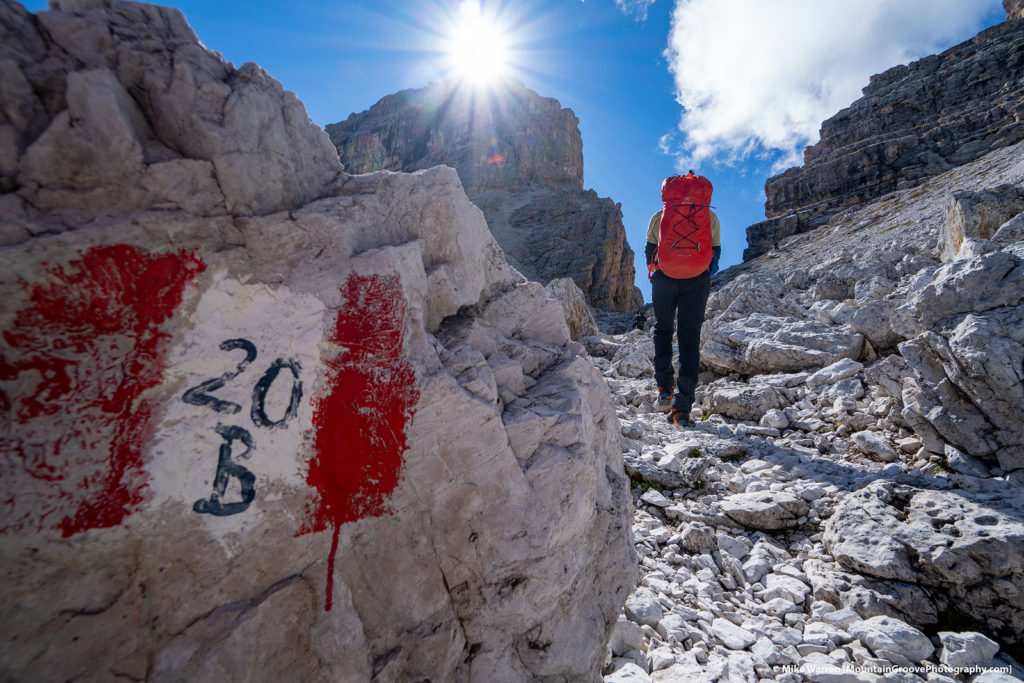
This flagship trek in the Dolomites is centered around the famous resort town of Cortina d’ Ampezzo. The Dolomites is our favourite part of the Alps with unparalleled scenery that contrasts dramatic limestone rock towers and glaciers with lovely meadows and mountain forests. The Dolomites are truly a hiker’s paradise, and the Dolomites High Route #1 (Alta Via Uno) is one of the best long-distance treks in all of the European Alps. The full trek involves 120 km of hiking with 6,700 m of elevation change from Lago di Braies (Pragser Wildsee) southwards to Belluno. This shorter version covers the Northern half of the route – starting in the nature reserve of the Val Travenanzes/ Val Fanes and finishing at the Staulanza Hut.
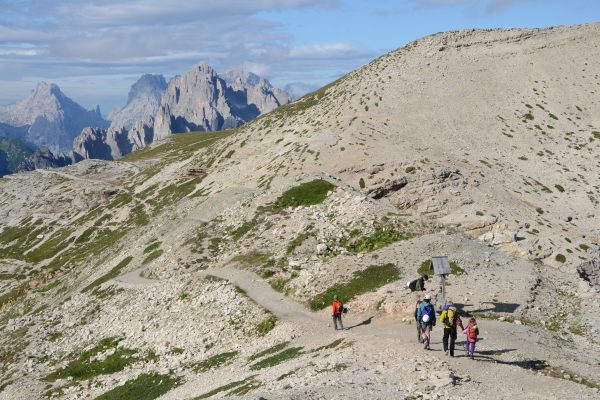
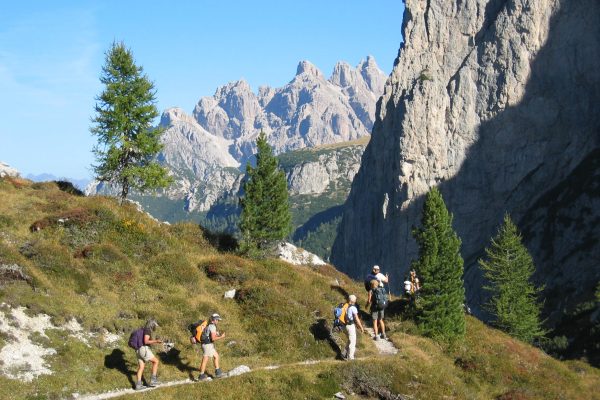
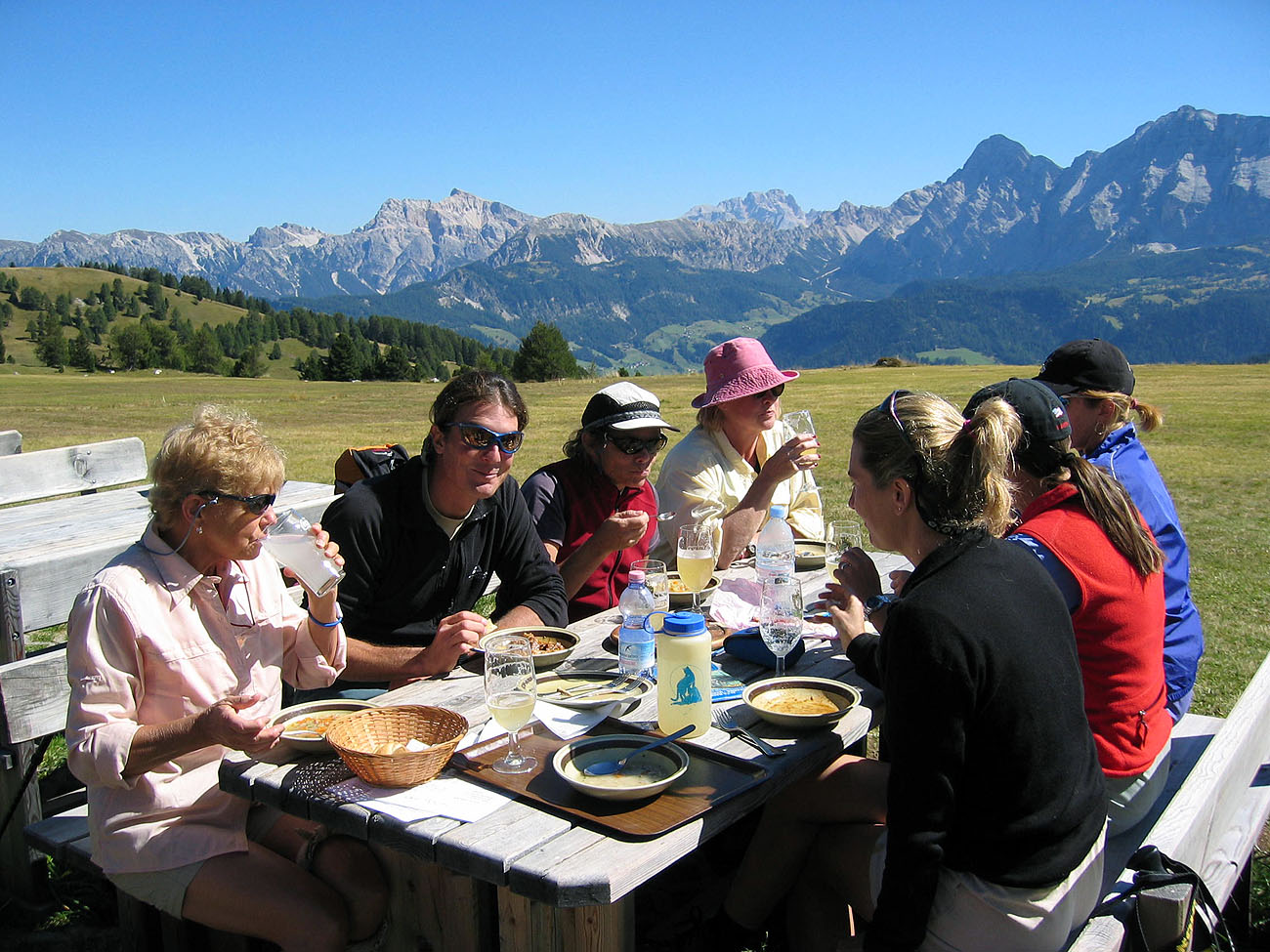
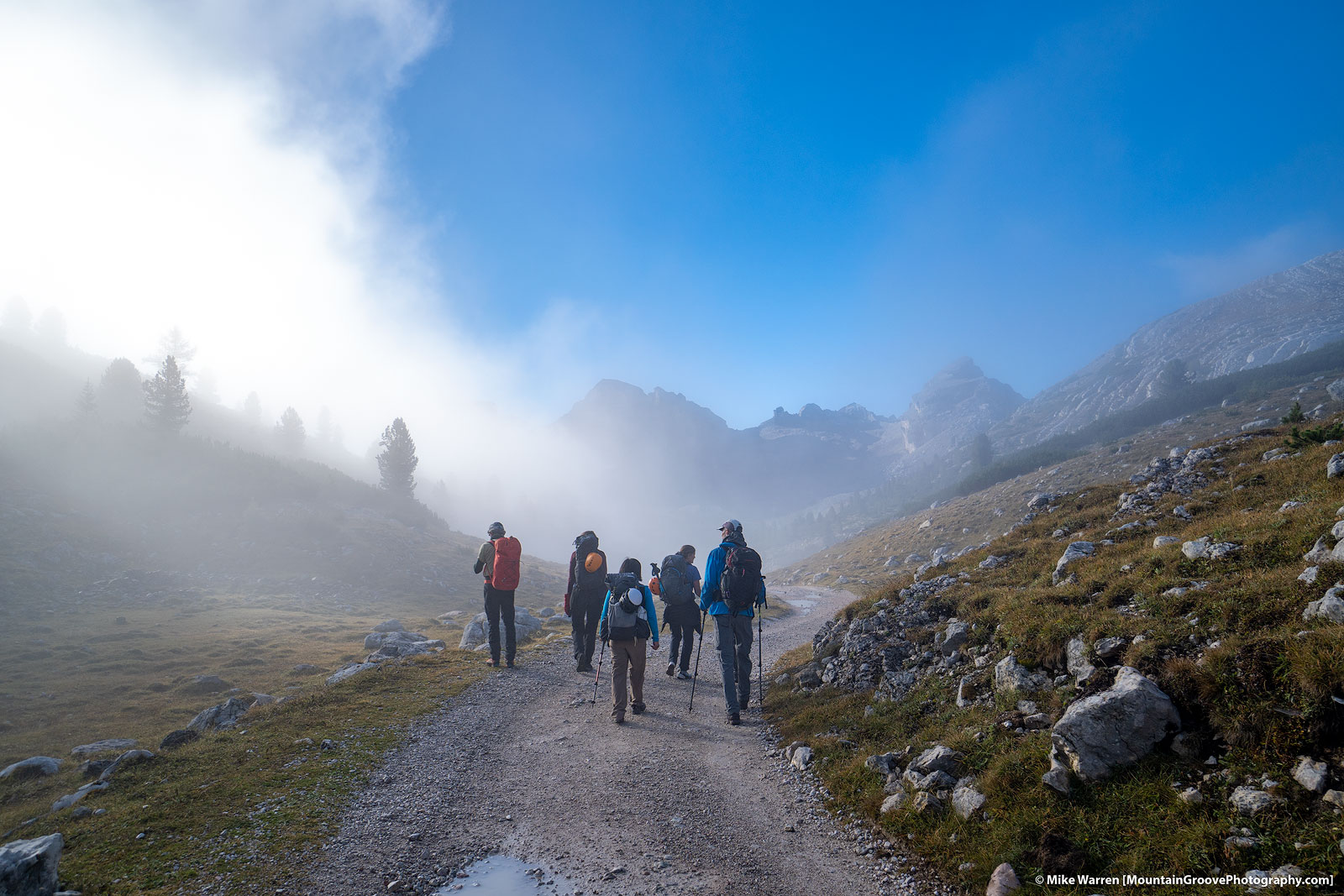
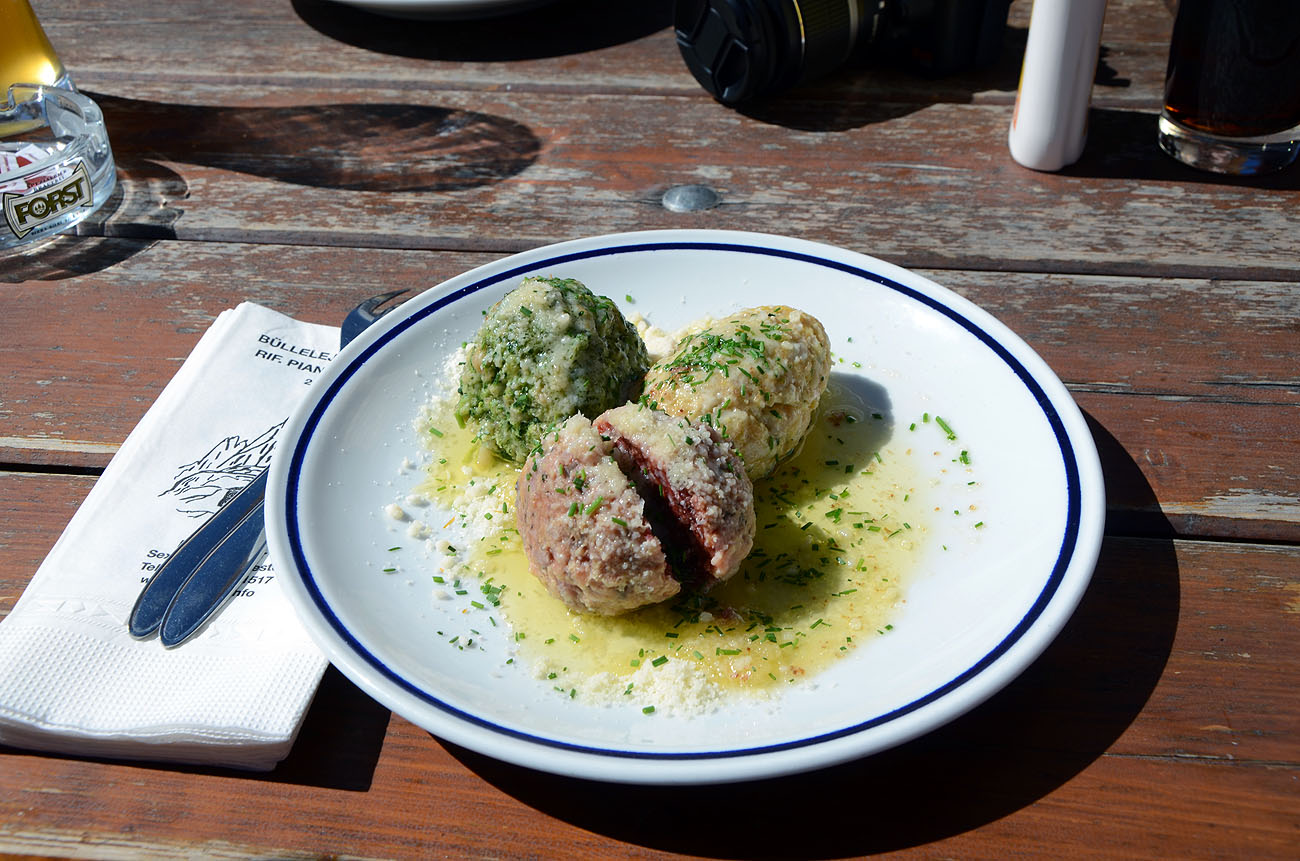
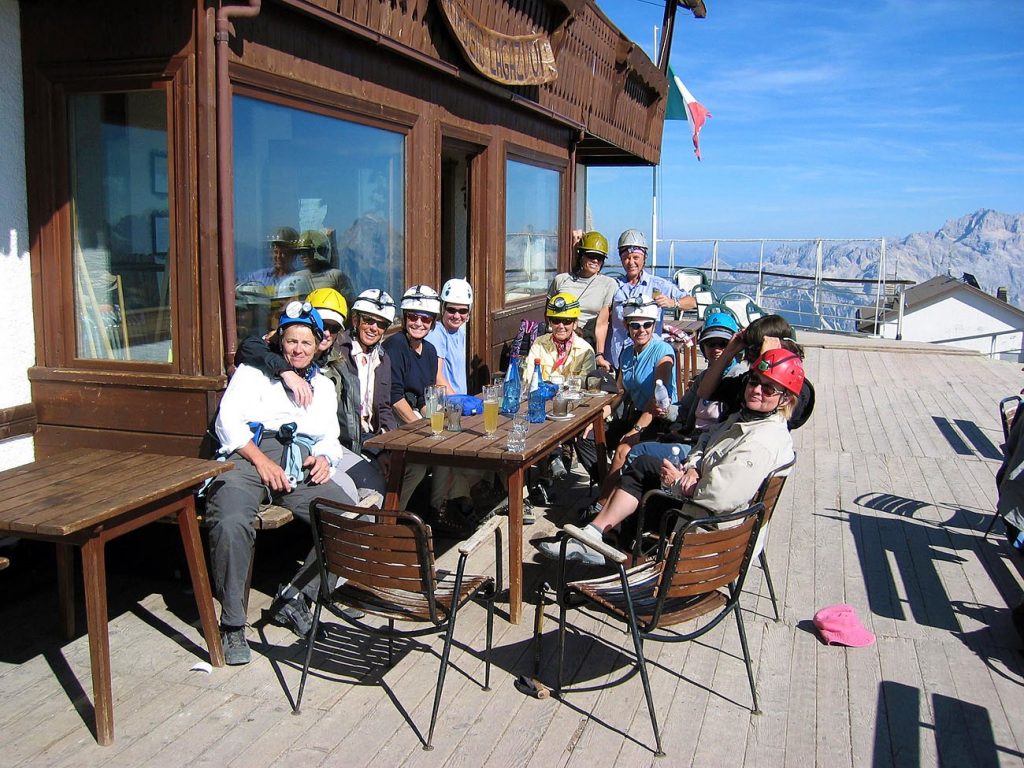
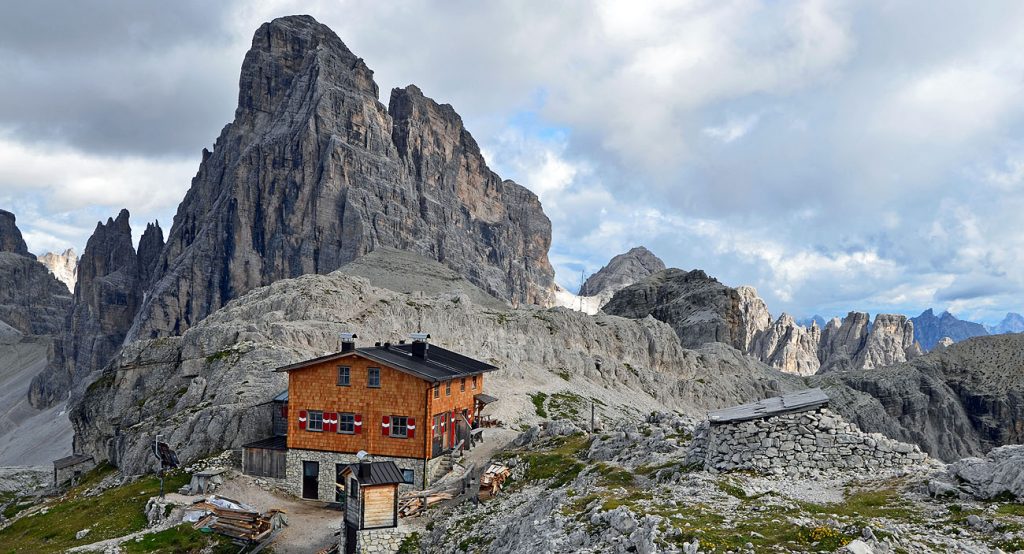
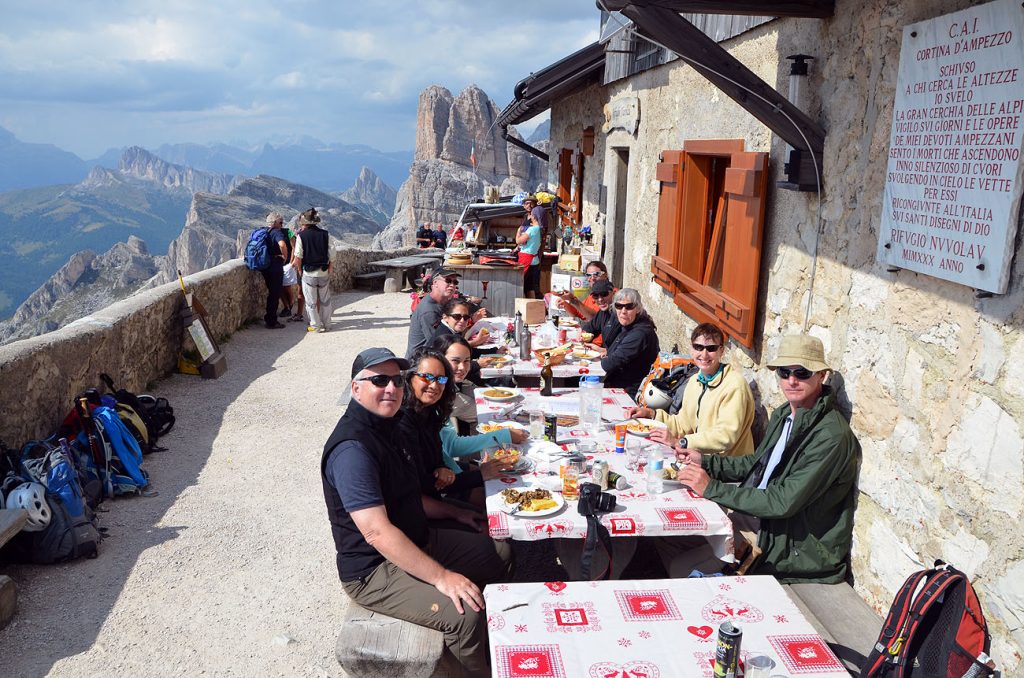
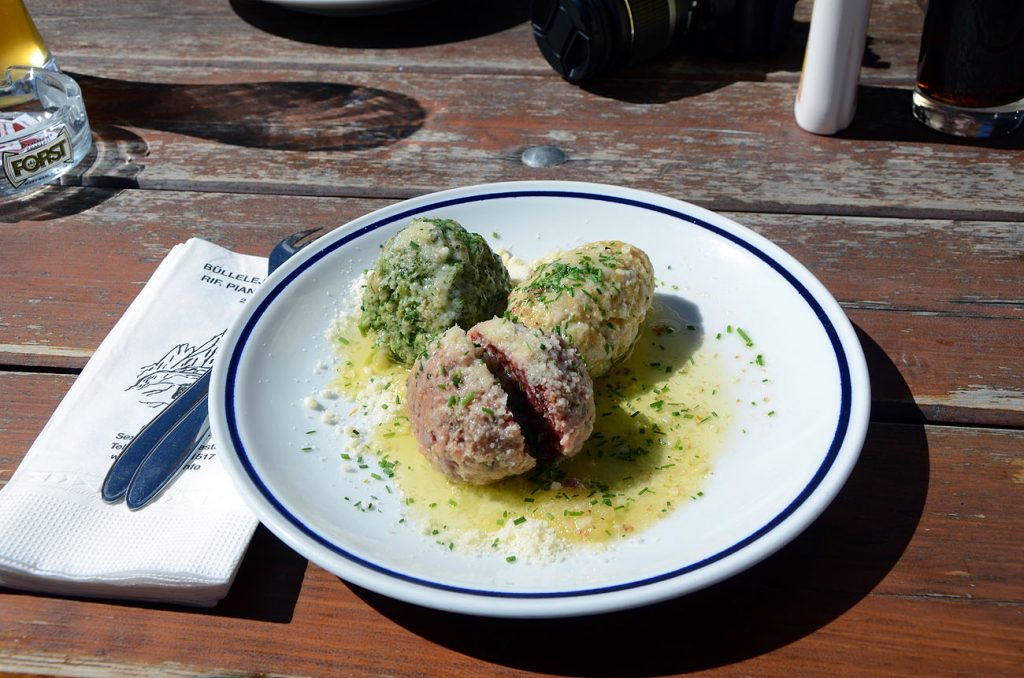
The “Alta Via Uno” is Number 1 for good reason: The trail is always interesting, it follows well-maintained hiking trails which keep you mainly above treeline, and it affords the most encompassing views of all the Dolomites High Routes. Two of the days provide extensive examples of WW1 history. The huts are top quality and full-service – all include showers. At all of the lodgings, you will experience delicious home-cooked Italian and Tyrolean food and wines – one of the many reasons why some of our clients keep coming back to the Dolomites!
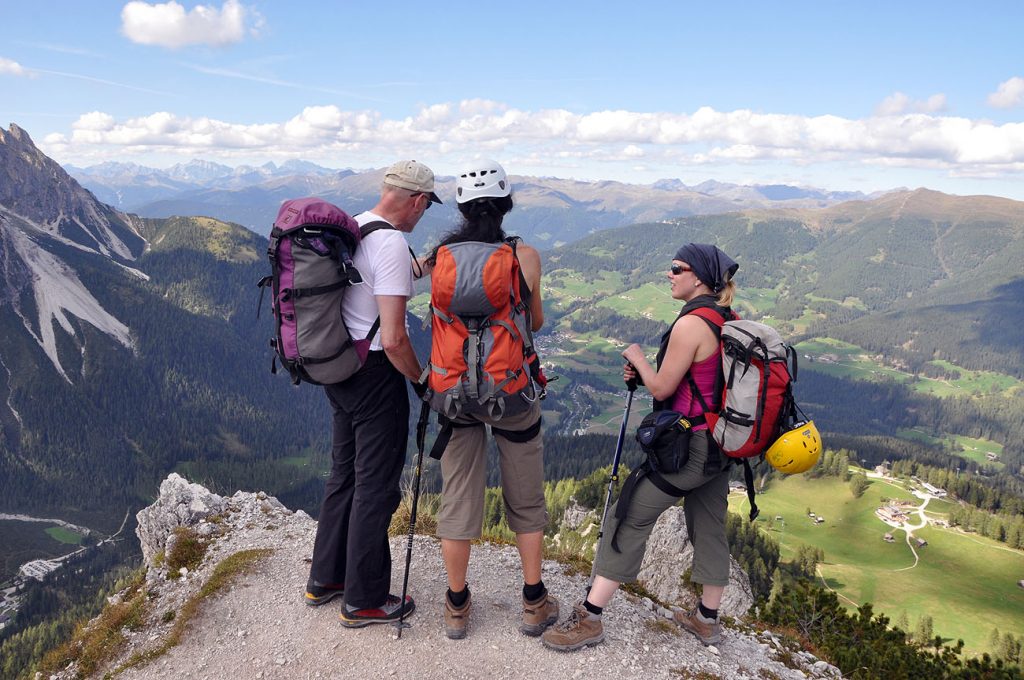
This trip provides a great introduction to multi-day hiking on non-technical trails. It is ideal for hikers who have good general fitness and prefer a more casual trip. For adventure seekers with no fear of exposure or heights, we recommend our Cortina Via Ferrata Hut-to-Hut Trek to get that adrenaline pumping!
2026 Pricing
EUR €2295/ person
HIGHLIGHTS
- Super-scenic Dolomites hiking trails
- Fully catered huts, most with showers
- Lots of WWI history along the way
- Excellent Italian & Tyrolean food
- Famous resort town of Cortina
DIFFICULTY
- Up to 7 hrs/day
- Marked hiking trails
- Light multi-day packs
Cortina Dolomites Hut-To-Hut Trek Itinerary
Arrival/Travel Day:
Arrive in Cortina for lodging in our Hotel. Please use this day to stock up on any lunch and snack supplies you may need.
Day 1: Cortina to Lavarella Hut
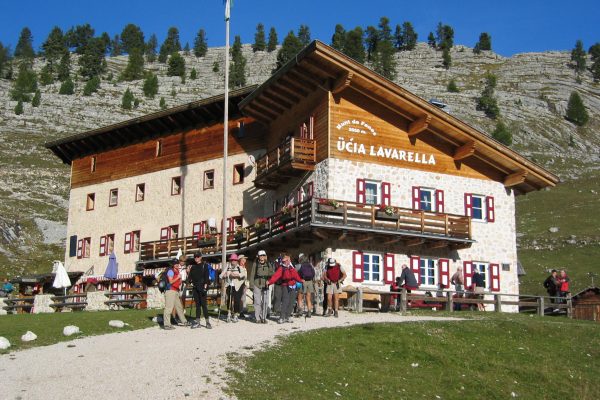
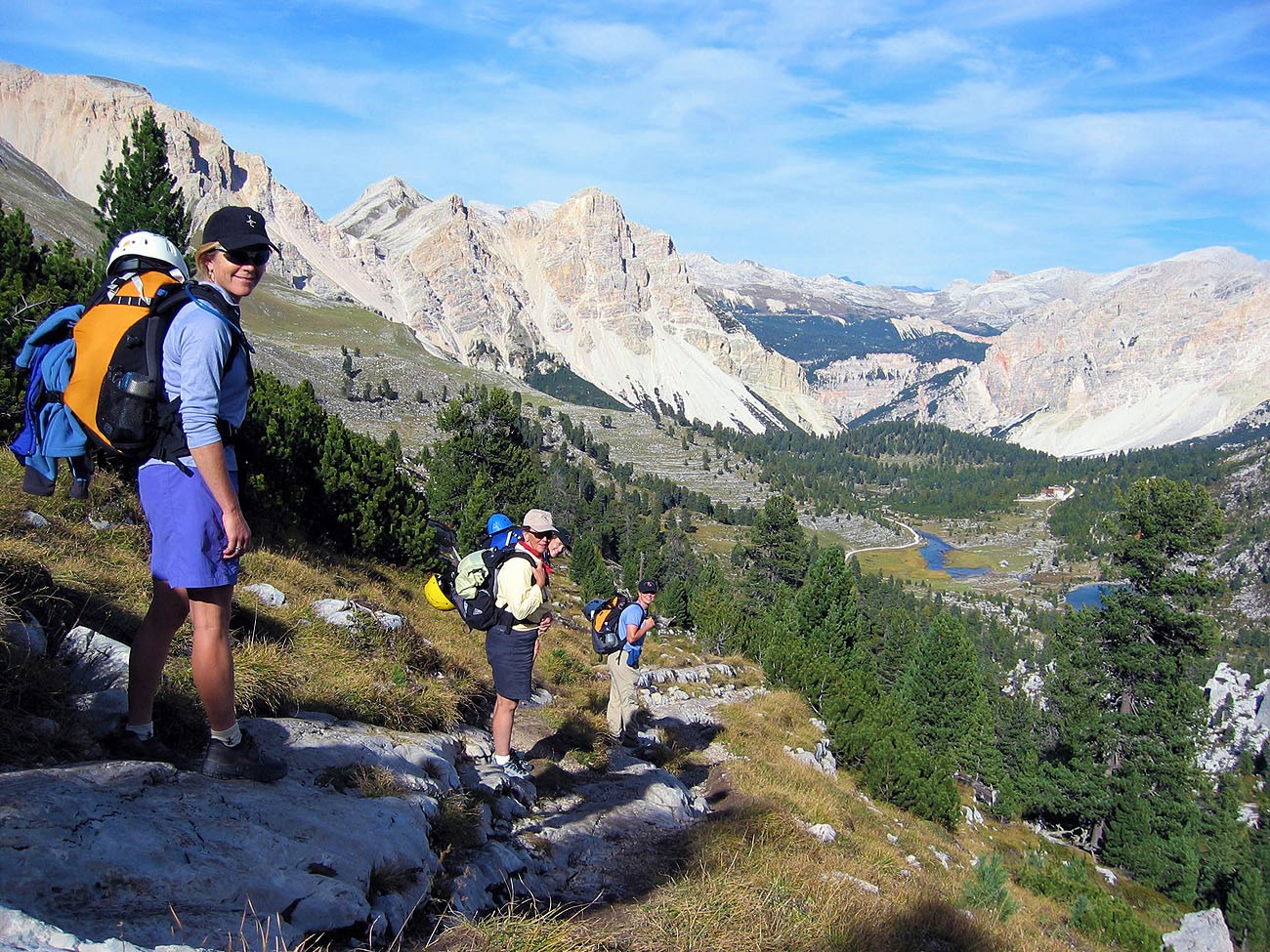
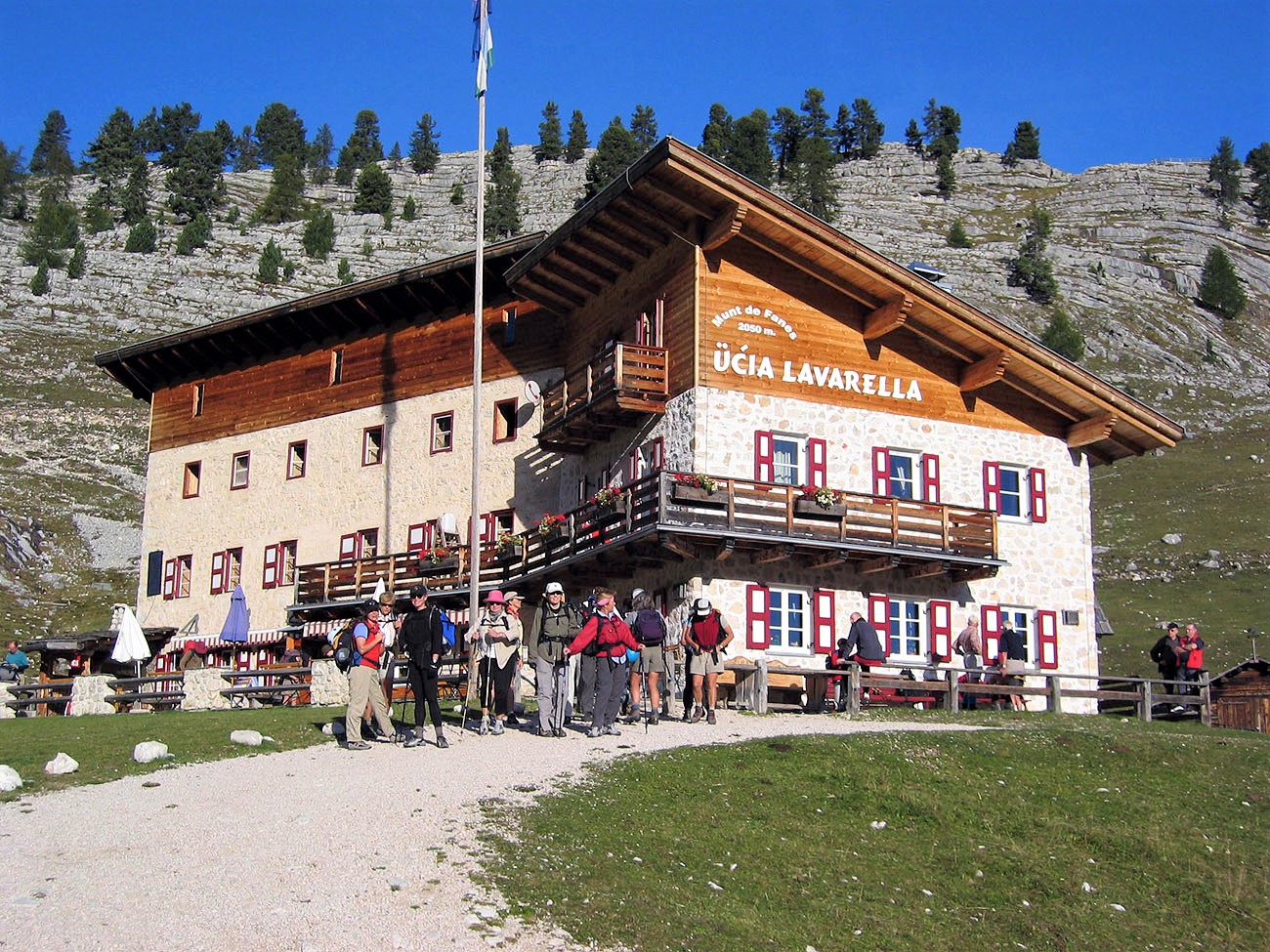
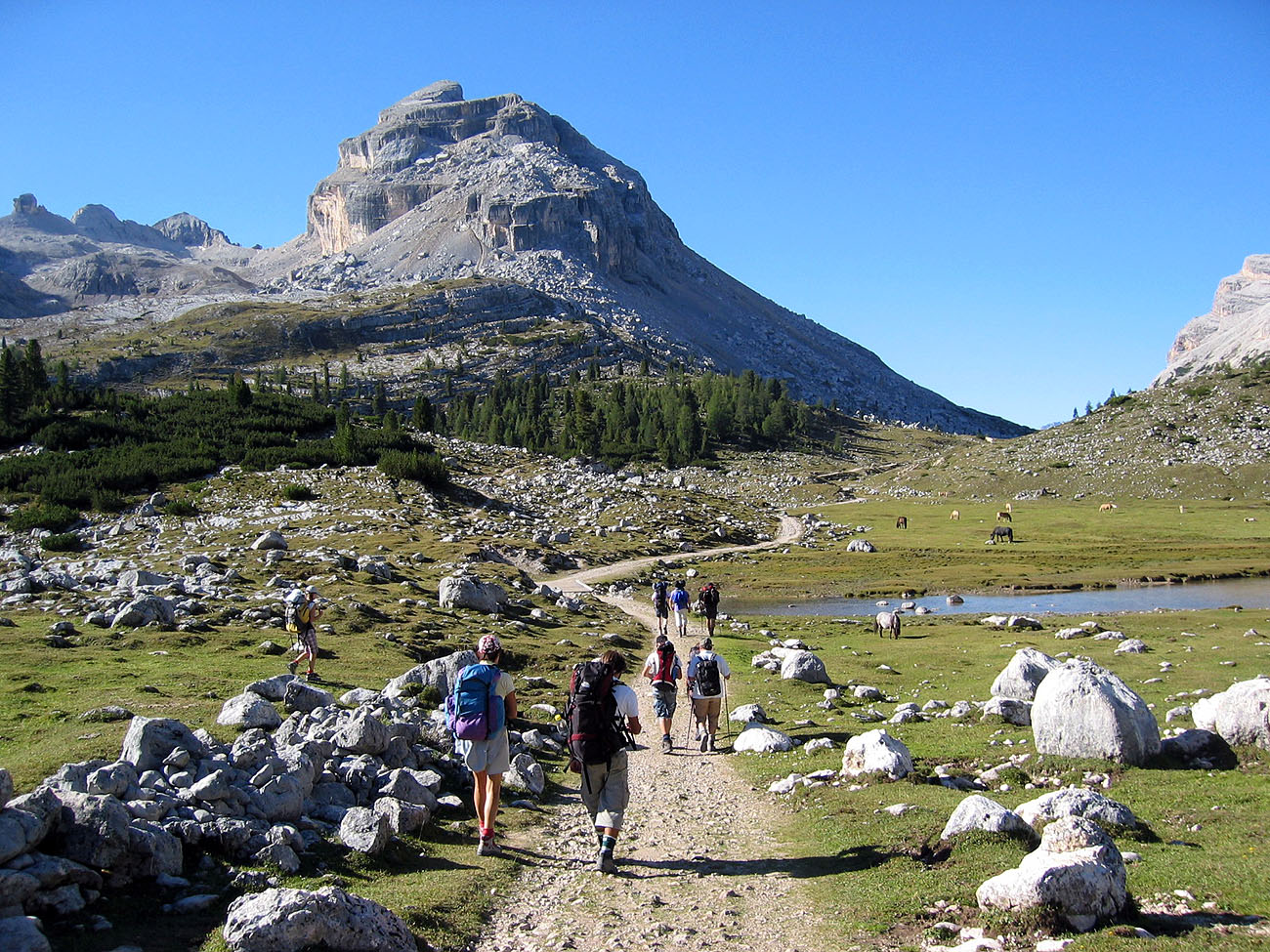
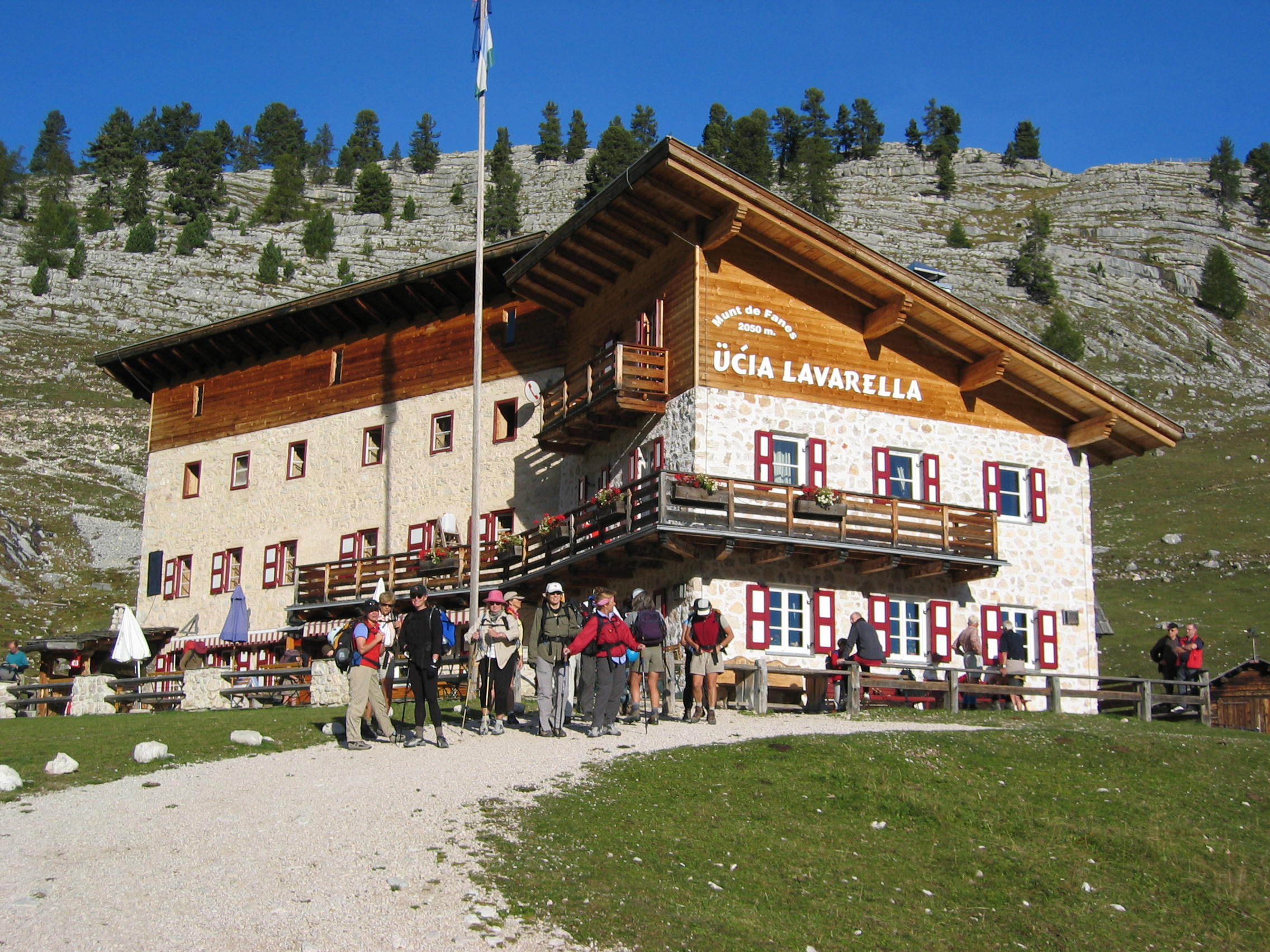
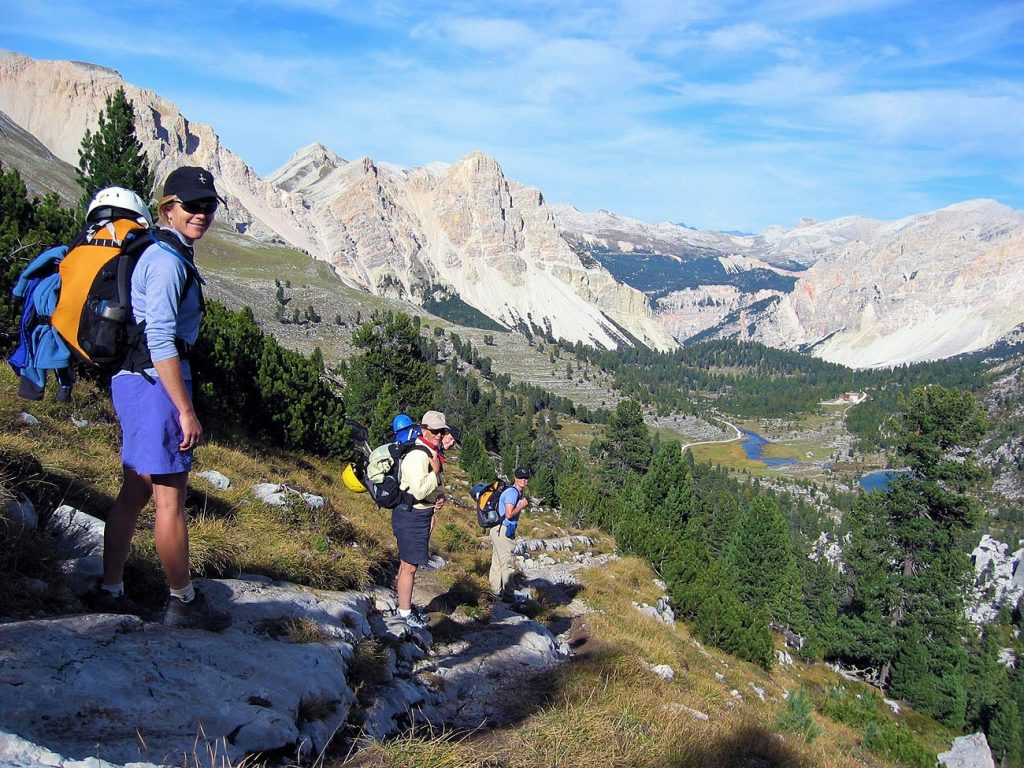
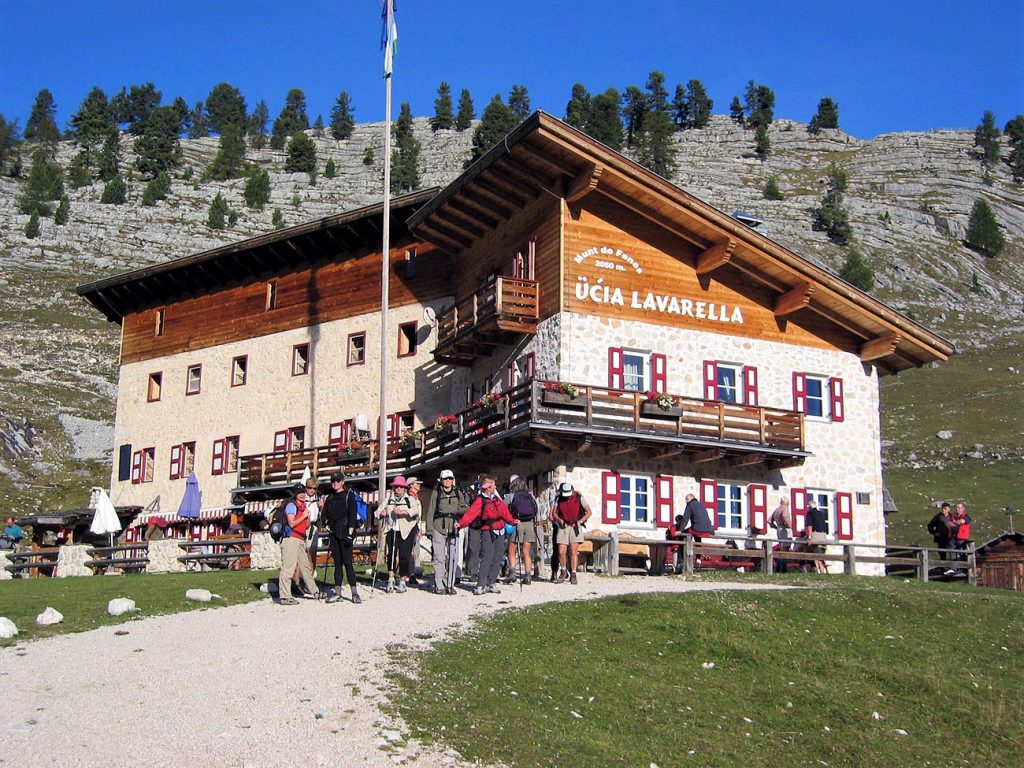
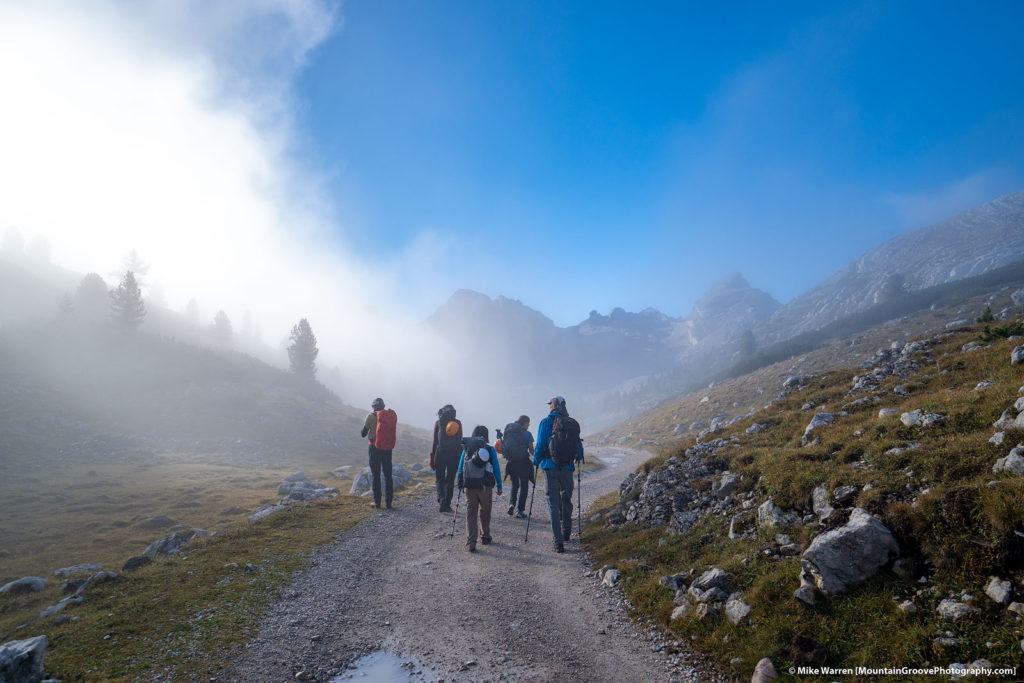
Meeting with the guide at 8.00AM for breakfast and trip briefing. After a 20min drive we start hiking from a trailhead south of Cortina and climb through the nature reserve of the Val Travenanzes and Val Fanes through beautiful forests until we reach the Lavarella high plateau. Lodging in the Lavarella Hut.
Total distance / vertical: Approx. 12km ( 7.5 mi) and 750 meter (2460 ft) vertical ascent and 400 meters (1300 ft) descent, about 6 hrs of hiking.
Day 2: Lavarella Hut to Lagazuoi Hut
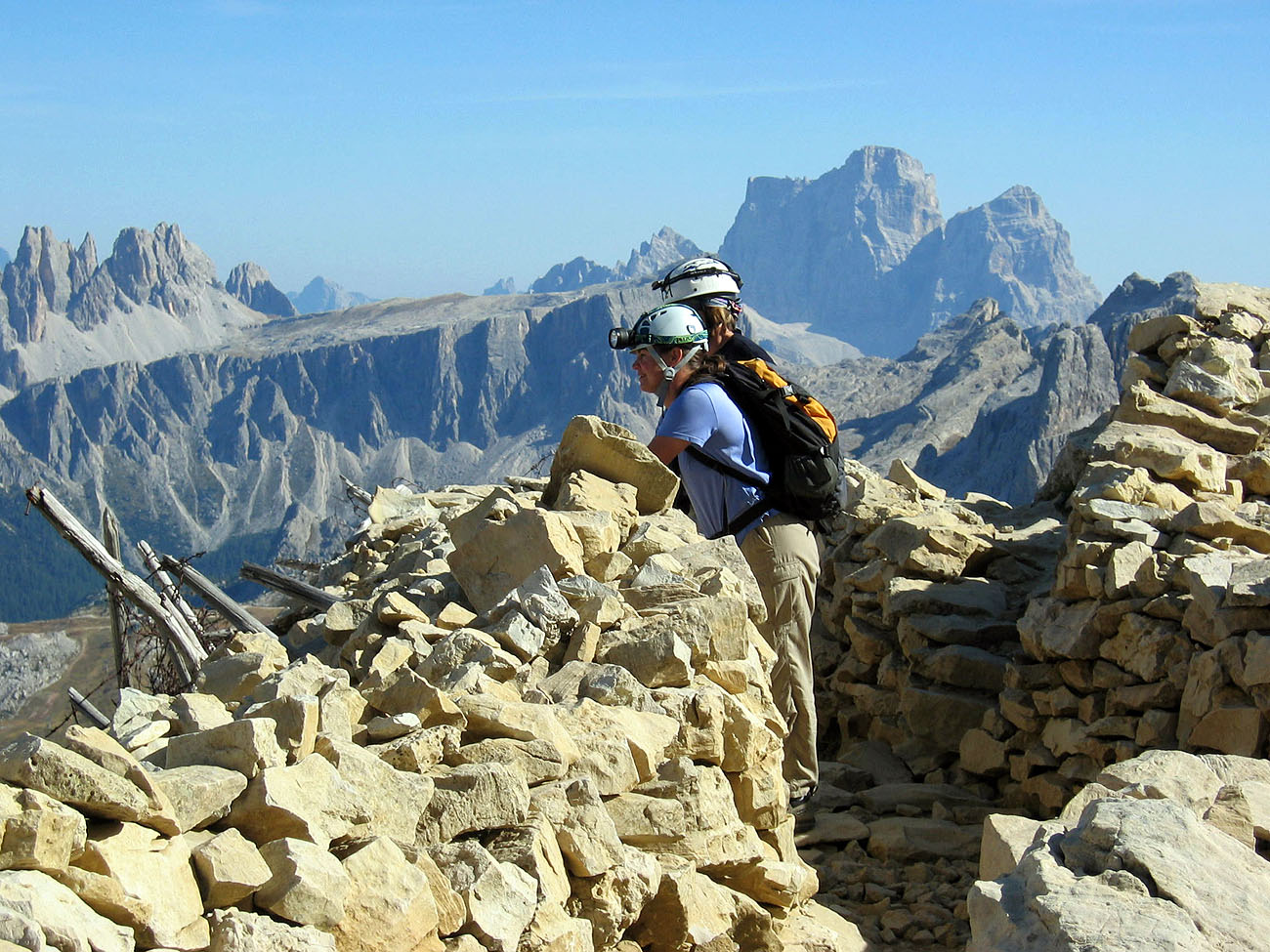
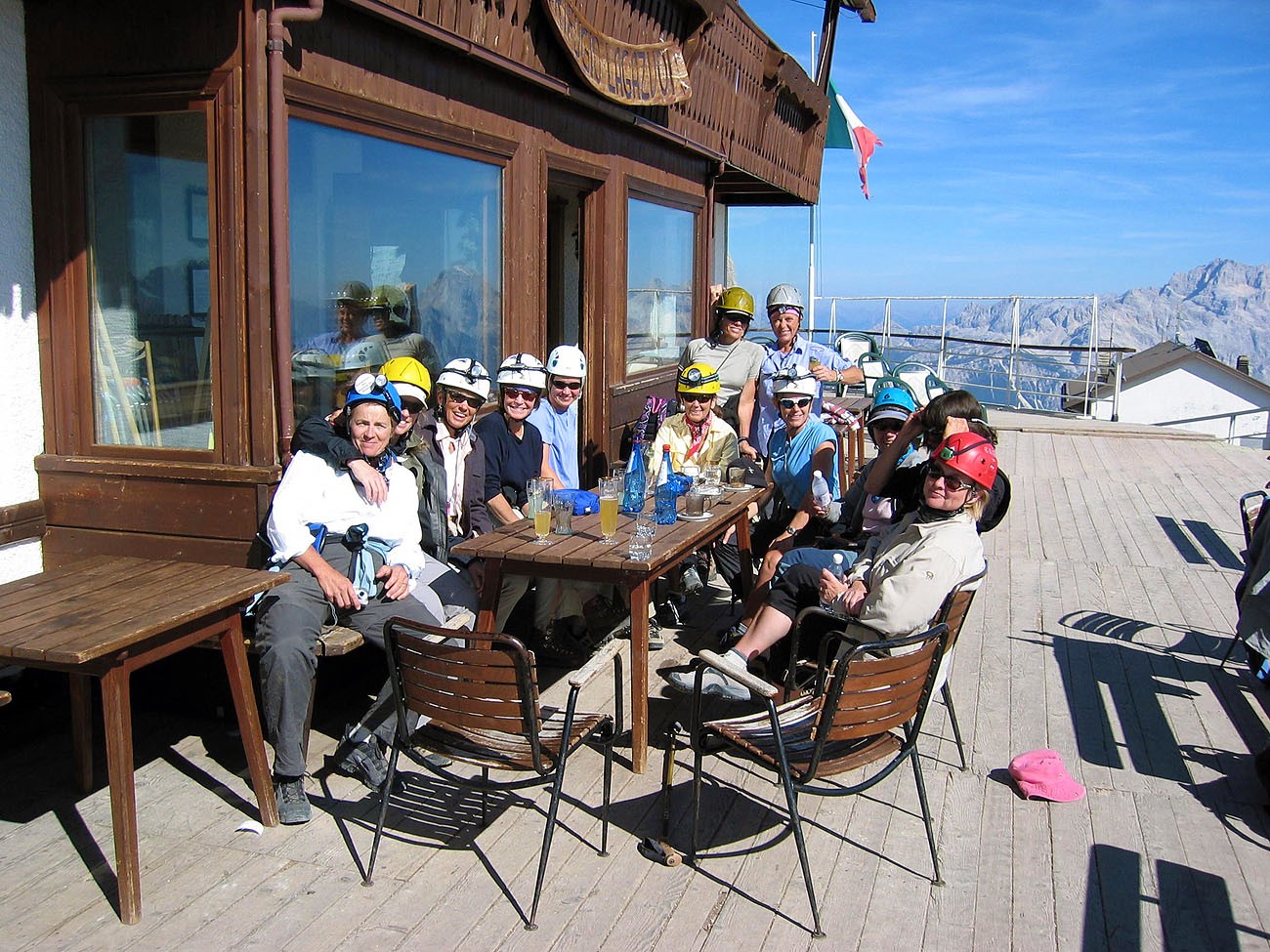
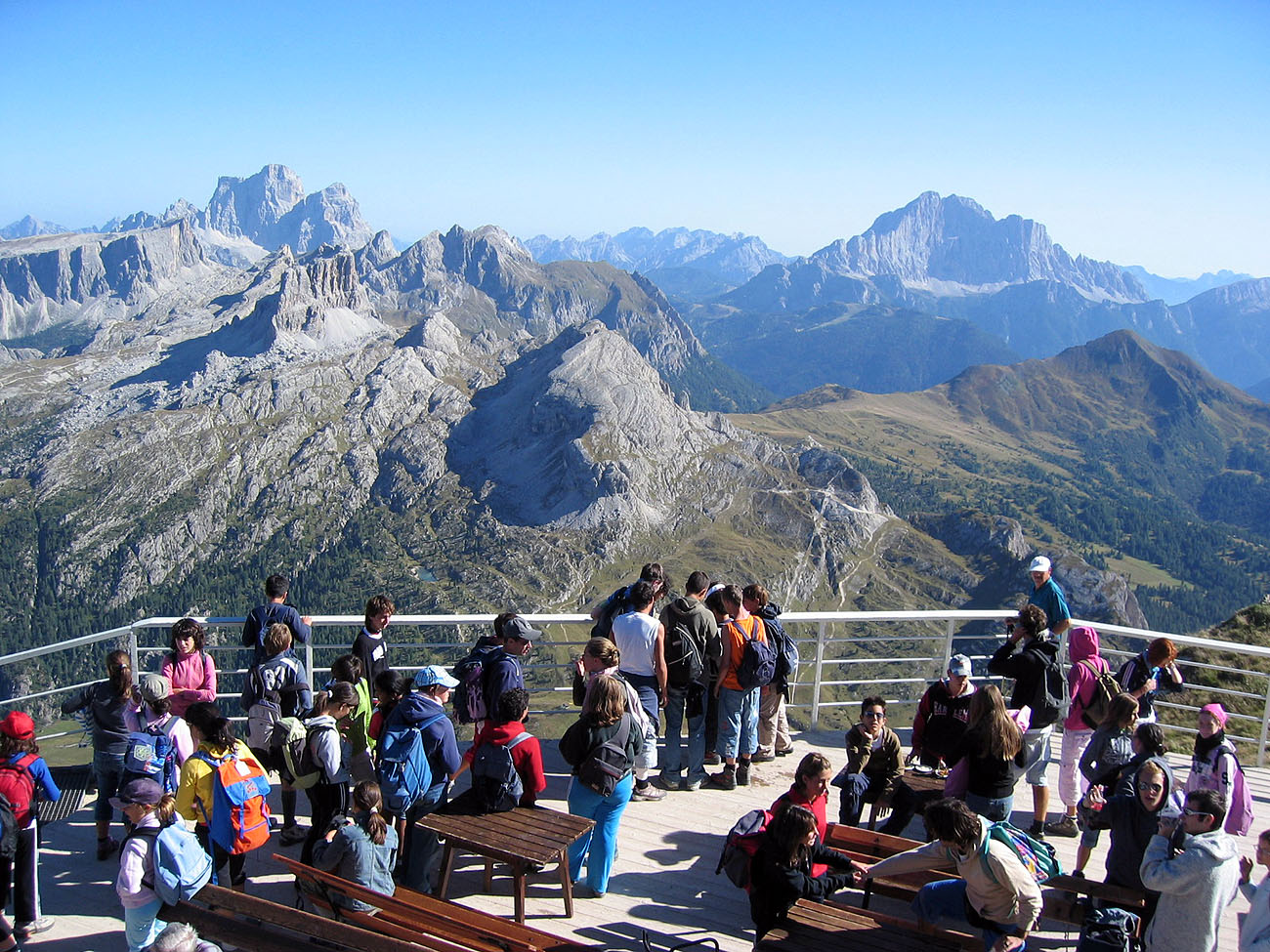
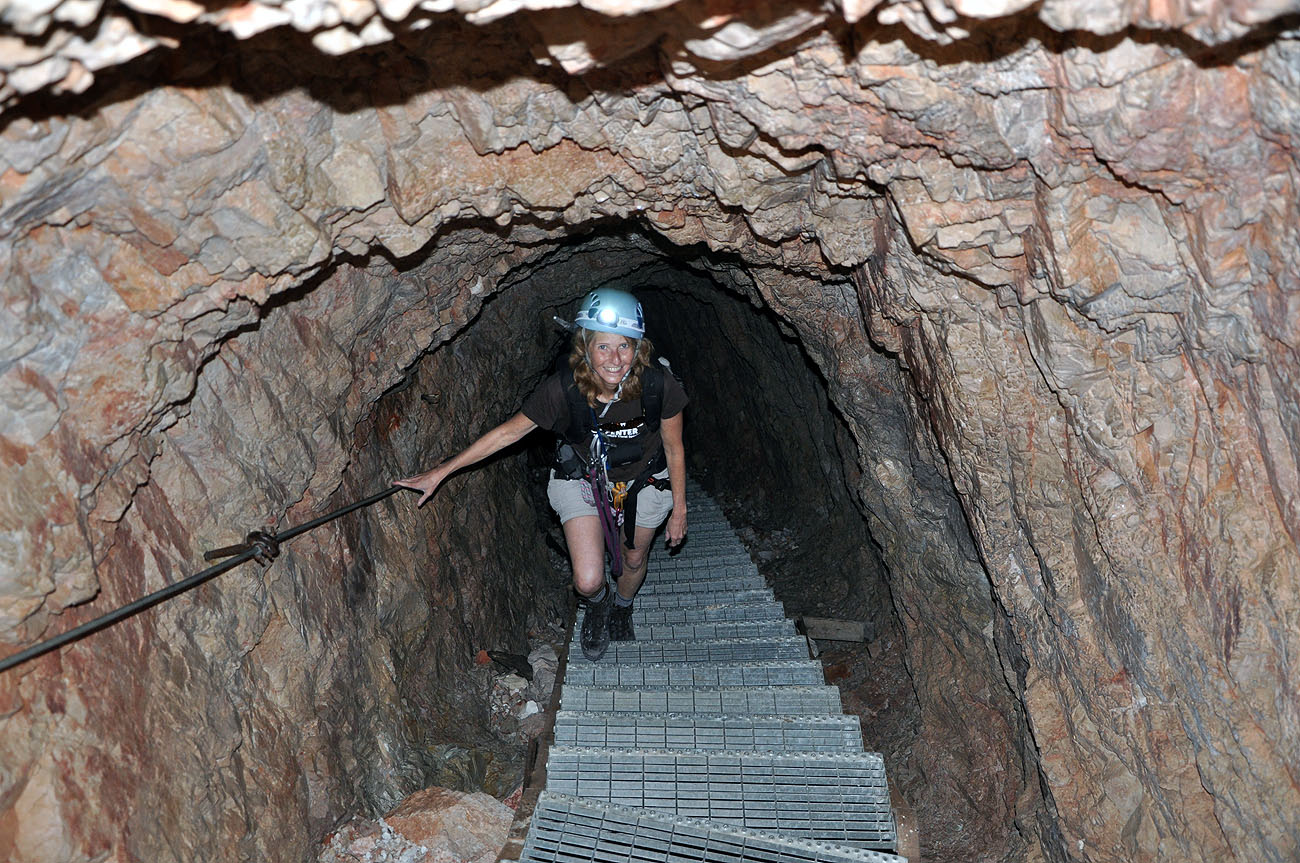
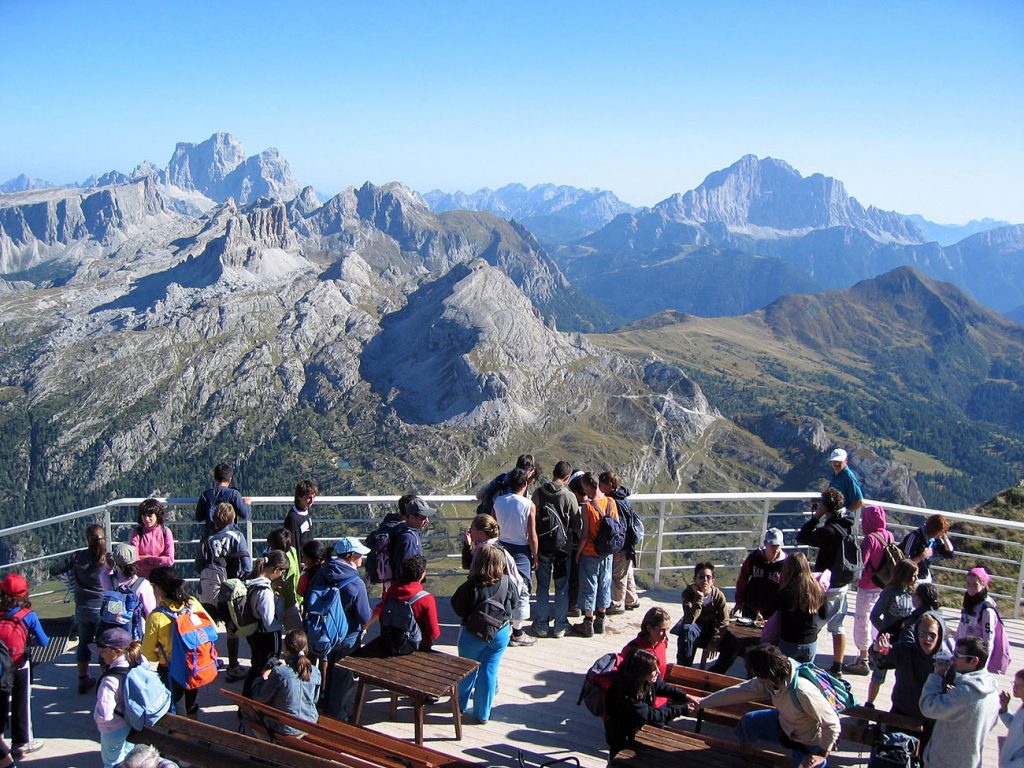
Starting out strolling through beautiful high pastures in the morning, the afternoon takes us through a steep, rocky pass and up to the top of the Lagazoui, where we will lodge in the Rifugio on the summit. Enjoy the stunning 360-degree views of the Dolomites through the big, panoramic windows during sunrise and sunset. In the afternoon, there will also be plenty of time to explore the many remnants of the old WWI positions around the summit.
Total distance / vertical: Approx. 13 km (8.2 mi) distance, 1040 meters (3400 ft) vertical climb, 350 meters ( 1150ft) vertical descent, 5 hrs walking time.
Day 3: Lagazuoi Hut to Scoiattoli Hut
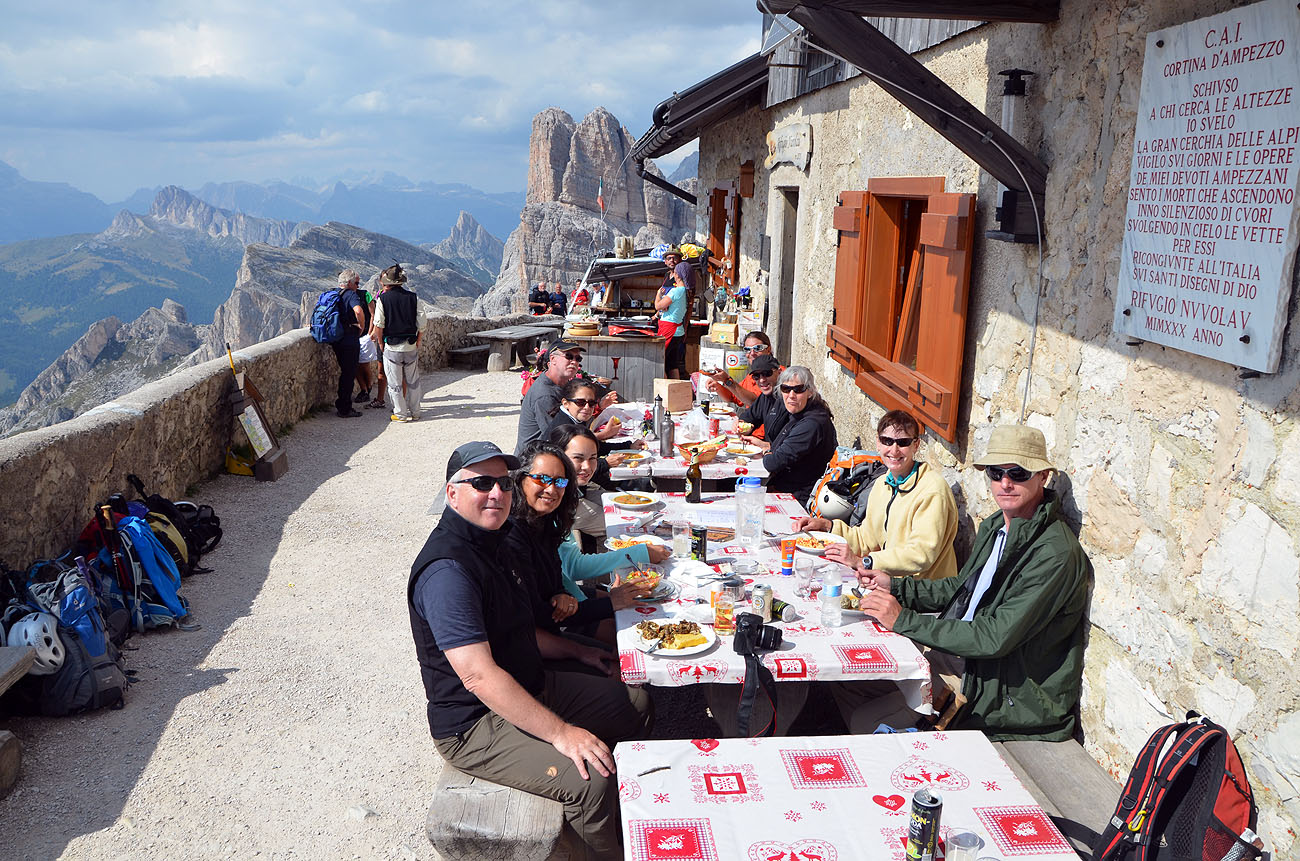
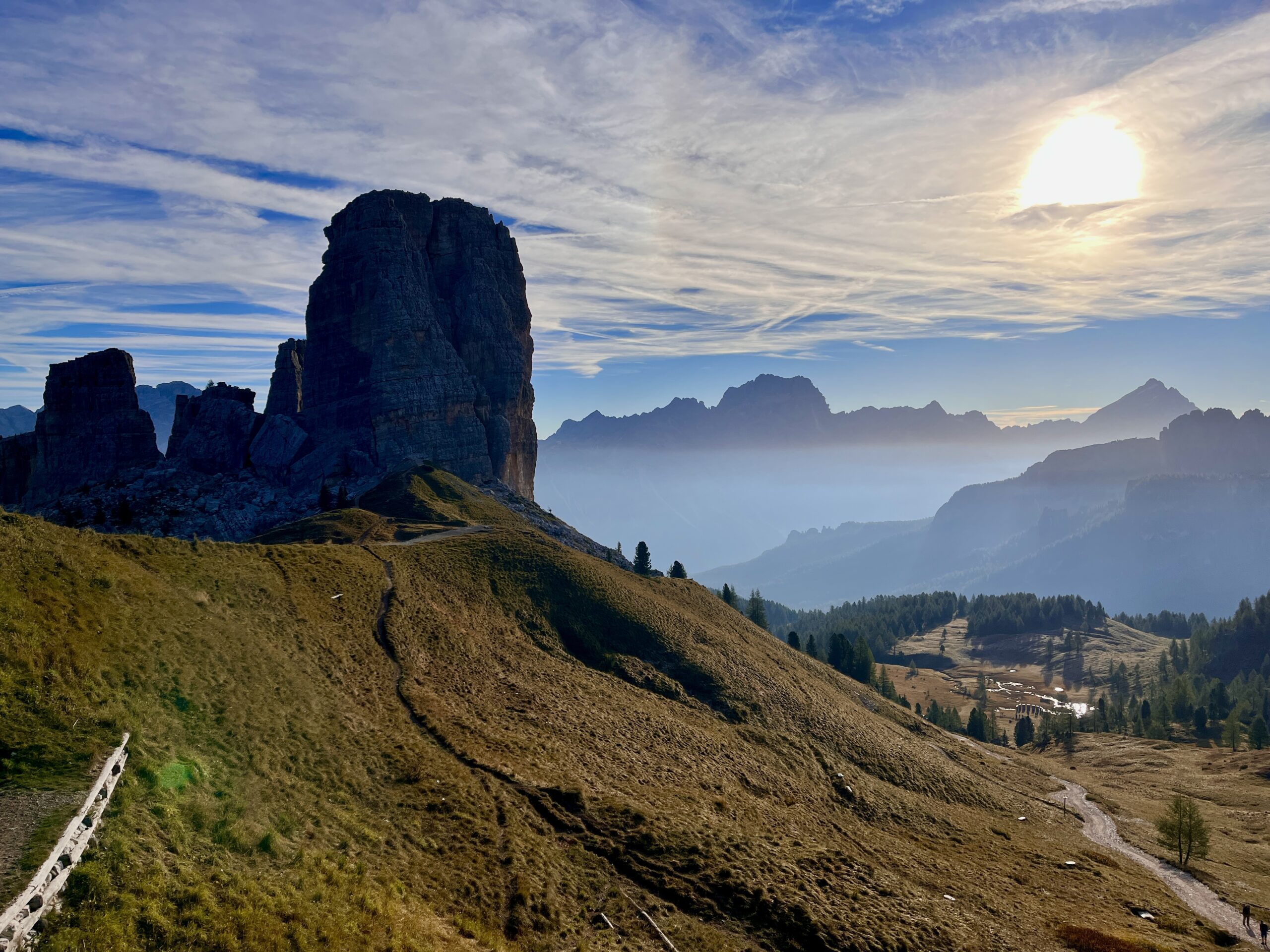
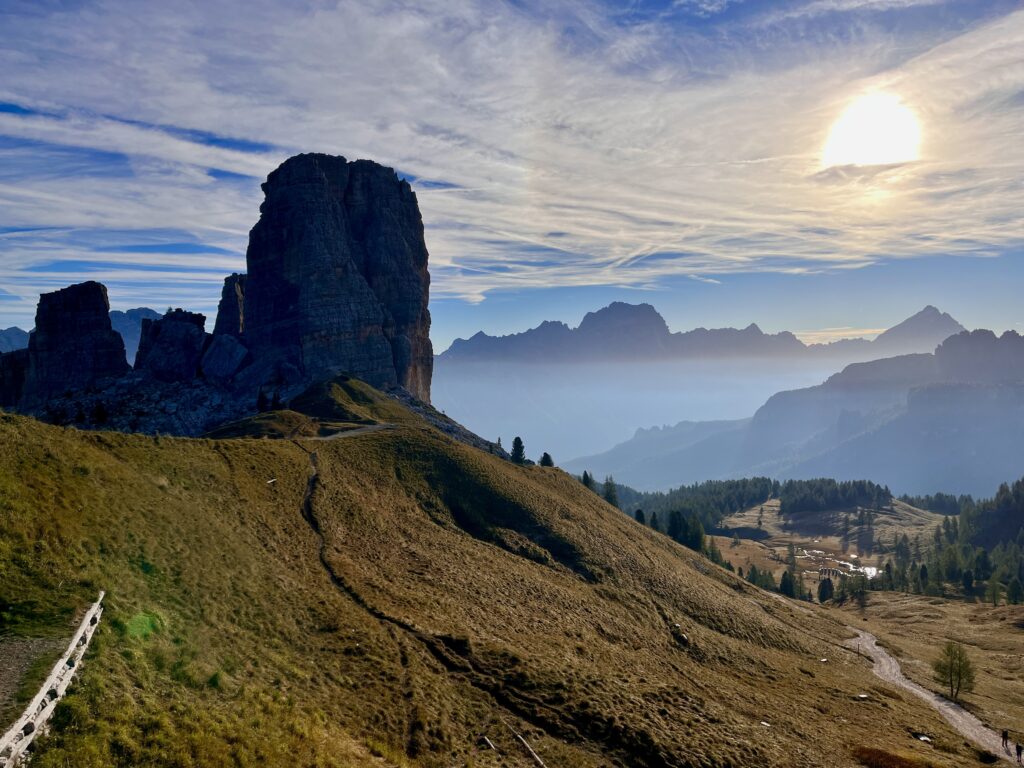
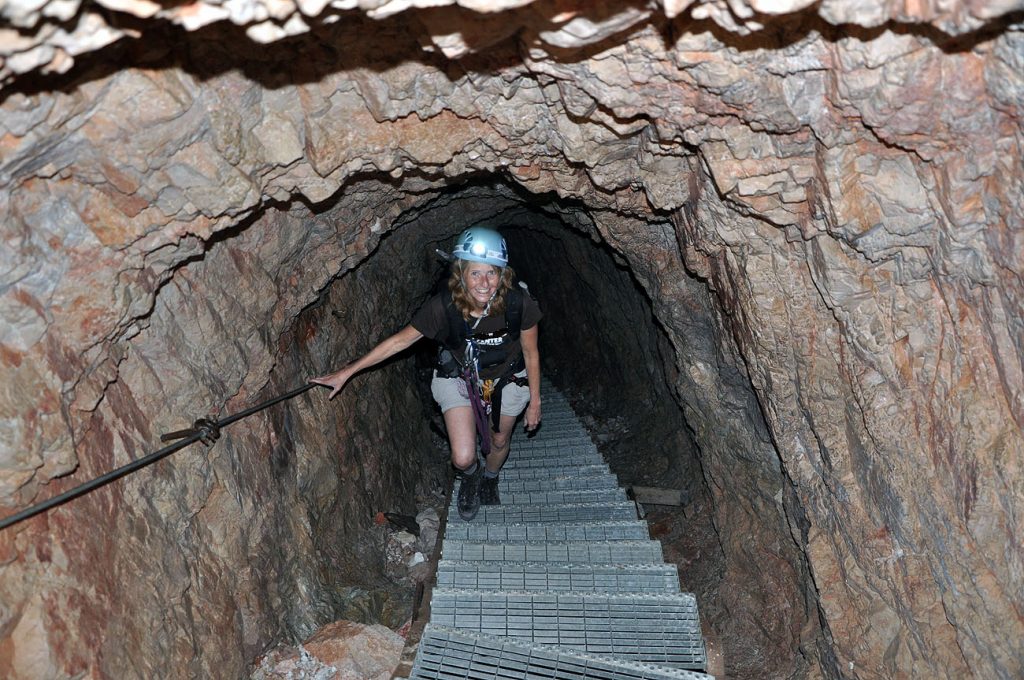
We start the day descending through a tunnel system dating back to WWI (now set up as an open-air museum) to the Falzarego Pass. From there we walk past the 5 Towers (Cinque Torri) to the spectacular Nuvolau Hut (Lunch) with great views of the high peaks of the Dolomites, such as the Pelmo, Civetta and Marmolada. We will have dinner and lodge here, on the Averau Plateau, at the Scoiattoli Hut.
Total distance / vertical: Approx. 500m = 1650 ft climb, 8.2km = 5.2mi distance, 1050m = 3450 ft descent, 5-6 hrs walking time.
Day 4: Scoiattoli Hut to Staulanza Hut
Today is one of our favorite days using a higher-level variation of the Dolomites High Route #1 with great views of the Marmolada and the impressive north face of the Monte Pelmo. The trail first traverses gentle meadows and rocky paths toward Passo Giau, one of the most scenic mountain passes on the route. From there, it undulates across ridges and alpine pastures with constant panoramas of Croda da Lago, Pelmo, and Civetta. We finish the day descending through larch forests to Rifugio Staulanza, nestled at the pass between Pelmo and Civetta, for dinner and lodging.
Total distance / vertical: Approx. 620m = 2000 ft climb, 1060 m = 3500 ft descent, 16.5 km = 10.3 mi, 6.5 hrs walking time.
Day 5: Staulanza Hut to Cortina
Leaving Rifugio Staulanza, the trail climbs steadily through forest and alpine pastures toward the base of Monte Pelmo. We traverse across open slopes with dramatic views of steep cliffs before descending into gentler valleys. The route continues through a mix of woodland and meadows, with glimpses of Civetta growing closer on the horizon. The stage concludes at Capanna Trieste, a road-accessible refuge at the foot of Civetta, where our taxi will pick us up and drive us back to Cortina for our final night of lodging.
Total distance / vertical: Approx. 870m = 1150 ft climb, 1510m = 4980 ft down and 19.4 km = 12.13 mi = 7 hrs walking time
Departure/Travel Day:
Your trip officially concludes after breakfast.
Inclusions
Included:
- 5 days of guiding & guide expenses by a multi-lingual certified mountain or hiking guide
- 2 nights lodging at a hotel in Cortina
- Luggage storage
- 4 nights multi-bed or dormitory lodging in mountain lodges or huts
- 4 dinners for the nights in mountain huts
- 6 breakfasts
- 2 taxi transfers from Cortina to the trailheads and back
- All trip organization, reservations as well as assistance with all pre- and post- trip preparations.
Not Included:
- Single hotel room supplement (€70 – €90 per night x 3)
- Airfare
- Airport shuttles (Venice airport transfer from €25 one way)
- Insurance
- 2 dinners in Cortina
- All beverages (water, alcoholic, and non-alcoholic)
- All lunches and snacks
- Gondolas/chairlifts (if applicable)
- Any additional cost due to changes in the itinerary, may they be caused by weather, mountain conditions or personal preference
Transportation
Our Cortina Dolomites trips begin in Cortina D’Ampezzo and can be most easily reached from the Venice Airport.
Public Transport: Most popular is the Cortina Express Bus which leaves at a variety of times daily in high season from Mid-June until Mid-September and then fewer services in the shoulder season starting mid-September.
Departures are either from Venice Mestre Train station or 15 minutes later from Venice Marco Polo Airport and takes around 2.15 hrs to Cortina.
We suggest arriving at Venice Marco Polo Airport before 2 pm to catch one of the 3 daily departures.
Click Here for the booking page of the Cortina Express Bus. To book your ticket with an airport pick up, enter “Venezia” (Venice airport tourist bus pick up) to “Cortina D’Ampezzo”. If you spend the night in Venice before heading to Cortina, you can take a boat to get to Piazzale Roma. From there you need to hop on a bus for about 20 min to get to the main train station in Mestre, which is where the Cortina Express Bus starts. If you are having issues with making your reservation, please email us and we can provide you with a step-by-step guide to booking this transfer.
Click Here to view the timetable for Cortina Express Bus and select the “Cortina – Treviso – Venice” link.
Another bus company option: ATVO bus
Schedules tend to run from January 1 to September 30 each year. For the Cortina Bus route, departures are available from Venice Piazzale Roma, Venice Mestre Train Station and Venice Marco Polo Airport.
Click Here for the booking page of the ATVO Bus. For the Cortina Bus route, departures are available from Venice Piazzale Roma, Venice Mestre Train Station and Venice Marco Polo Airport. To book your ticket, enter FROM: “Aeroporto Marco Polo” OR “Mestre – Stazione FF SS.” OR “Venezia – Piazzale Roma: to “Cortina D’Ampezzo”. If you are having issues with making your reservation, please email us and we can provide you with a step-by-step guide to booking this transfer.
Click Here to view the timetable for the ATVO Bus and select the “Venice – Mestre railway station – Venice Marco Polo Airport – Treviso – Cortina ” link.
If you arrive from different locations (Munich, Bozen / Bolzano) or if the Cortina Bus schedules do not work for you, we gladly assist you with arranging your public transport by other means.
Train Travel to Cortina: This option is a bit cumbersome because you have to make your way to the main train station in Venice, take the train to Calalzo (switch trains) and then get on a bus in Calalzo, which takes you to Cortina.
If you plan to travel by train to another European destination before or after your Cortina trip, then we suggest you travel by train to/from Venice Mestre train station by Italian Rail Services, and the Cortina Express Bus for transport to/from Cortina.
Private Shuttle: Alternatively we can arrange for a private shuttle from Venice Marco Polo Airport or Piazzale Roma with our preferred taxi that takes about 1.5 hrs at 280-380 Euros depending on group size (1-8 passengers). We can gladly assist you in any transport arrangements or post-trip lodging reservations.
Travel to Cortina from the north (Munich to Cortina = about 7 hrs)
For your train / bus travel from Munich airport best go to the internet page of the Deutsche Bahn https://www.bahn.com/en and enter “Munich airport” for departure and “Toblach” for destination. There are two routes available and departures are about hourly. Best pick the route via Munich Ostbahnhof – Franzensfeste – Toblach which takes 6 hrs requiring 2 changes and costing around Euro 75 (2022) when travelling second class without any discounts. Driving time in a car is 4 hrs per google maps assuming clear roads. If you want to overnight you could do so in Munich, Innsbruck or Toblach / Dobbiaco. For Munich we would recommend taking the S-Bahn (subway / regional train) into town and lodge somewhere around the downtown core close to the Isartor (Medieval City Gate). If you have extra time, a small detour for an overnight in either Brixen / Bressanone or Bozen / Bolzano are really worth while.
From Toblach, take the South Tirolian public bus service http://www.sad.it/ departing in front of the train station. Enter “Toblach Bahnhof” for departure and “Cortina D’Ampezzo” for destination. Departures are roughly every two hours taking 50 minutes for the scenic ride at a cost of Euro 5.
Cortina Hut-to-Hut Trek Private Trip Pricing
Perfect for families, friends, social groups, and more! Book a private trip and reap the benefits, including:
- Discounts for groups of groups of 6 or more
- Custom itineraries available on request
- Private rooms for smaller groups (when available)
For private groups, we can offer the following premiums or discounts on our advertised prices
2 participants: 60% premium in addition to our advertised per person price
3 participants: 40% premium in addition to our advertised per person price
4 participants: 20% premium in addition to our advertised per person price
5 participants: Our advertised per-person price
6-8 participants: 10% discount from our advertised per person price
For groups larger than 8, please contact us for a custom quote.
Custom trips are available any time from June – October, any duration > 3 days
Gear List
Dolomites Trekking – Gear List.PDF
Please download a PDF copy to use as a checklist when preparing for your trip.
Considerations
Packing for a mountain trip is a balancing act. You want your pack to be as light as possible so you can truly enjoy the trek. But you also need to have enough gear to be warm (or cool), comfortable, and well-fed and watered. When buying, renting, or borrowing gear for the trip, please keep weight, performance, and function in mind.
Legend:
Early and Late Season Trips: June and September can be considered early and late season trips – depending on residual snowpack (June) or early snow/colder temps (September)
*Optional
**Optional but recommended
Technical Gear
Bring or Rent the Following:
- Sturdy, waterproof, leather trekking boots or light mountaineering boots, ideally with high ankle support.
- Daypack (30-40 liters) with rain cover specific to the pack
- Good quality, thin, well-fitting leather gloves, preferably fingerless. Bike and belay gloves work well (for any cable-assisted sections of trail)
- Lightweight, collapsible hiking poles**
- Microspikes or yaktrax-type traction devices that fit your boots (for early and late season trips)
- Short summer gaiters (for early and late season trips)*
- Lightweight umbrella*
Lodging
Some items in this section apply only if you are lodging in 1 or more hut on your itinerary.
- Sleeping bag liner for the huts – silk is lightest (MANDATORY for HUT LODGING)
- Toiletries and small. quick-drying/ microfiber towel (towel for hut lodging)
- Cash – euros for lunches, drinks, snacks, showers, etc.
- Light hut slippers or crocs (hut lodging only)
- Ear plugs**
- Alpine Club card (hut lodging only)*
Clothing
We recommend using the ‘layering system’: Bring light, technical clothing that doesn’t take much space in your backpack and dries quickly when sweaty or wet. Layers must be put on and taken off quickly as weather conditions change during the day. There may be days when you can wear cotton, but your main clothing choices should be synthetic or wool. Merino wool is a nice material for base layers and t-shirts because it is comfortable, warm, and it does not retain odours, even after many days of use.
- Wind and waterproof shell jacket with hood (Gore-Tex or similar)
- Lightweight wind and water-resistant over pants (Gore-Tex or similar)
- Lightweight synthetic trekking pants or zip-offs
- Medium weight Primaloft jacket with hood
- Medium weight fleece sweater
- Synthetic or wool base layers – top and bottom
- Synthetic shorts and t-shirt
- Quick-drying sports bra
- 2-3 pairs of good quality trekking socks
- Warm hat that covers your ears
- Lightweight synthetic or wool gloves
- Sun hat, preferably with a wide rim
- Spare socks and underwear
- Bandana or Buff*
Other items
- Sunglasses with high UV protection
- Sunscreen and lip protection with high SPF
- Small container bug spray or cream
- One or two, one-litre water bottles
- Headlamp with new battery
- Personal first aid kit and other needs (eg. blister kit, prescription medicine, anti-inflammatory, contact lenses, prescription glasses, feminine hygiene, toilet paper, hand sanitizer etc.)
- Passport, health and travel insurance documents
- Light stuff sacs or Ziploc bags to keep your backpack organized and important items dry**
- Hiking snacks – candy bars, dried fruit, nuts, etc.**
- Cellphone with charging cable*
- Adaptor for European charging system*
- Portable powerbank*
- Pocket knife*
- Camera, spare batteries*
- Maps, GPS, altimeter watch*
Climate, Weather, Temperatures and the Best Time to visit the Dolomites
The Dolomites, being on the “sunny side of the Alps” are usually blessed with favourable weather. However, as anywhere in the mountains, there is also a chance to see some snow, if a storm hits. This is rare in July and August but can happen in June and September. Daytime temperatures can range from -5C (23F) to 25C (77F). Likelihood of temperatures and precipitation for each month are described on this helpful weather graph for the Dolomites, which averages the past 30 years
The huts in the Cortina area of the Dolomites tend to be open from June 15 – September 25 with some huts being open from June 1 – around October 10. The busiest times are from Mid-July through the end of August with the period around August 5 – 25 being Italy’s busy vacation time.
Do I need to sign a Release of Liability & Assumption of Risk Agreement (liability waiver)?
Yes, you do. Mountaineering, skiing, climbing, hiking, via ferrata and all other wilderness and adventure travel activities are inherently risky with potential for injuries or even death.
It is very important to us that you are aware of those risks before you start the booking process, which includes filling out a booking form and paying a deposit.
With signing the liability waiver, you confirm that you understand the potential risks and hazards, and are willing to accept the risks, which includes giving up legal rights you may have.
This would also be the time to ask questions or address concerns before you book.
For your reference here is a link to our Liability Waiver. Our booking terms & cancellation policy with more details can be found here
Medical & Evacuation / Trip Cancellation Insurance
We understand that occasionally things come up that prevent our guests from joining us. It is therefore important that you familiarize yourself with our Cancellation Policy.
Medical evacuation insurance is mandatory for participation in all OnTop Mountaineering (OnTop ltd) Trips.
Common policies sold by travel agents or policies included in your credit card contract tend to exclude adventure travel, including trekking above 2000m, mountaineering, roped travel, ski & snowboard, ski mountaineering etc. if you read through the fine print. For adventure travel policy recommendations see our website: OnTop travel insurance recommendations. You may get the best coverage if you book travel insurance policies within 14 days of paying your trip deposit.
You may also want to consider additional insurance coverage like CFAR or trip cancellation policies.
Trip Information Letter
You will receive your Trip Information Letter at least 30 days before your trip starts. This will include your trip details such as itinerary, guide contact information, meeting time, taxi transfers, lodging reservations, gear list etc. *contents of the trip letter will vary depending on trip booked and add-ons.
Cancellation Policy
Please review our cancellation policy before committing to a trip.
FAQ
Do I need to sign a Release of Liability & Assumption of Risk Agreement (a.ka. liability waiver)?
Yes, you do. Mountaineering, skiing, climbing, hiking, via ferrata and all other wilderness and adventure travel activities are inherently risky with potential for injuries or even death.
It is very important to us that you are aware of those risks before you start the booking process, which includes filling out a booking form and paying a deposit.
With signing the liability waiver, you confirm that you understand the potential risks and hazards, and are willing to accept the risks, which includes giving up legal rights you may have.
This would also be the time to ask questions or address concerns before you book.
For your reference here is a link to our Liability Waiver. Our booking terms & cancellation policy with more details can be found here
Trip Related Questions:
What are the Huts like? Double Rooms? Showers? Food Choices?
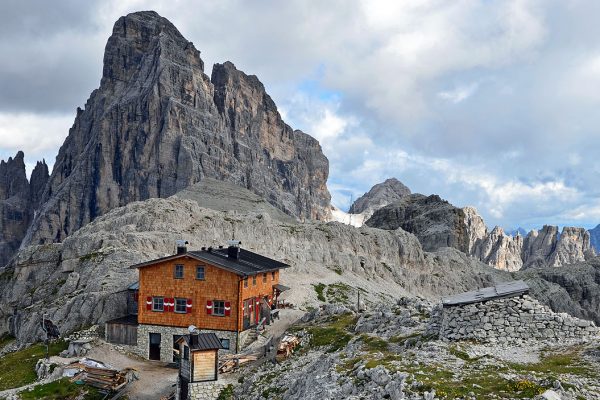
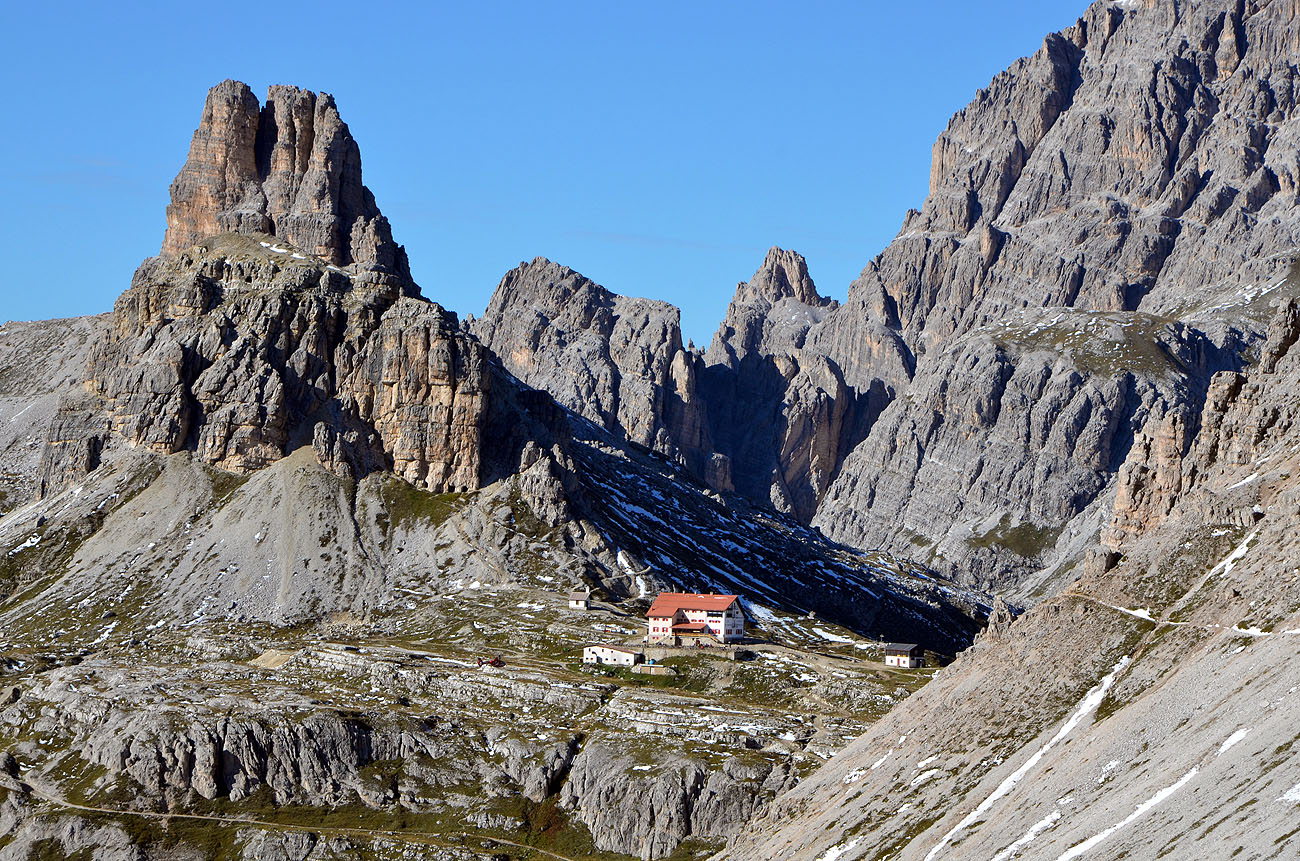
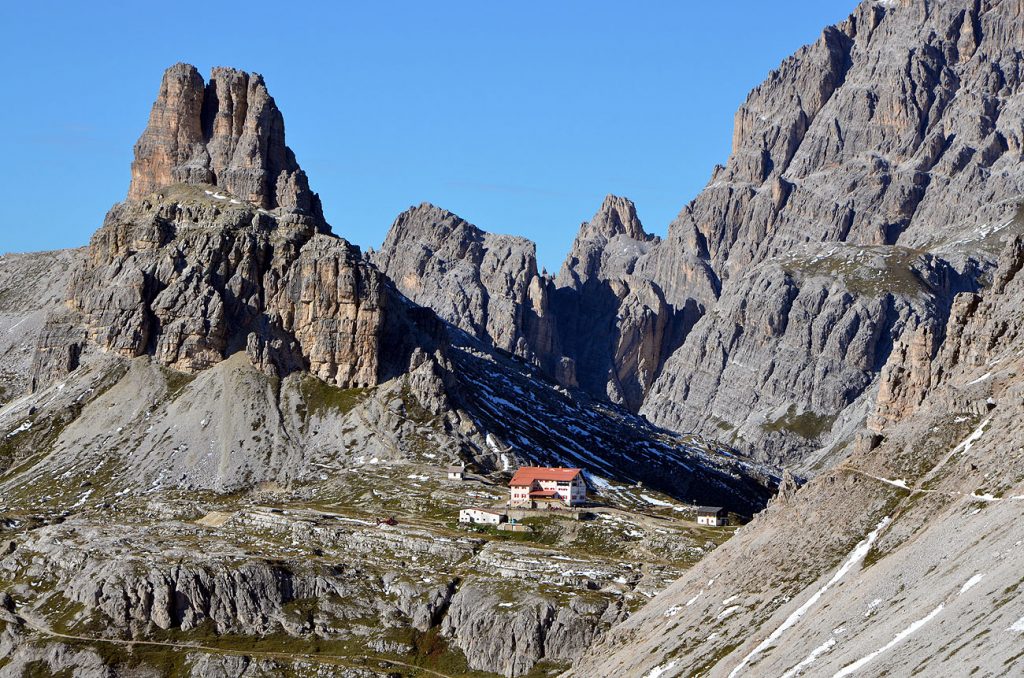
The standard of the huts in the Dolomites differ hugely. While some of the huts that we are using for this trek are rather like mountain lodges that offer double or 4 bed rooms and showers in the hall (Lavarella, Lagazuoi, Drei Zinnen) others have only cold running water and bunk bed sleeping in rooms with up to 10 fellow sleepers (Fonda Savio, Buellelejoch). Smaller rooms are in short supply and cannot be guaranteed for every trip or guest. Huts supply pillows, duvets or wool blankets.The food is always delicious and plentiful with lots of choices. Special diets can usually be accommodated.
Can I buy boots / backpacks and other equipment in Cortina?
There are a few sport stores within close walking distance from the Hotel, namely the K2 Sport store and the Cooperativa. The latter is the large department store on the right side shortly after you enter the pedestrian mall. Their sporting department is upstairs and the often have the best deals!
Is there a luggage transport between huts? How much do we have to carry?
All huts and mountain lodges used for this trek are remotely located high in the mountains and away from paved roads. While a luggage transfer can be organized on a custom basis, it is costly and not customary. Instead most people travel lightly and only carry spare underwear & socks, light hut slippers and a few personal hygiene items beyond of what one would usually carry on a day trip. A 25 – 35 liter backpack should be sufficient weighing about 5 kg plus your daily supply of fluids. Don’t forget that the trip is divided into two legs of three days each – hence there is a chance to replenish with fresh clothing mid-trip.
You can also store luggage at your Cortina hotel whilst on trek.
Knowing that we are going hut to hut and carrying a lighter load, what is your recommendations on boots or trekking shoes?\
If the weather is nice, we often wear approach shoes (low ankle hiking shoes with a vibram sole with good tread). You are sacrificing a bit of ankle support that a regular high ankle hiking boot would give you, especially in the gravelly sections, which there are a few. It’s also not so great in snow and if the trails are muddy. What we wouldn’t bring are trail running shoes (too flimsy, not enough tread, not enough water resistant) and stiff hiking boots (too cumbersome for walking and on the ferratas). But like any place in the mountains it can snow any day and any time of the year and if so, you may be happy for ankle high hiking boots?…sorry to have to give the “it depends” answer.
Should I take hiking poles?
We recommend using only one collapsible pole if any. On the via ferrata trails you can’t use them anyways and they can get in the way if they stick out too high from the backpack. Hiking poles can be rented or bought at the various sport shops in town.
Will I be able to access a cell network or Wi-Fi?
Internet access is available in Cortina at our hotel and many bars/cafes. Currently, the huts have no Wi-Fi, most people rely on the cell service, which is can be a bit spotty in most hut locations. Make sure to inquire with your cell phone provider as to your roaming capabilities in Europe
Lunch is not included in the trip price. How is lunch handled during the Hut trek?
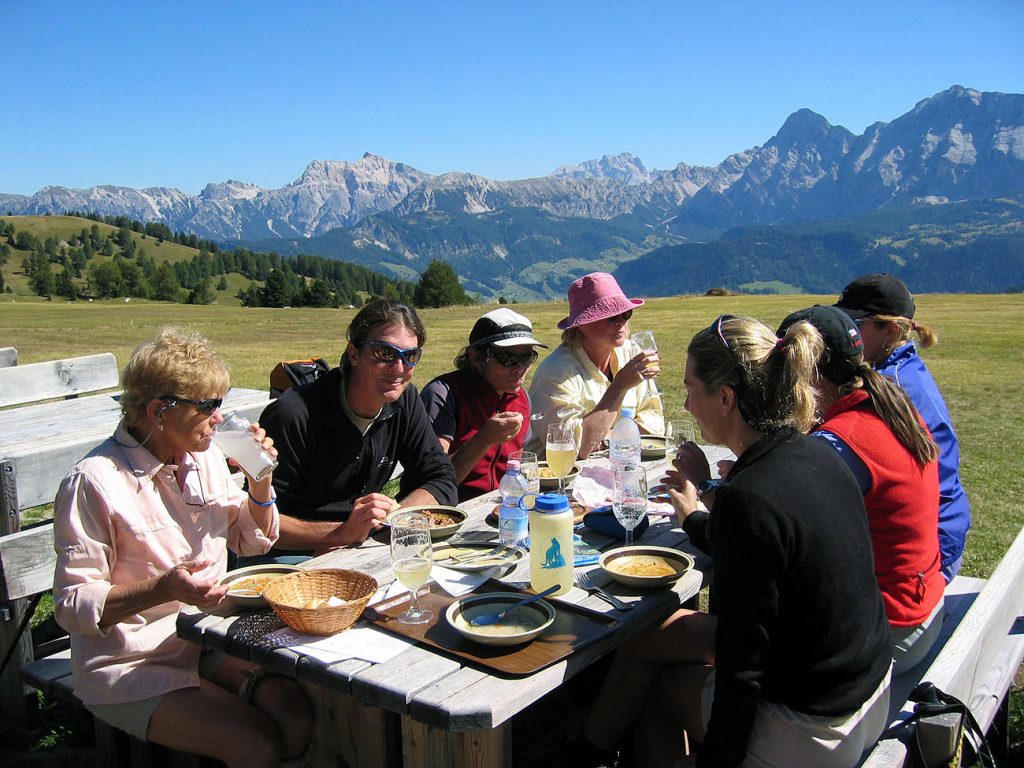
The lunch options depend on the day and preferences. Some days will see us passing by a hut close to lunch time giving us an option to stop and do a sit-down lunch. Most days we will bring pic-nic supplies, which gives us more flexibility, especially in high season when lots of huts are super-busy during lunch time. The pic-nic supplies can be bought in town and / or at the huts where we spend the night. Often the huts offer a lunch bag with sandwich, fruit, chocolate etc. if you order it the evening before. Most of our guests start off from town with a supply of snacks (granola bars, nuts, fruit, etc), breads, local cheese and dried meats (salami, speck) and supplement in the huts if need be.
Is drinking water available at huts or creeks in the Dolomites?
Generally all guarded huts in the Dolomites have running water. In a very few huts, it is labelled as “not potable” which is not because the water is contaminated but rather because it is not guaranteed that it is potable. For example at the Fonda Savio Hut the water is collected from surface water from a small glacier and the location of water collection changes over the summer and has to be adjusted at times. Most people drink the water at the huts with no problems. If you are uncomfortable with this, take tablets, water filters, water sterilizers, or purchase bottled water directly at the huts. A liter of mineral water costs around 3-4 euros.
Creek water in the Dolomites is usually potable and so far nobody that we know of ever had any problems. That being said, it is nice to drink from creeks that have a good flow and are originating in high regions that have no source of contamination (i.e. no grazing cows etc). We don’t recommend to drink from lakes in the Dolomites.
What are my options if I’d like to do Via Ferrata earlier or later in the season than the trip dates are offered in the Dolomites?
The better venue for early season is the area around the Garda Lake / Lago di Garda. It’s an awesome mix of lake country with a very steep limestone relief of almost 7000 feet and a base elevation of 300 ft = pleasant temps in May and no residual snow coverage.
Where can I do my laundry in Cortina?
Laundry service is available in Cortina at: http://cortina.lavapiu.it/it/contatti.php however its a bit out of town—probably 10 minutes by car. You may be best off to bring a little container of liquid detergent (in a Nalgene or similar) and do a quick sink wash of your stuff and hang it to dry.
Do Huts & restaurants in Cortina, Misurina & Venice take major credit cards?
The most widely accepted credit card is Visa or MC. Many places do not accept Discover or Amex. Cash is king there! I would recommend pulling cash out of an ATM for smaller meals and purchases.
Most huts prefer cash but they can run credit cards for larger bills. Best to charge everything to your account/room and pay the evening before.
Will I need crampons in early season with residual snow in the Dolomites?
If you have YakTraks that is not a bad idea, especially in early season in years with a lot of residual snowpack and in the fall, when precipitation falls as snow in the higher elevations of the Dolomites already. Crampons (10 or 12 points) may be a bit much and a pain to carry.
Get to Know the Beautiful Resort Town of Cortina D’Ampezzo
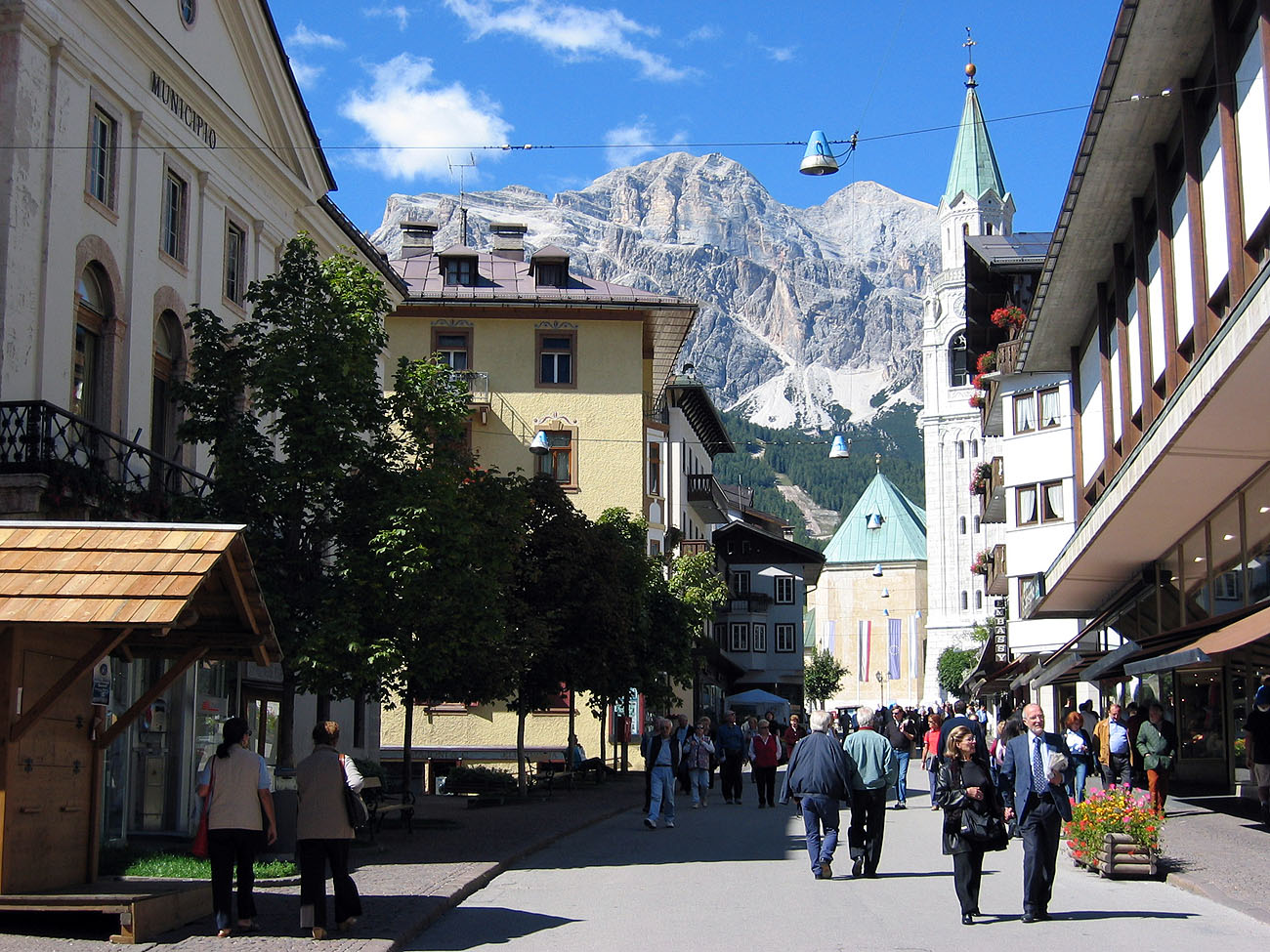
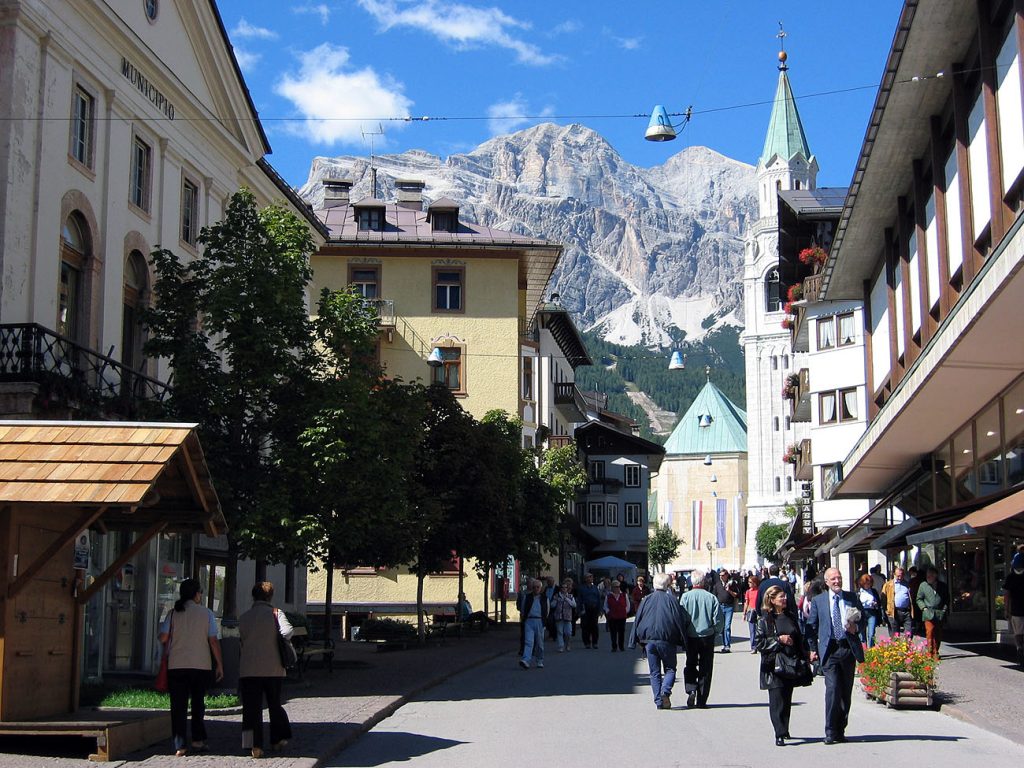
Just 2 hours north of Venice, Cortina D’Ampezzo is the perfect mountain escape for international travellers drawn to the beauty of the Dolomites, a UNESCO World Heritage site. Cortina has been a mecca for outdoor enthusiasts since the 1930s. Its popularity grew in 1956 as a ski destination when it hosted the first Italian Winter Olympic Games. Summer popularity has grown over the years as sports like rock climbing, via ferrata, and hut-to-hut trekking became more mainstream. Boasting stunning valleys, hundreds of kilometres of hiking trails, 30 via ferrata routes, downhill biking trails, and some of the best ski resorts in Europe, Cortina continues to draw adventure-seekers from around the world.
What is the Shopping like in Cortina and the Dolomites?
You will find a wide variety of shopping in Cortina – from a multi-floor department store to luxury clothing stores. The most popular shopping area in Cortina d’Ampezzo is the Corso Italia pedestrian way. Here one can find souvenirs, popular fashion and clothing brands, designer boutiques, sports equipment, jewelry, antiques, art. Local artists and businesses also have shops downtown and are known for their “made in Italy” products. Sports Equipment Rental Shops are also found in the pedestrian area and rent hardgoods like hiking poles, rock climbing gear, and bikes.
Italian “Riposo”. What is it? Why do Shops and Restaurants Close in the Afternoon?
In Italy, you will come to find that many shops, grocery stores/supermarkets, and restaurants close for a few hours in the afternoon. This is called the “riposo” or in English, simply “rest”. It is an integral part of Italian culture that typically sees Italians taking a 1.5 – 2 hour rest break after lunch. It is a cherished part of the day where Italians nap, rest, spent time with loved ones, avoid the heat during the hottest hours of the day, etc. Between 12:30 pm and 4 pm is when you will commonly see shops, and restaurants shut down so plan ahead!
Trip Details
Arrival Day
The day before the trek begins, you will arrive in Cortina D’Ampezzo to check into our preferred Hotel. We suggest arriving in the afternoon to leave yourself time to pack a lunch for the following day and have a leisurely dinner before getting a good night’s rest. There are no group obligations on this day.
Meeting Point
Meet your guide on the first hiking day at 8:00 AM at our Hotel in Cortina (lodging and breakfast included in trip price) for a trip briefing followed by a taxi ride to the first trailhead.
Climate, Weather, Temperatures and the Best Time to visit the Dolomites
The Dolomites, being on the “sunny side of the Alps” are usually blessed with favourable weather. However, as anywhere in the mountains, there is also a chance to see some snow, if a storm hits. This is rare in July and August but can happen in June and September. Daytime temperatures can range from -5C (23F) to 25C (77F). Likelihood of temperatures and precipitation for each month are described on this helpful weather graph for the Dolomites, which averages the past 30 years
The huts in the Cortina area of the Dolomites tend to be open from June 15 – September 25 with some huts being open from June 1 – around October 10. The busiest times are from Mid-July through the end of August with the period around August 5 – 25 being Italy’s busy vacation time.
Lodging at the huts
- The huts are heated and provide sheets and comforters or wool blankets – however, in some of the huts the sheets/blankets are not changed between each client stay, so it is mandatory to bring a sleeping bag liner. The lightest models available are made of silk and weigh around 100 grams (1/2 pound).
- The Huts included along our route vary in size from very large to small and rustic depending on their location – all are built in magnificent settings. Some of the huts only offer coed, multi-bed bunk rooms for 10 to 14 trekkers (when fully occupied).
- When lodging in dorm rooms/ non-private rooms, you will be sleeping with your fellow trekkers and most likely other trekkers as well. If you are a sensitive sleeper, we highly recommend ear plugs, an eye mask, and perhaps a sleep aid.
Breakfasts and Dinners at the Huts
- Breakfasts typically consist of tea/coffee, bread, jams, cold cuts or ham, cheese, muesli, cereal with milk or yoghurt. More remote huts may have smaller breakfast offerings. If you have your preferred cereal for breakfast, granola bar or power snack, you should probably bring it along from home, as it might not be available in the small food stores in Italian mountain villages or at the huts.
- Dinners are usually between 3- 4 courses (“mezza pensione”) which consist mostly of pasta or soup, a meat entree and dessert and/or cheese.
Lunches
Lunches are not included in our trip packages. We recommend packing a lunch for the first day of trekking. Packed lunches are available at each hut and must be ordered the night before. If you have a guide, please discuss as a group what the next day’s lunch plans are as some group may opt to dine-in at a hut along the way.
Luggage Storage and Transfers
You can use the hotel luggage storage facilities at your own risk. Neither OnTop nor the hotel accepts any responsibility for loss of or damage to the luggage or the contents (including any valuables, even if we have been advised) during storage, the disposal process or any luggage transfers that may be part of your trip package. That being said, we have never had any issues with lost luggage during storage or transfer.
Medical/Rescue and Trip Cancellation Insurance
We strongly recommend the purchase of a travel insurance package that does cover adventure travel. Common policies sold by travel agents or policies included in your credit card contract tend to exclude “mountaineering” if you read through the fine print. We recommend an adventure travel policy on our website at http://ontopmountaineering.com/travel-insurance/ which our clients had good experiences with in the past. *NEW: we now recommend including covid-19/pandemic coverage with your insurance policy.
Can I Do It?
This is a non-technical trail hike, which requires up to 6 hrs (up to 6 miles, maximum of 2500 ft vertical) of hiking on some of the days (up to 8 hrs a day including optional peak ascents and side trips). On some days we reach our hut or lodge by early afternoon and guests have the option between a peak ascent or relaxing with a good book in the afternoon or if in Cortina, stroll along the main street shops.
Day 3 of the itinerary includes exploring the WW1 Tunnels at Lagazuoi. These tunnels are narrow in places and may not be suitable for participants with claustrophobia.
2026 SCHEDULED DEPARTURES
6 Nights, 5 Days Trekking
June 14 – 20
June 21 – 27
June 28 – July 4
July 1 – July 7
July 5 – 11
July 12 – 18
July 20 – 26
July 26 – Aug 1
Aug 2 – 8
Aug 9 – 15
Aug 16 – 22
Aug 23 – 29
Aug 30 – Sept 5
Sept 6 – 12
Sep 13 – 19
Sept 20 – 26
CUSTOM TRIP DEPARTURES
Custom trips at any time from early June to end of September!
Shorter trips are possible at pro-rated pricing
For details click “Custom Trips” Tab
GROUP TRIP SIZE
3-8 Clients: 1 Guide
TRIP INCLUSIONS
- 5 days of guiding & guide expenses by a multi-lingual certified mountain or hiking guide
- 2 nights lodging at a hotel in Cortina
- Luggage storage
- 4 nights multi-bed or dormitory lodging in mountain lodges or huts
- 4 dinners for the nights in mountain huts
- 6 breakfasts
- 2 taxi transfers from Cortina to the trailheads and back
- All trip organization, reservations as well as assistance with all pre- and post- trip preparations.
For a full list of services included, not included, and add-ons, please select our “Trip Inclusions” Tab.