




Youth Backpacking Camps – Canadian Rockies
Canada / Alberta / Canadian Rockies
Rockies Front Range and Yoho and Kootenay National Parks
5 Day Trek with 4 Nights Remote Camping
Adventure in the Rockies’ Backcountry: Skills, Exploration, Friends and lots of Fun
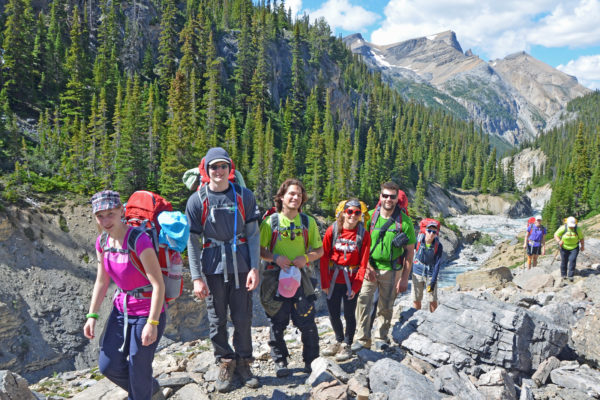
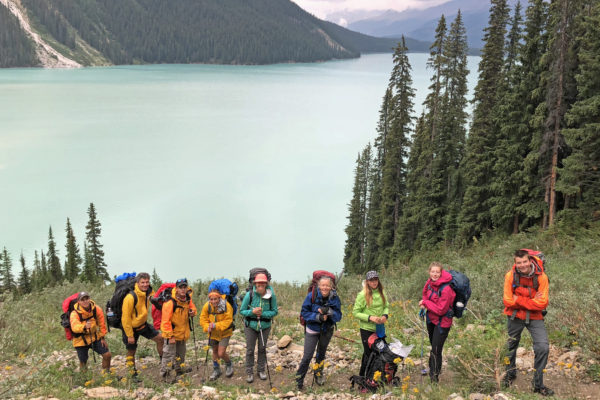
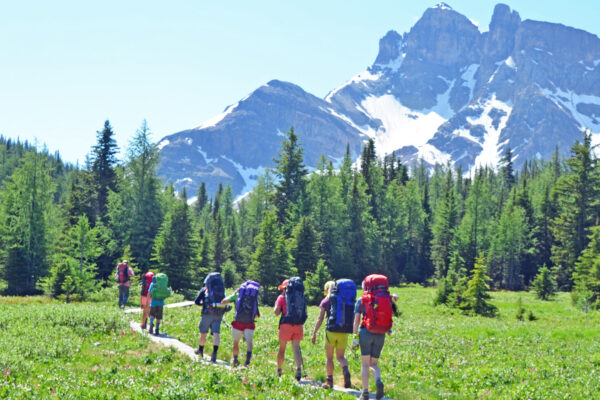
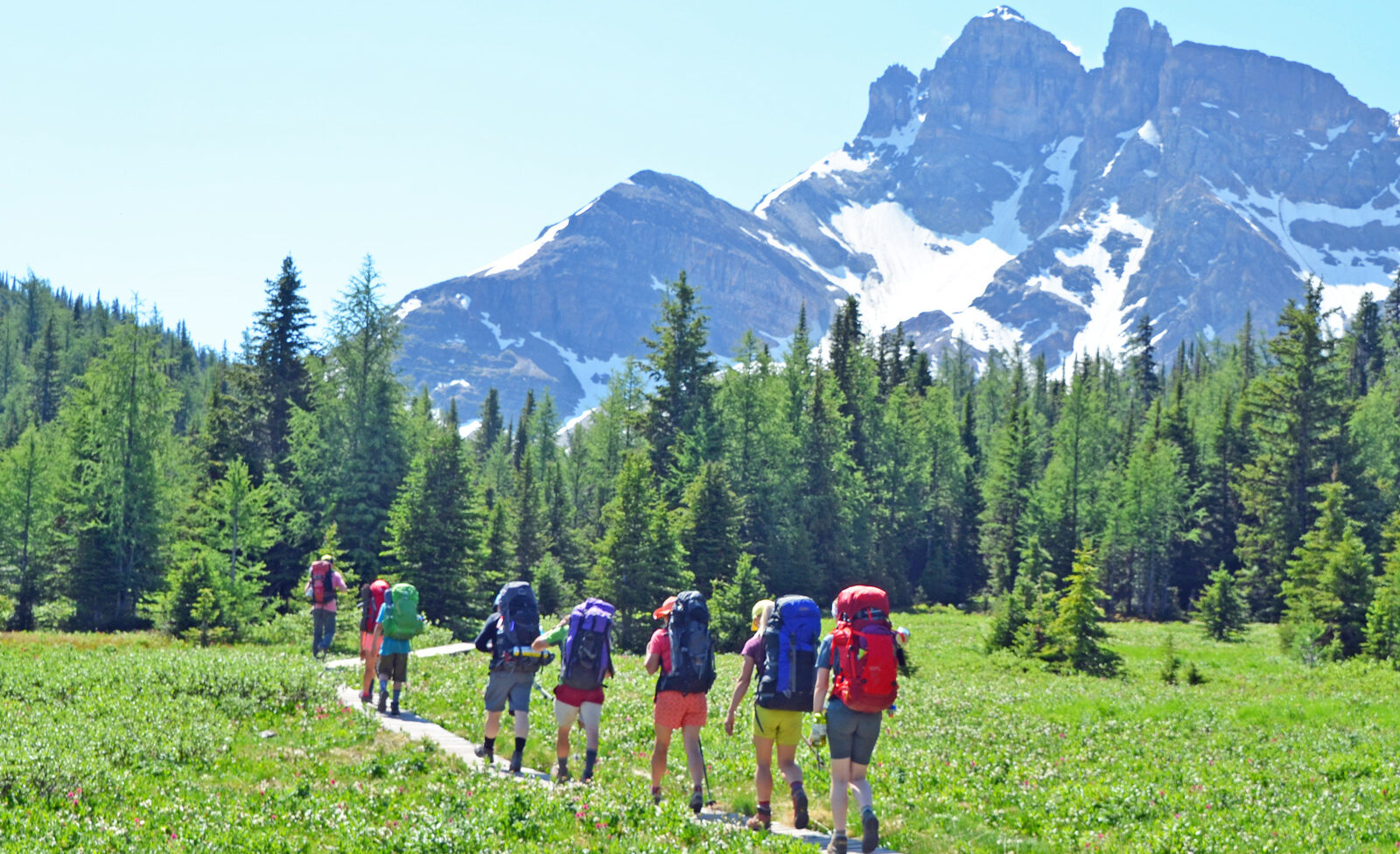
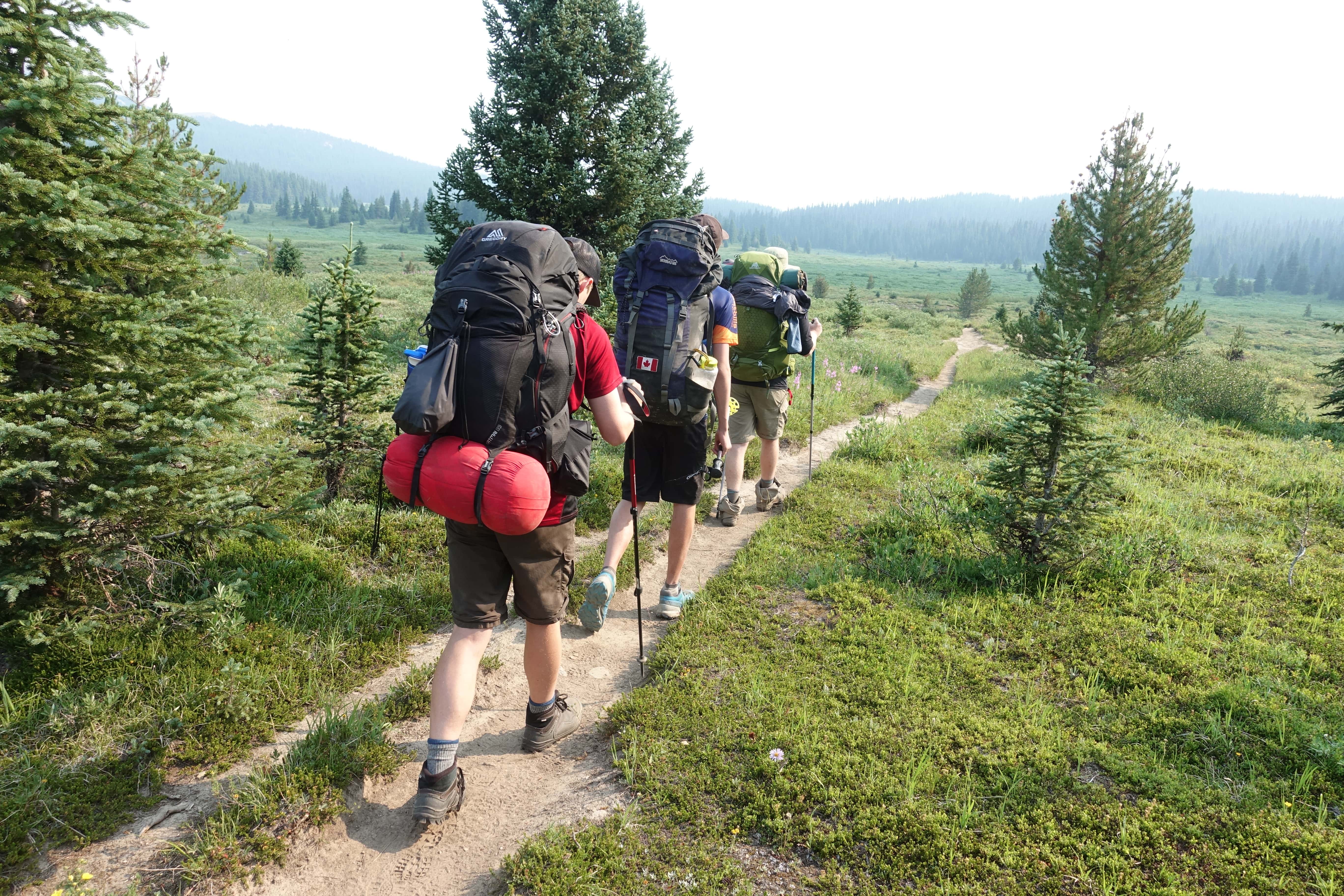
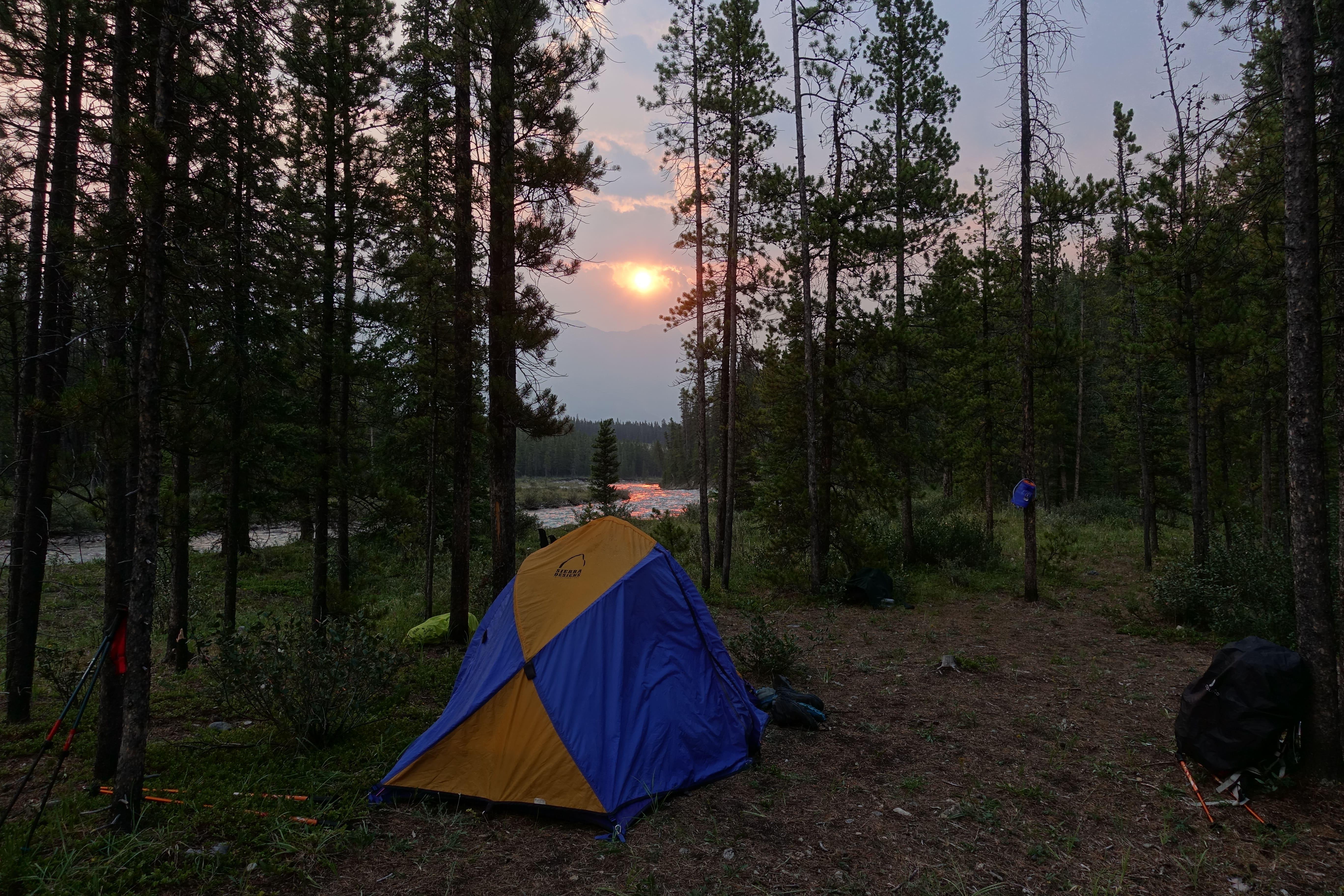
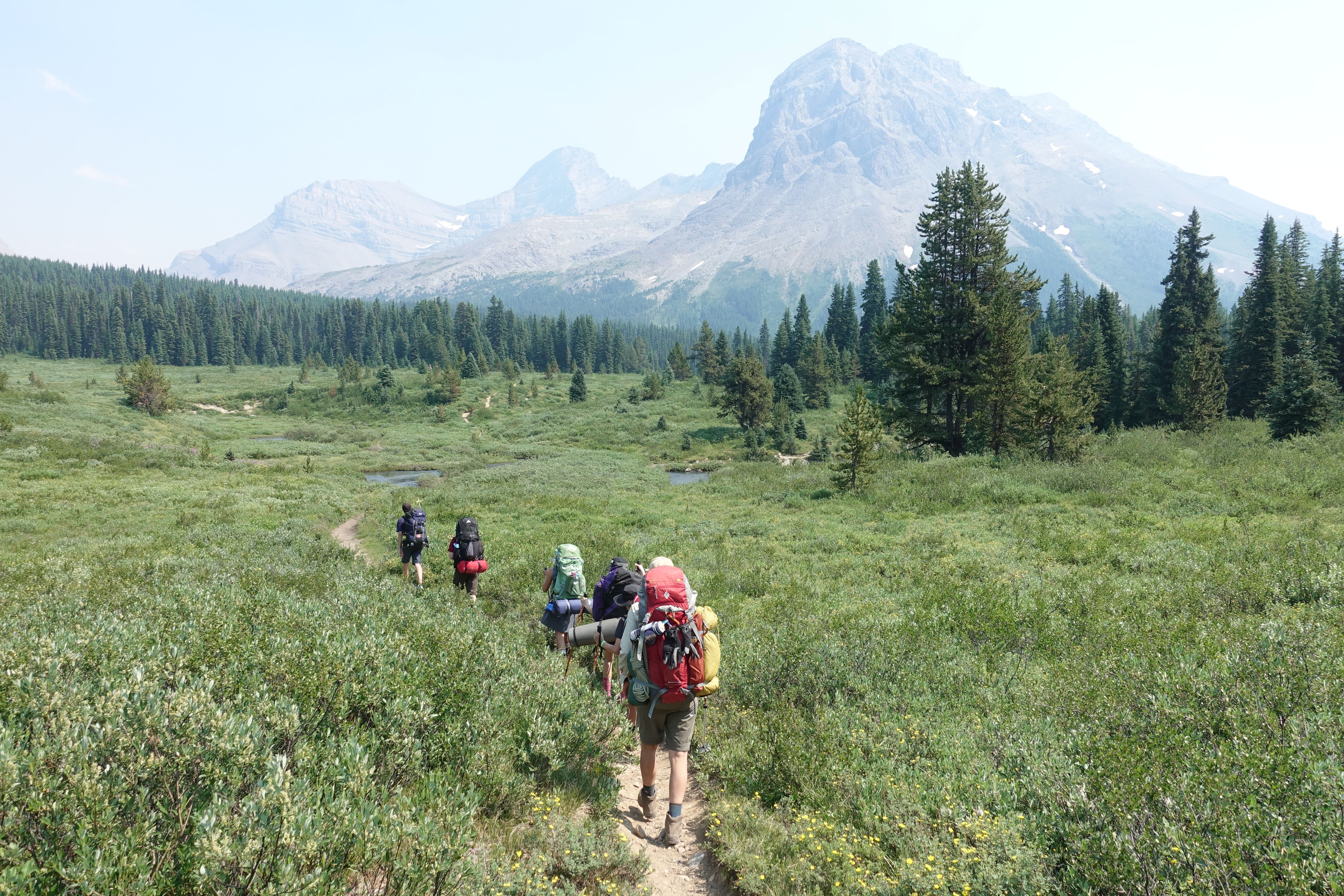
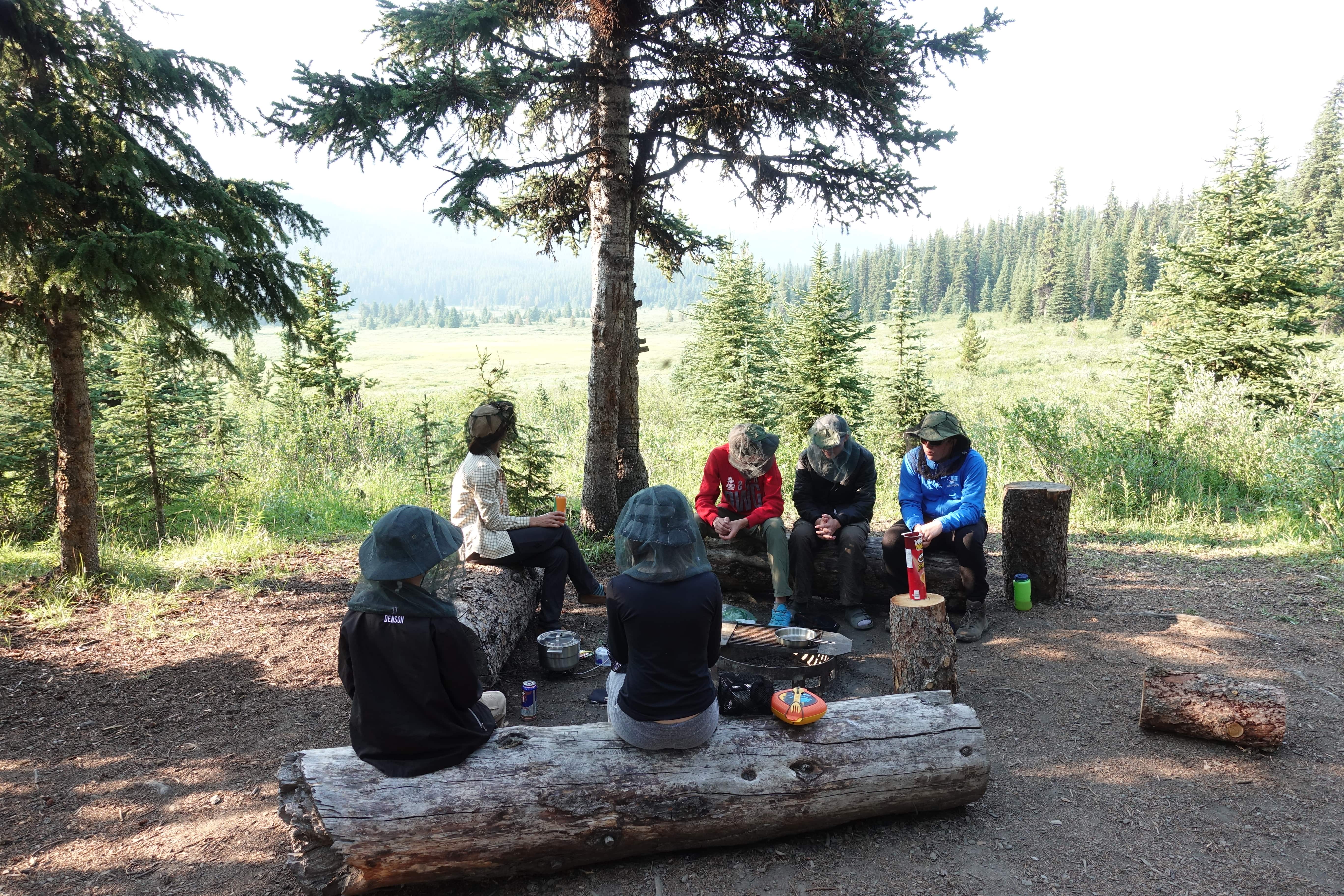
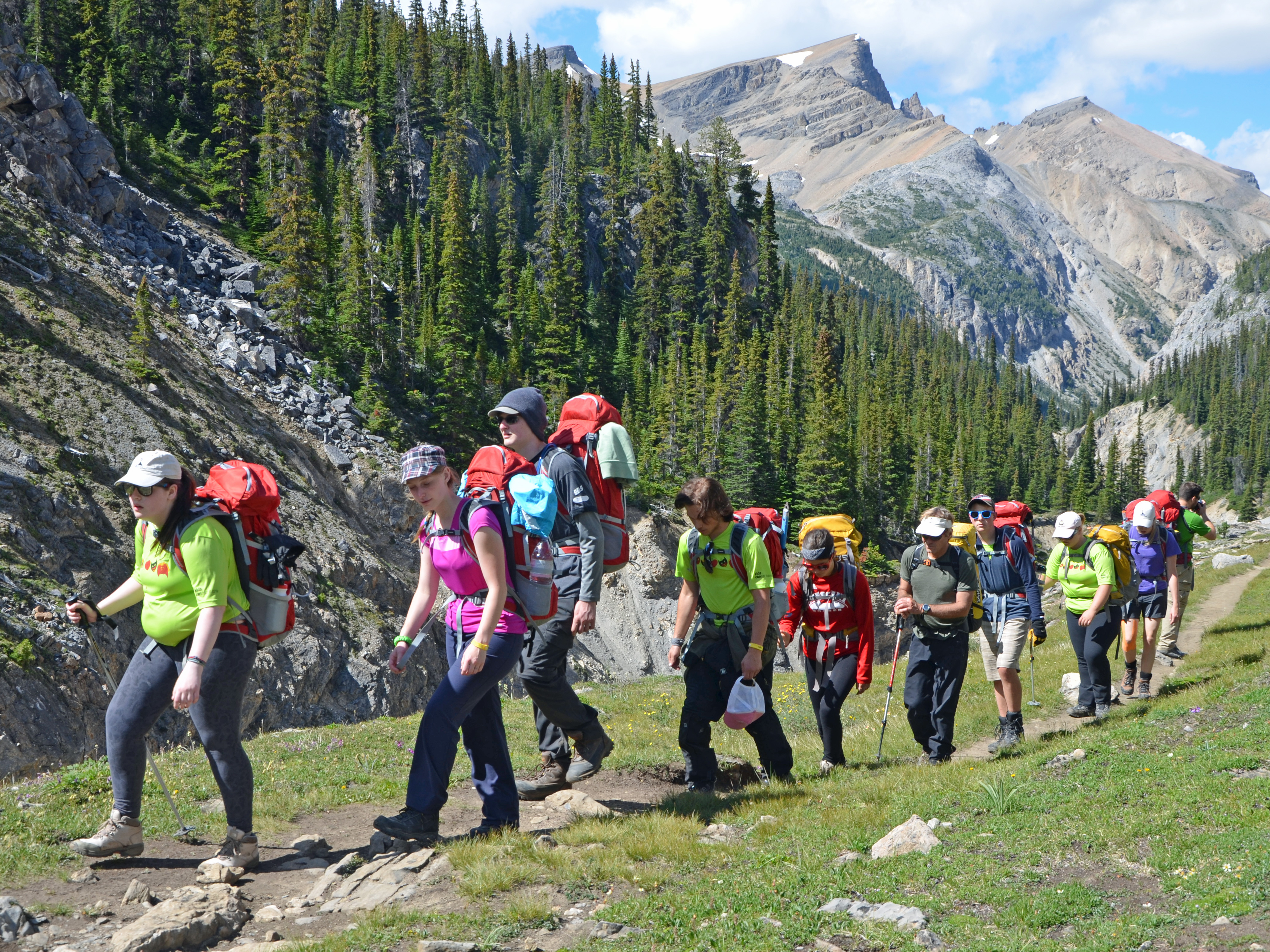
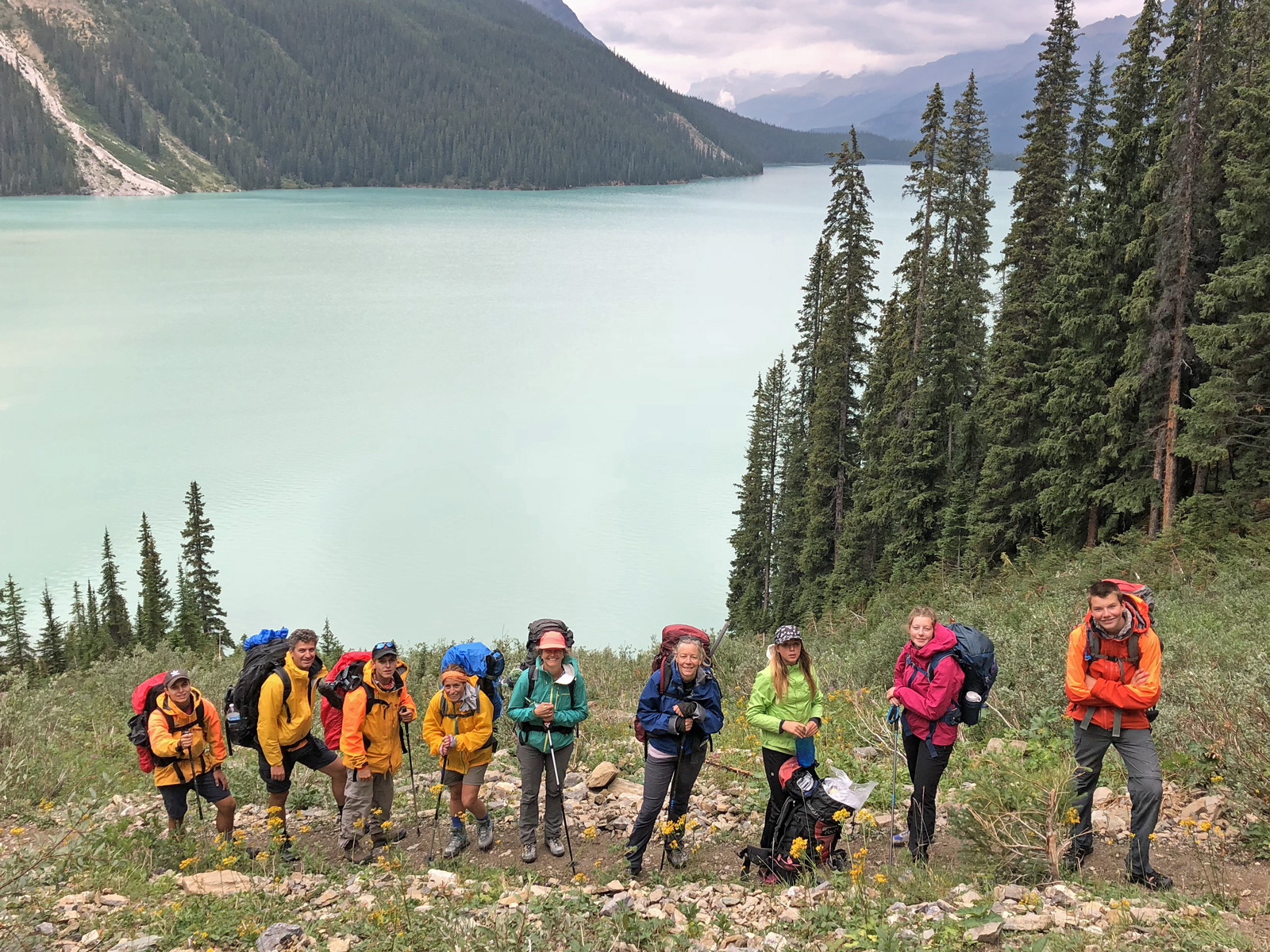
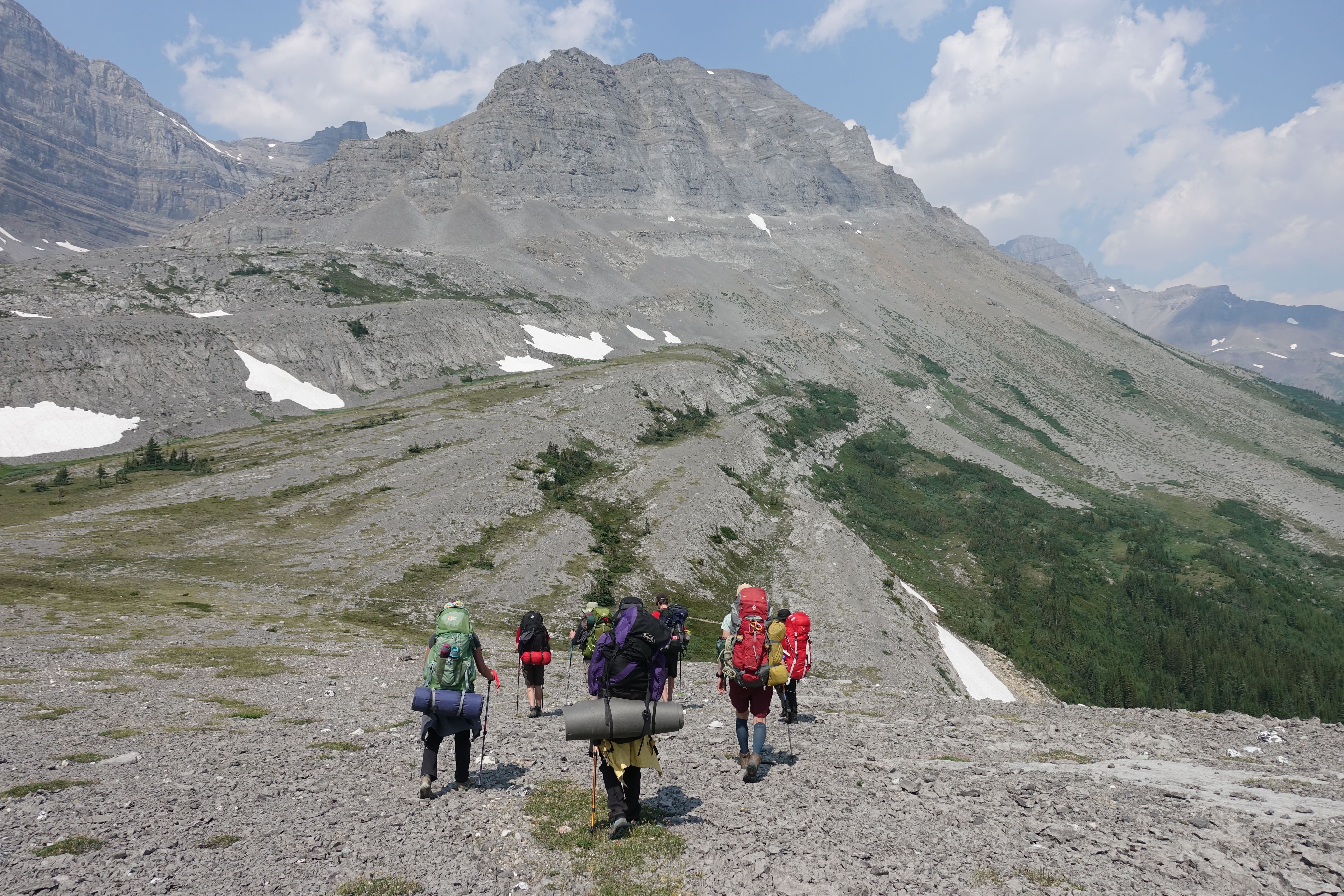
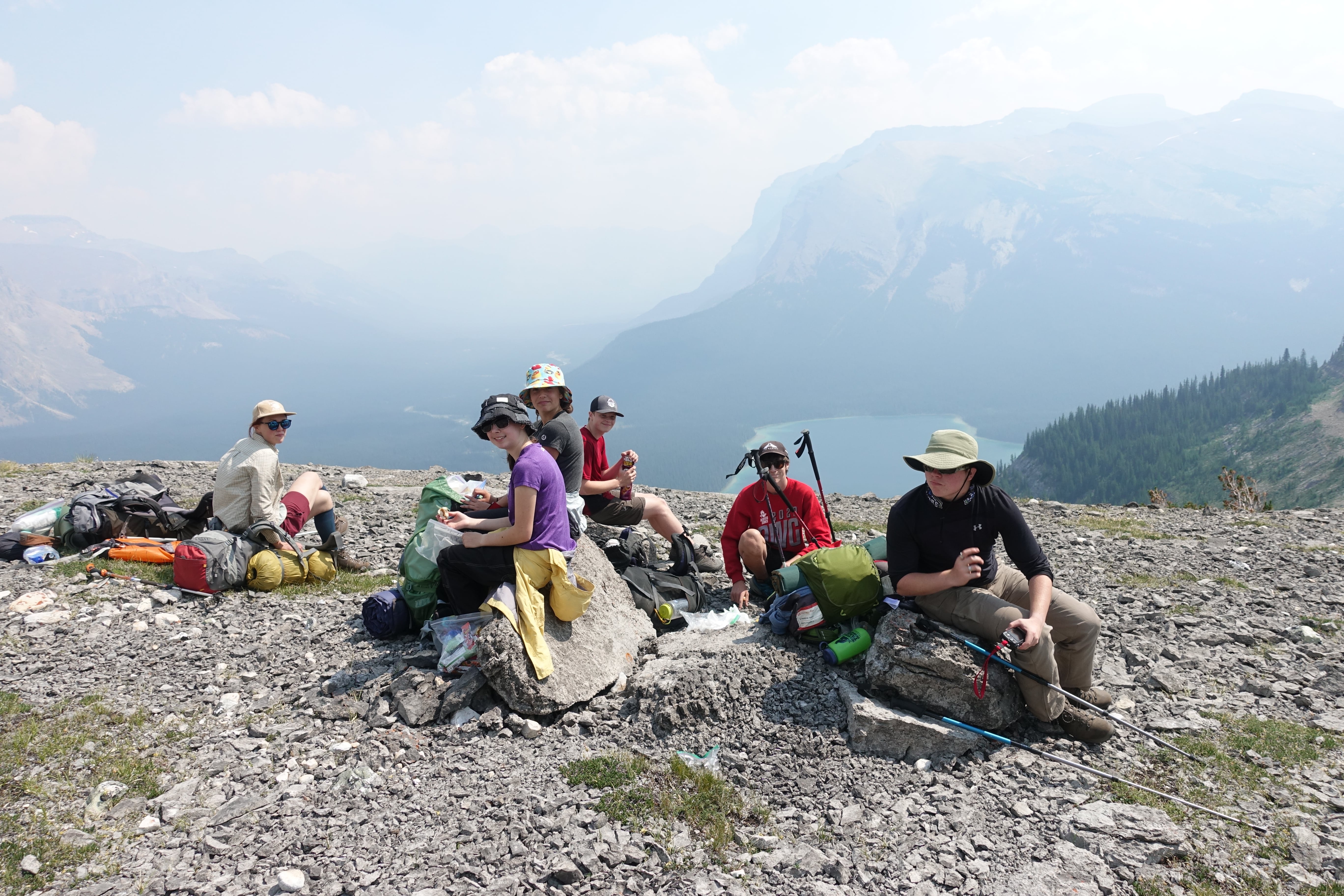
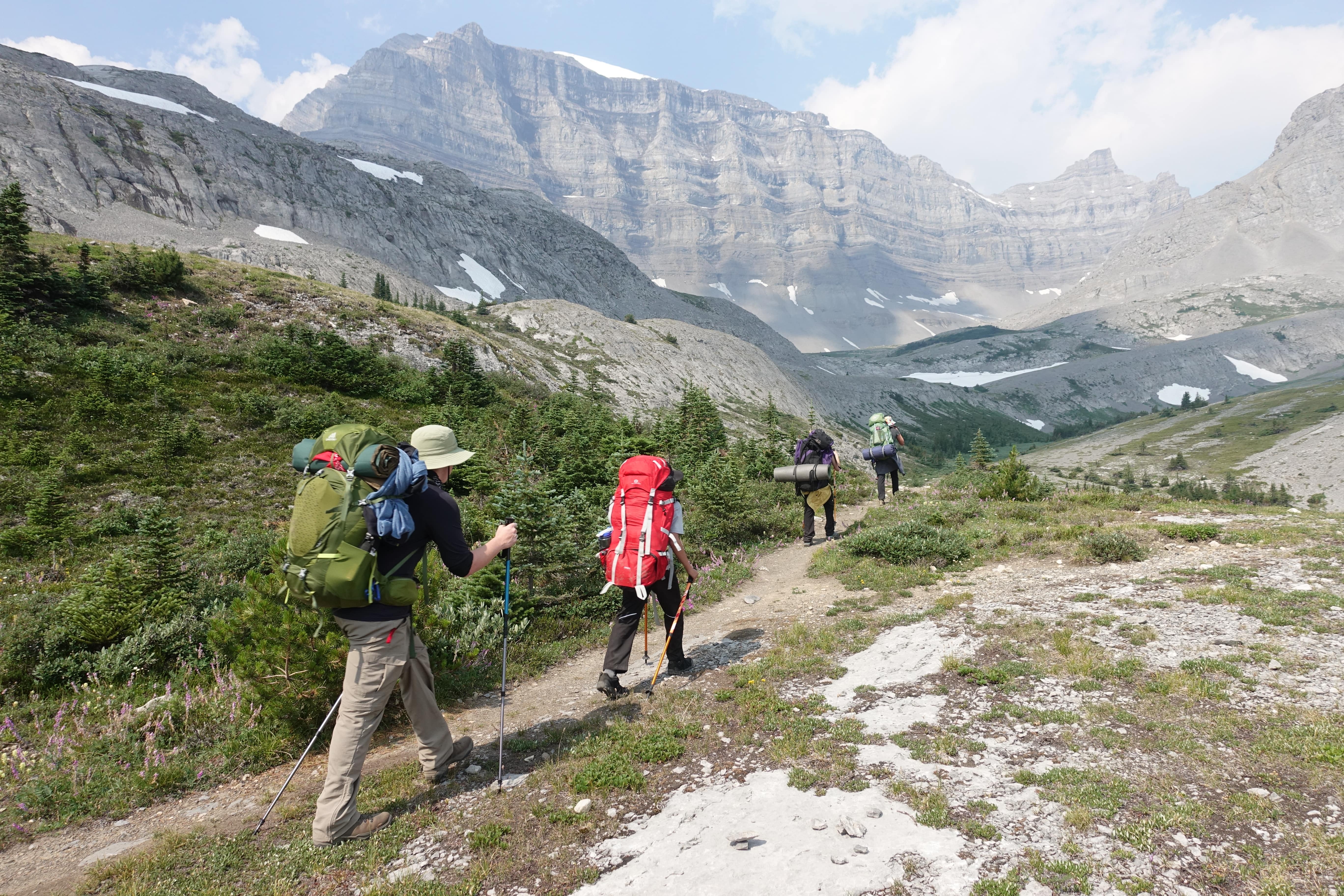
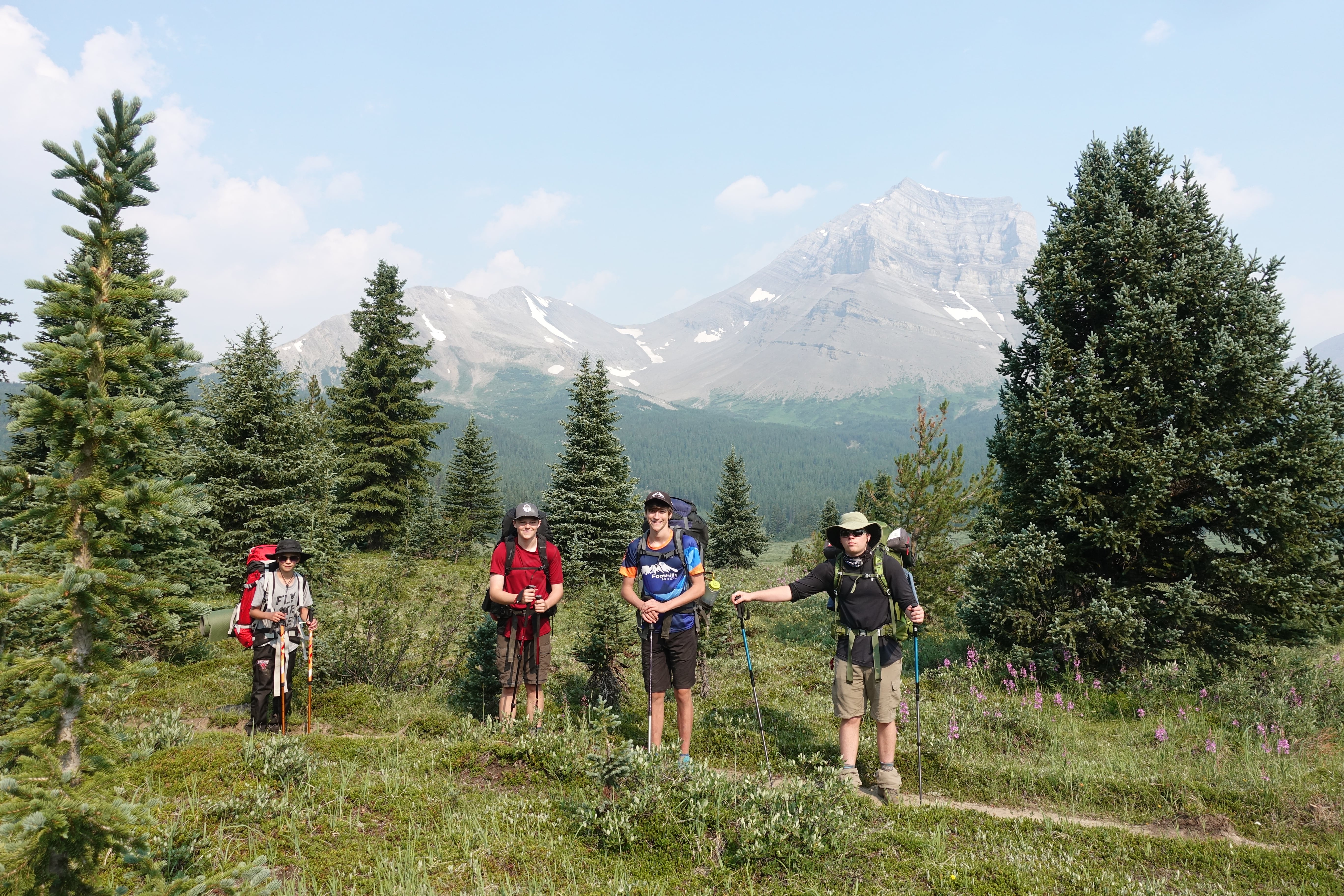
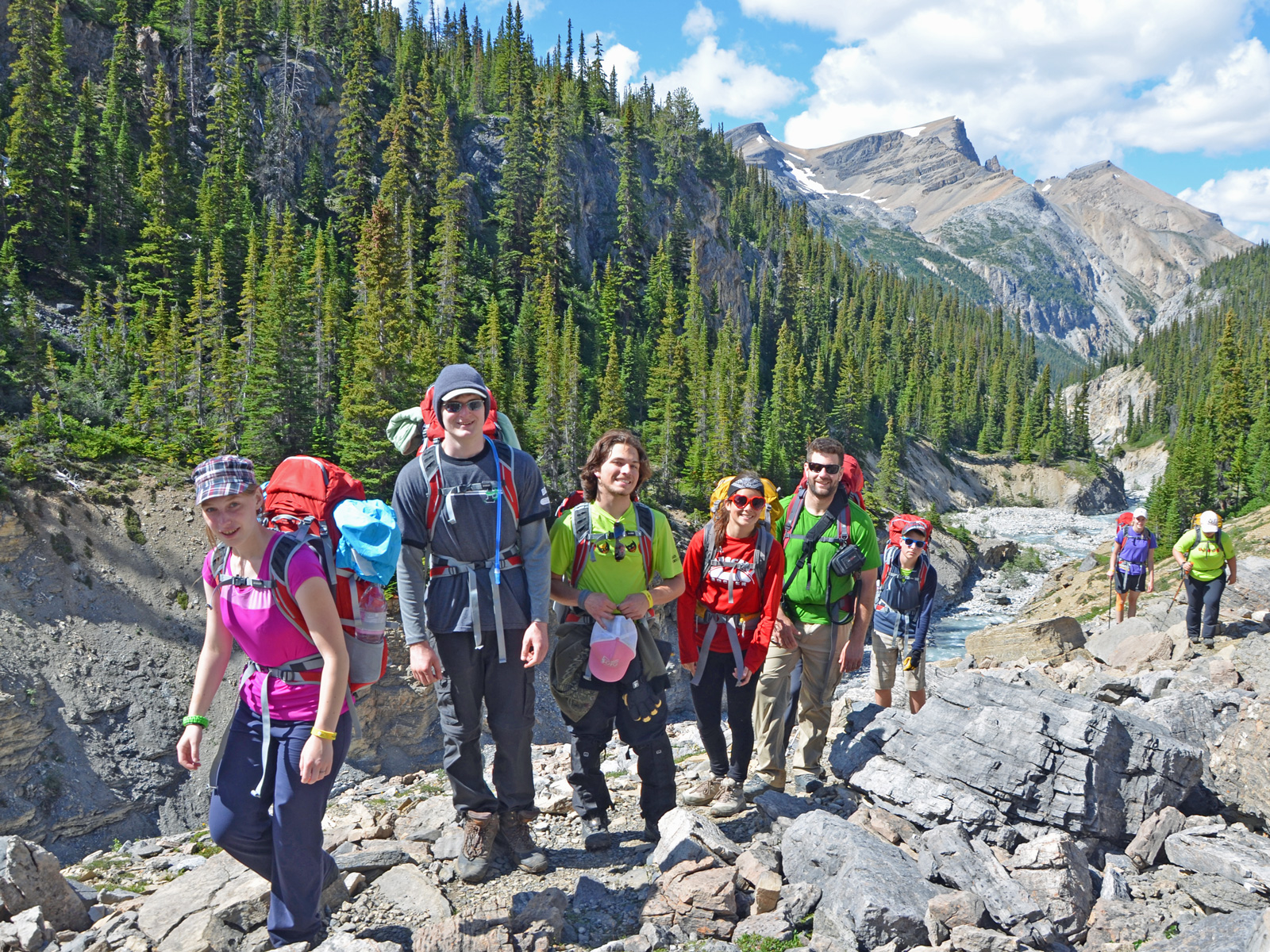
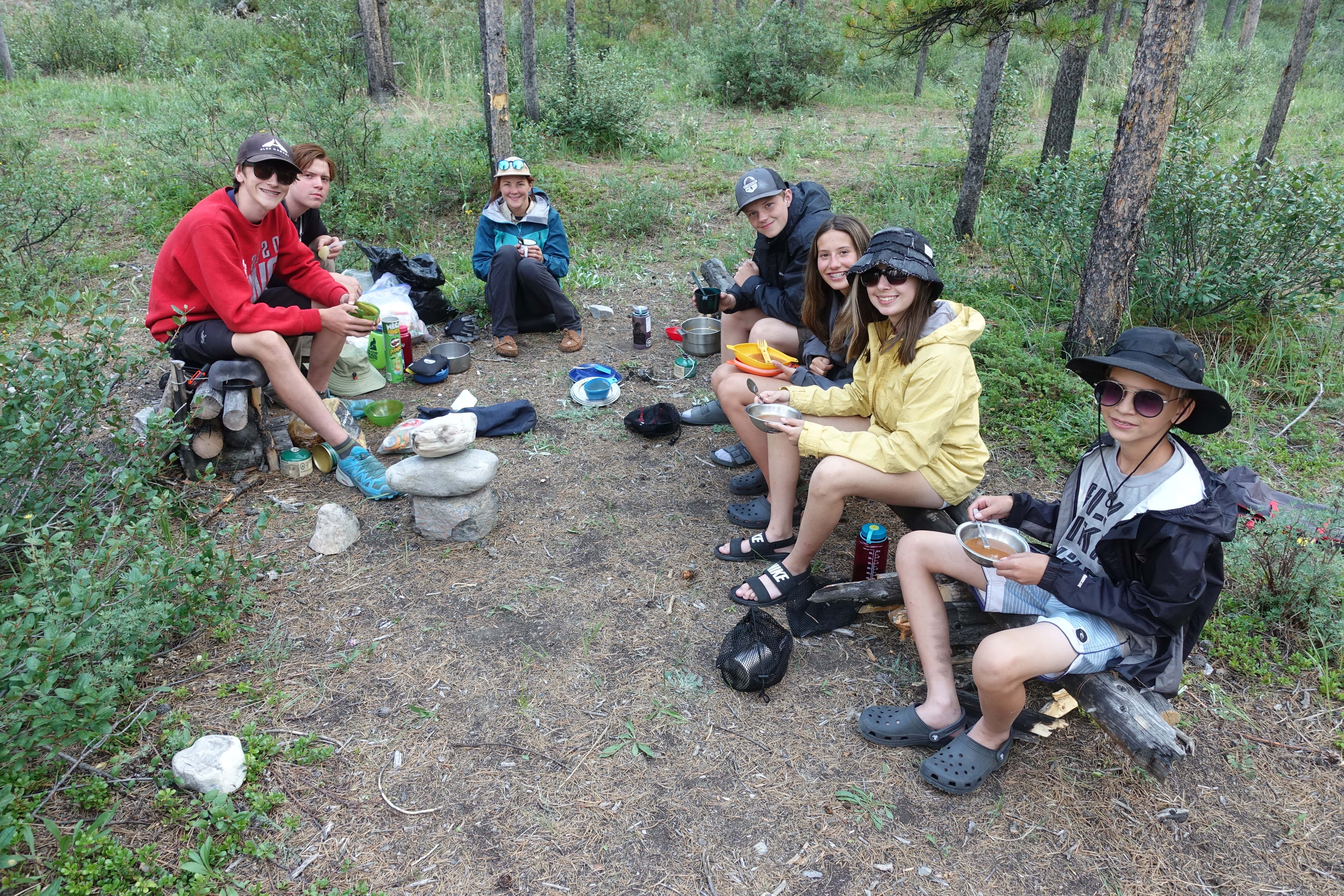
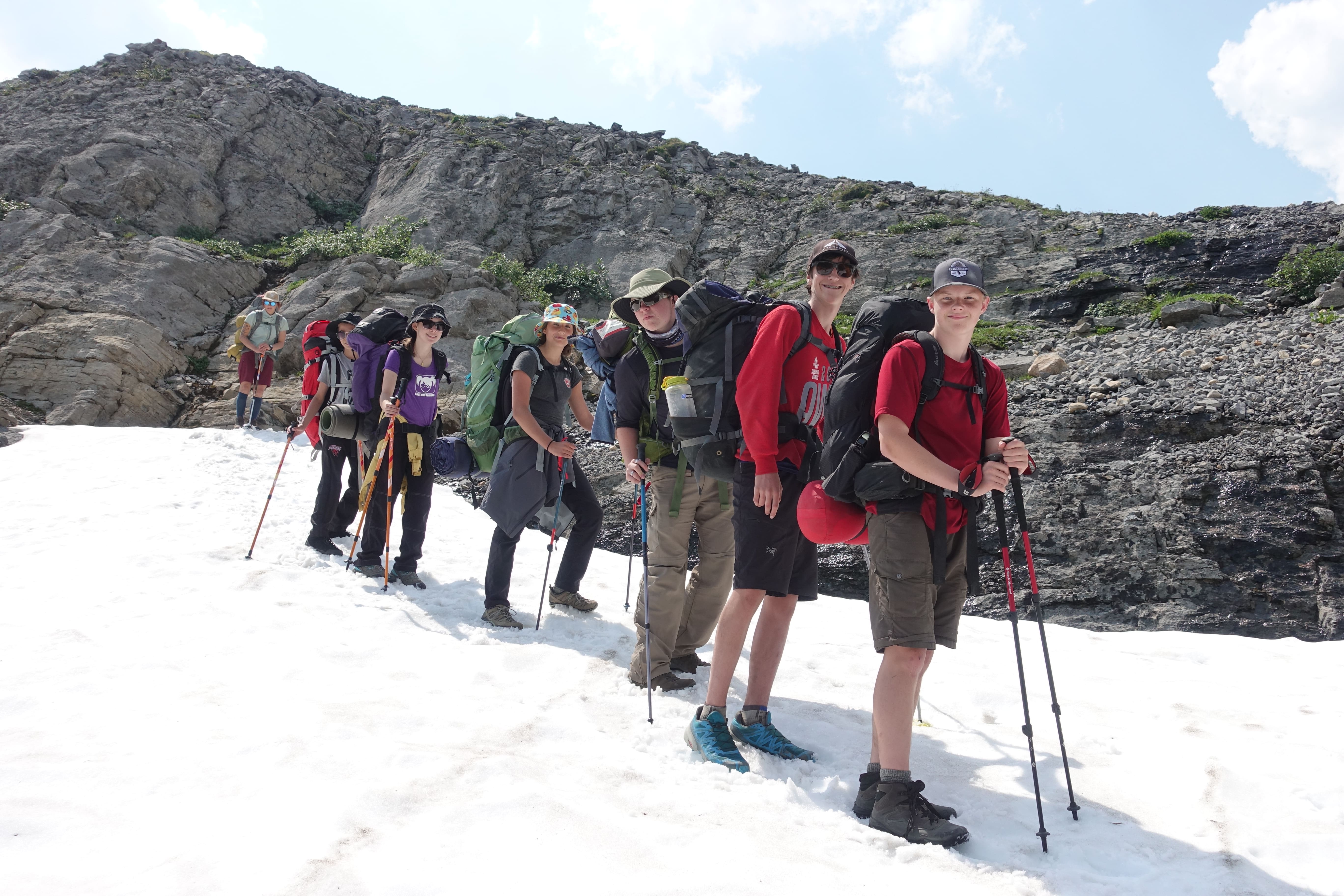
Our Mountaineering backpacking camp is meant for youth ages 13 – 17, who love to spend their entire day in the outdoors and in the mountains for 5 days in a row, rain or shine! We will primarily be using an itinerary in the Front Range of the Canadian Rockies that is relatively remote and rarely traveled with responsible random camping allowed. Our backpacking traverse offers a nice mix of alpine, treeline and forested terrain with great campsites with good water supplies. On some of our departures we will also offer an itineraries in Yoho, and Kootenay National Parks as well as Alberta Provincial Parks pending availability of camp sites at the time.
2026 Pricing
CAD $815/ person + 5% GST
HIGHLIGHTS
- World-class hiking in the Rockies
- Age group: 13 – 17
- Weekly Monday – Friday in July and August
- Any skill level but good fitness and keen to be outdoors
- Certified ACMG guides
- All technical equipment provided
PREREQUISTIES
- Age Group 13 – 17
- Good fitness for up to 7 hrs of walking
- Backpacks up to 20 kg to start
- Comfortable with heights and exposure
Youth Backpacking Camps – Canadian Rockies Itinerary
Our standard itinerary starts in Canmore with a pre-trip meeting in the morning of the first day. Our route departs from a trail head east of the hamlet of Exshaw AB and takes us via the South Ghost Wilderness back through the Fairmont Range to arrive in Canmore AB again on the last day late in the afternoon. Most of our hiking is on rough trails in forested, tree line, and alpine terrain. The area is very remote and it is not unusual that we do not see other hikers except for the first few hours on the first and the last few hours on the last day.
For a few select departures we can a) also run the classic horseshoe trek in the Yoho National Park starting at Emerald Lake, Yoho Pass, Little Yoho Valley, Twin Falls and end at Takkaka Falls trail head or b) do the Rockwall traverse in the Kootenay National Park.
Another one of our favourites is the more remote Cline River Area, north-east of the Saskatchewan River crossing, west of Abraham’s Lake. It takes about 2 hours from Canmore to get there, but the travel is worth it as the backpackers have some pristine wilderness area with several lakes to choose from as their preferred camping spots. (Lake of Falls, Landslide Lake).
Skills and Content Covered during the Camp:
– Risk management and trip planning
– Movement skills and efficiency
– Navigation, GPS mapping, use of conventional maps, compass and altimeter
– Wildlife and Leave-no-Trace basics
– Principles of wilderness camping
Phones / Use of Electronic Devices
Reception on our standard itinerary is spotty at best, most likely only 5-10% of the time when we travel high in the alpine along ridgelines. The distractions of electronic devices and outdoor adventures or education in general don’t go well together. We would be happier if participants left their smart phones at home, but we accept their use during the day for taking photos, videos, navigating and mapping or calling parents if need be. We reserve the right to ask participants to leave their phones at home, if we notice habitual use such as gaming, social media or chatting apps.
Recommended accommodation in Canmore, AB
If you require accommodation in Canmore or Banff, we can gladly give you a hand with your booking in light of your preferred lodging standard, price level and location in town, may it be in a hotel or air b&b.
Here are a few of our recommended hotels in Canmore:
Gear List
Youth Backpacking Equipment List as downloadable .PDF
Please download a PDF copy to use as a checklist when preparing for your trip.
Considerations
Packing for any backcountry trip is always a balancing act. You want your pack to be as light as possible so you can enjoy the hiking instead of just suffering through it. But you also want to have enough gear to be warm and comfortable around the hut or campsite in the evening. When buying, renting, or borrowing gear for the trip, please keep weight, performance, and function in mind.
Backpacking equipment
- Collapsible, lightweight ski poles
- Large backpack (55-70 litres). You will also have to carry some group gear
- Rain cover specific to your pack
- Spare parts specific to your equipment
- Sturdy approach shoe or light trekking boot with a fairly stiff sole for walking over rocky terrain
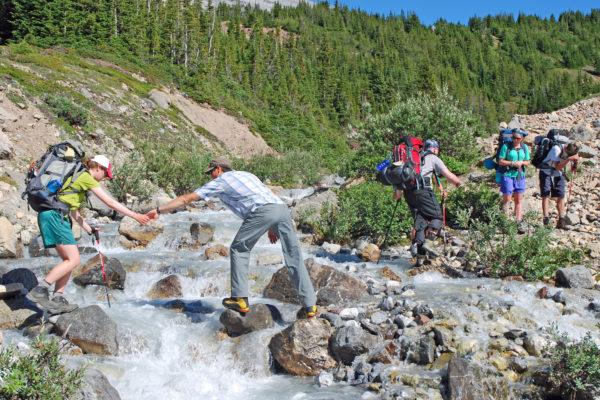
- Lightweight shoes or Crocs for river crossings and for wearing in the hut or around camp
Clothing
Temperatures in the Canadian Rockies vary hugely even in the summer months. Between June and September, temperatures can range from lows of 0°C overnight to +15°C during the day, or from +15°C overnight to +30°C during the day. Somewhere in between is normal and having several clothing layering options is important. Bring light, technical clothing that doesn’t take much space in your backpack and dries quickly when sweaty or wet.
- Waterproof shell jacket with hood (Gore-Tex or similar)
- Lightweight wind and water-resistant over-pants (Gore-Tex or similar)
- Lightweight hiking pants or zip-offs (no cotton pants or jeans)
- Comfortable, synthetic shorts (unless you have zip-off pants)
- Thick fleece or wool pullover, or PrimaLoft jacket
- Medium weight fleece shirt
- Thin, synthetic or wool base layers, top and bottoms
- Synthetic or wool t-shirt
- Lightweight gloves for colder weather days
- Good quality hiking socks (synthetic or wool)
- Warm hat that covers your ears if temps are forecasted to be cold
- Light, summer gaiters (if necessary, usually only early season)
- Sun hat, preferably with a wide rim
- Bandana or Buff (optional)
Around the hut or campsite
- Spare underwear and socks (no cotton)
- Light down jacket or vest
- -10°C to +5°C sleeping bag with stuff sack, depending on your comfort level, trip destination, and whether it is hut-based or tent-based.
- Lightweight, technical sleeping pad (for backcountry camping trips)
- Lightweight, packable pillow (optional)
- Earplugs (recommended)
- Toiletries (keep to a bare minimum)
Other items
- Lunch and snacks (eg. sandwiches, candy bars, dried fruit, nuts, etc.)
- Sunglasses with high UV protection
- Sunscreen and lip protection with high SPF
- Bear spray and holster (optional, guides will carry one)
- Small umbrella (for rainy days, optional)
- Small container bug spray or cream
- Water bottle or water bladder, allow more than 1 liter on hot days
- Headlamp with spare battery (optional)
- Small Personal first aid kit and other needs (eg. blister kit, prescription medicine, anti-inflammatory, contact lenses, prescription glasses, etc.)
- Pocket knife (optional)
- Light stuff sacs or Ziploc bags to keep your backpack organized and important items dry (optional)
- A lightweight garbage bag for extra waterproofing (optional)
- Camera, spare batteries (optional)
- Compass, maps, GPS (optional)
- Personal amount of toilet paper in a Ziploc bag
- Hand sanitizer or sanitary hand wipes
- Feminine hygiene supplies
- Comfortable clothing and shoes to leave in the car for return to civilization
Group gear – will be supplied by OnTop Mountaineering and split amongst the participants to carry
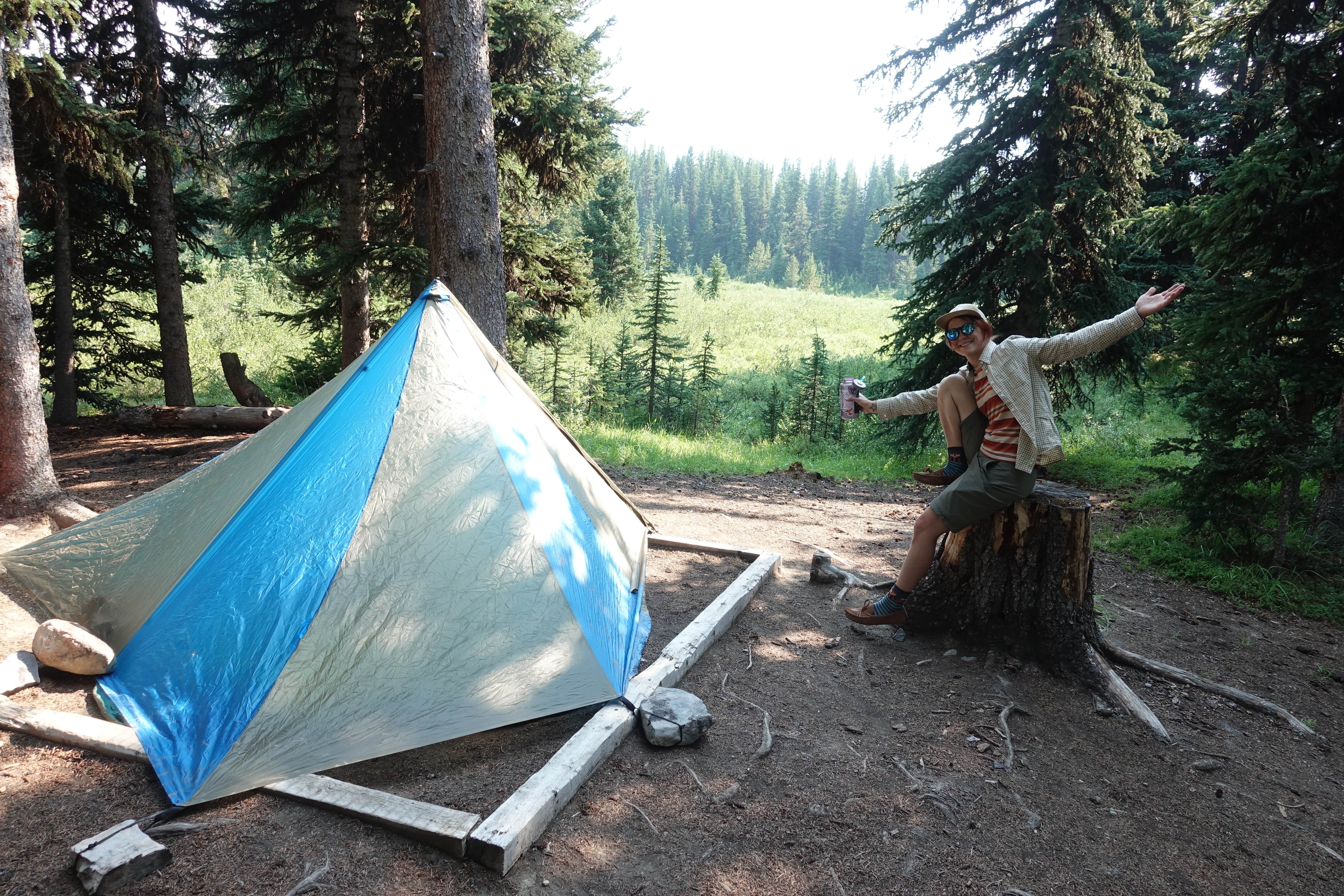
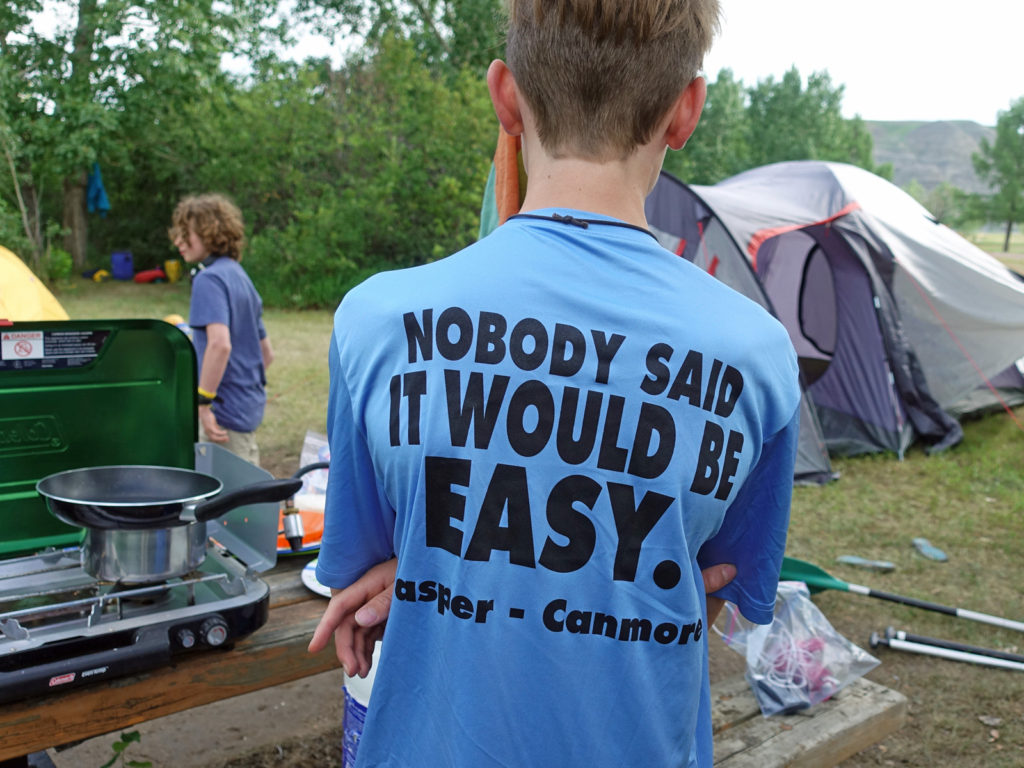
- 3-person tents (grouped by gender)
- Emergency tarp
- Technical Equipment, such as ropes, climbing shoes, helmets, harnesses
- General repair kit and Leatherman
- Maps, compass, GPS, altimeter watch
- Phone with power bank, radio, satellite phone or other emergency communication device
- First-aid kit
- Large capacity water storage bags
- Large capacity water filter
- Biodegradable soap
- Dishcloths and/or paper towels
- Breakfasts, dinners, lunch supplies for 4 days, coffee, tea, powdered drink mix
- Dry bags and rope for hanging food at night
- Toilet paper
- Toilet trowel
- Safe transport box for bear sprays
- General repair kit and Leatherman
- Hand sanitizer
FAQ
Do I need to sign a Release of Liability & Assumption of Risk Agreement (a.ka. liability waiver)?
Yes, you do. Mountaineering, skiing, climbing, hiking, via ferrata and all other wilderness and adventure travel activities are inherently risky with potential for injuries or even death.
It is very important to us that you are aware of those risks before you start the booking process, which includes filling out a booking form and paying a deposit.
With signing the liability waiver, you confirm that you understand the potential risks and hazards, and are willing to accept the risks, which includes giving up legal rights you may have.
This would also be the time to ask questions or address concerns before you book.
For your reference here is a link to our Liability Waiver. Our booking terms & cancellation policy with more details can be found here
Can I Do It?
No previous backpacking experience required but useful. Campers should be keen to spend 5 full days in the mountains rain or shine with the fitness to walk all day at a reasonable pace, often uphill, carrying a backpack that weighs up to 17kg. Participants should also be sure-footed to walk confidently on exposed, rocky trails in the mountains. All in all, it’s a challenging experience for hearty kids.
First Day and Last Day Meeting Point
Meeting in Canmore AB at our base is between 8:30 and 9 AM for a trip briefing and distribution of food + group gear.
Depending on where the group will go, we will convoy between 30m (Ghost Wilderness area) – 2 hours (Cline River Area) to the trailhead, where you can say goodbye and wave off the group as they begin their backpacking trek.
On the last day, we plan to arrive in Canmore ready for parents/guardians to pick up at 5PM, however this always depends on conditions and weather. More details will be in the trip information that all campers will receive.
2026 PRICES
$815 CAD per person + 5% GST
10% discount on sibling bookings, or booking of multiple departures
2026 SCHEDULED DEPARTURES
5 Days Monday – Friday
5 Days Monday – Friday
June 29 – Jul 3
July 06 – 10
July 13– 17
July 20 – 24
July 27 – 31
August 03 – 07
August 10 – 14
August 17 – 21
GROUP TRIP SIZE
6-8 Participants: 1 Guide
TRIP INCLUSIONS
Included:
- 5 Days certified ACMG Guide
- All guide expenses
- 4 nights light-weight dinners, breakfast and lunch supplies (all lunches except day 1)
- Expenses for camping and Parks overnight wilderness fees
- Group camping gear
- please refer to gear list for items provided by OnTop Mountaineering
Not Included:
- Driving to/from trailheads
- All gear mentioned on the gear list that does not specify “provided by OnTop Mountaineering”