


Climb the Matterhorn
Alps / Switzerland / Zermatt
Climb the Matterhorn via Hörnli Ridge from Zermatt, Switzerland or the more difficult Lion’s Ridge from Cervinia, Italy
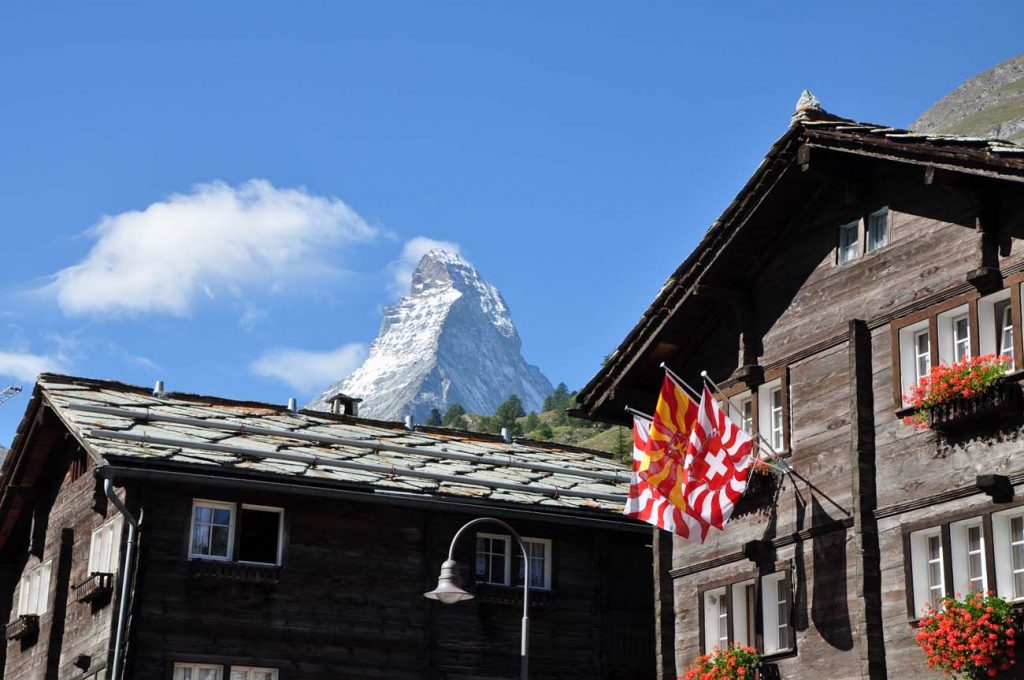
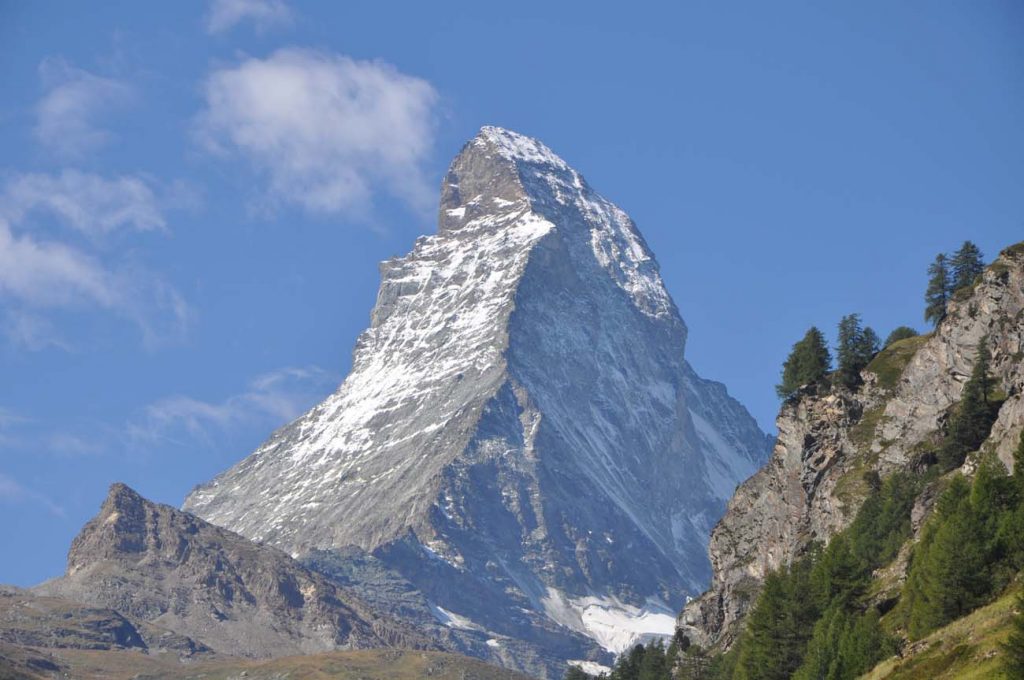
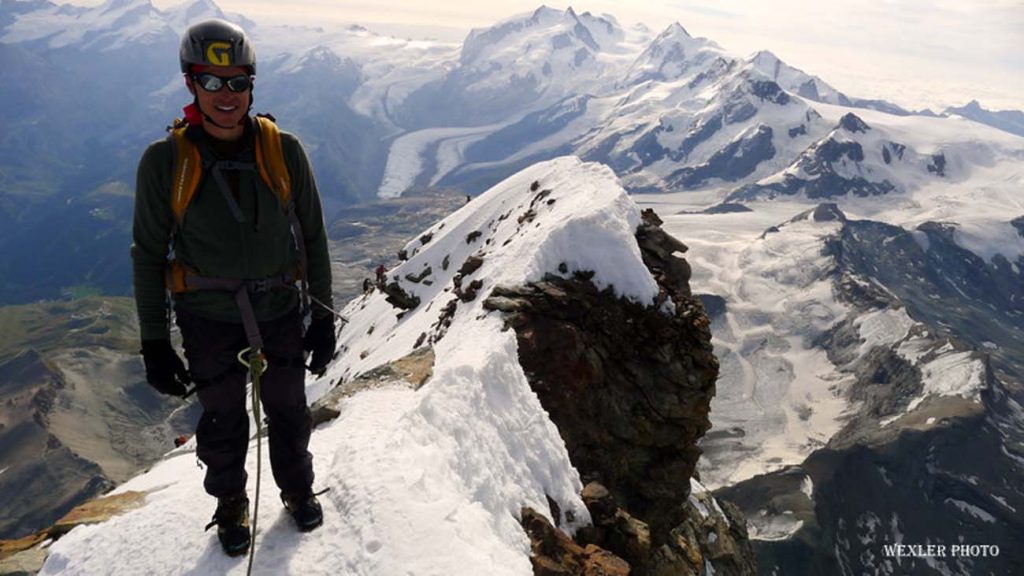
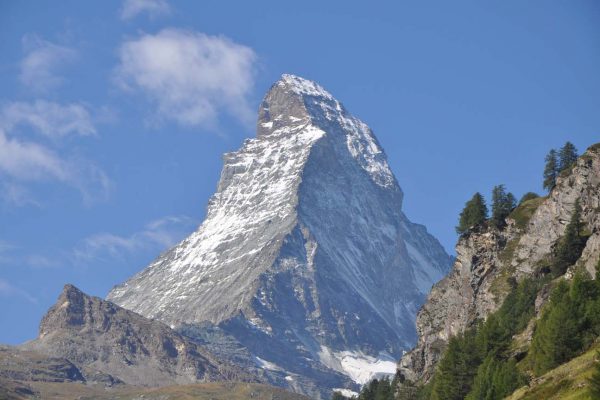
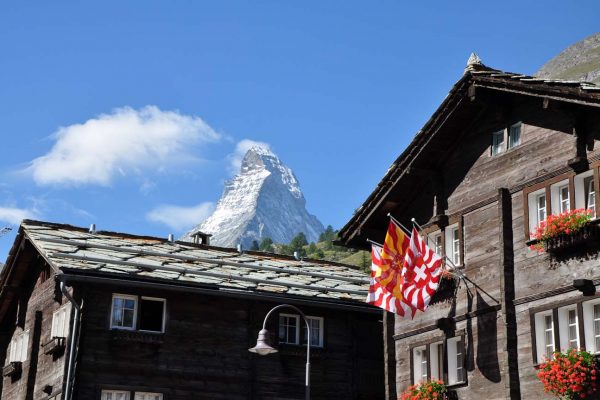
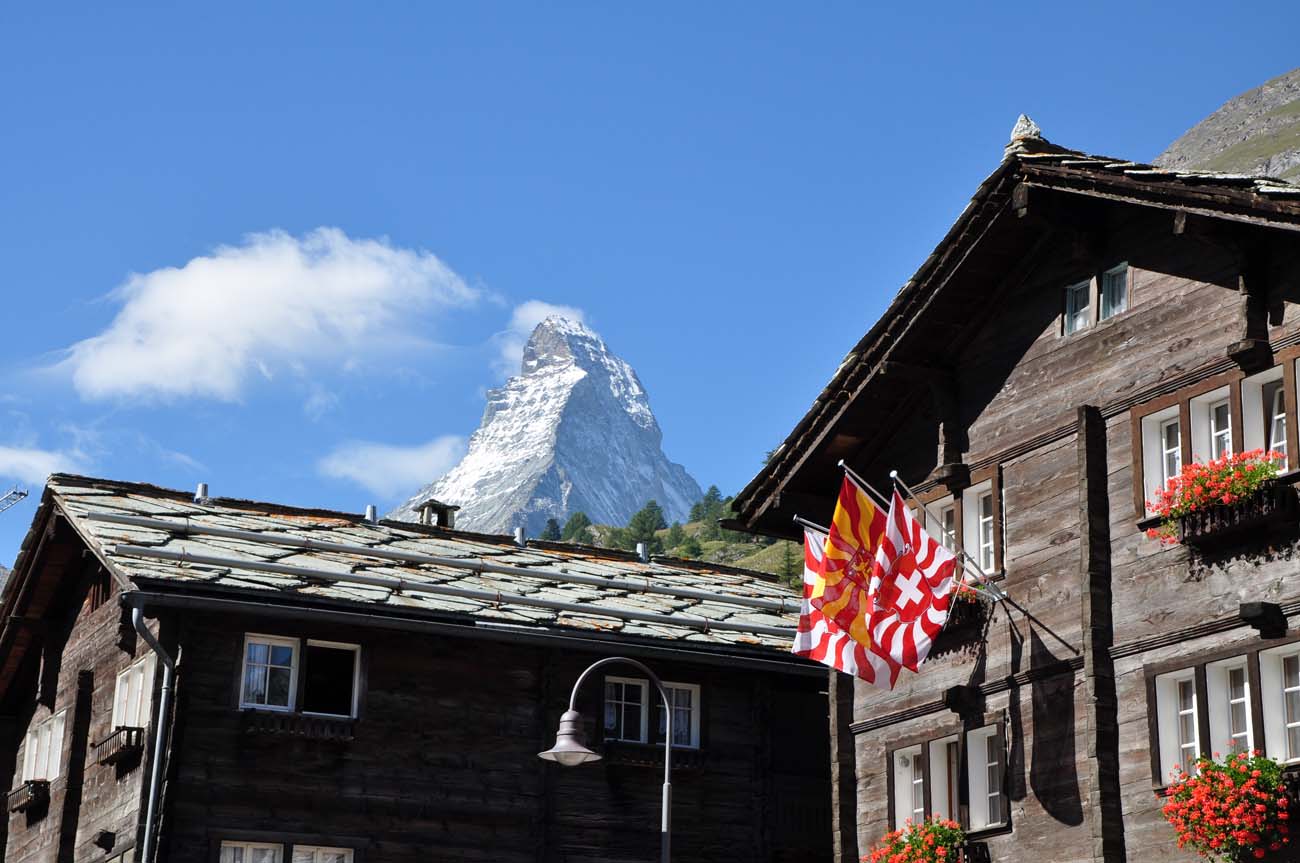
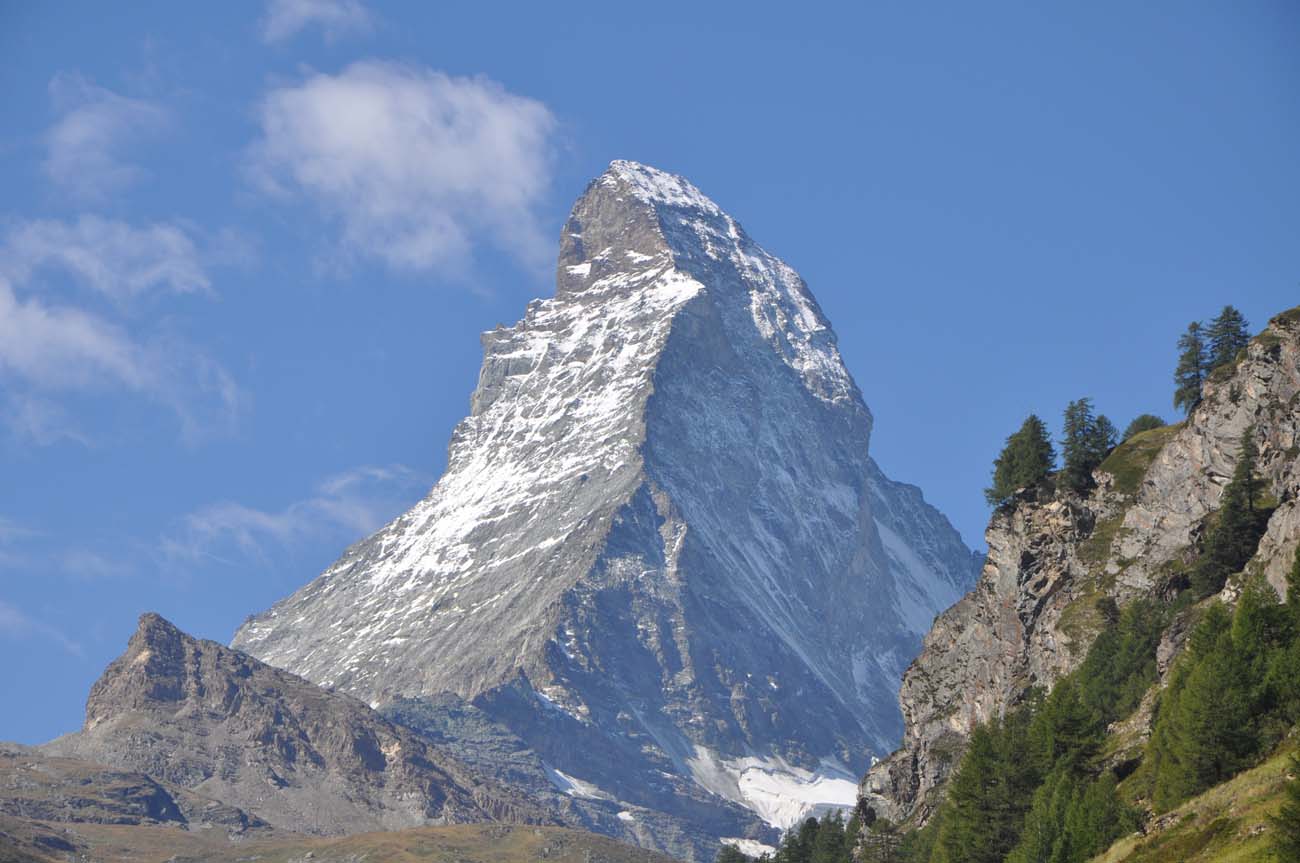
The Matterhorn is the most iconic peak in the Alps and one of the top ten in the world. It became a brand name with tremendous recognition value which has been helping to market “Made in Switzerland” to the rest of the world, from chocolate to watches.
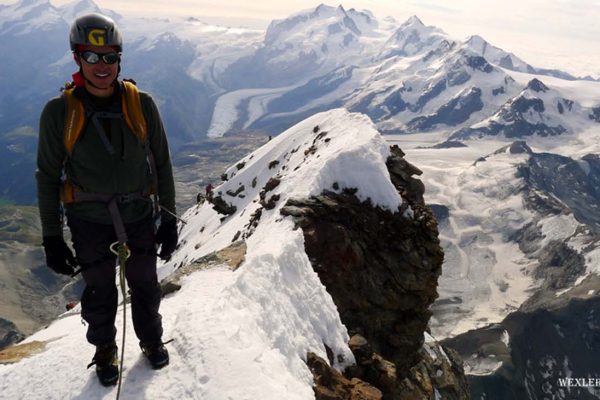
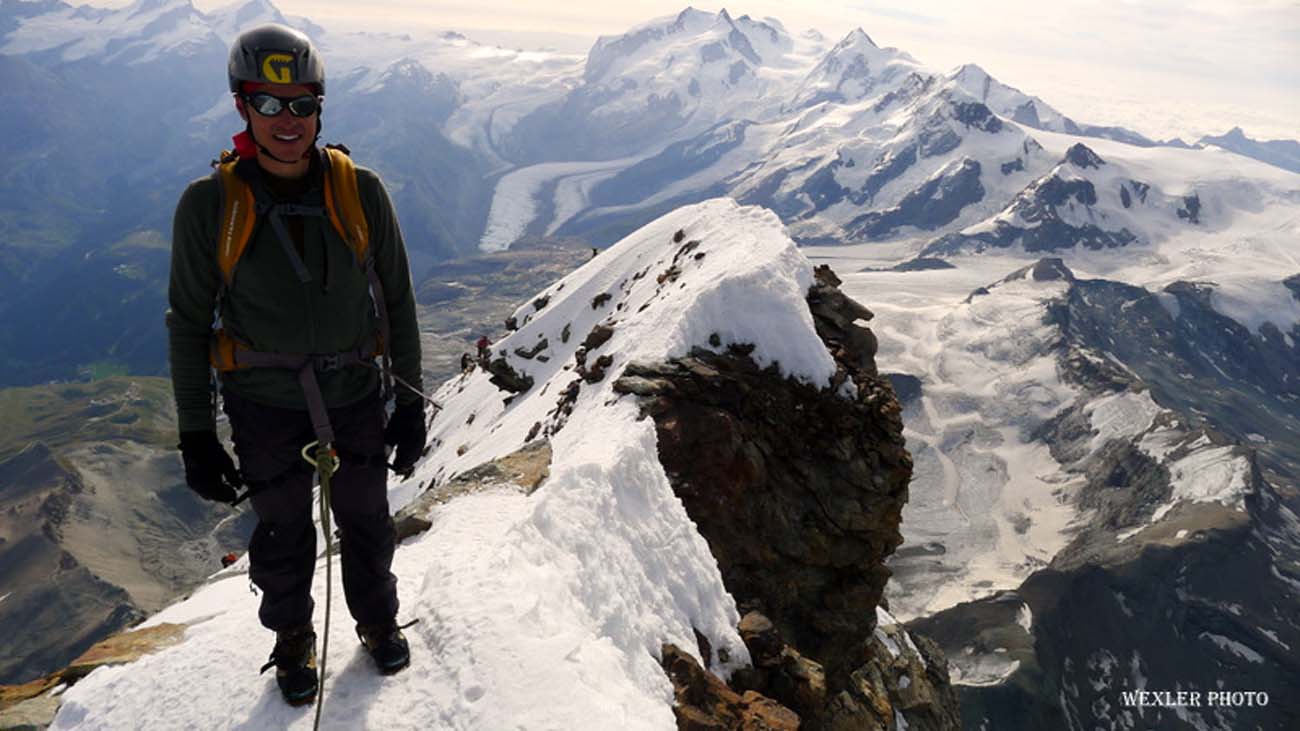
The Matterhorn poses tremendous lure to climbers, although its difficulties are often underestimated. All routes on the Matterhorn require good technical climbing skills, excellent fitness, and at almost 4,500 m / 14,750 ft, good acclimatization before the ascent. The climbing is exposed and often requires crampons even in the rocky sections, both up and down.
The main season for the Matterhorn tends to be from mid-July to mid-August, but some years the Matterhorn season can be as short as two weeks. Summer storms, high altitude, and the technical nature of the terrain render the Matterhorn quickly out of condition and “unclimbable” for most recreational climbers. Therefore, we recommend that you allow a few “cushion days” and book a longer program (see “Packages” tab below), that offers skills training, acclimatization, and a longer weather window.
If you don’t have prior climbing experience or if you will not be acclimatized, we highly recommend participating in our Monte Rosa Peaks Traverse or our Haute Route Glacier Trek (Mountaineer’s Route) before considering a Matterhorn ascent.
2026 Pricing
EUR €1685/ person
HIGHLIGHTS
- It’s the Matterhorn!
- Challenging climb in stunning alpine
- Hörnli Hut lodging at 3,200m / 10,500 ft
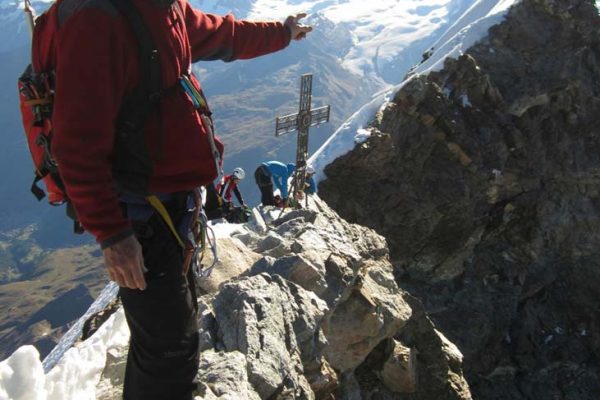
- Breathtaking views from the summit
- Great way to end a trip to the Alps
DIFFICULTY
- Up to 14 hours on summit day
- Fitness and stamina required!
- Exposure
- Rock / ice / snow
- Frontpointing on crampons
- 5.6 / 5b rock climbing
- Itinerary
- Detail and Logistics
- 3 Day Trip Package
- 4 Day Trip Package
- 5 Day Trip Package
- Can I Do It?
- Acclimatizing
- FAQ
- Gear List
- Risk Disclosure
Climb the Matterhorn: Day-to-Day Itinerary
Minimum of two days of mountaineering
We usually climb the Matterhorn via the ‘Hörnli Ridge’ above Zermatt, Switzerland, but we also offer the slightly harder ‘Lion’s Ridge’ on the Italian side. The latter can be turned into a traverse of the mountain, descending the Hörnli Ridge into Zermatt after reaching the summit. The approach on the Italian side is a lot longer and, if coming from Zermatt, it requires a gondola ride to either the Klein Matterhorn (approximately CHF 120 / person) or the Schwarzsee (CHF 50 / person). Many parties climbing the Lion’s Ridge from Italy go up and down the same way, which usually makes it a three day trip with an overnight again in the Carrel Hut or the lower Duca di Abruzzi Hut.
The vertical ascent from the Carrel Hut (3,830 m / 12,562 ft) on the Italian side to the Matterhorn summit (4,478 m / 14,688 ft) is less than that from the Hörnli Hut (3,260 m/10,695 ft) on the Swiss side, however, it usually takes longer because the difficulties are more sustained on the Lion’s Ridge. Also, backpacks are heavier as overnight gear has to be carried at least to the hut and in the case of a traverse, all the way across the summit of the Matterhorn.
1) Ascent via the ‘Hörnli Ridge’
Day 1
Meeting with the guide in town around 10:00am for a trip briefing, equipment check and possibly lunch together. Gondola ride via Furi to Schwarzsee, followed by an approximately two hour hike to the Hörnli Hut (3,260 m/10,695 ft). Often, we spend the remaining hour or so to warm up on the first few meters of the climb in the afternoon and descend again, since the lower part of the route requires climbing in the dark early the next morning.
Day 2
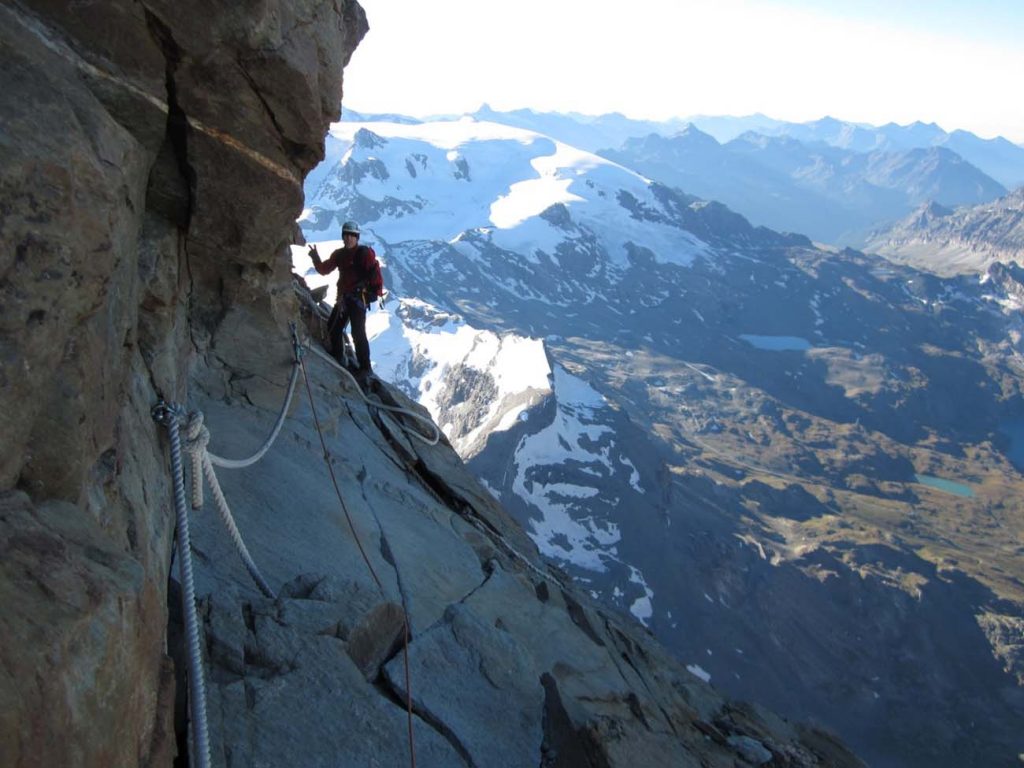
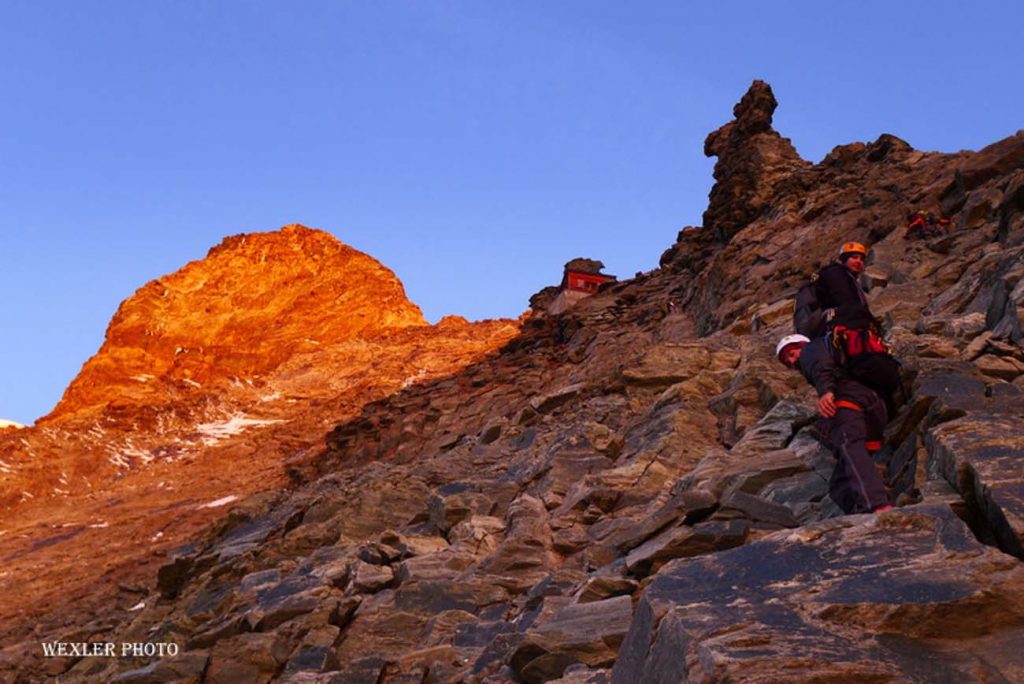
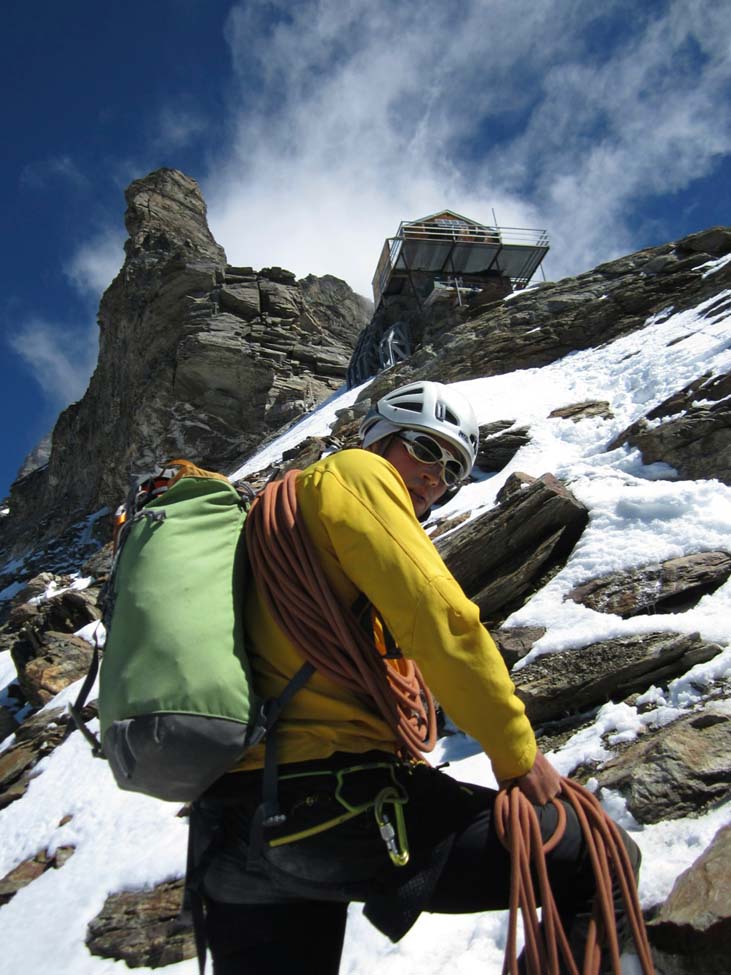
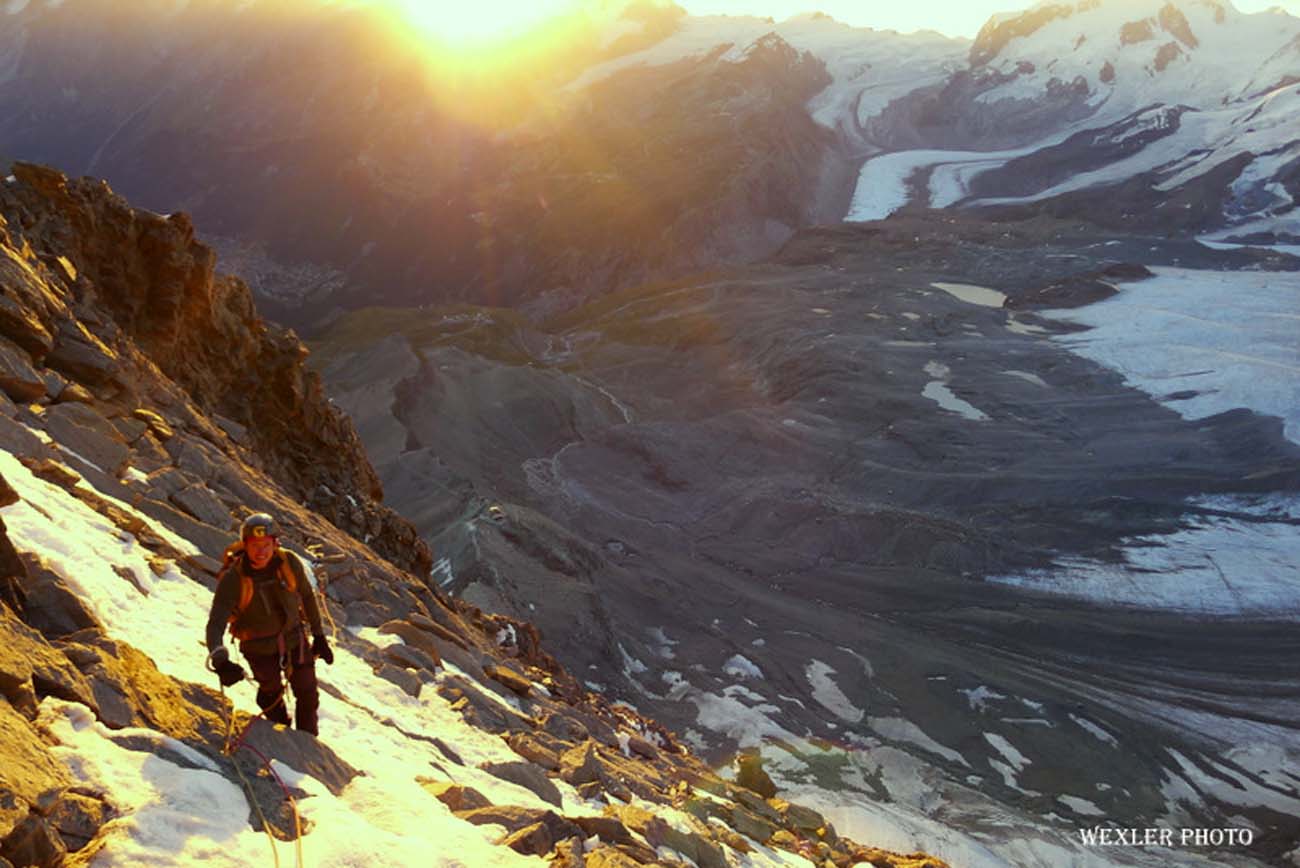
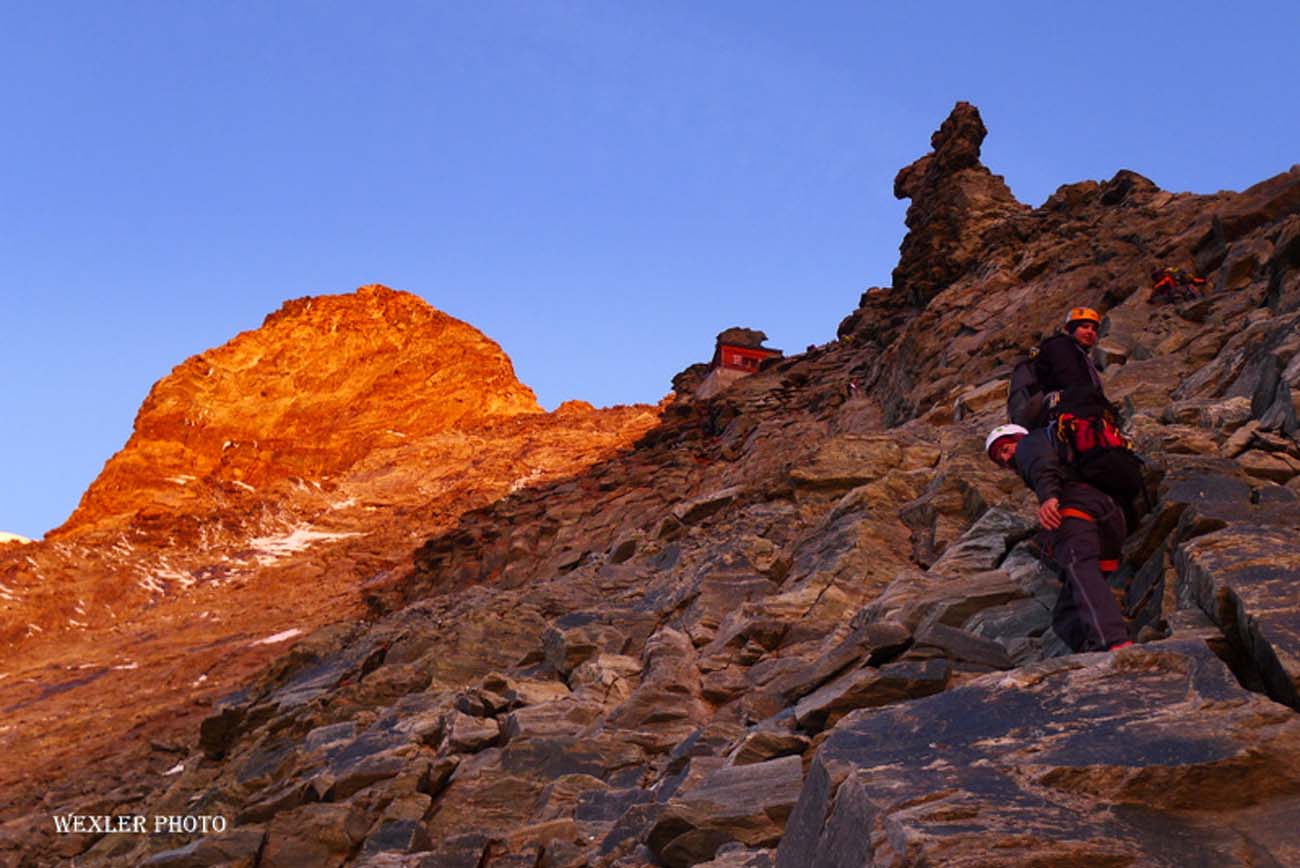
The Hörnli Ridge, dividing the impressive north and east faces of the Matterhorn, involves steep and exciting climbing for 1,200 m / 4000 ft vertical on technical terrain. Most of the climbing will be “on a short rope”, however, there are also some sections up to grade 5.5 that are commonly being pitched out, namely the slabs below the Solveigh emergency shelter, which you’ll pass 2/3 up the mountain.
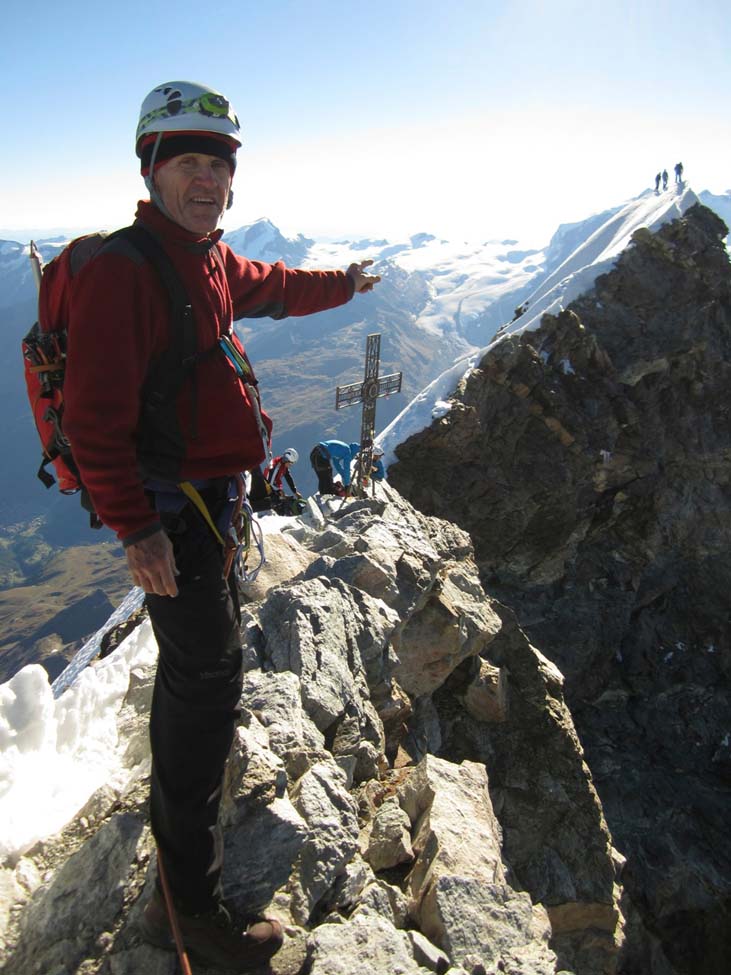
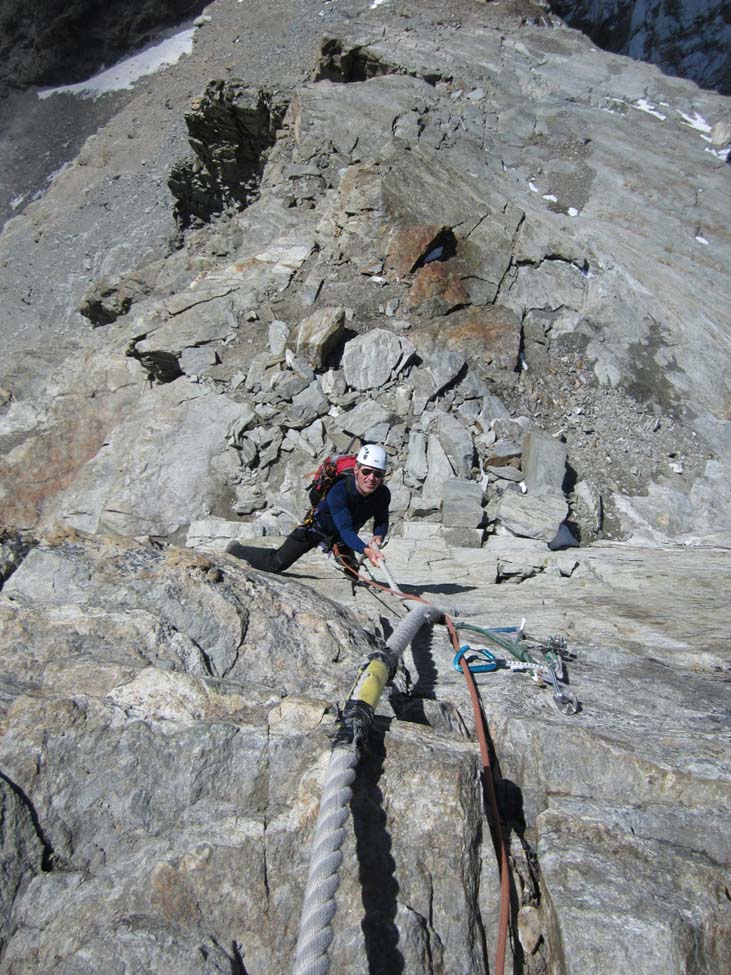
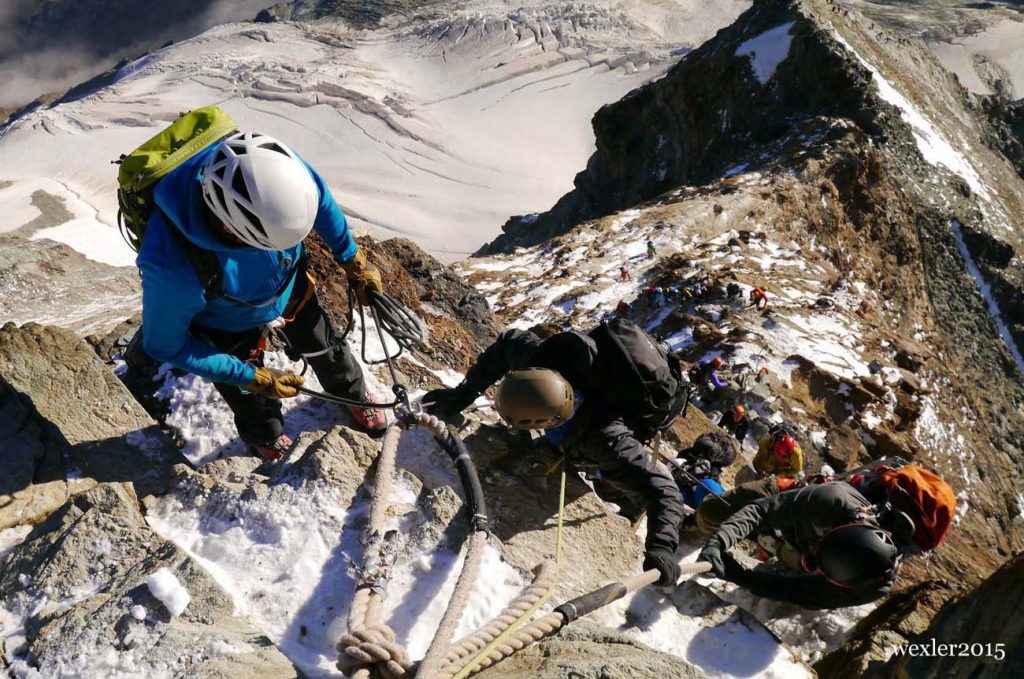
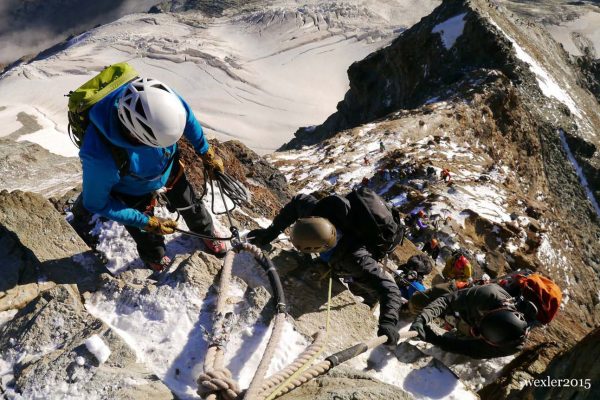
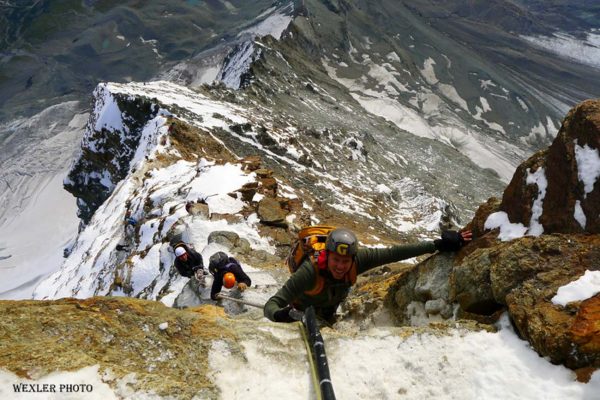
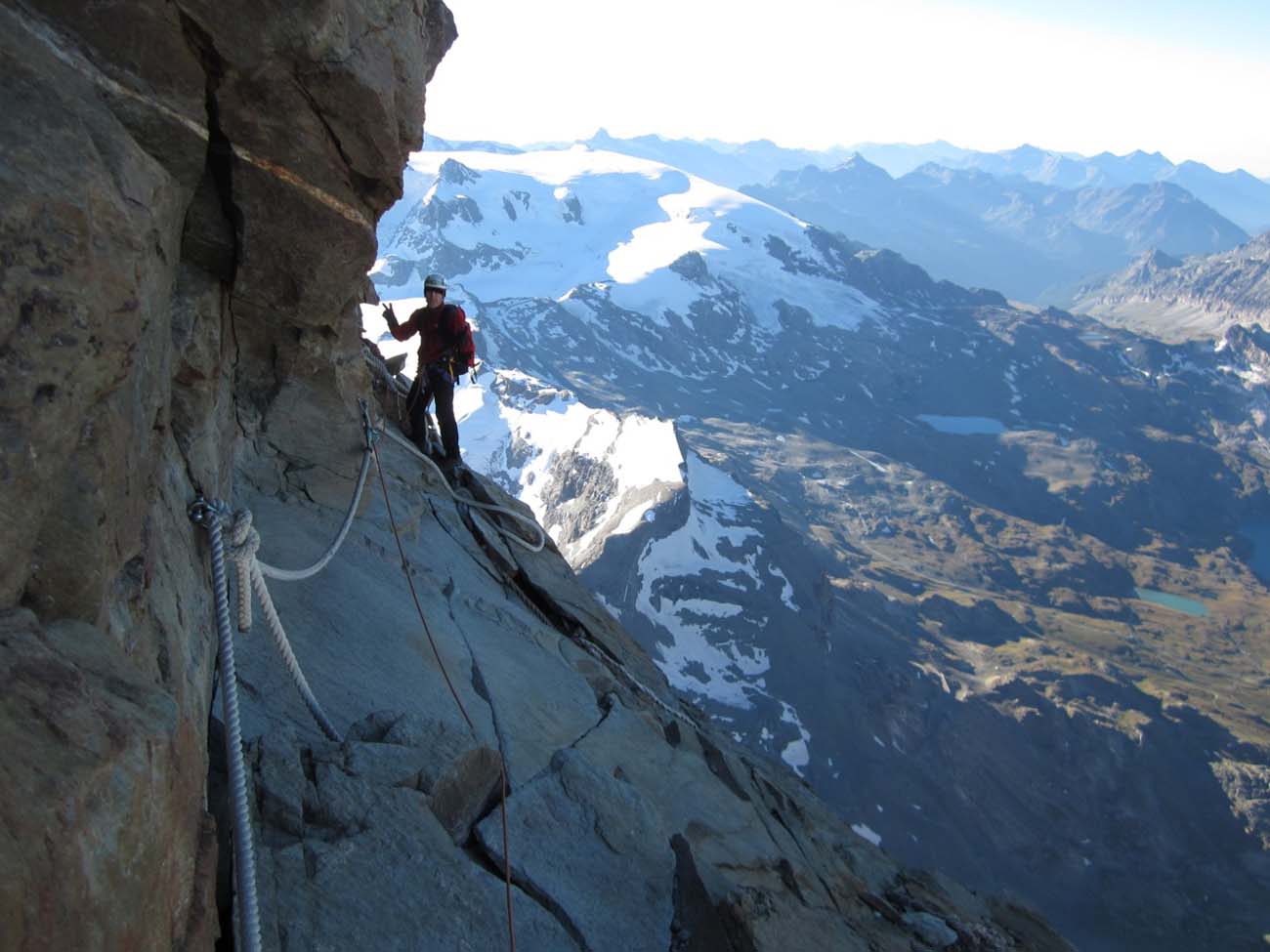
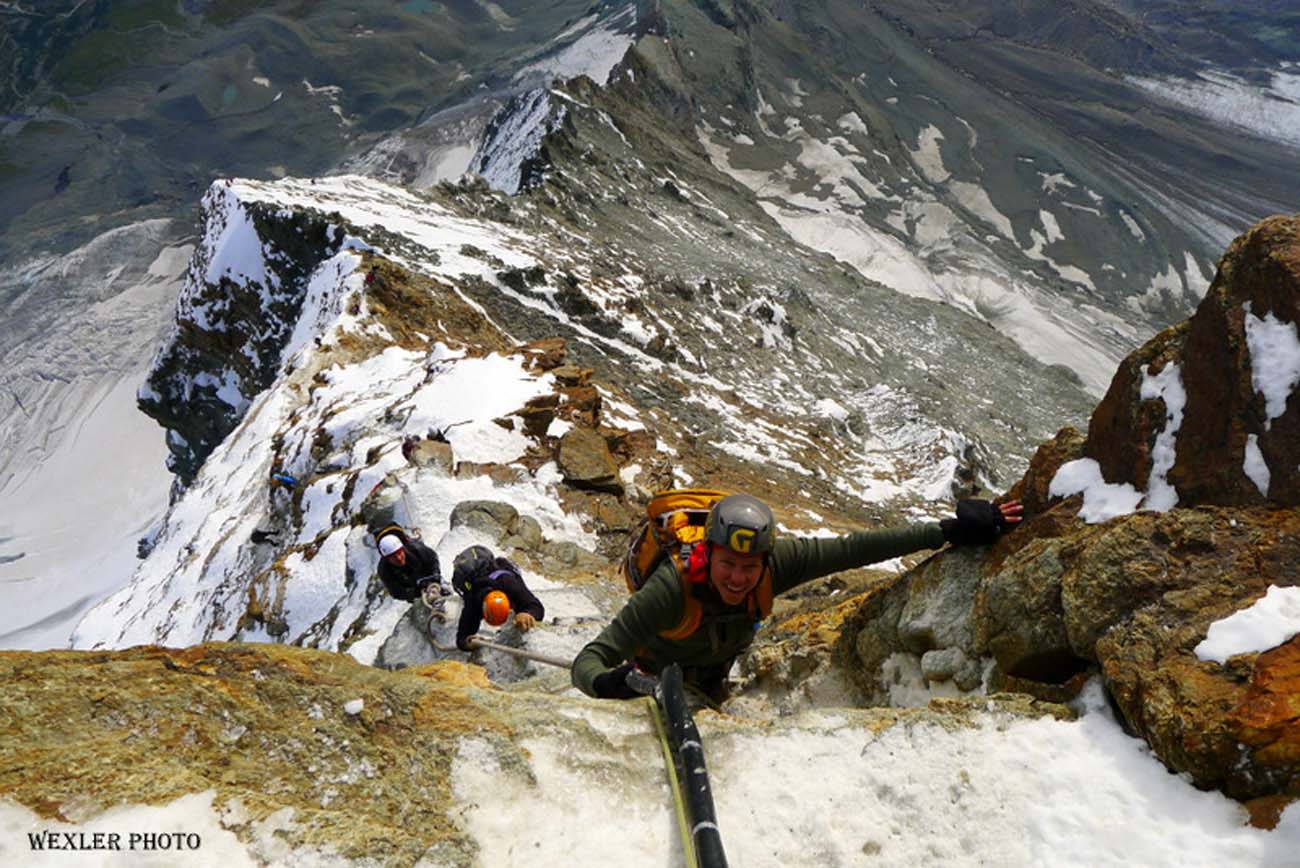
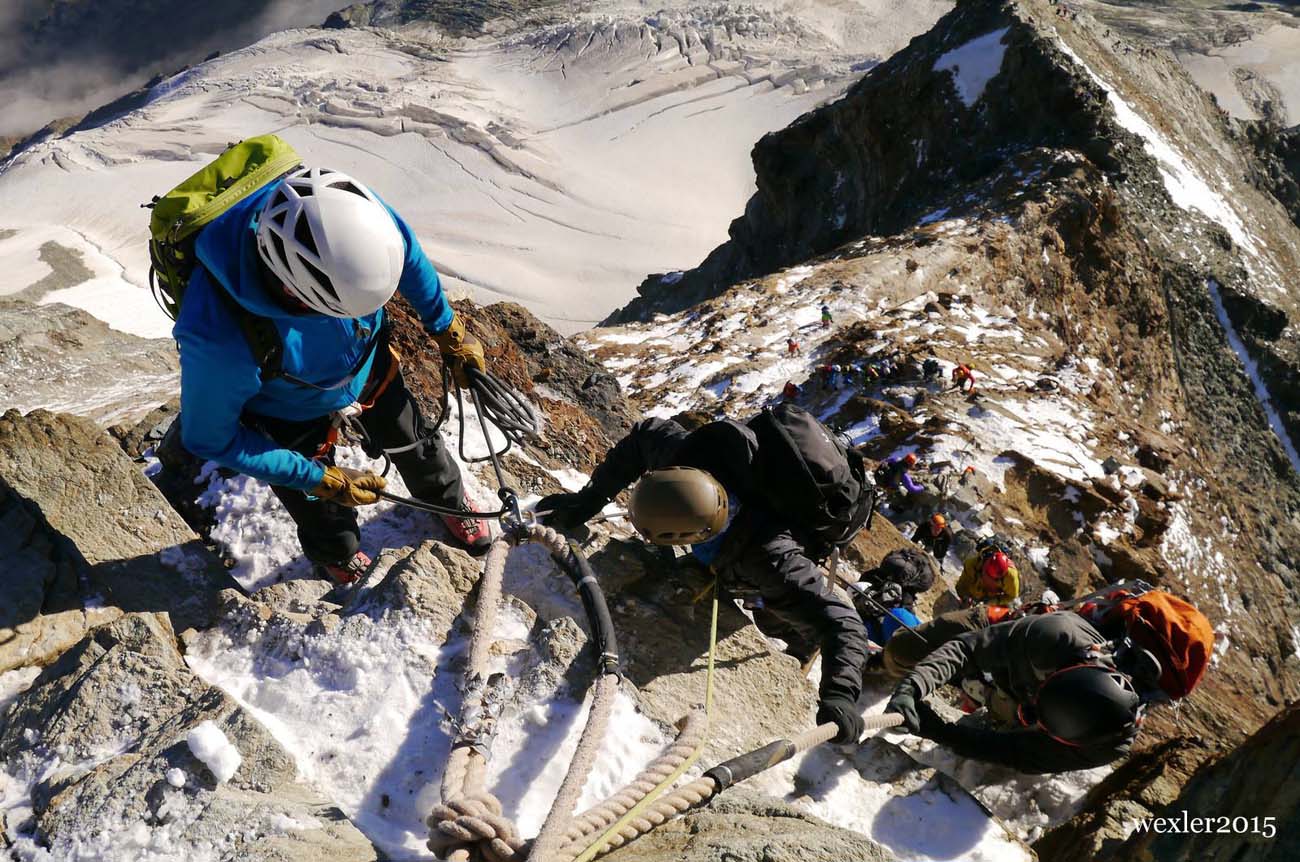
Above, the route steepens and fixed ropes help over sections that would otherwise rate 5.7 (UIAA 5). Ideally the rock is dry and the crampons are only required for a few shorter sections, namely for the “Dach”, the last 15 min to the summit. However, after storms or early in the season, crampons might be necessary for most of the climb, which increases the level of difficulty substantially.
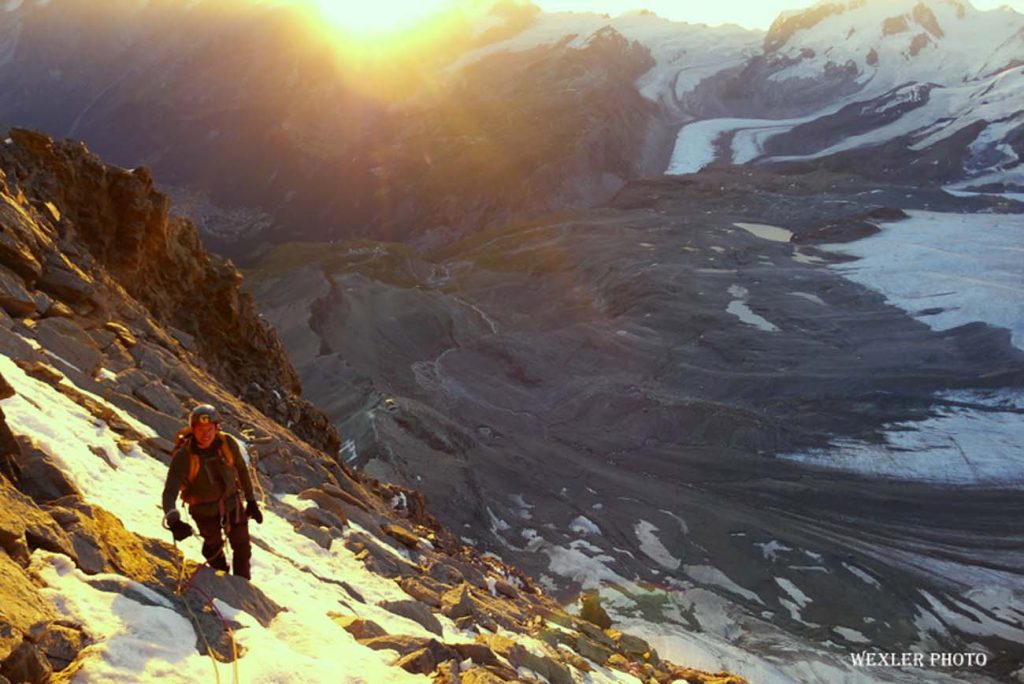
After a wake up call at 4 a.m., 5 – 6 hours are usually needed for the ascent and 4 to 5 hours for the descent. These timelines are generally strictly adhered to, as the height and the isolated position of the Matterhorn mean that it creates its own micro-climate, causing afternoon thunderstorms and severe weather. Clients must be able to climb quickly and efficiently, and a high level of attentiveness is required for the entire climb.
We will return to the Hörnli Hut around 2 to 3 p.m. for a quick break before descending back to Zermatt, assisted by the Schwarzsee gondola.
2) Ascent via the ‘Lion Ridge’
Day 1
Meet your guide at 10:00am in town for a trip briefing and gear check. From Zermatt we take the Schwarzsee cable car then cross over the Furggjoch (Furgg Col) (3,271 m / 10,730 ft) into Italy. A descent of approximately 450 m / 1,500 ft brings us to the Abruzzi hut, where we stop for a quick bite to eat and rest. Another 1,000 m / 3,300 ft ascent gets us to the Carrel Hut where we will stay for the night.
The Carrel hut is self-catered, which means we have to carry cooking utensils and food for that evening and the next day. Since we won’t come back the same way, we will carry everything with us on our ascent of the Matterhorn. This makes for a very long day in comparison with the ascent from the Hörnli Hut!
Day 2
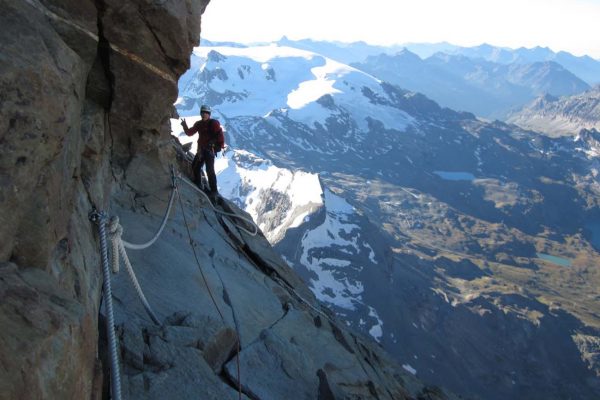
After a fairly early wake-up call we will head out the door, up the Lion’s Ridge. The route first follows the south side of the ridge and reaches the Tyndall rope via the features: “mauvais pas”, “rocher des écritures” and the “sheet”. We climb to the ridge, follow it as far as the “cravatte” and continue to the Pic Tyndall. From here we cross the Tyndall Ridge to the “enjambée” in order to reach the Col Félicité. The summit pyramid is climbed as far as the “Balcony” with the help of fixed ropes and the Giordano ladder. From the “Balcony” you climb to the summit. Descent via Hörnli ridge, as described above.
Detail and Logistics
Meeting Point
To be arranged with each client individually, commonly at or after breakfast on the first day at our Hotel in Zermatt.
Travel to Zermatt
The three closest international airports with road distances, travel durations and train fares:
From Geneva Airport: Car: 235 km, 2.30 hrs. Train: 4 hrs, CHF 51/person one way, 2 departures per hour with 3-4 changes. For a ticket in 1st class add CHF 39. Double the amount for a return ticket.
From Zurich:Car: 350 km, 3.30 hrs. Train: 4.5 hrs, CHF 63/person one way, almost hourly departures. For a ticket in 1st class add CHF 47. Double the amount for a return ticket.
For the train timetable and prices, please click on this link for the Swiss train webpage.
From Milan: Car: 230 km, 3 hrs. Train 4 hrs, Euro 80, almost every two hourly departures
Please note that if traveling by car, you will have to leave your car on a commercial parking lot (fees from CHF 4 to 7 every 24 hrs) in the village of Tasch, located about 10 km before reaching Zermatt. From there, you have to either travel by taxi or train (CHF 8, departures usually every 20 minutes during the day).
Here is a currency converter for your convenience.
Train from Zermatt to Schwarzsee:
Please click on this link for train ticket information and booking for Zermatt to Schwarzsee. One way train ticket in 2nd class is approx. CHF 33. You will need a ticket for your guide but note he/she has discounted rates so best to buy the two tickets the days of.
Climate, Weather, Temperatures
High season for all mountaineering in the western Alps is beginning of July through to mid-September. Understandably, most aspiring Matterhorn climbers worry about catching a bad weather week. Here are some hard facts to help you assess your chances from the Meteo Swiss statistics for Zermatt (Averages from 1961 – 1991):
|
June
|
July
|
August
|
September
|
October
|
|
| Precipitation in mm |
56
|
47
|
60
|
40
|
55
|
| Number Days of Precip. |
9
|
9
|
10
|
7
|
7
|
| Temperature Average in C |
10
|
12.5
|
11.7
|
9
|
4.8
|
The Matterhorn climb requires relatively dry conditions and quite commonly the most reliable period to catch good conditions on the mountain is mid-July to Mid August, but we have also seen seasons where the Matterhorn was only in climbable condition for 2 weeks – if even that! While September appears to be drier, new snow often lingers longer due to the colder temps.
Day time temperatures can vary between 30C (86F) in the valleys to -10C (14F) on clear mornings, when we start our day from the hut.
Services Included in the Total Price
Guiding by an internationally (UIAGM/IFMGA) certified, multilingual mountain guide or guide aspirant under supervision, trip organisation.
Not Included
Hut Lodging and food for both client and guide (Approx CHF 300 at the Hoernli Hut or EUR € 100 at the Carrel Hut (catered by the guide)), lunch (sandwiches, snacks can be purchased in the huts or in the valley),
drinks (beer is about CHF 7/ can, wine CHF 25 – 40 bottle), any accommodation or meals in the valley (Can be included from CHF 60 / double room with breakfast), gondola return trip for both client and guide to Schwarzsee aprox. CHF 50, use of technical equipment: Harness, helmet, crampons, ice axes, carabiners can be arranged for a fee.
3 Day Matterhorn Program
Guide-Client ratio Training days: 1:2
Guide-Client ratio Mattehorn ascent 1:1
We highly recommend arriving a day or 2 in advance to acclimatize. One of the biggest causes of an unsuccessful summit attempt is climbers feeling ill from altitude sickness.
Day 1: Meet with the guide at 9am for breakfast at your hotel. You will then board the Gornergrat train from Zermatt to Rotenboden station. Rock climbing/skill review (6- 7 pitches) at the Riffelhorn (2900 m). Lodging back at your hotel in Zermatt.
Upgrade option: For better acclimatization, amazing scenery and a jacuzzi to relax those muscles before your climb Matterhorn climb, consider spending the night at the Hotel Riffelhaus 1583, sitting high at 2548m for better acclimatization. Expect rates between 350 CHF – 500 CHF for a double room. Great for couples/friends (Twin room options are not available).
Day 2 and 3: Continue with our 2-day Matterhorn program as described under the “itinerary tab”. Lodging at the Hornli Hut on Day 2, lodging in Zermatt on Day 3.
2026 Pricing:
1 participant: EUR € 3,410
2, 4, 6 participant: EUR € 3,280
3, 5 participant: EUR € 3,410
Inclusions:
- 3 x days of guiding by an internationally certified Mountain Guide UIAGM / IFMGA
- 1 x night dorm-style lodging with half-board at the Hornli Hut including for the guide
- Guide expenses
- Trip organization
Not included:
- Rental equipment, gondolas / trains
- Accommodation in Zermatt
- Insurance
4 Day Matterhorn Program
4 Day-Program:
Guide-Client ratio Training days: 1:2
Guide-Client ratio Mattehorn ascent 1:1
We highly recommend arriving a day or 2 in advance to acclimatize. One of the biggest causes of an unsuccessful summit attempt is climbers feeling ill from altitude sickness.
Guide Meeting: Meet your guide either at 5 PM on arrival day or at 8 AM on Day 1 for breakfast in your Hotel . Your guide meeting time/date will be preplanned in your trip information letter provided to you 4-6 weeks prior to your trip
Day 1: Riffelhorn
Meet with the guide at 9am for breakfast at your hotel. You will then board the Gornergrat train from Zermatt to Rotenboden station. Rock climbing/skill review (6- 7 pitches) at the Riffelhorn (2900 m). Lodging back at your hotel in Zermatt.
Day 2: Half Traverse of the Breithorn
This is a diverse high-alpine tour. Gondola ride to the Klein Matterhorn early in the morning.
Traverse from east to west first up to the Breithorn center peak (4’159 m a.s.l.), followed by the ascent of the Breithorn main summit (4164 meters=13660ft). Solid rock, climbing difficulty of the fourth degree and the partially exposed ridge with breathtaking views give this ascent its unique character.
Days 3 and 4: Continue with our two-day Matterhorn program.
2026 Pricing:
1 participant: EUR € 4,275
2, 4, or 6 participants: EUR € 3,625
3 participants: EUR € 3,840
5 participants: EUR € 3,755
Inclusions:
- 4 x days of guiding by an internationally certified Mountain Guide UIAGM / IFMGA
- 1 x night dorm-style lodging with half-board at the Hornli Hut including for the guide
- Guide expenses
- Trip organization
Not included:
- Rental equipment, gondolas / trains
- Accommodation in Zermatt
- Insurance
- Any additional cost due to changes in the itinerary, may they be caused by weather, mountain conditions or personal preference.*
- Cushion day (allows for a 2nd summit attempt on Matterhorn)
5 Day Matterhorn Program
Guide-Client ratio Training days: 1:2
Guide-Client ratio Matterhorn ascent 1:1
We highly recommend arriving a day or 2 in advance to acclimatize. One of the biggest causes of an unsuccessful summit attempt is climbers feeling ill from altitude sickness.
Guide Meeting: Meet your guide either at 5 PM on arrival day or at 8 AM on Day 1 for breakfast in your Hotel . Your guide meeting time/date will be preplanned in your trip information letter provided to you 4-6 weeks prior to your trip
Day 1: Riffelhorn
Meet with the guide at 9am for breakfast at your hotel. You will then board the Gornergrat train from Zermatt to Rotenboden station. Rock climbing/skill review (6- 7 pitches) at the Riffelhorn (2900 m). Lodging back at your hotel in Zermatt.
Day 2: Half Traverse of the Breithorn
This is a diverse high-alpine tour. Gondola ride to the Klein Matterhorn early in the morning.
Traverse from east to west first up to the Breithorn center peak (4’159 m a.s.l.), followed by the ascent of the Breithorn main summit (4164 meters=13660ft). Solid rock, climbing difficulty of the fourth degree and the partially exposed ridge with breathtaking views give this ascent its unique character, descent to the Rifugio Valle d’Ayas for the night.
Day 3: Pollux
Ascent of Pollux. The climbing is on good rock before the summit of Pollux 4092m, with an impressive view of the Monte Rosa Range. Descent to the Kleine Matterhorn, then we take the train back down to Zermatt. (Distance: 6.6 km. Walking time: 5-6 h. Ascent/descent: 835/345 m)
Days 3 and 4: Continue with our two-day Matterhorn program.
2026 Pricing:
1 participant: EUR € 5,170
2, 4, or 6 participants: EUR € 4,185
3 participants: EUR € 4,490
5 participants: EUR € 4,360
Can I Do It?
Quite surprisingly, the Matterhorn is being frequently underestimated. It is basically a very sustained rock climb in high altitude that requires 100% attention for 8 – 10 hours both up and down. Most of the climbing is exposed (dead fall potential) and requires you to be roped with your guide right from the hut. Departure time is between 4- 5AM which means you usually climb the first hour in the dark in the light of your headlamp. Overall a very intimidating ambiance and passing by several dozen memorial plaques between the hut and the start of the climb is not mood lifting either.
On both Matterhorn standard routes, it is necessary to keep to good time lines while climbing carefully and efficiently with pretty clearly determined turnaround times. You should be able to climb rock to 5.6 (UIAA grade 4+) in mountaineering boots and possibly with crampons. The upper part of the peak is usually snow and ice covered and so are lower parts of the climb in early season or after bad weather events, which adds quite a bit of difficulty. The upper part of the mountain (after the Solveigh emergency shelter) gets steeper and fixed hemp ropes facilitate some vertical and even short overhanging sections which would otherwise take the required rock climbing skill to 5.8 or even 5.9. The descent is the most challenging part and is conducted largely by rapelling / lowering and downclimbing.
Between the odds of the weather, suboptimal mountain conditions, lack of skill, fatigue or straight out intimidation during the climb, success rates are usually around 50%. This is a very challenging program for experienced, very fit and well acclimatized climbers only.
Acclimatization
Acclimatizing to the high altitude
We would prefer if you could plan a 3 day hike prior to your training day to acclimatize to the elevation. Here is our itinerary suggestion:
Day 1:
Hike from Zermatt located at 1,620 m / 5,314 ft to the Schoenbiel Hut located at 2,717 m / 8,916 ft so 1097 m / 3,602 ft elevation gain. Spent the night at the hut.
Here is a website with more details: http://www.hikingwalking.com/destinations/sw/sw_valais/zermatt/schonbielhutte
Day 2:
Hike from the Schoenbiel Hut to the Rothorn Hut located at 3,198 m / 10,492 ft so 481 m / 1,576 ft elevation gain.
Hike up from the Schoenbiel Hut to the Mittelhorn at 3,400 m / 11,155 ft so 202 m / 663 ft elevation gain. Spent the night at the hut.
Day 3:
Hike from the Rothorn Hut back to Zermatt so 1,578 m / 5,178 m elevation loss.
FAQ
Do I need to sign a Release of Liability & Assumption of Risk Agreement (a.ka. liability waiver)?
Yes, you do. Mountaineering, skiing, climbing, hiking, via ferrata and all other wilderness and adventure travel activities are inherently risky with potential for injuries or even death.
It is very important to us that you are aware of those risks before you start the booking process, which includes filling out a booking form and paying a deposit.
With signing the liability waiver, you confirm that you understand the potential risks and hazards, and are willing to accept the risks, which includes giving up legal rights you may have.
This would also be the time to ask questions or address concerns before you book.
For your reference here is a link to our Liability Waiver. Our booking terms & cancellation policy with more details can be found here
Is it possible to schedule an additional day as a bad weather contingency?
Our guides can reserve an additional day at 50% of our advertised daily guides rate plus lodging / food expenses to maintain flexibility in order to reduce chances that the Matterhorn summit bid doesn’t fall victim to bad weather. Should this day in the end be used, we would charge you the remaining 50% fee after the trip.
Hornli Hut reservation and cancellation: Full Cancellation penalties apply if cancelling the Hornli Hut at anytime after making a reservation.
Gear Rental
Where can I find some of the technical equipment needed if I don’t have it?
There are several shops in Zermatt that offer gear rental:
Gear List
Matterhorn Equipment List as Downloadable .PDF
Please download a PDF copy to use as a checklist when preparing for your trip.
Considerations
Packing for a mountaineering trip is a balancing act. You want your pack to be as light as possible so you can truly enjoy the ascent. But you also need to have enough gear to be warm (or cool), comfortable, and well-fed and watered. When buying, renting, or borrowing gear for the trip, please keep weight, performance, and function in mind.
There are plenty of outdoor stores in both Zermatt and Cervinia, intermingled with cafes, bistros, bookstores, and restaurants. If you need clothing, footwear, or gear for the trip, come a day early and shop to your heart’s desire.
Technical Equipment
Bring the following, or rent or buy it upon arrival (see “Trip Info” links at the bottom of this webpage):
- High-quality, full-shank, leather or synthetic mountaineering boots
- Lightweight, collapsible ski poles (optional, but at least one is recommended)
- Gaiters, unless your pants lock tightly to your boots
- 40-50 litre backpack with rain cover for transporting your things plus group gear
Bring the following, buy it upon arrival, or ask us (in advance) to provide the items:
- Crampons with anti-snowballing plates, fitted to your boots
- Ice axe for glacier travel (50-75 cm, classic pick)
- Climbing helmet
- Harness for glacier travel
- Two conventional locking carabiners or one triple-action locking carabiner
Your guide will bring the following:
- Rope and group safety gear
- Group first aid kit and general repair kit
Clothing
Temperatures at the summit of the Matterhorn are often below 0°C (32°F), even during the height of summer. The starting elevations for the approach hikes are 2,559 m (above Zermatt) and 2,802 m (above Cervinia). Having several clothing layering options is important. Bring light, technical clothing that doesn’t take much space in your backpack and dries quickly when sweaty or wet.
- Wind and waterproof shell jacket with hood (Gore-Tex or similar)
- Wind and waterproof over pants with side zippers (Gore-Tex or similar)
- Synthetic mountaineering pants (eg. lightly lined Schoeller fabric or similar)
- Warm Primaloft jacket with hood
- Medium weight fleece sweater
- Synthetic or wool base layers – top and bottom
- Synthetic t-shirt
- Quick-drying sports bra
- 1-2 pairs good quality trekking or mountaineering socks
- Thin liner socks
- Warm hat, covering your ears
- Two pairs of gloves (one pair lightweight and one pair waterproof and heavier weight – made for cold mountaineering conditions)
- Sun hat, preferably with a wide rim
- Bandana or Buff (optional)
At the Hut
- Spare socks and underwear
- Light down jacket or vest (optional)
- Sleeping bag liner – silk is lightest. Blankets are provided.
- Light hut slippers (optional – they are provided at the hut)
- Toiletries (keep to a bare minimum – the hut has limited washing facilities and no showers)
- Alpine Club membership card (if you hold membership)
- Earplugs (optional, but recommended)
Other items
- Your favourite lunch items and hiking snacks – candy bars, dried fruit, nuts, etc.
- Sunglasses with high UV protection – glacier-specific sunglasses are best
- Sunscreen and lip protection with high SPF. Consider zinc-based.
- One or two one-litre water bottles with insulators. Water bladders are not recommended.
- Headlamp with spare battery
- Personal first aid kit and other needs (eg. blister kit, prescription medicine, anti-inflammatory, contact lenses, prescription glasses, etc.)
- Pocket knife (optional)
- Passport, health and travel insurance documents
- One or two lightweight garbage bags for extra waterproofing (optional)
- Light stuff sacs or Ziploc bags to keep your backpack organized and important items dry (optional)
- Camera, spare batteries (optional)
- Maps, GPS, altimeter watch (optional)
- Hand sanitizer or sanitary hand wipes (small personal amount)
- Feminine hygiene supplies
- Toilet paper – small amount for daytime emergencies
- Telephone with charging cable (optional)
- Adaptor for European charging system (optional)
Risk Disclosure
How dangerous is an ascent of the Matterhorn?
The Matterhorn climb is a challenging technical climb even on the so called Normal Route via Hörnli Ridge from Zermatt. A guided climb entails a lot of so called “short roping” (i.e. moving together in lower angle terrain with a short rope connecting guide and client for the purpose of the guide to be able to hold a client’s slip / fall) or “pitching out” where the guide goes ahead on steeper sections until he/she can establish a belay, which could be various types of anchors or simply a shoulder or hip belay from a well supported or wedged position. All these techniques are geared to maintain a good pace in order to achieve the summit and descent within an 8 – 10 hrs time frame hut to hut. In addition to the fall hazard that these described guiding techniques entail, there are also additional “Matterhorn-specific” risks that include the following:
- “Regular” rock fall: The Matterhorn is primarily a rock climb and the quality of the rock is frail. This is mitigated by the fact that the Normal Route has been well-travelled for over a century and relatively “cleaned out” from loose rock over time. Also, a lot of the climbing is along the east ridge, which ridges are less exposed to rock fall than climbing in large faces. That being said the Matterhorn has a reputation for being dangerous for rock fall accidents.
- “Large rock fall / rock slide events: In times of extended heat during the summer, the Matterhorn has seen large rock fall or rock slide events where entire parts of the ridge or large rock towers gave way. There have been events when climbers have been evacuated from the mountain by helicopter or sometimes local guides suspend guiding operations if there are signs of instability during these “heat waves”.
- Fixed hardware: There are many fixed anchors on the Hornli Ridge, usually large rebar posts of various ages that have been drilled into the rock. These anchors are being used for most of the belaying and rapelling on the descent commonly without backup. There has been at least on case of an anchor failing resulting in a fatal accident that we are aware of.
- The Matterhorn is extremely exposed to bad weather and cold fronts can turn the mountain to wintery conditions in a matter of minutes even in summer.
2026 PRICES
2-Day Matterhorn Ascent EUR € 1685 per person
For all-inclusive prices for 3-, 4-, and 5-day packages, please check the “Trip Packages” tab on the left.
CUSTOM TRIP DEPARTURES
Anytime July, August, September
Please note:
Only participants that have previously partaken in one of our longer trips can sign up for our 2 day Matterhorn. At least one training day is mandatory if not acclimatized and/or an experienced alpine climber.
Additional training & acclimatization days are recommended under the “Trip Packages” tab on the left.
TRIP INCLUSIONS
Included:
- 2 days of guiding by an internationally certified Mountain Guide UIAGM / IFMGA
- Trip organization
Not included:
- Gondola for yourself and guide (reduced rate for guide)
- Lodging and Food for yourself and guide at the Hörnli Hut (approximately EUR € 150 per person per night) or at the Carrel Bivi Hut (approximately EUR € 50 per person per night)
- Rental equipment
- Zermatt lodging
- Possibly one overnight with dinner for your guide before the climb (CHF 150) depending on trip set-up
- Insurance
Additional Days for Training or Cushion Days:
EUR € 600 for 1:1 guide – client ratio
EUR € 680 for 1:2 guide – client ratio ( EUR € 340 per person)
Guide only. Guide Expenses Extra.
GROUP TRIP SIZE
Guide – client ratio 1:1 (Matterhorn ascent)
Guide – client ratio 1:2 (Training Days)

SIMILAR TRIPS
TRIP INFO LINKS
Matterhorn Sport
Bayard Alpine Lifestyle, Zermatt
Yosemite Shop