
Canadian Wilderness Ski Traverses
Canada / Canadian Rockies/ Alberta & British Columbia
Bugaboos to Rogers Pass, Selkirks, Monashees and Rockies Ski Traverses in Western Canada
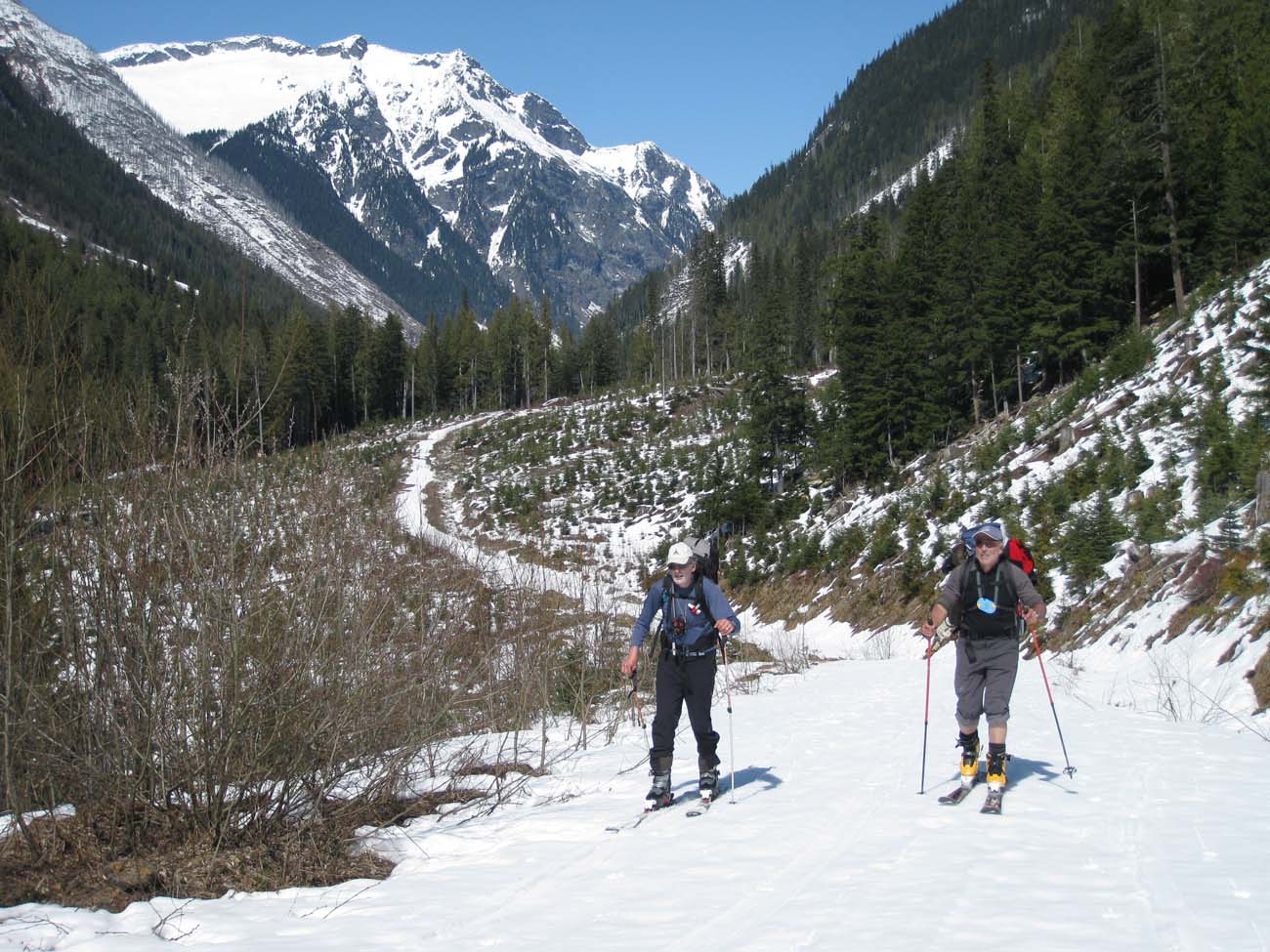
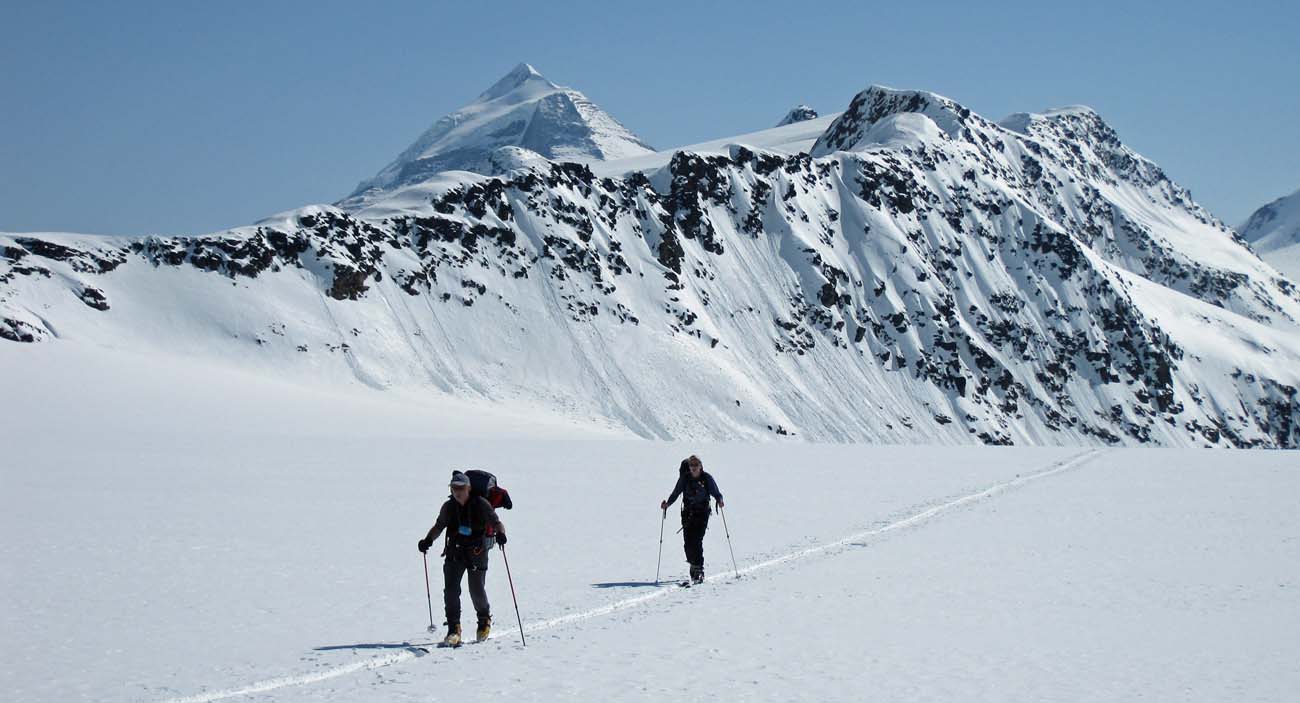
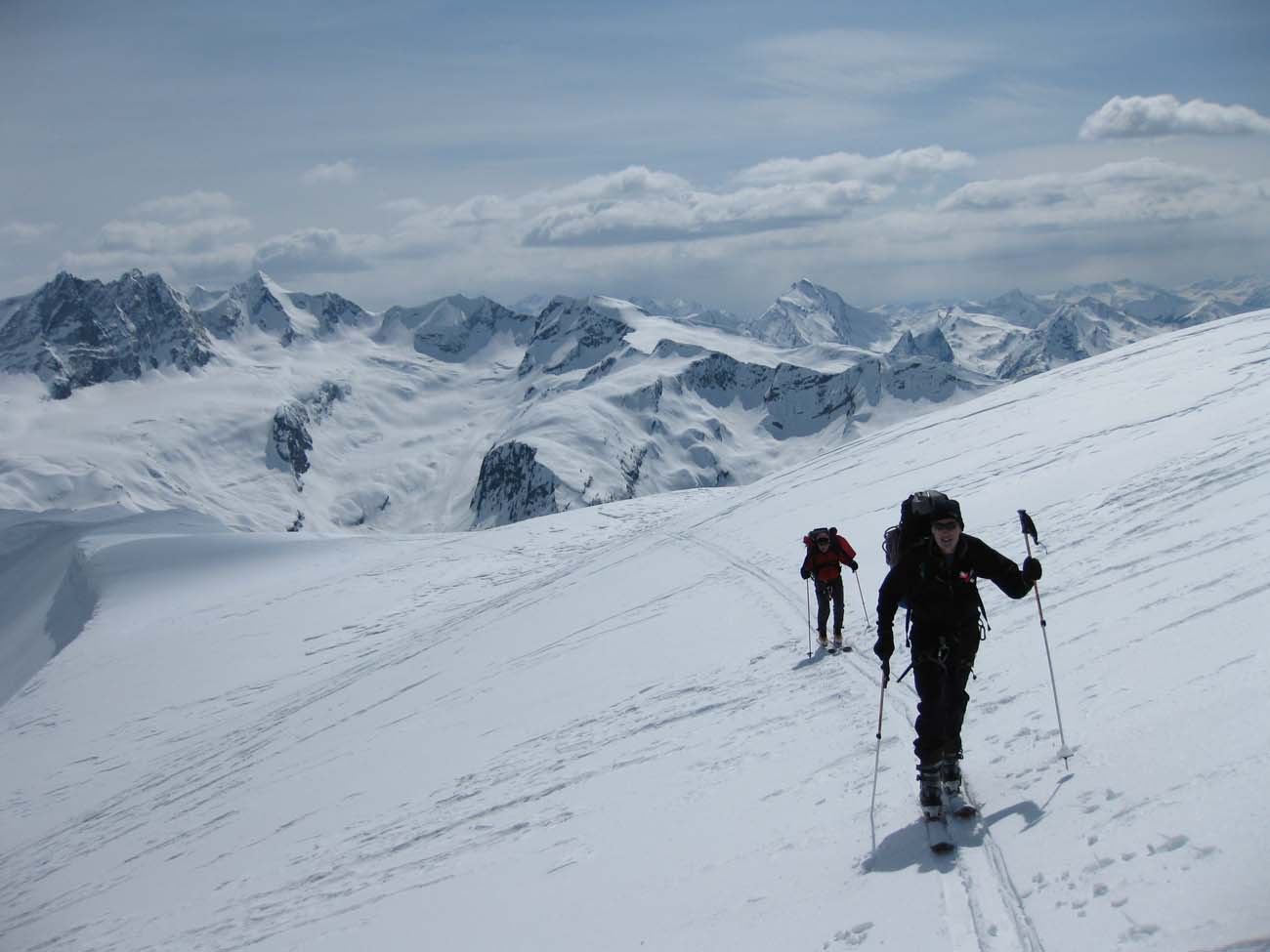
3- to 21-day backcountry ski traverses through the remote wilderness of the Canadian Rockies, Selkirks or Monashee Ranges.
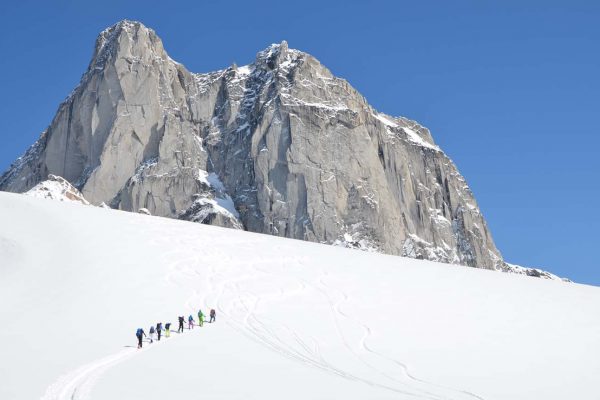
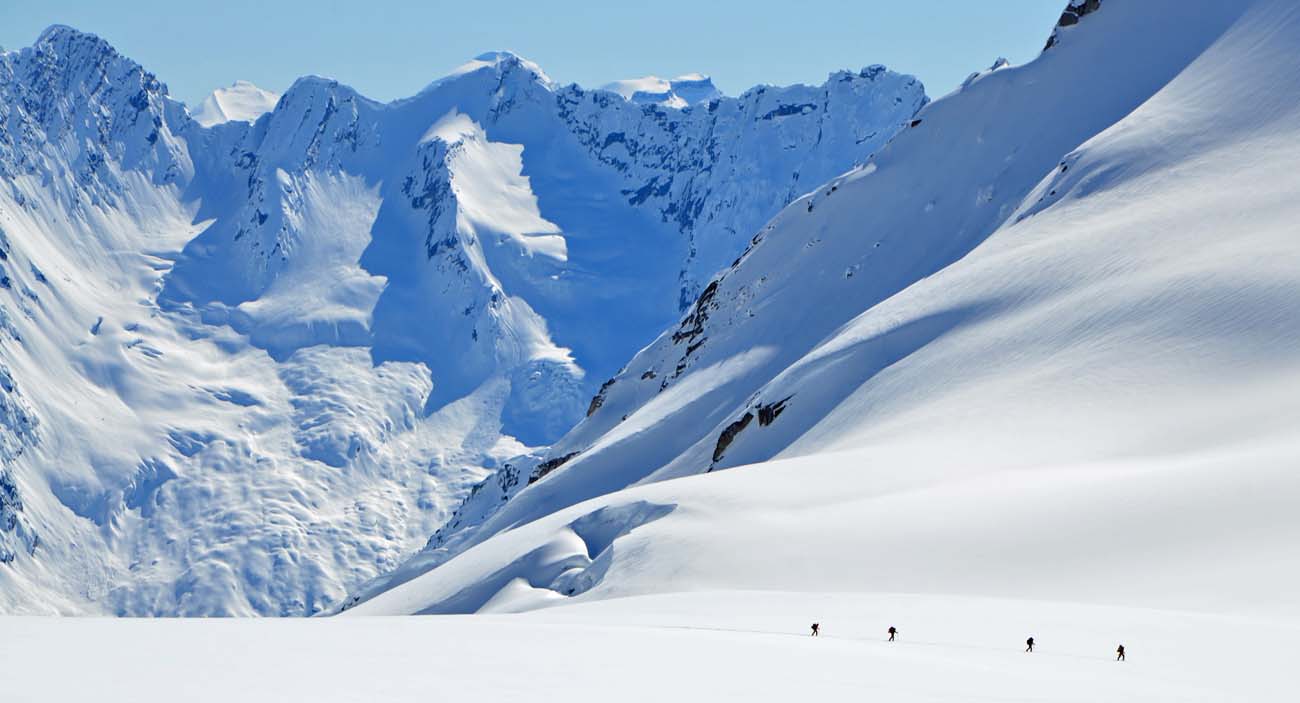
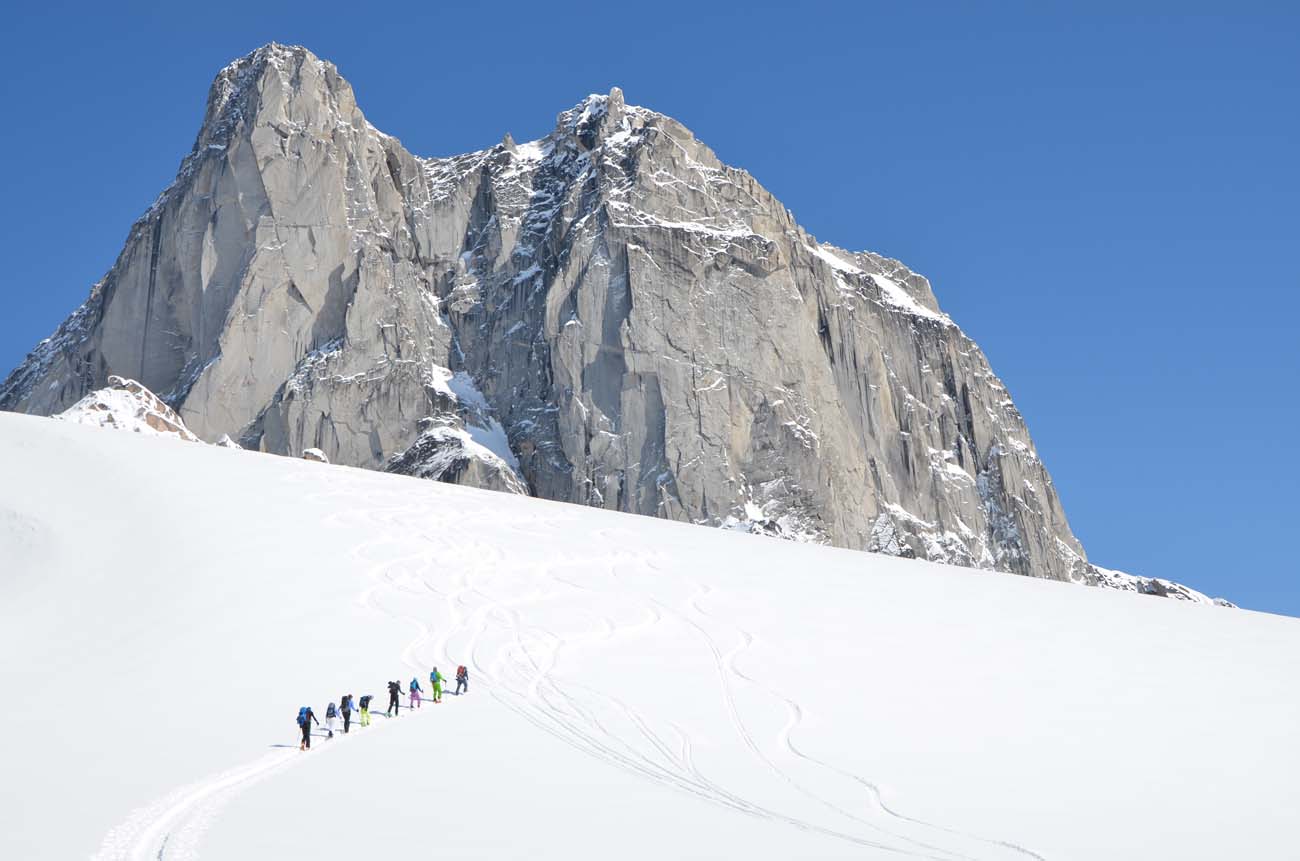
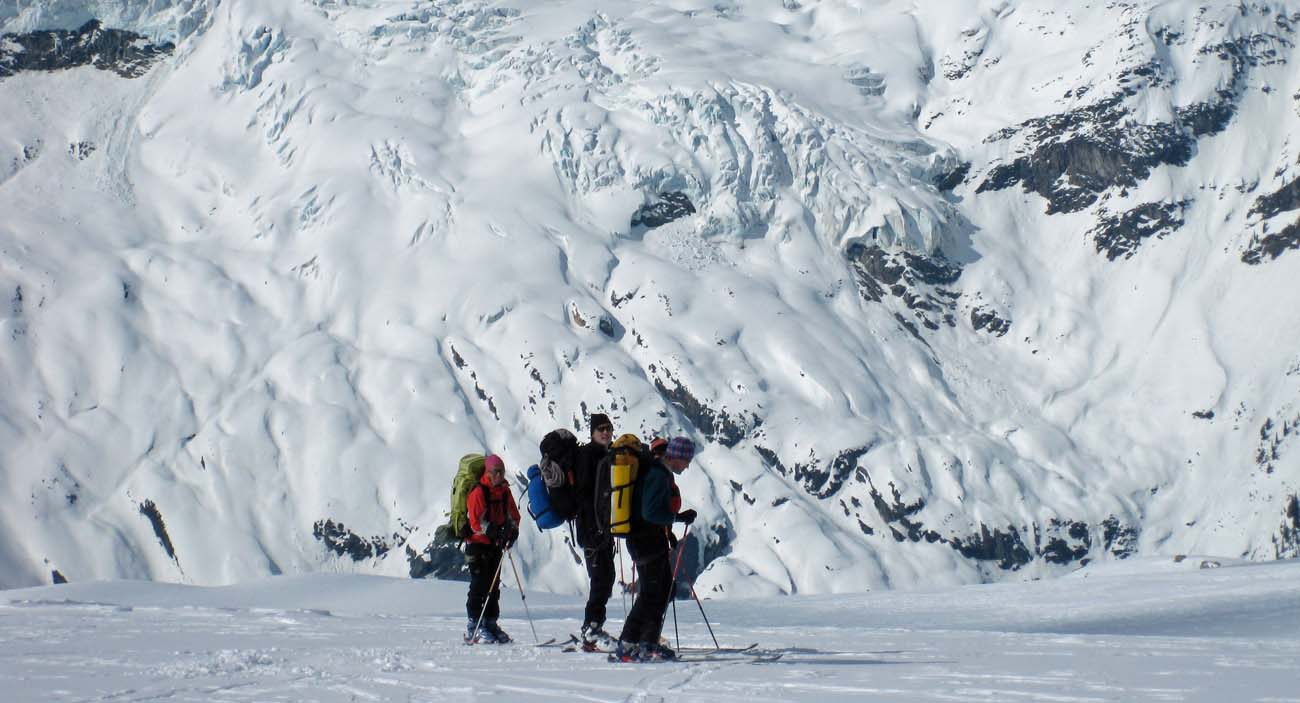
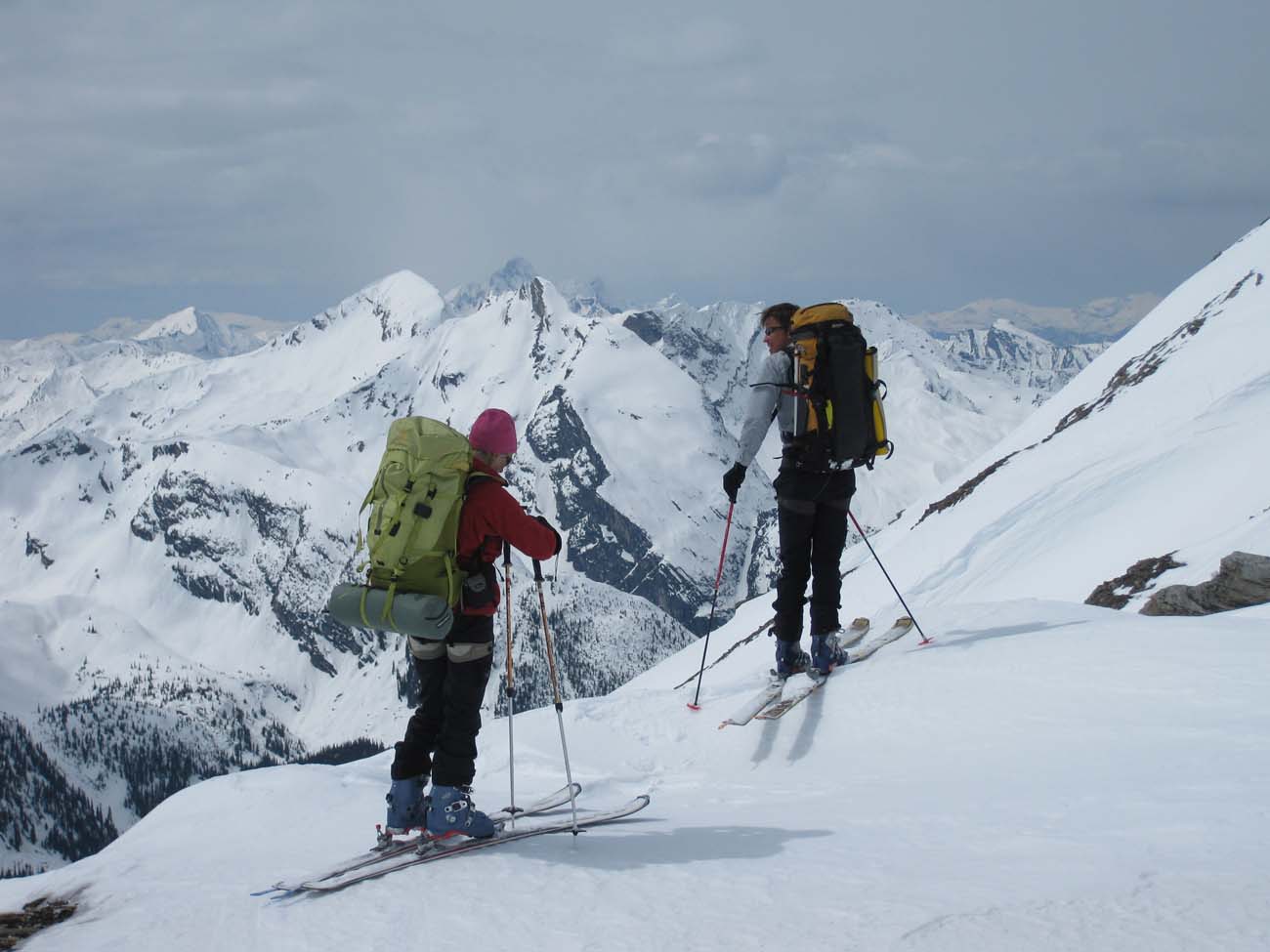
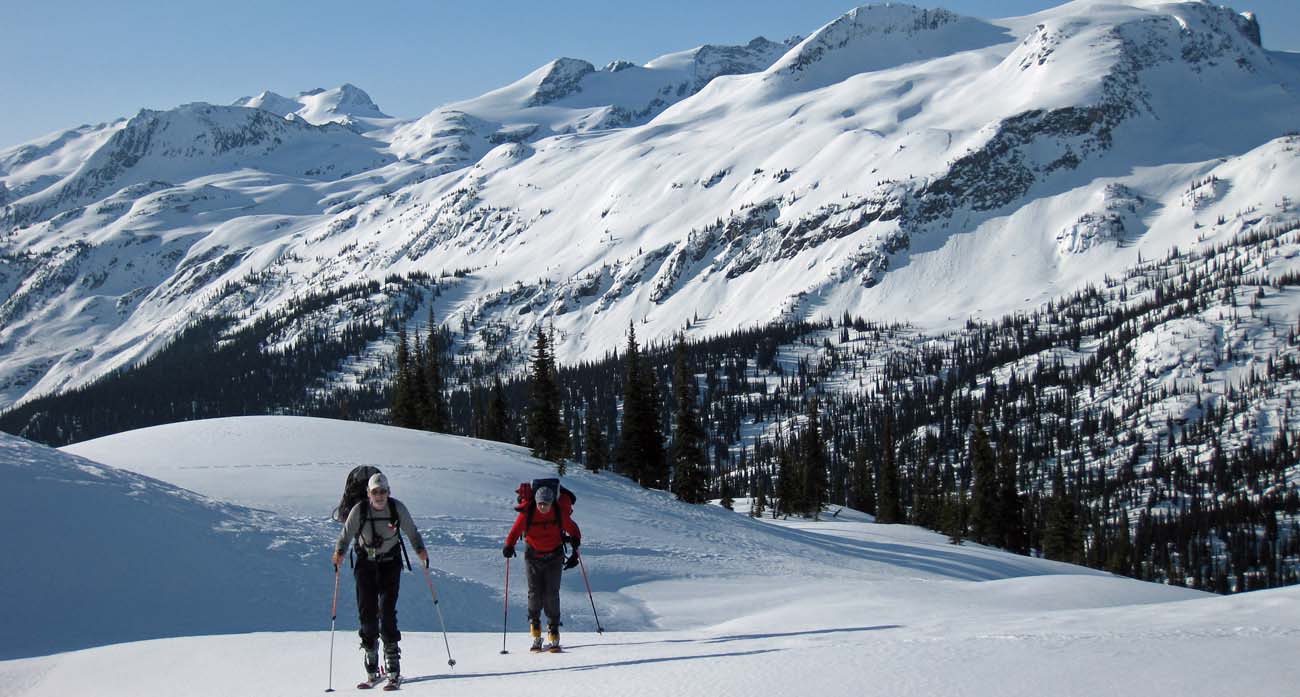
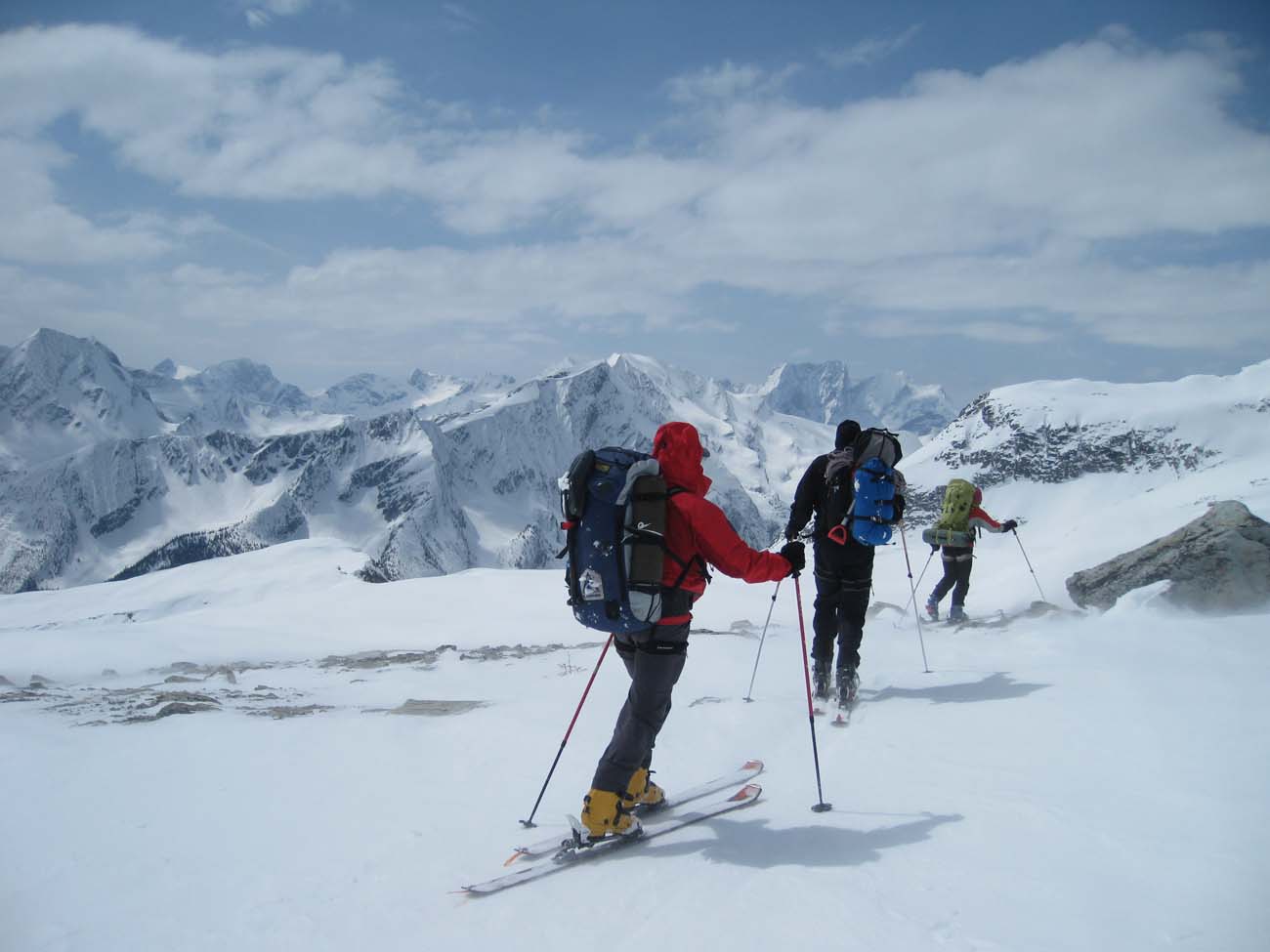
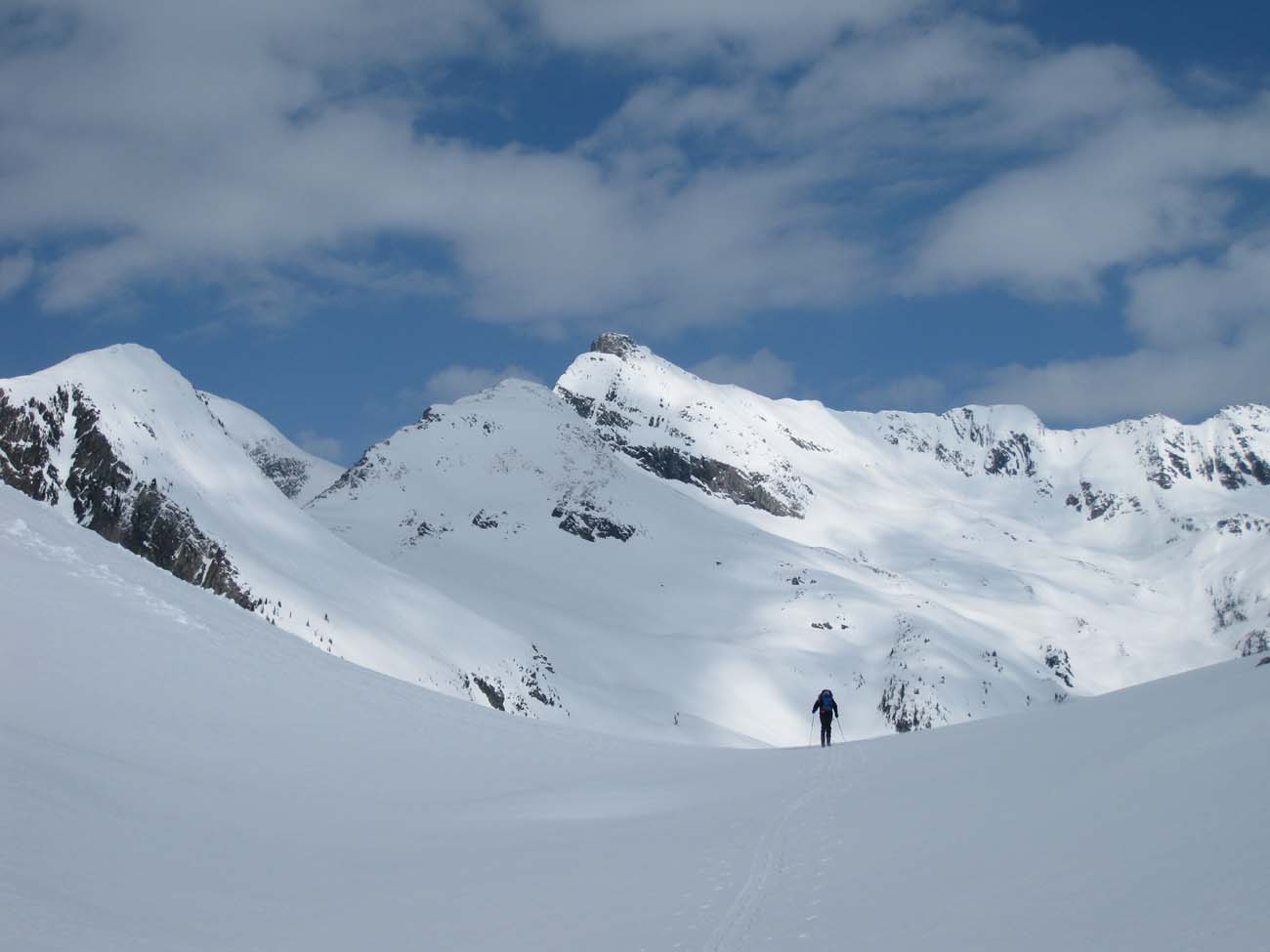
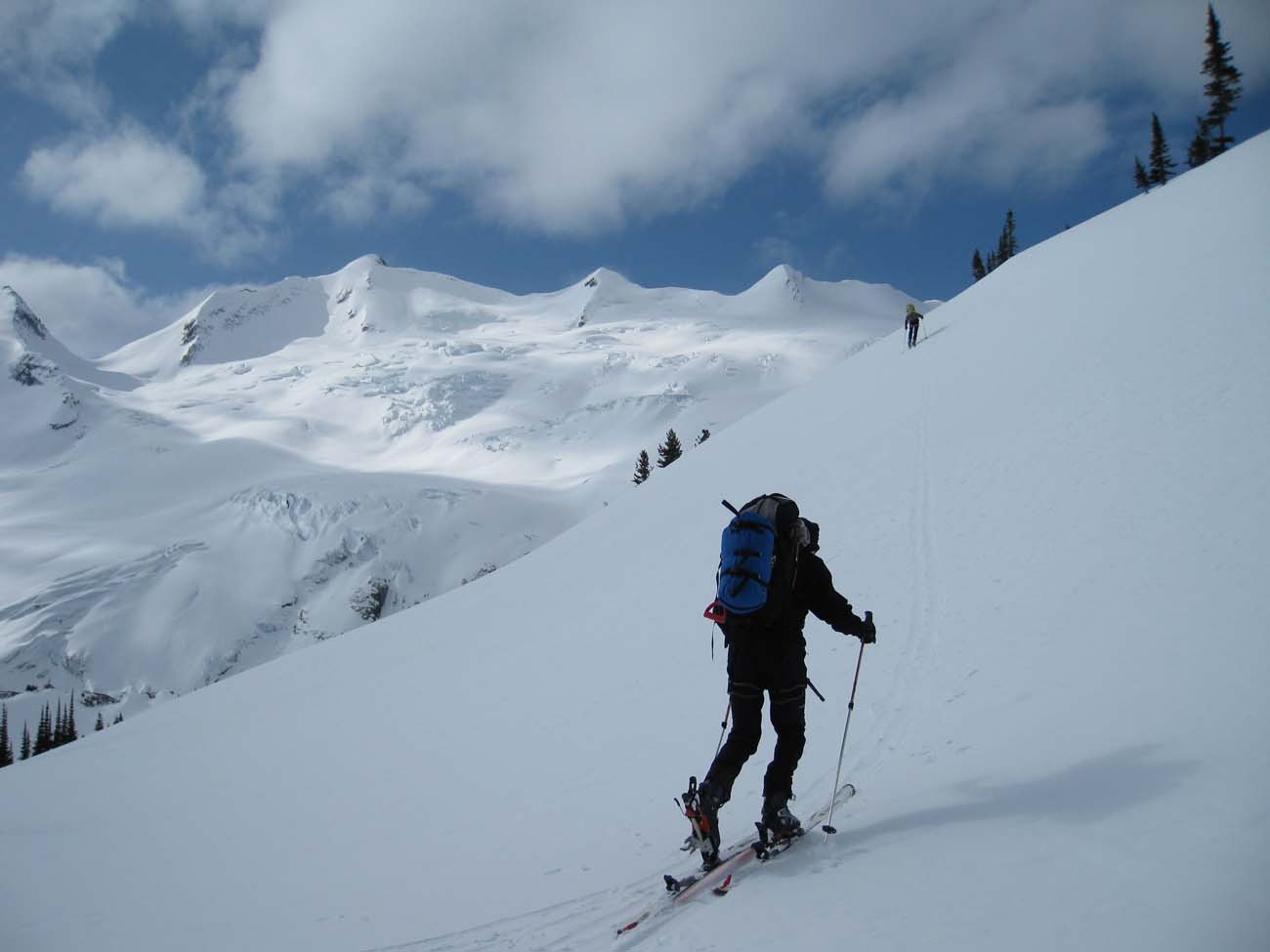
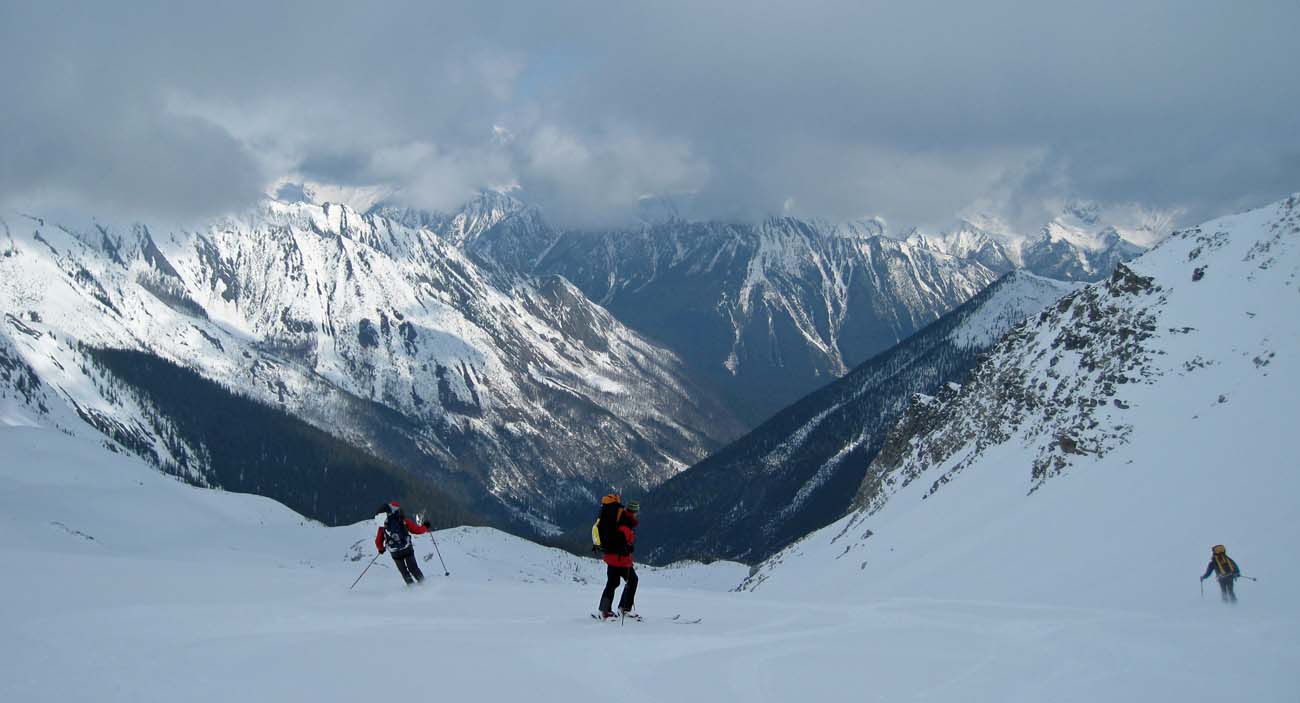
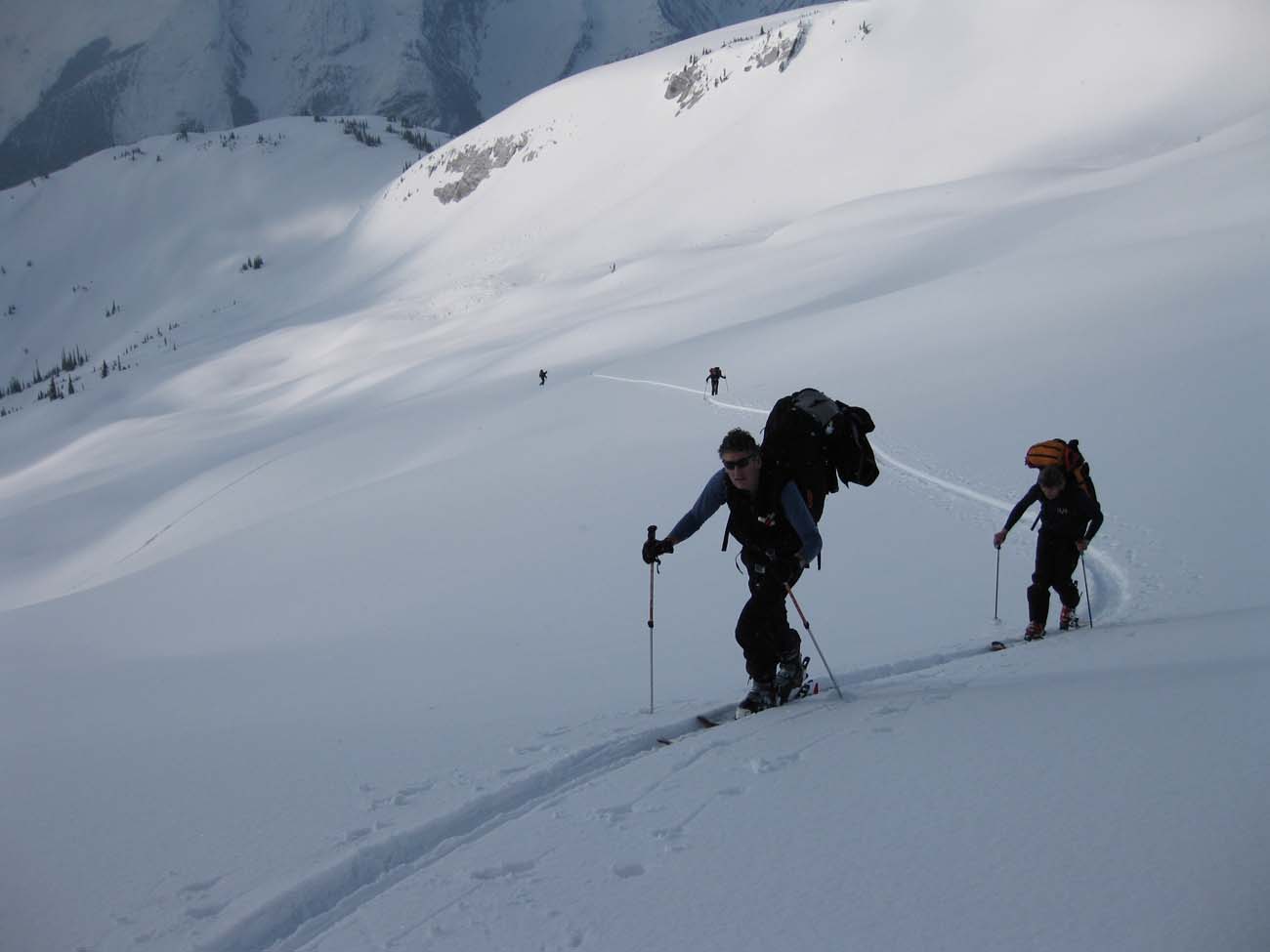
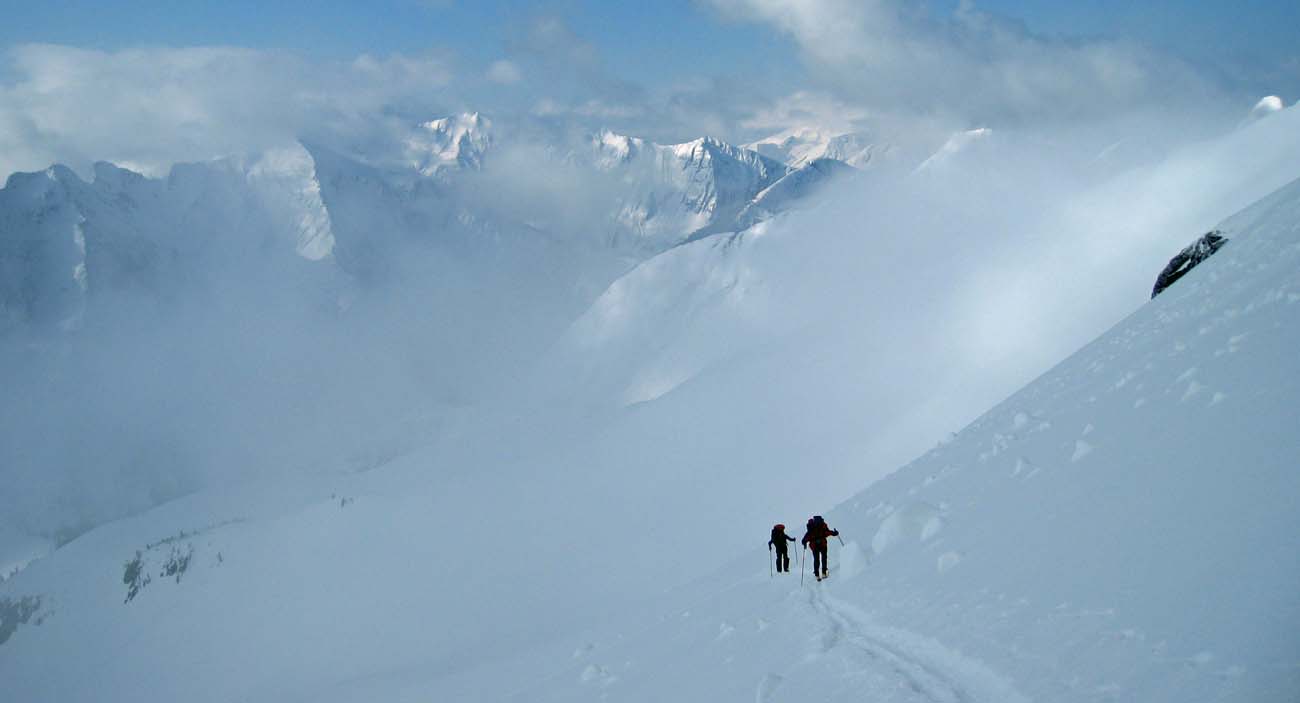
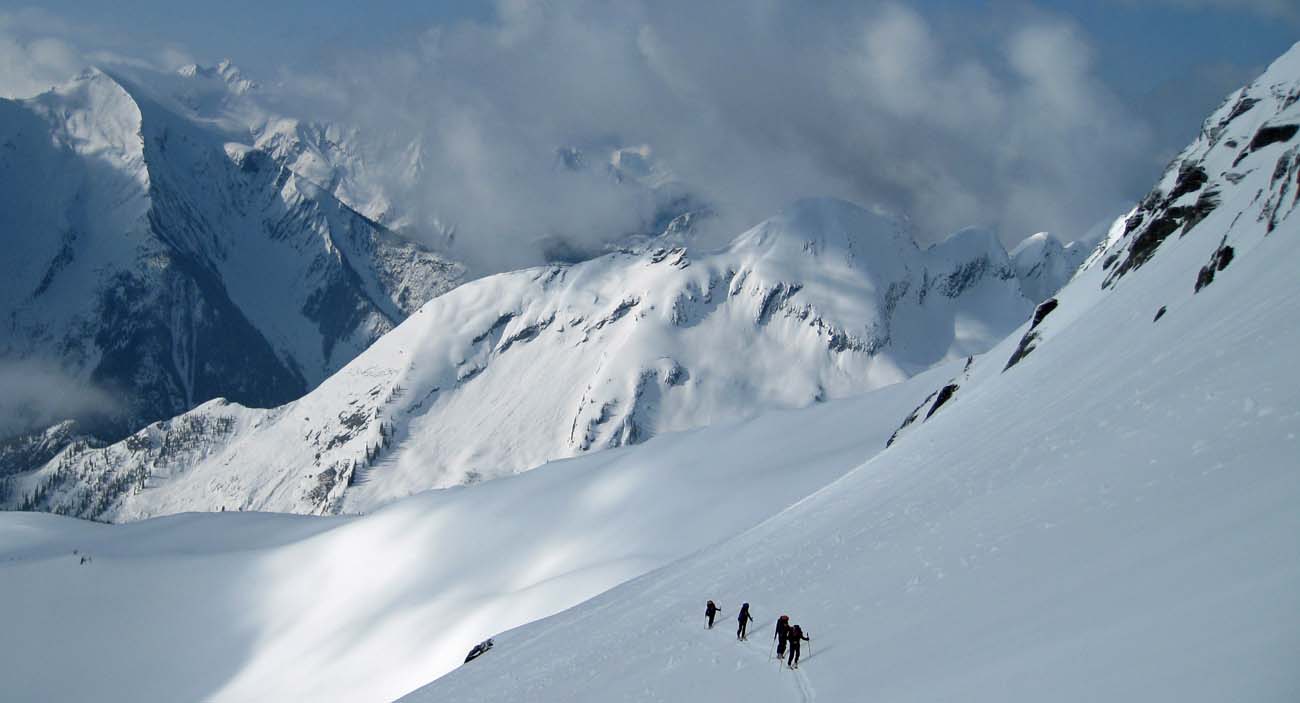
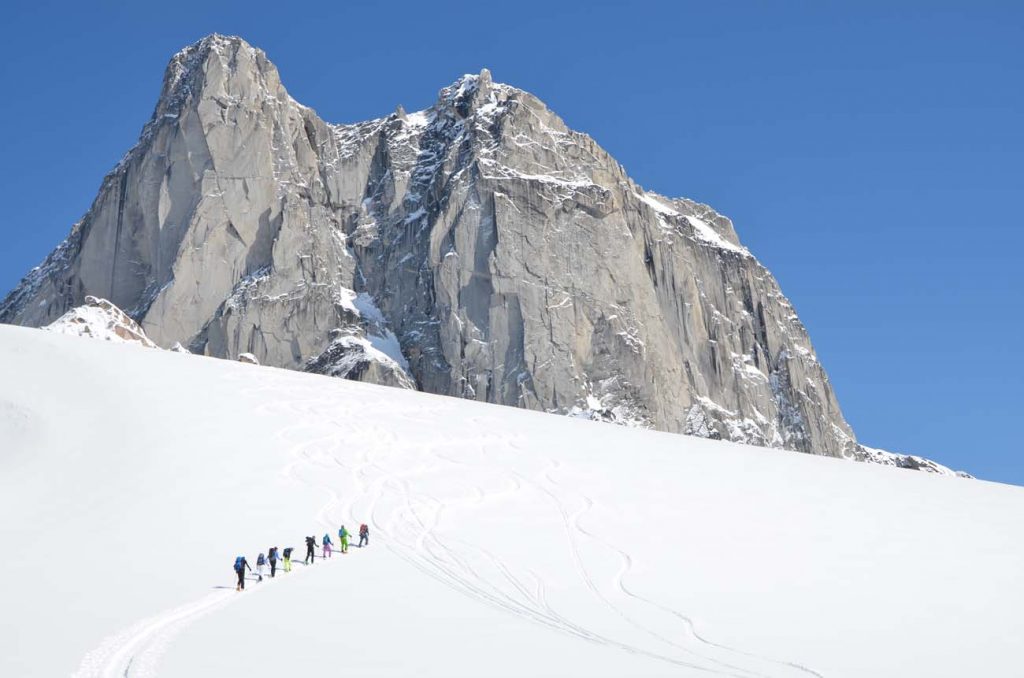
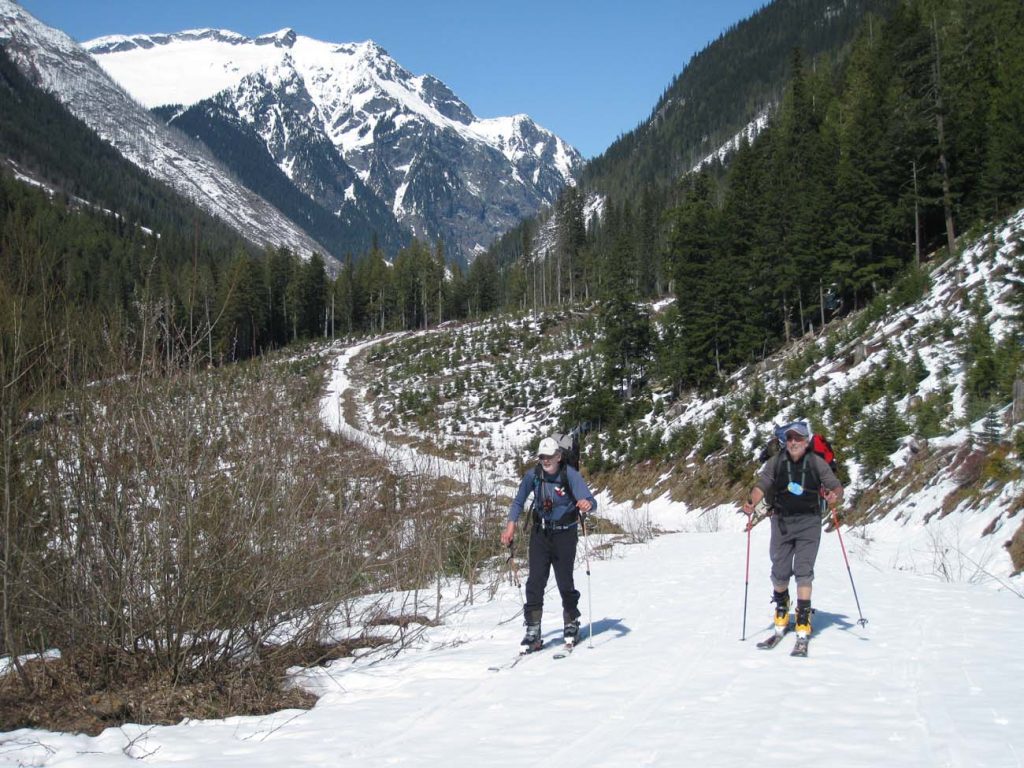
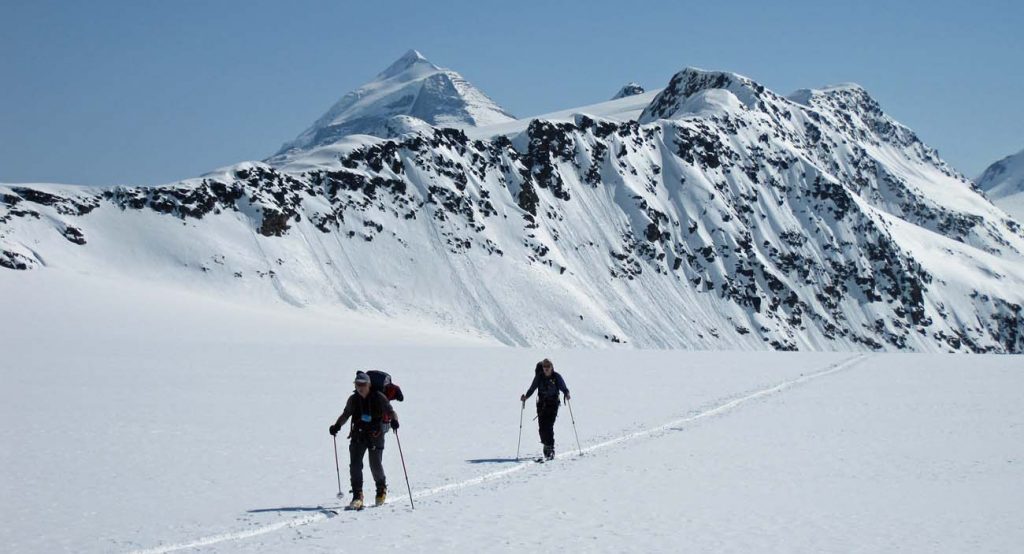
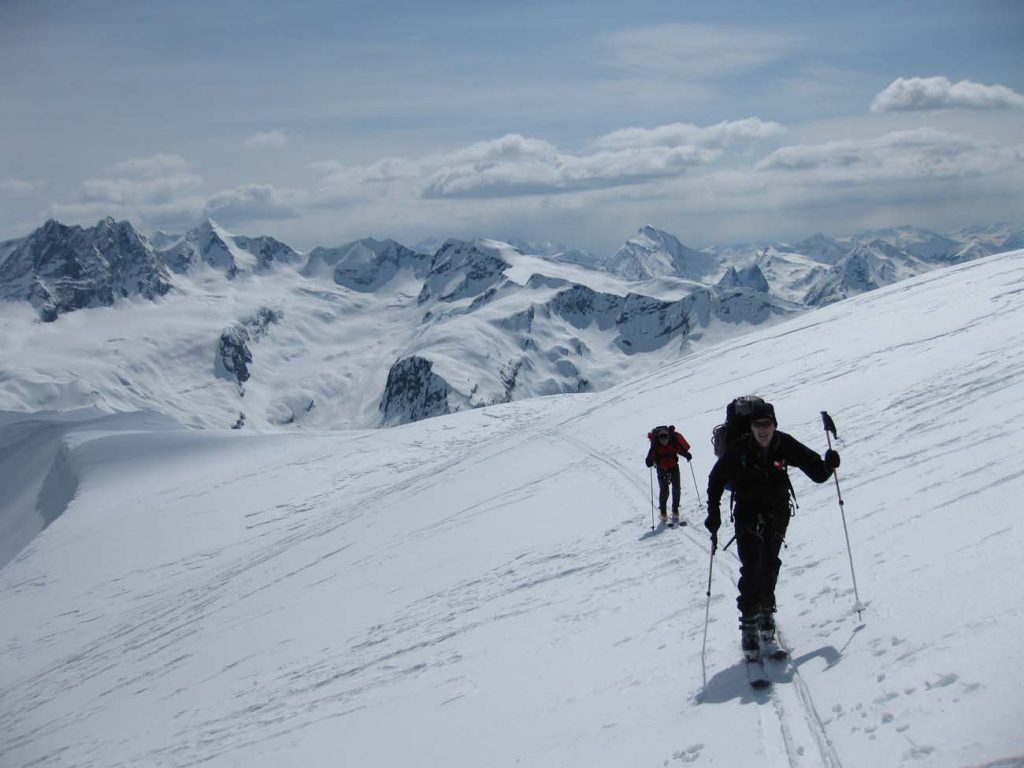
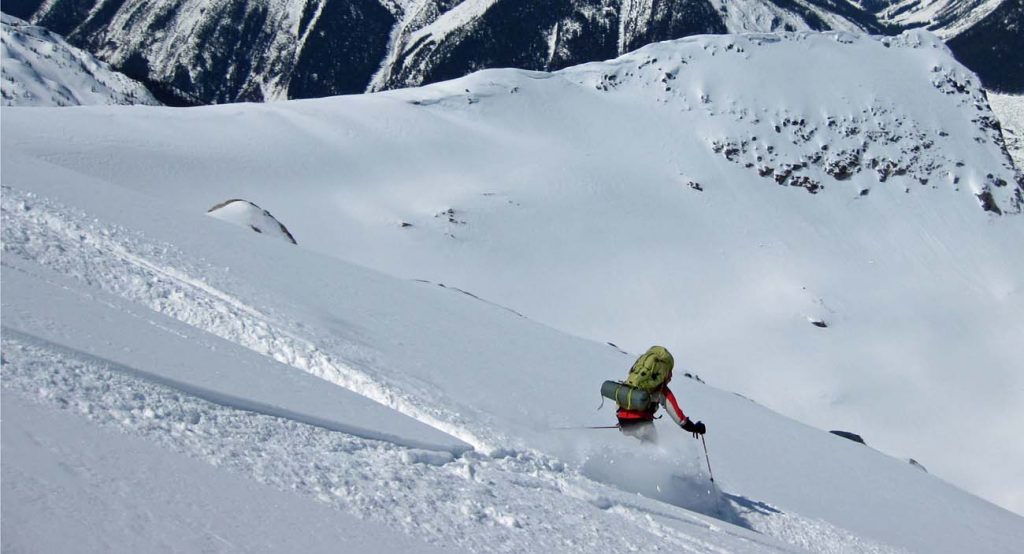
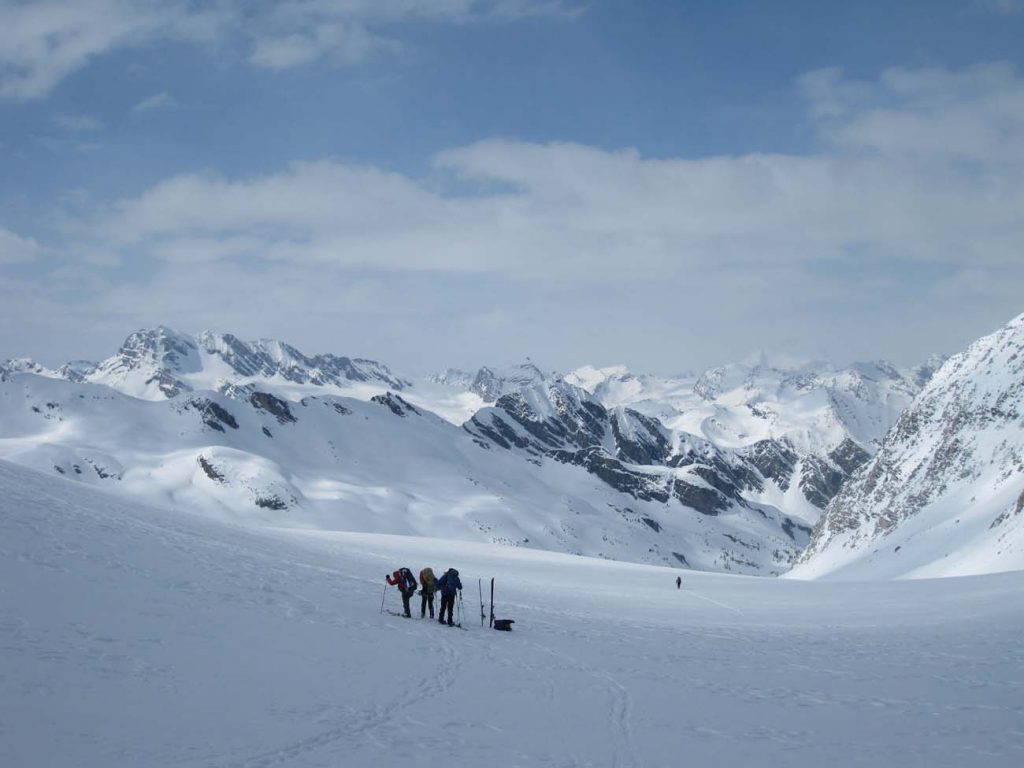
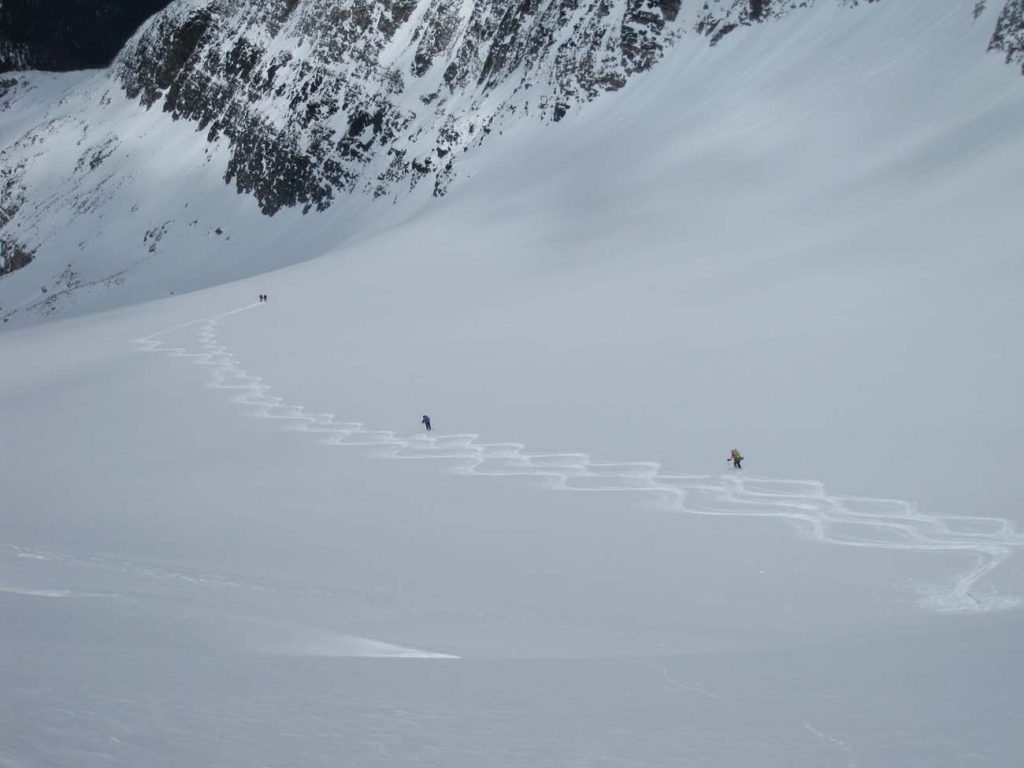
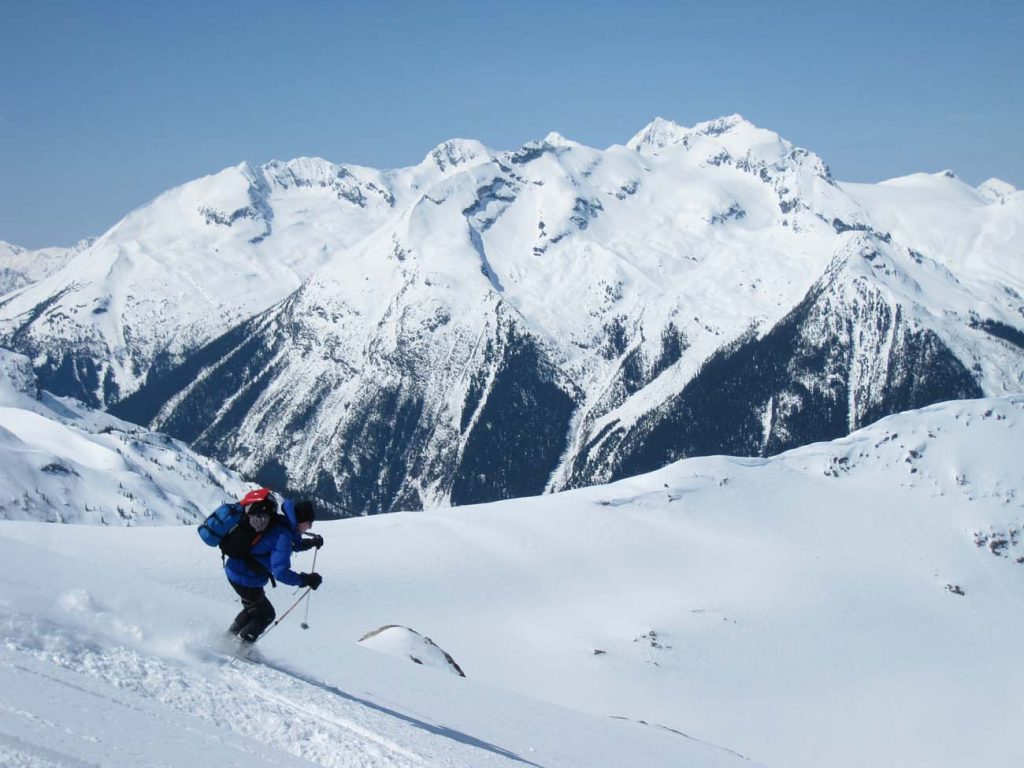
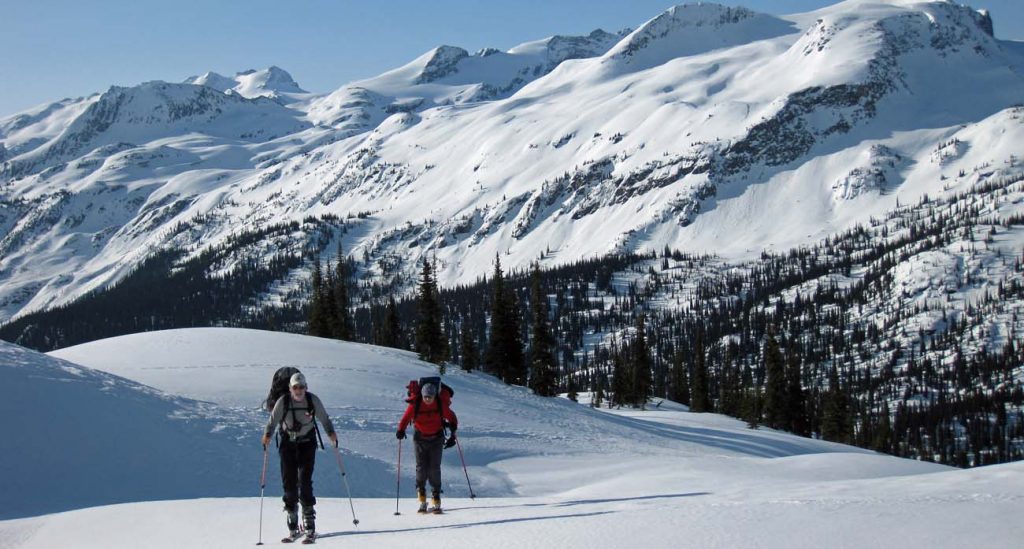
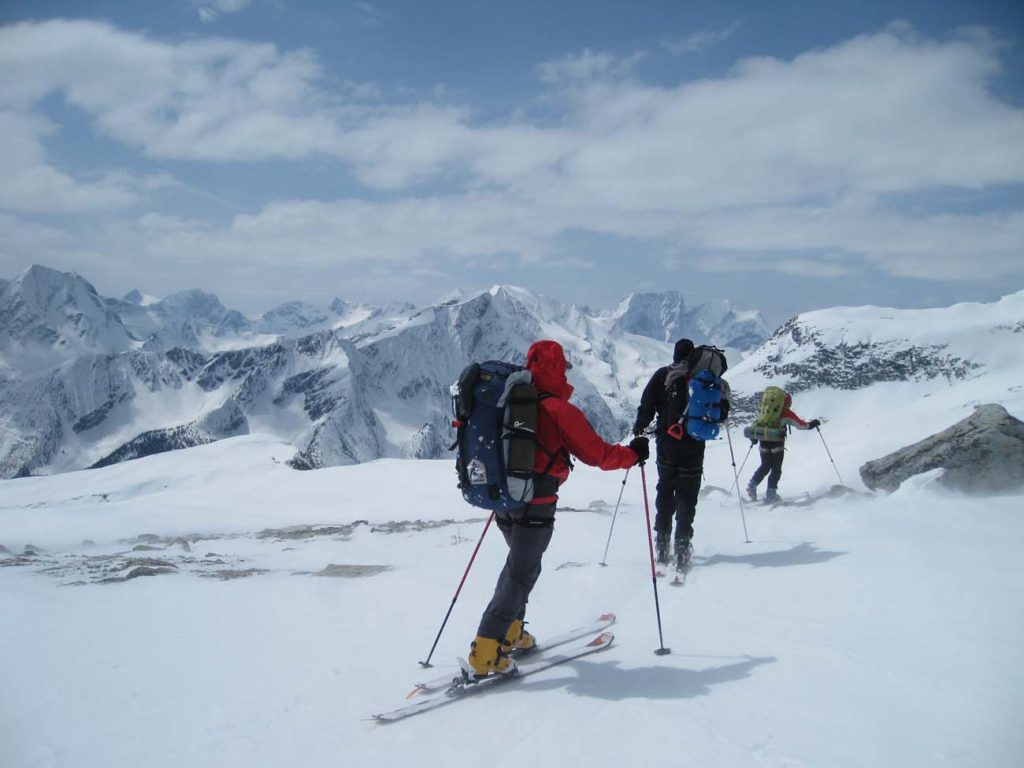
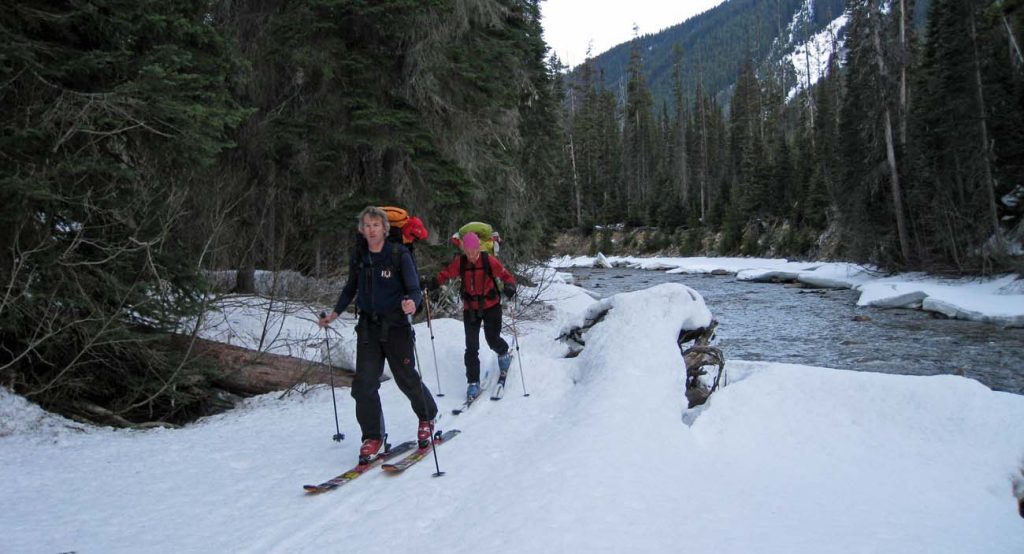
The big ski traverses in Western Canada are the crown jewels of backcountry skiing in North America. The most renowned is the 8- to 10-day Bugaboos to Rogers Pass Traverse. Others are just as committing, challenging, breathtaking, and rewarding.
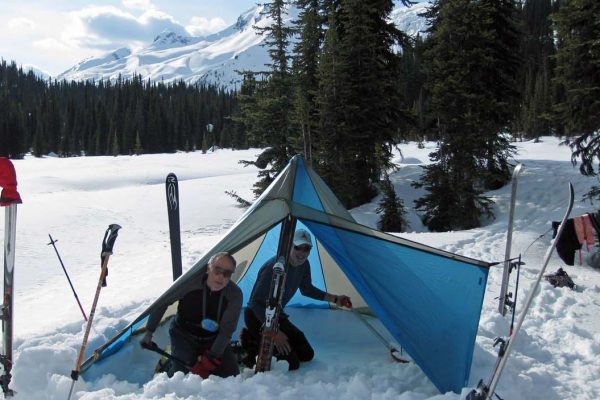
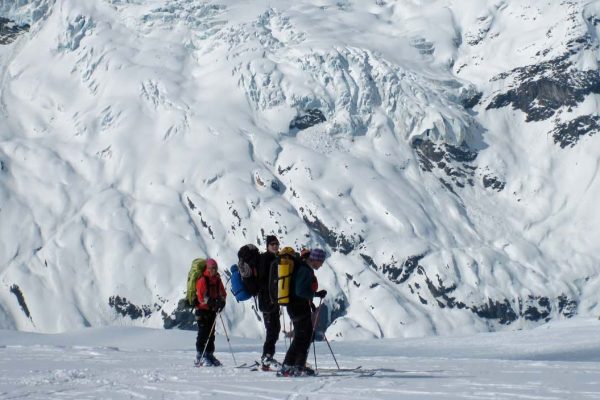
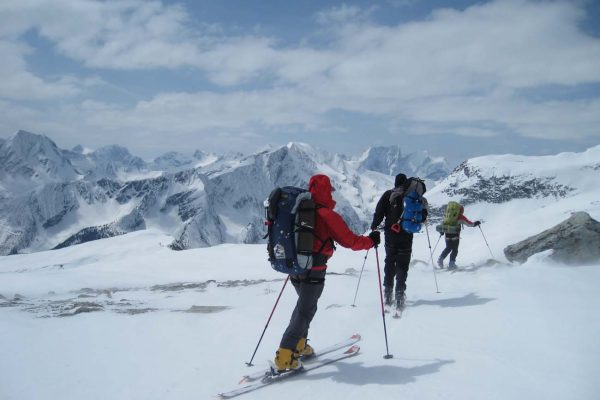
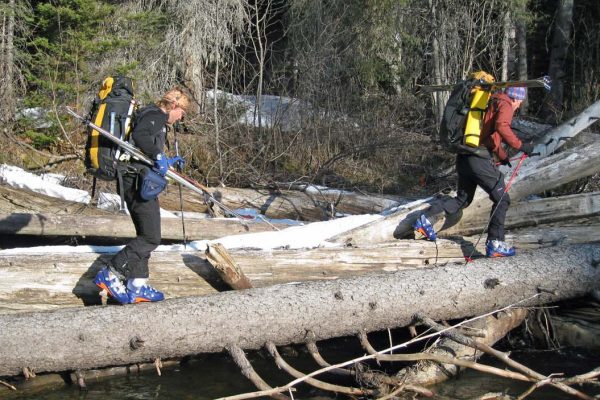
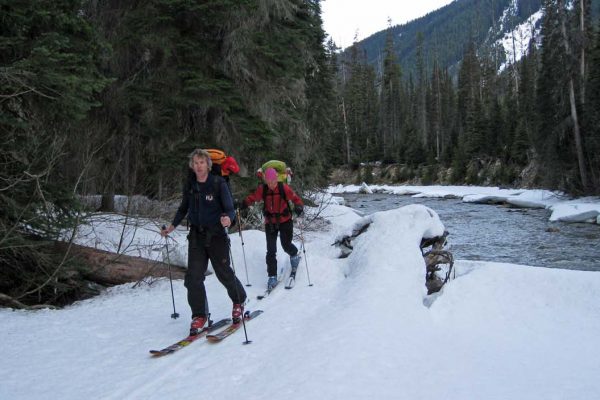
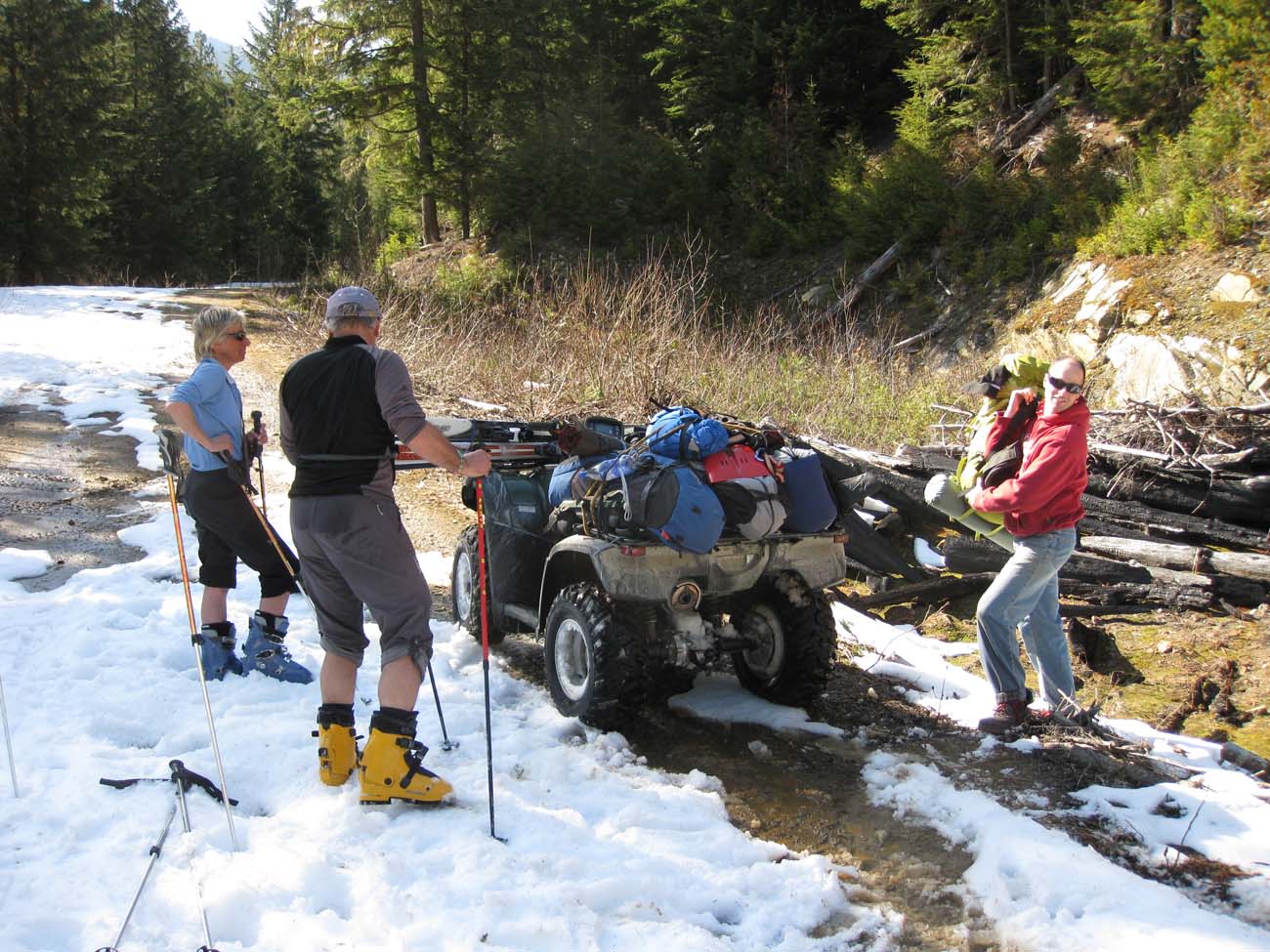
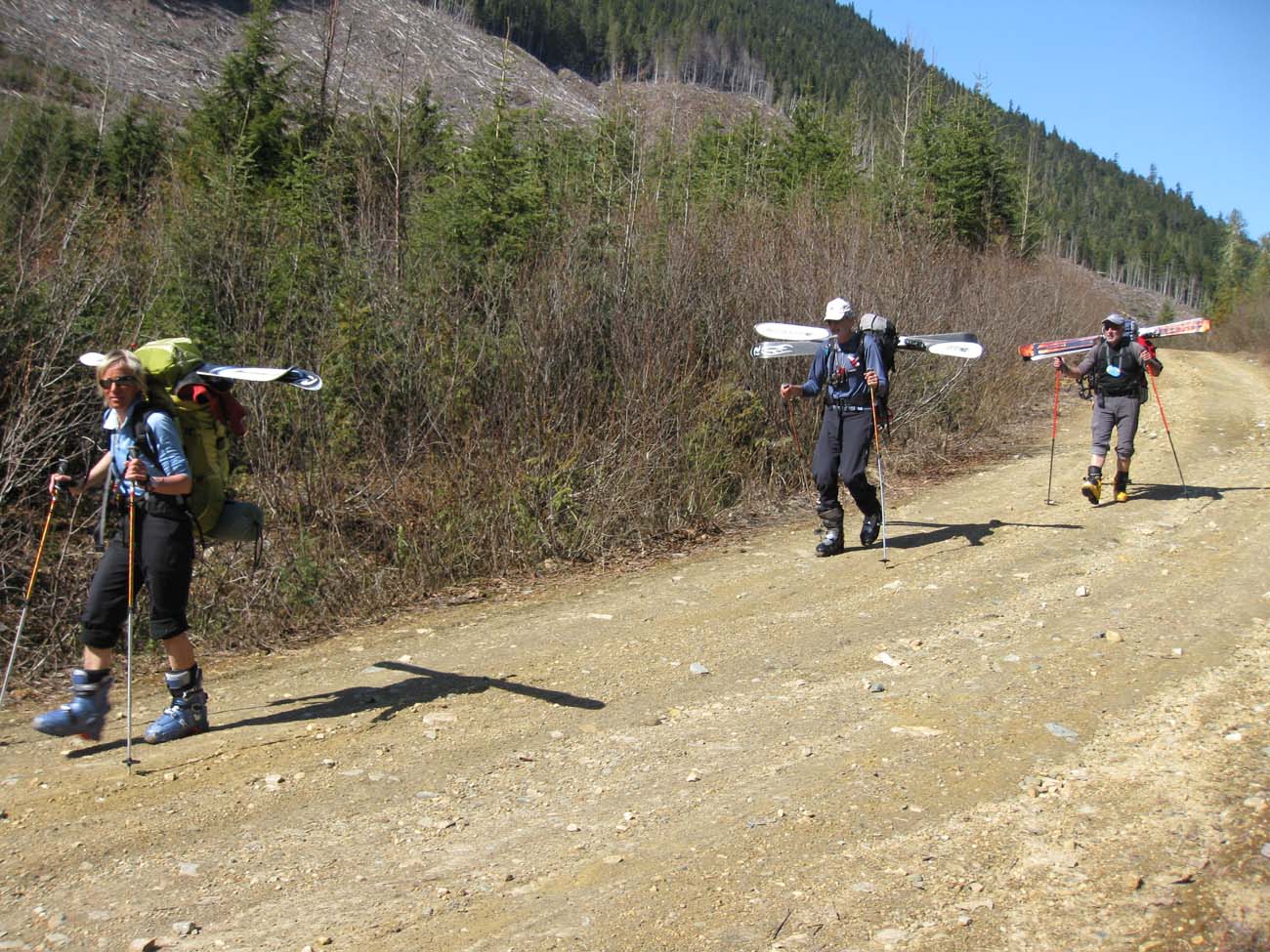
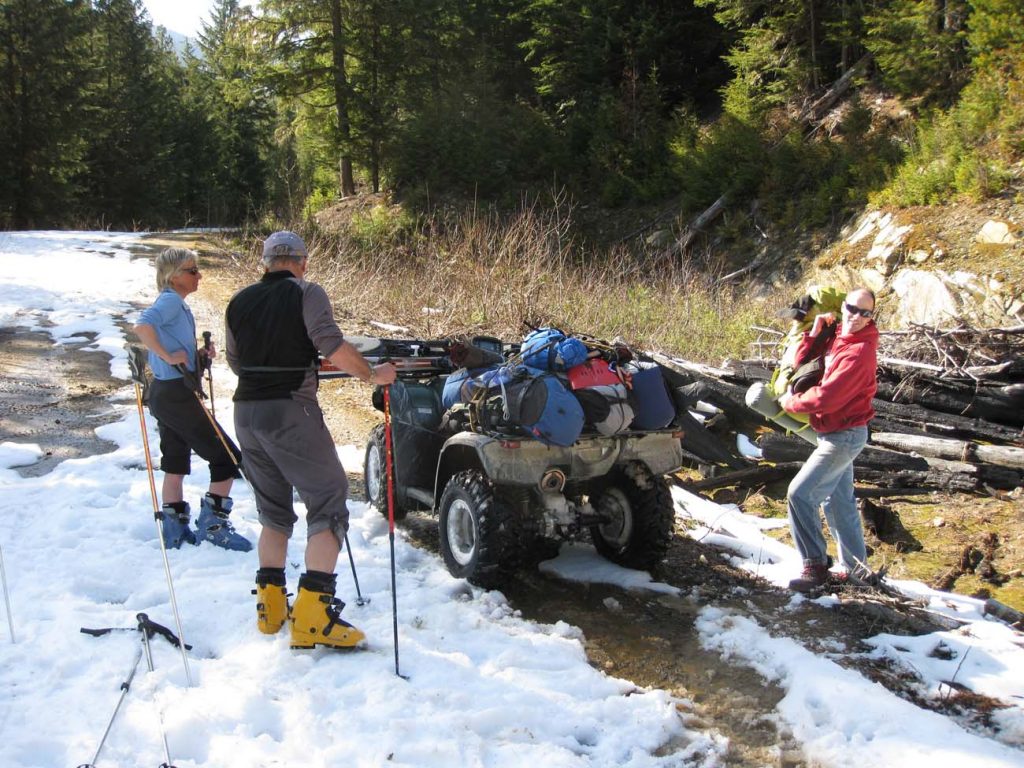
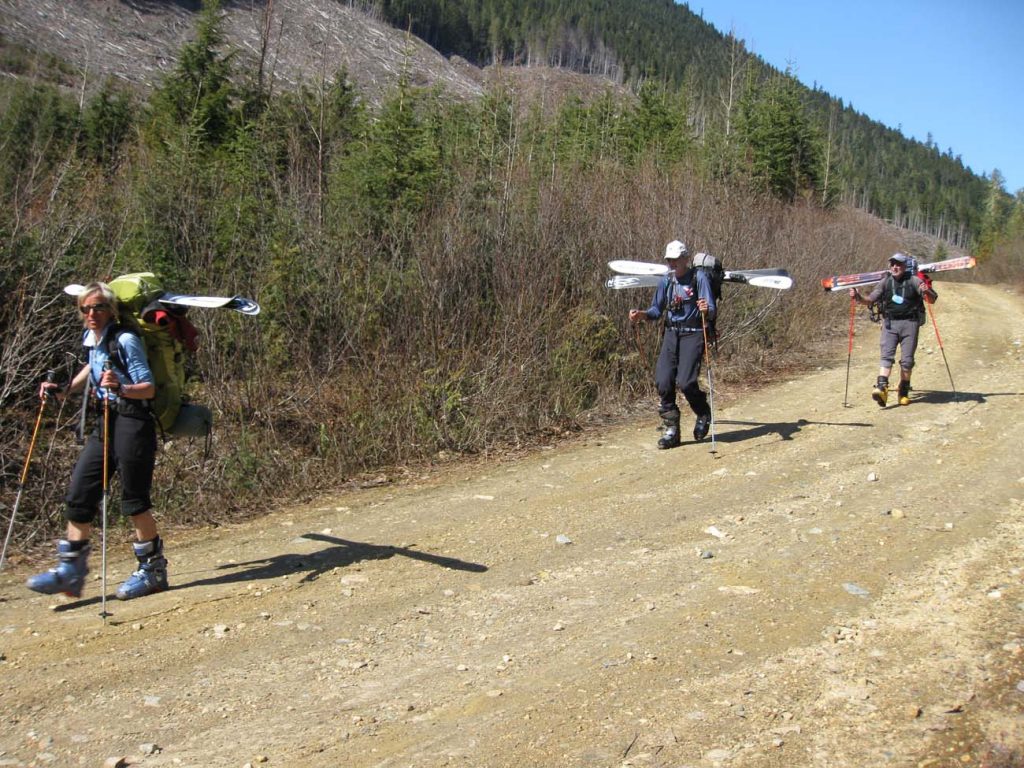
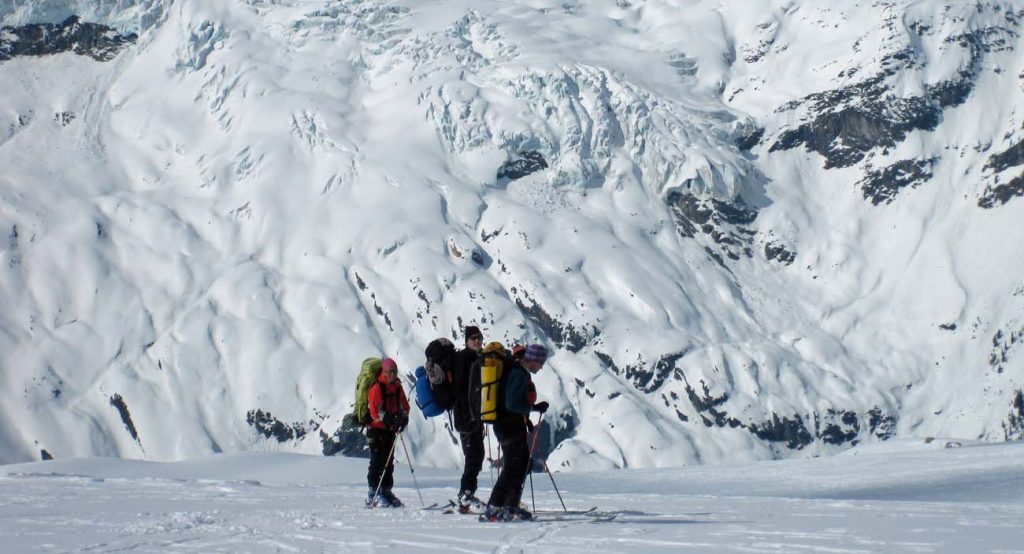
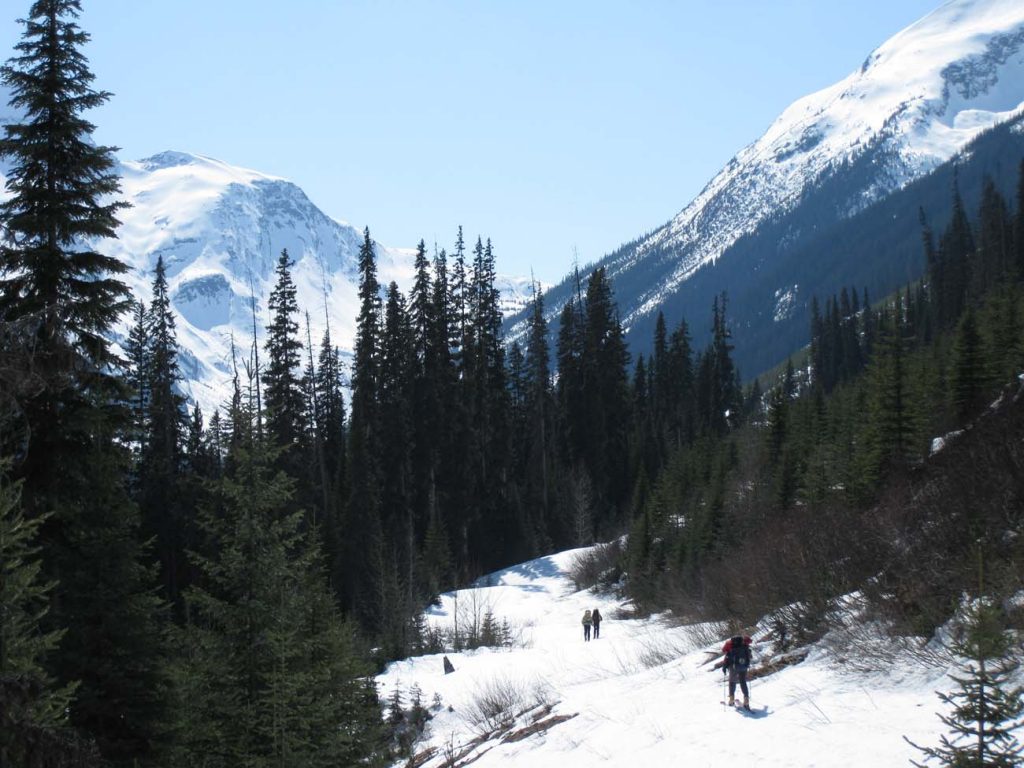
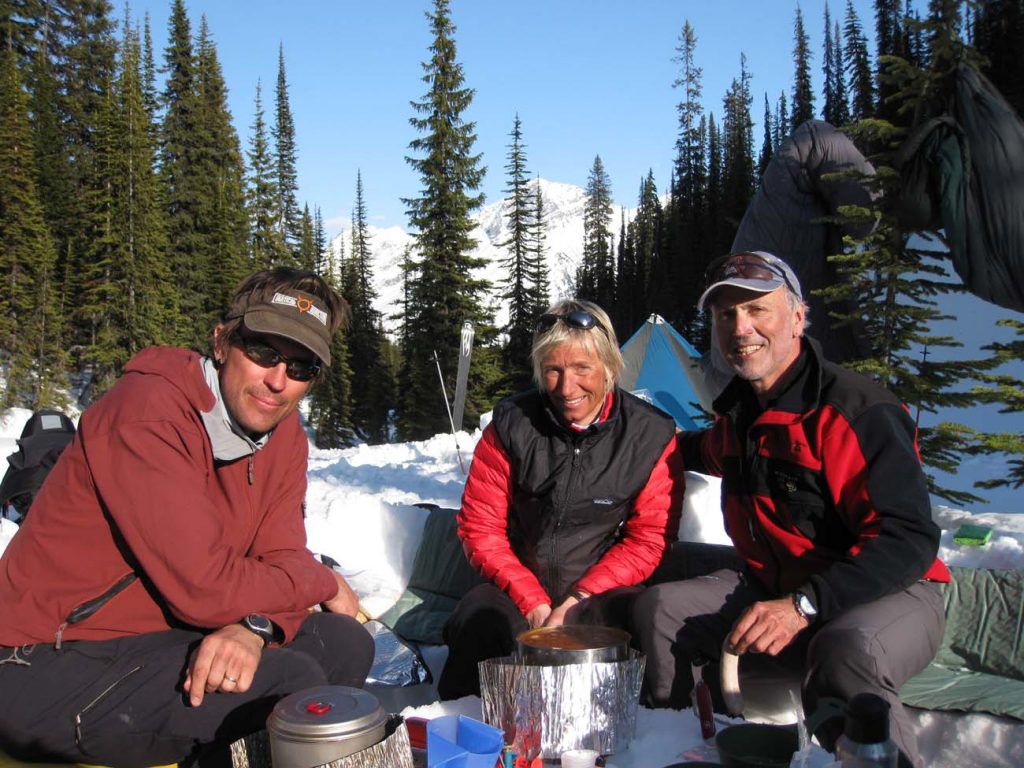
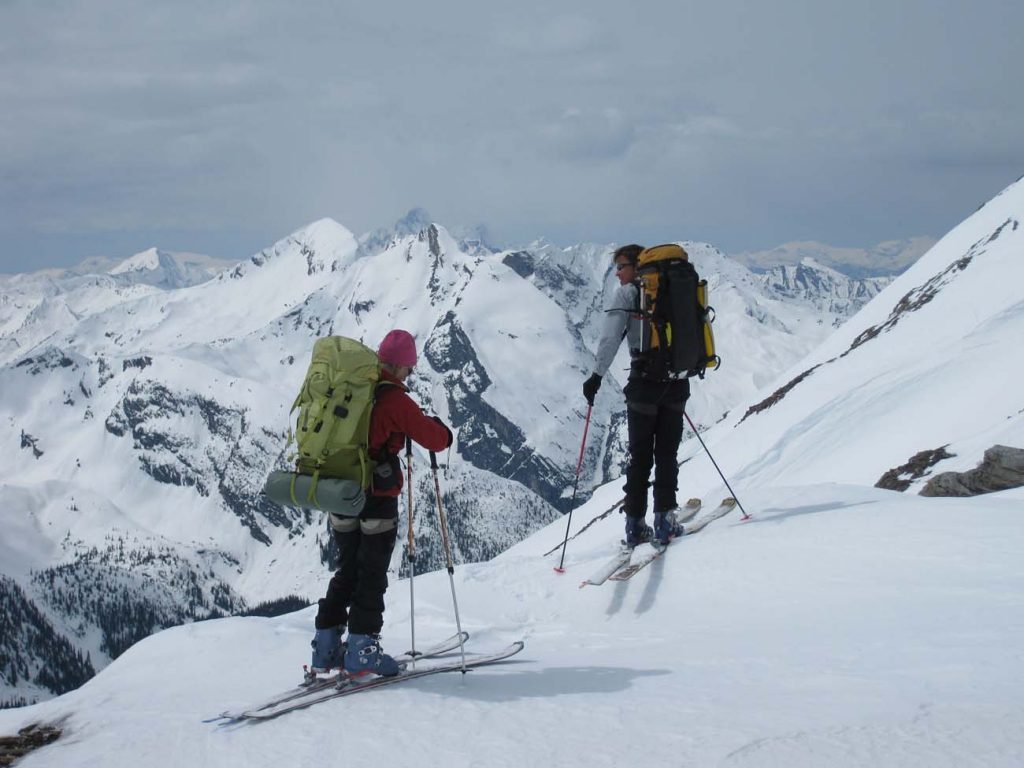
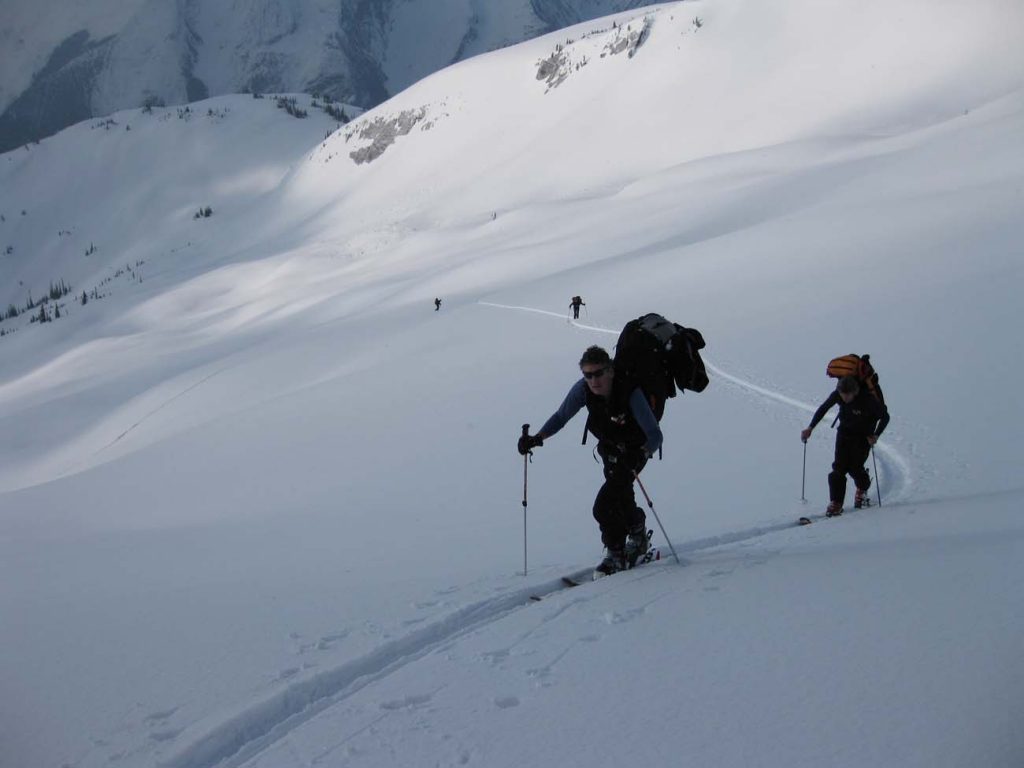
All wilderness ski traverses guarantee big adventure! Aside from a lot of backcountry skiing mileage you need a high level of stamina and commitment, the ability to carry a multi-day backpack and camp in wintery conditions. For most trips, we put in supply-caches ahead of time in order to keep our loads manageable.
Wilderness ski traverse options include:
• Southern Monashees Traverse, 3-5 days
• Bugaboos to Rogers Pass, 8-10 days
• Northern Selkirks Traverse Part 1: Rogers Pass to CMH Adamant Lodge, 6 days
• Northern Selkirks Traverse Part 2: CMH Adamant Lodge to Fairy Meadow, 7 days
• Lake Louise to Jasper, 18-21 days
Looking for something a bit easier and with more creature comforts? Check out our…
• Wapta Icefield Ski Traverse, 3-6 days
• Bow-Yoho Ski Traverse, 6 days
2026 Pricing
from $1945CAD / person + 5% GST
HIGHLIGHTS
- The ultimate ski touring adventure
- Tons of snow = good skiing and good glacier coverage
- Endless wilderness terrain
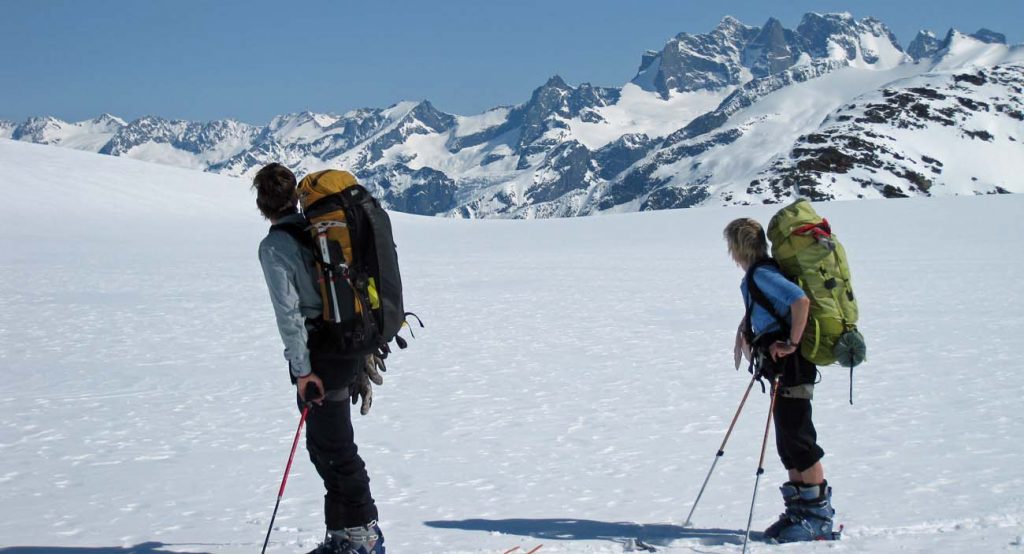
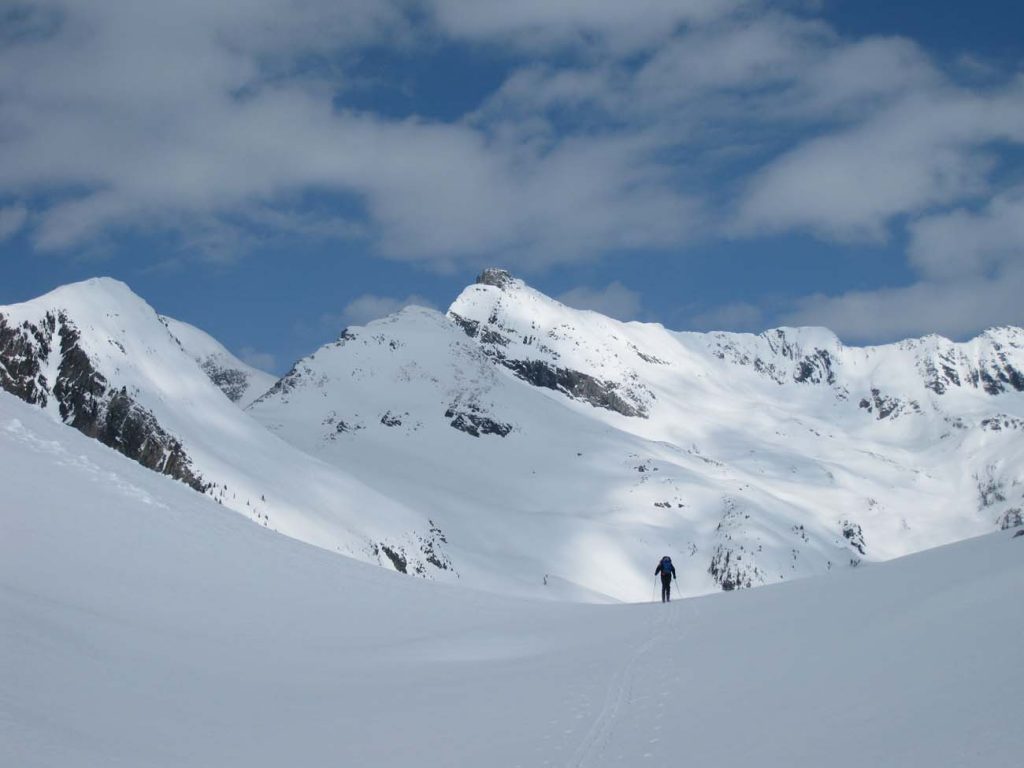
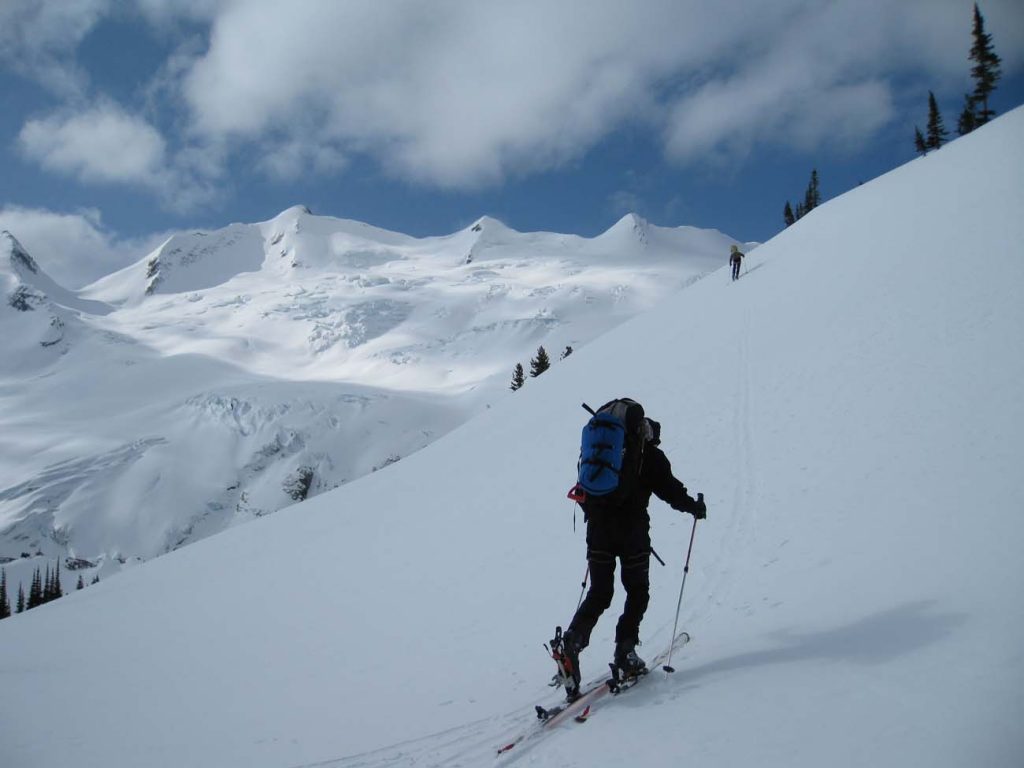
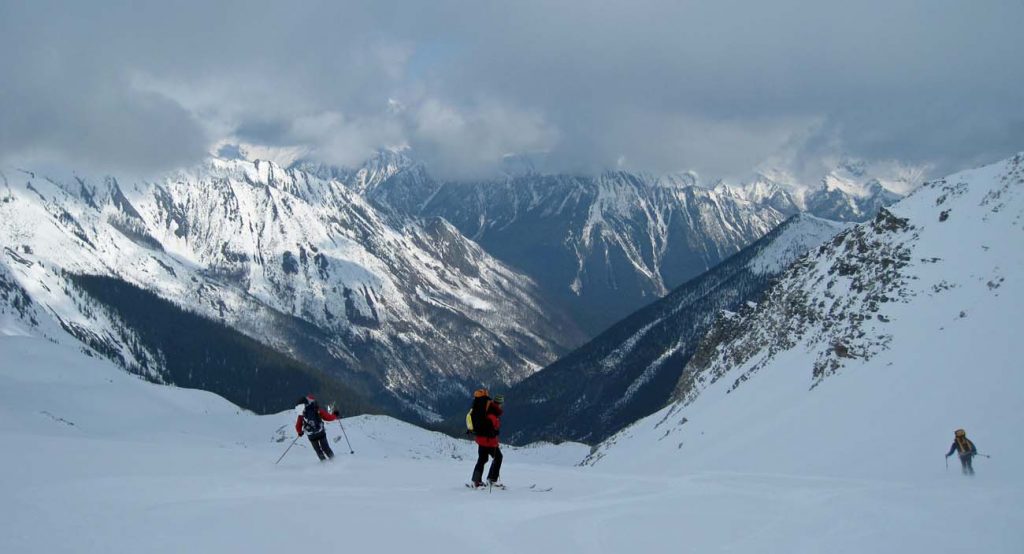
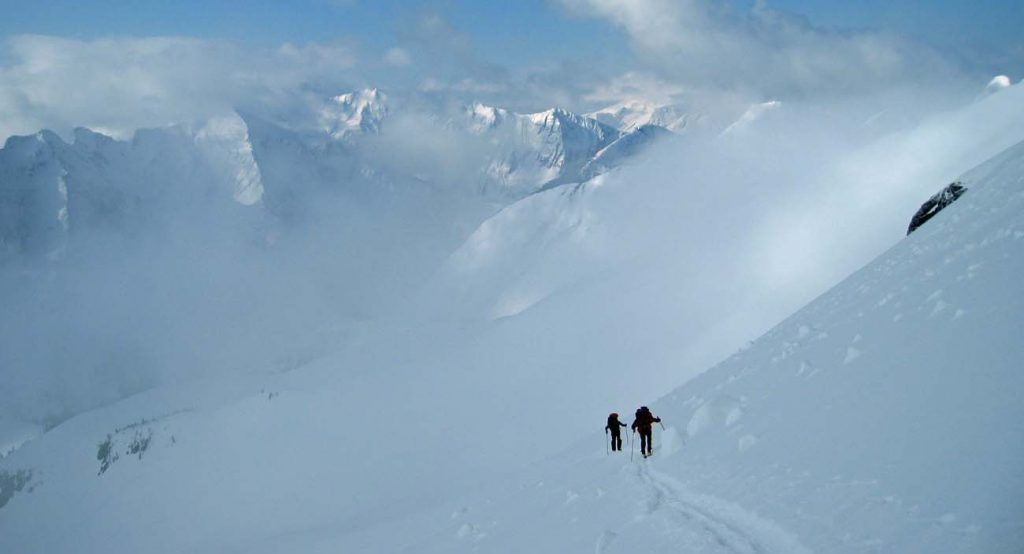
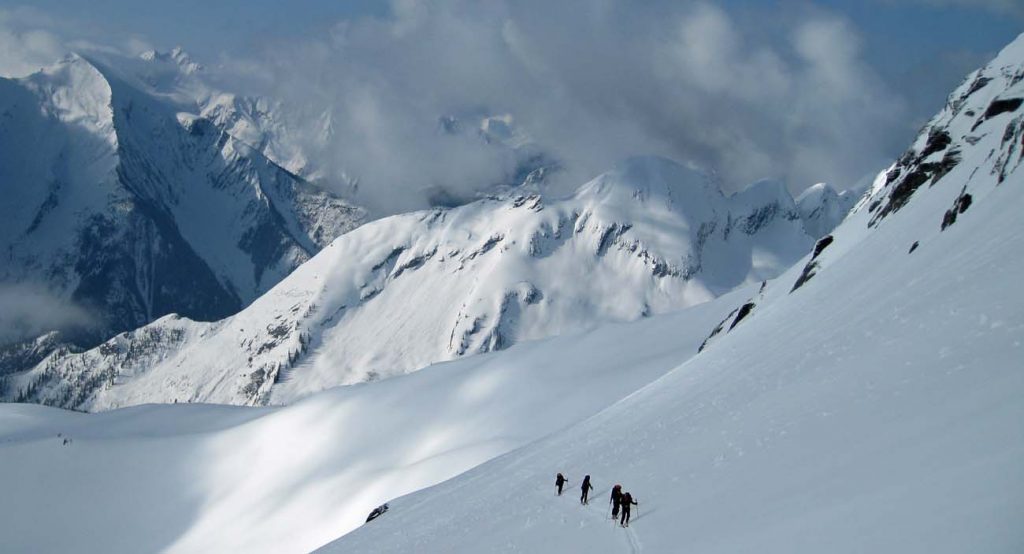
- Breathtaking scenery with big glaciers and spectacular summits
- Very few, or more likely, no other skiers!
- Pre-placed food caches = smaller backpacks
- The mega-classic Bugaboos to Rogers Pass
DIFFICULTY
- Experts only
- Excellent fitness
- 15 – 20 kg packs
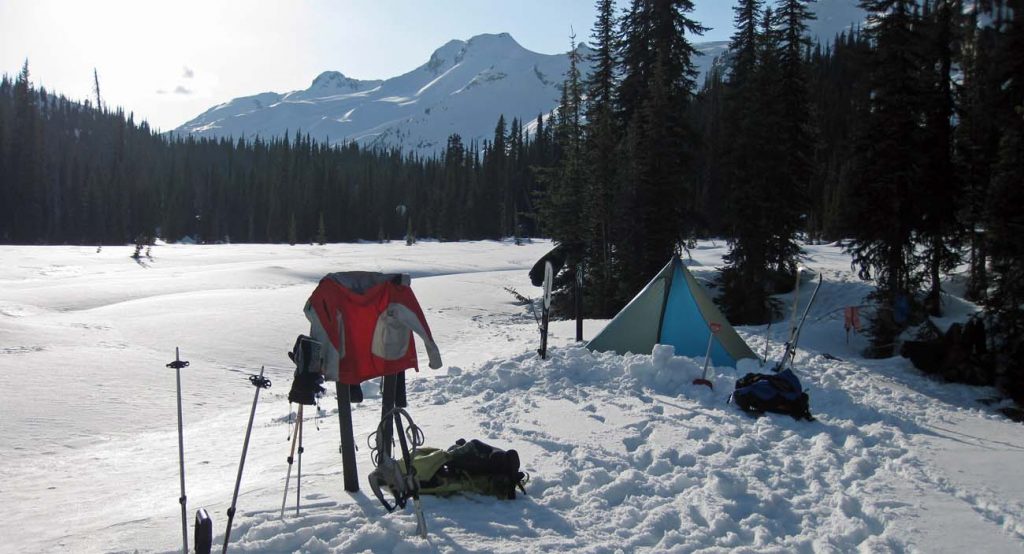
- Winter camping
Canadian Wilderness Ski Traverses Itinerary
Bugaboos to Rogers Pass Traverse
This is undoubtedly the mega-classic of all Canadian wilderness ski traverses. It was first done in 1958 in nine days without any helicopter support — a remarkable effort! The traverse has since been done in just 80 hours (!), but most groups still take between 8 and 10 days in order to enjoy the traverse and allow for some inclement weather. We budget eight days of touring for our trip. This is a must-do traverse for every seasoned ski tourer with a good sense of adventure!
Best Season: Mid-March to mid-May
Start: Usually ACC Conrad Kain Hut in Bugaboo Provincial Park (accessed via helicopter in winter)
Finish: Rogers Pass Asulkan Valley Trailhead at the TransCanada Highway in Glacier National Park
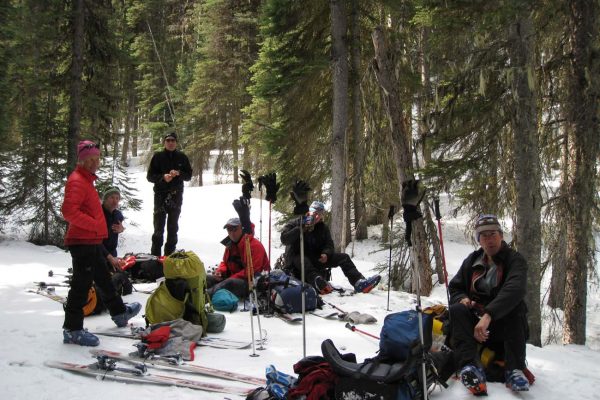
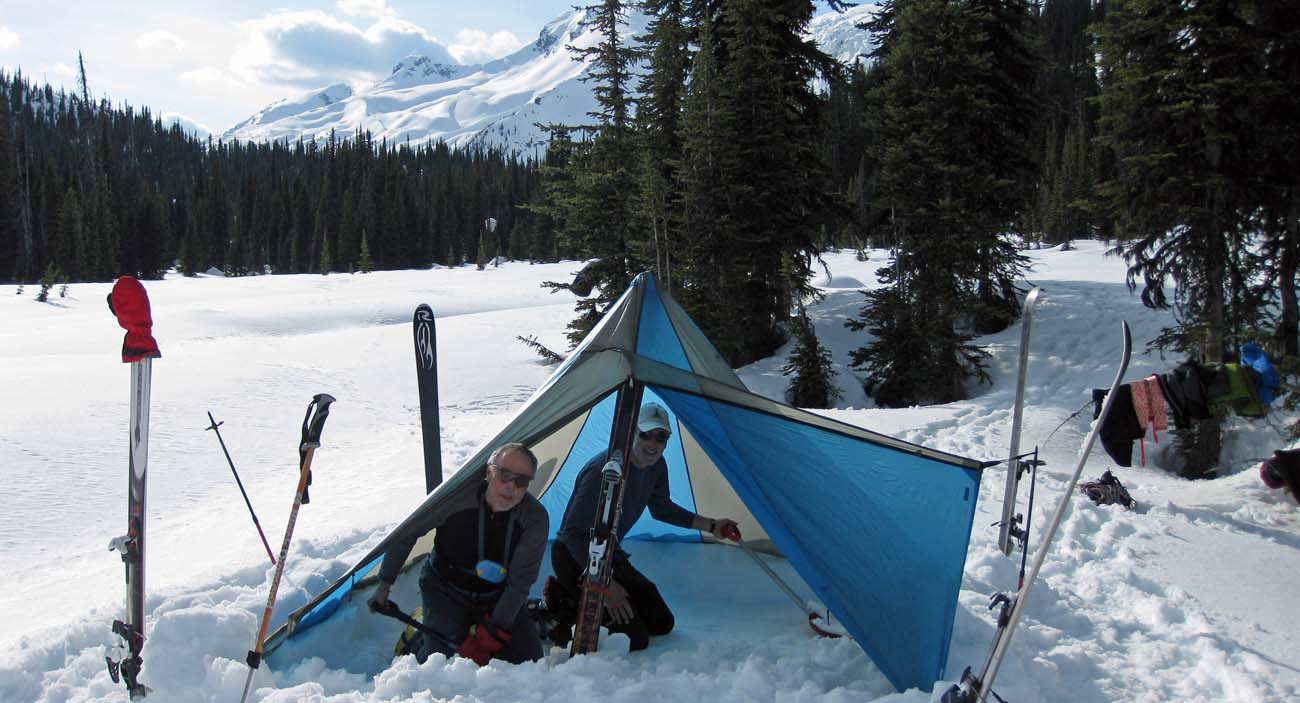
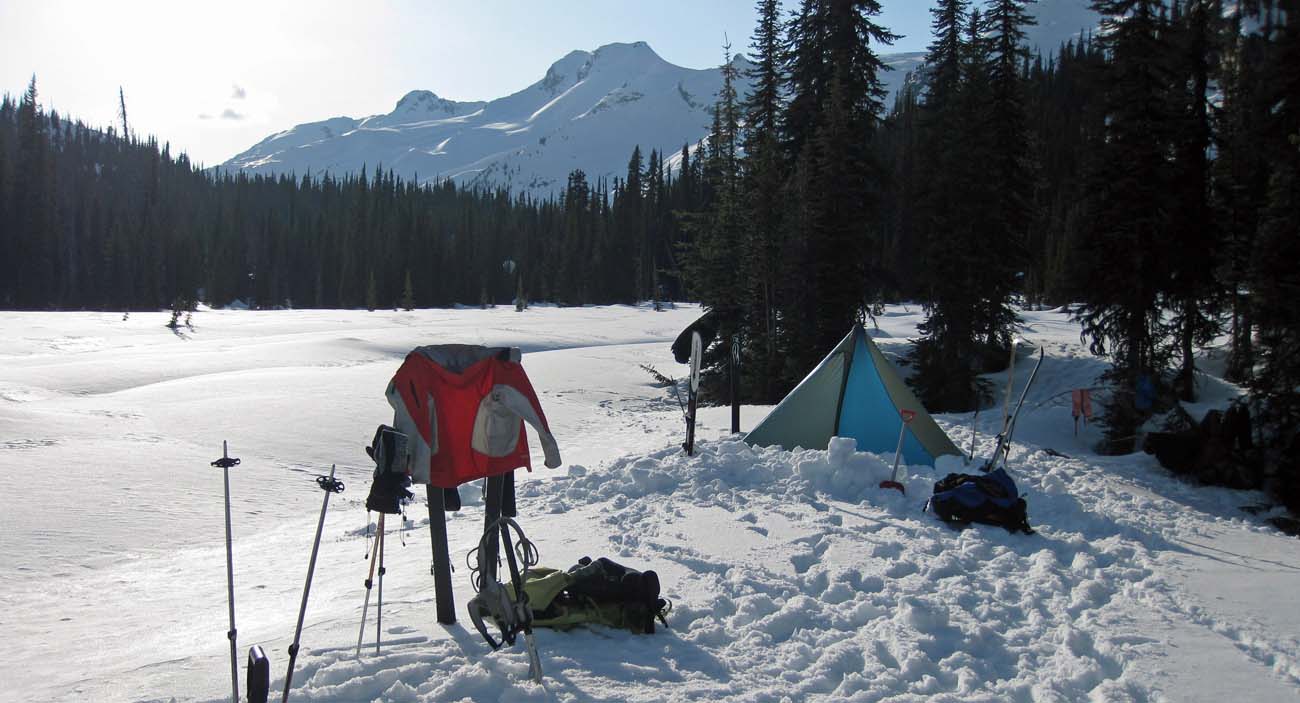
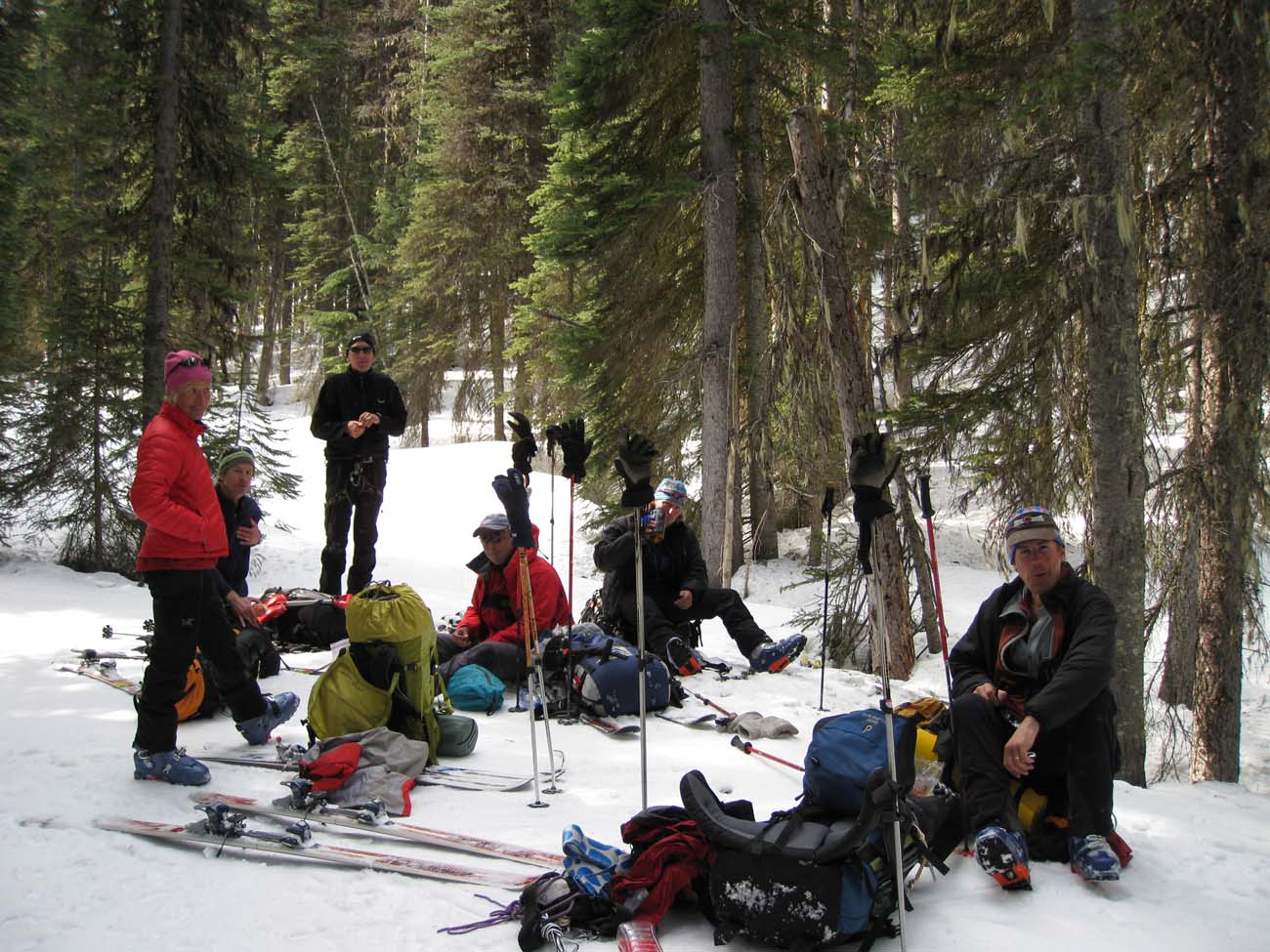
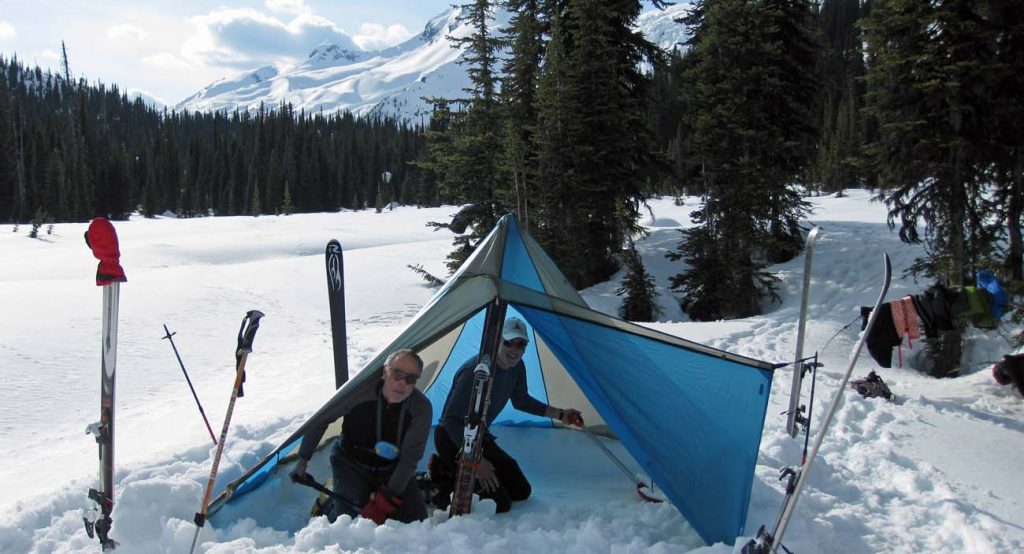
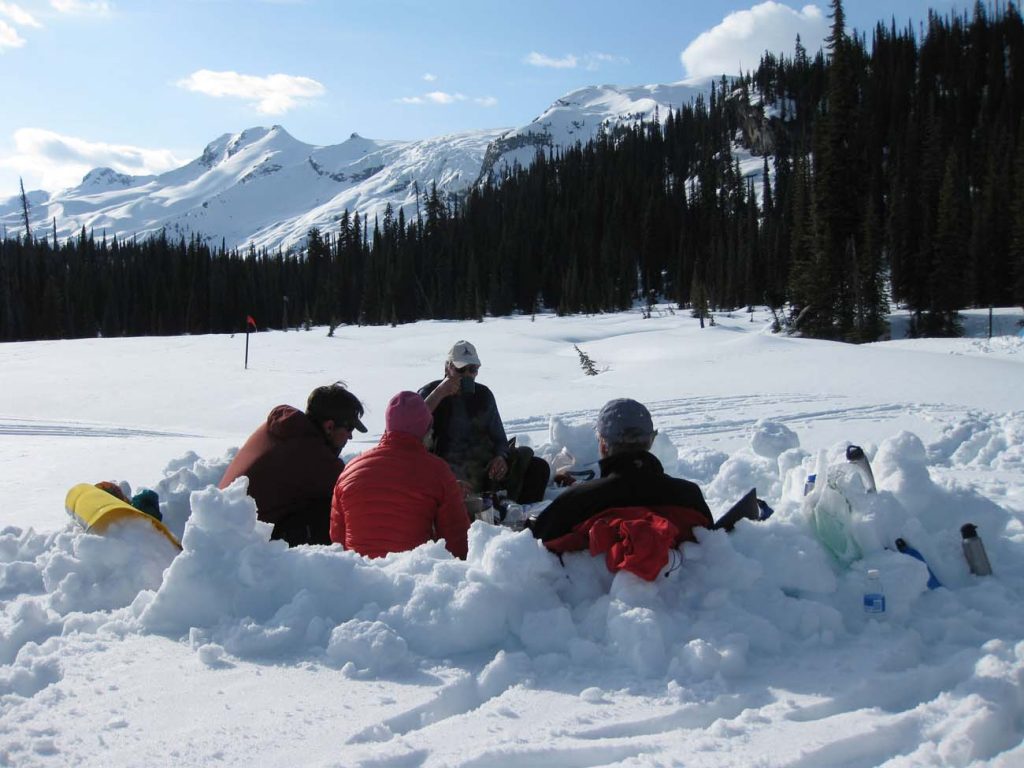
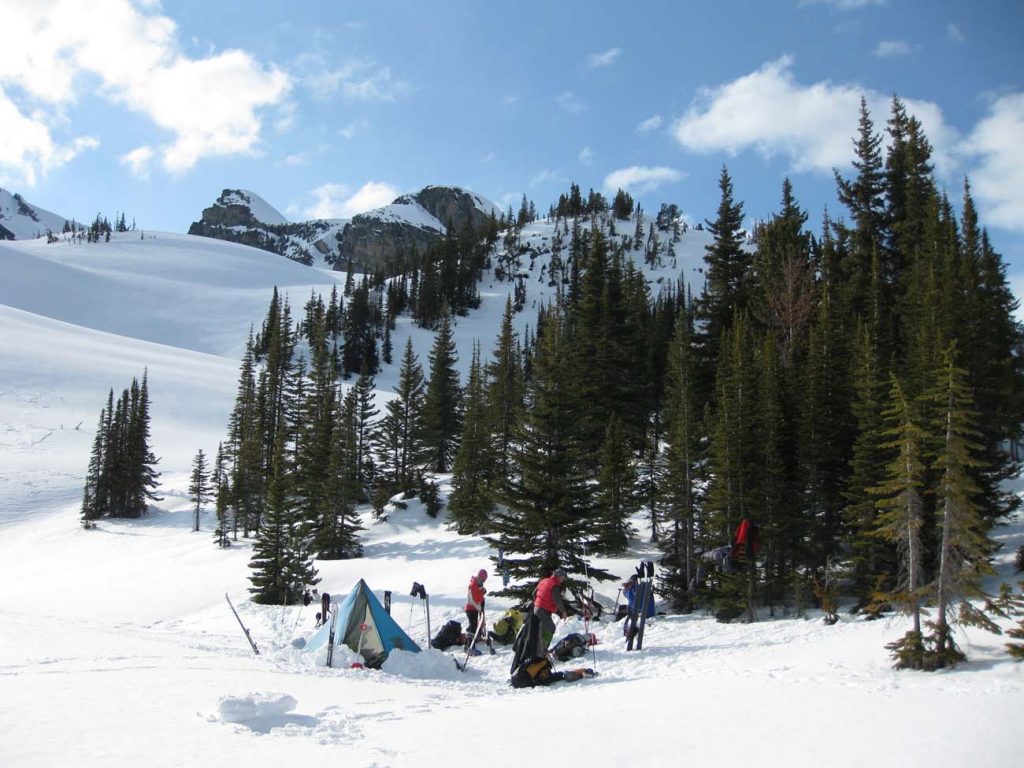
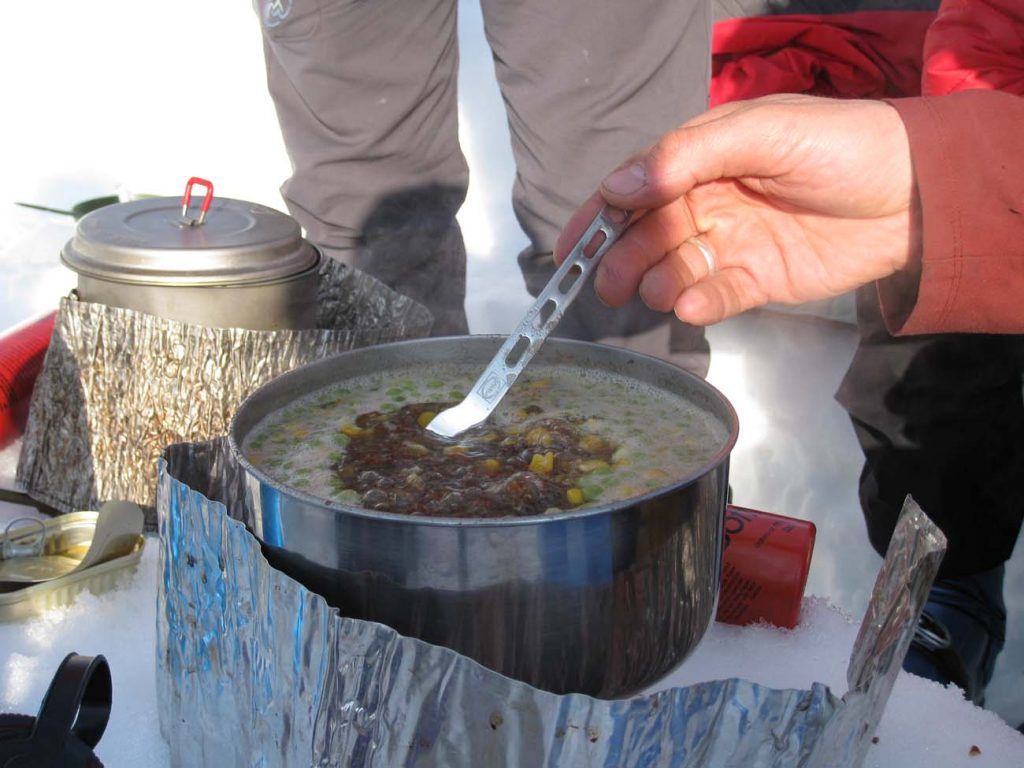
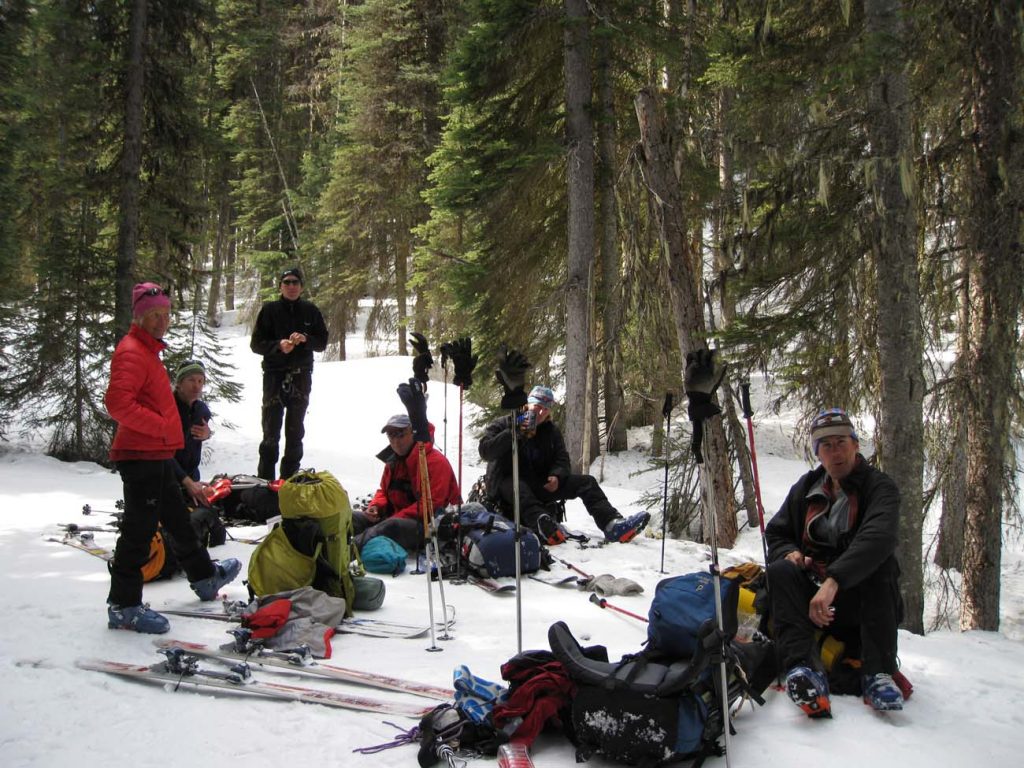
Lodging / Camping: There are a number of usable shelters along the way. Some are well-equipped like the ACC Kain Hut (open only from mid-April on), the International Basin Hut and the ACC Glacier Circle Hut. The Malloy Igloo and the McMurdo Hut are very basic shelters without equipment. We also camp in tents at least two to three nights along the way.
Food caches: We usually arrange to deposit a food cache mid-trip at the International Basin Hut to keep the pack weights manageable. Additional food caches are possible at an additional cost.
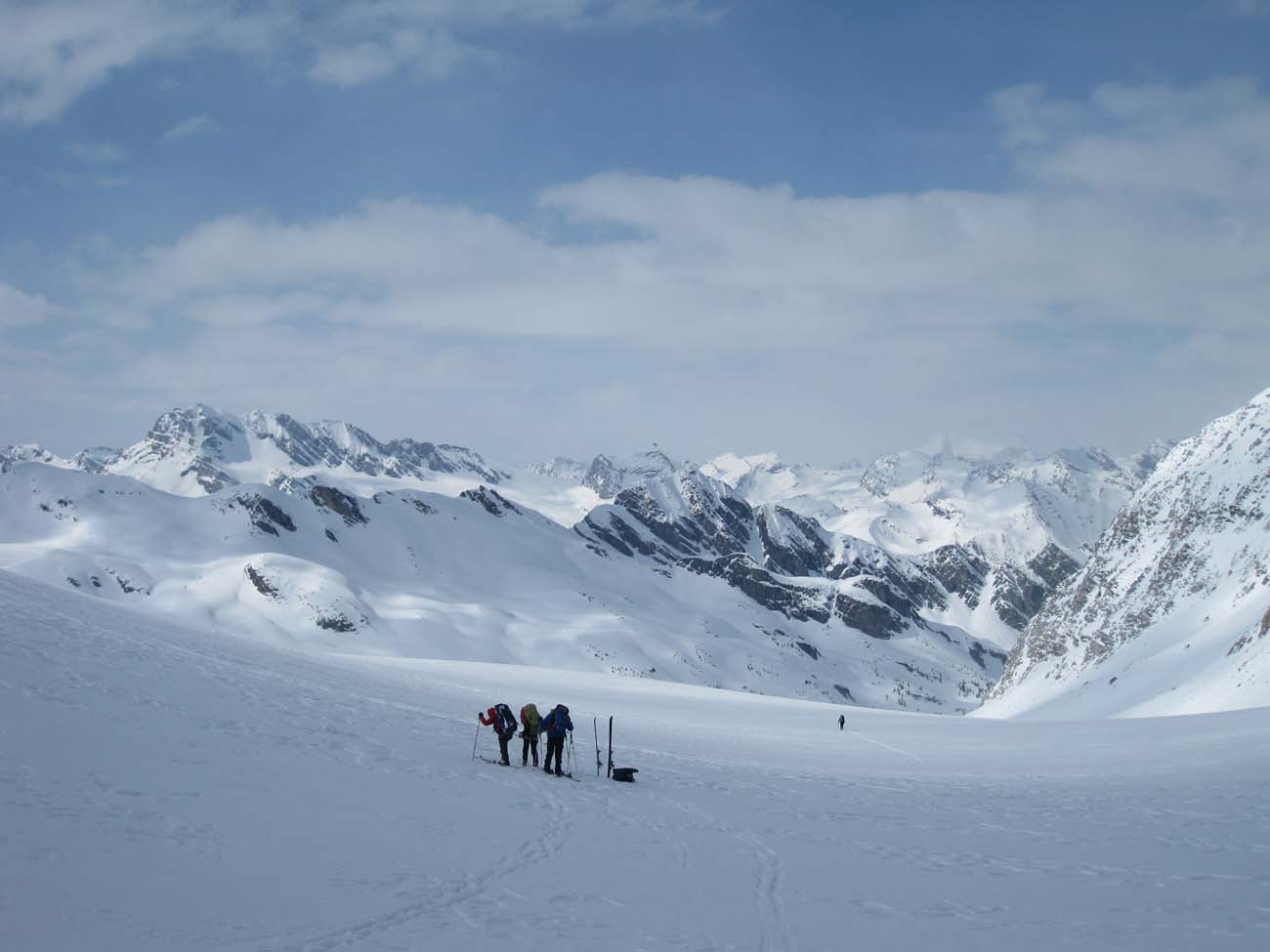
Difficulty / Trip Crux: This traverse covers over 130 km / 80 miles with over 10,000 vertical meters / 33,000 feet of elevation gain and loss. It is a tough trip that requires excellent physical fitness and advanced skiing ability. The terrain is steep at times. The packs are always heavy. There are several cruxes, such as choosing the season’s best way around Mt. Syphax (although we can get some inside knowledge from our friends at CMH Bobbie Burns Lodge) and finding the four ice-covered rappel stations that allow descent from the Deville Neve.
Access: Either by helicopter from Golden to the ACC Kain Hut (long flight) or with our friends at CMH Bugaboos (shorter flight, only possible on Saturdays). Access on foot or by snowmobile is lengthy and the climb to the Kain Hut is cumbersome as the summer trail leads across steep moraines and rock slabs that are hazardous in winter and spring.
Southern Monashees Traverse
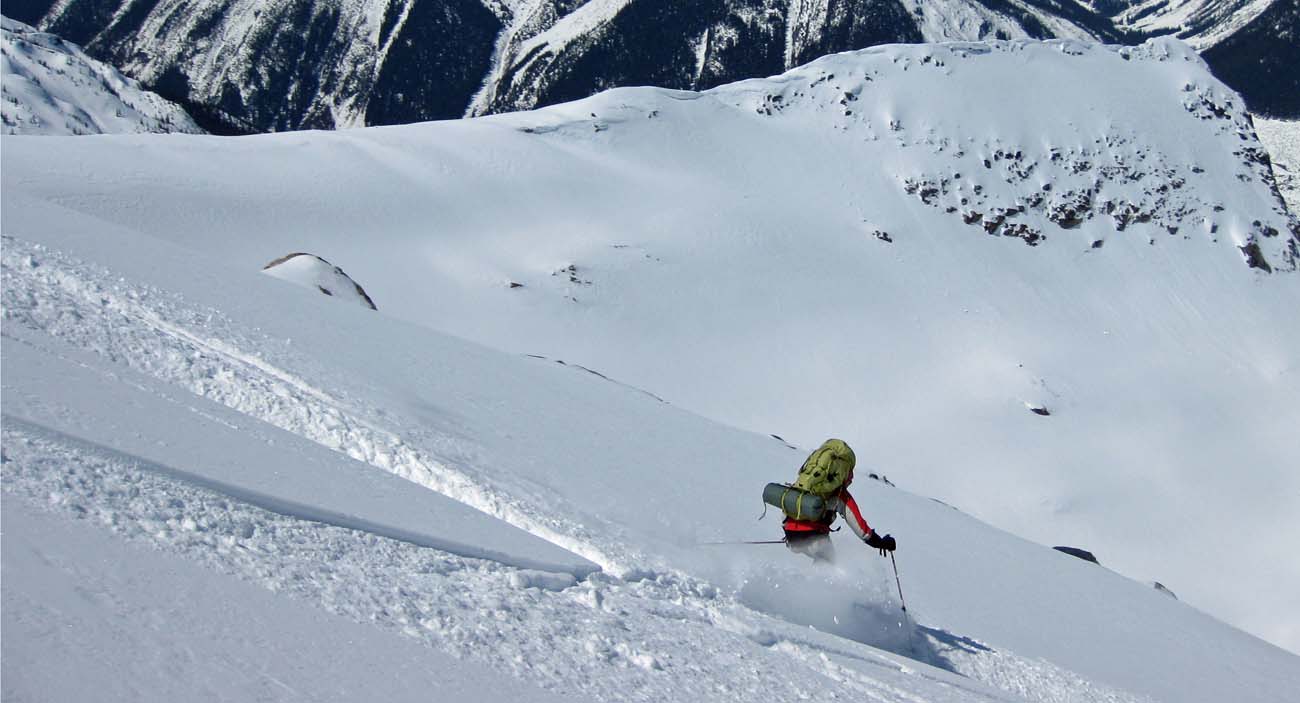
This is a less-known gem with an easy approach either from a roadside trailhead or (better) by a short helicopter flight. The Southern Monashees have a huge snowpack — more than any place in the Selkirks or the Rockies — and pretty mellow glaciers. The terrain is spectacular with huge ski runs up to 2,000 vertical meters / 7,000 ft.
Start: Helicopter drop-off south of Cranberry Peak (about 50 km from Revelstoke, BC)
Finish: Either a) TransCanada Highway close to Three Valley Gap or b) Mt. McPhearson Cross Country Trailhead about 7 km from Revelstoke, BC
Best Season: Usually possible from mid-December, but the best time is mid-January to mid-May
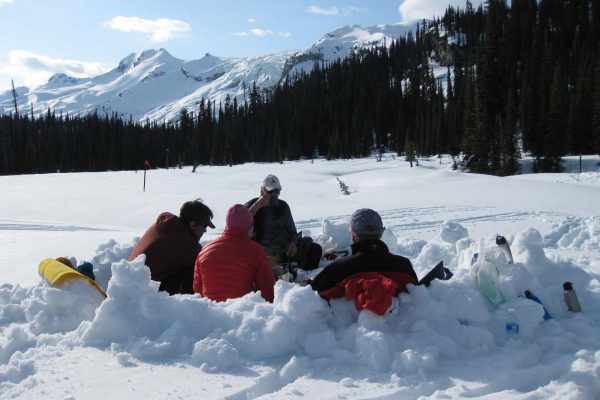
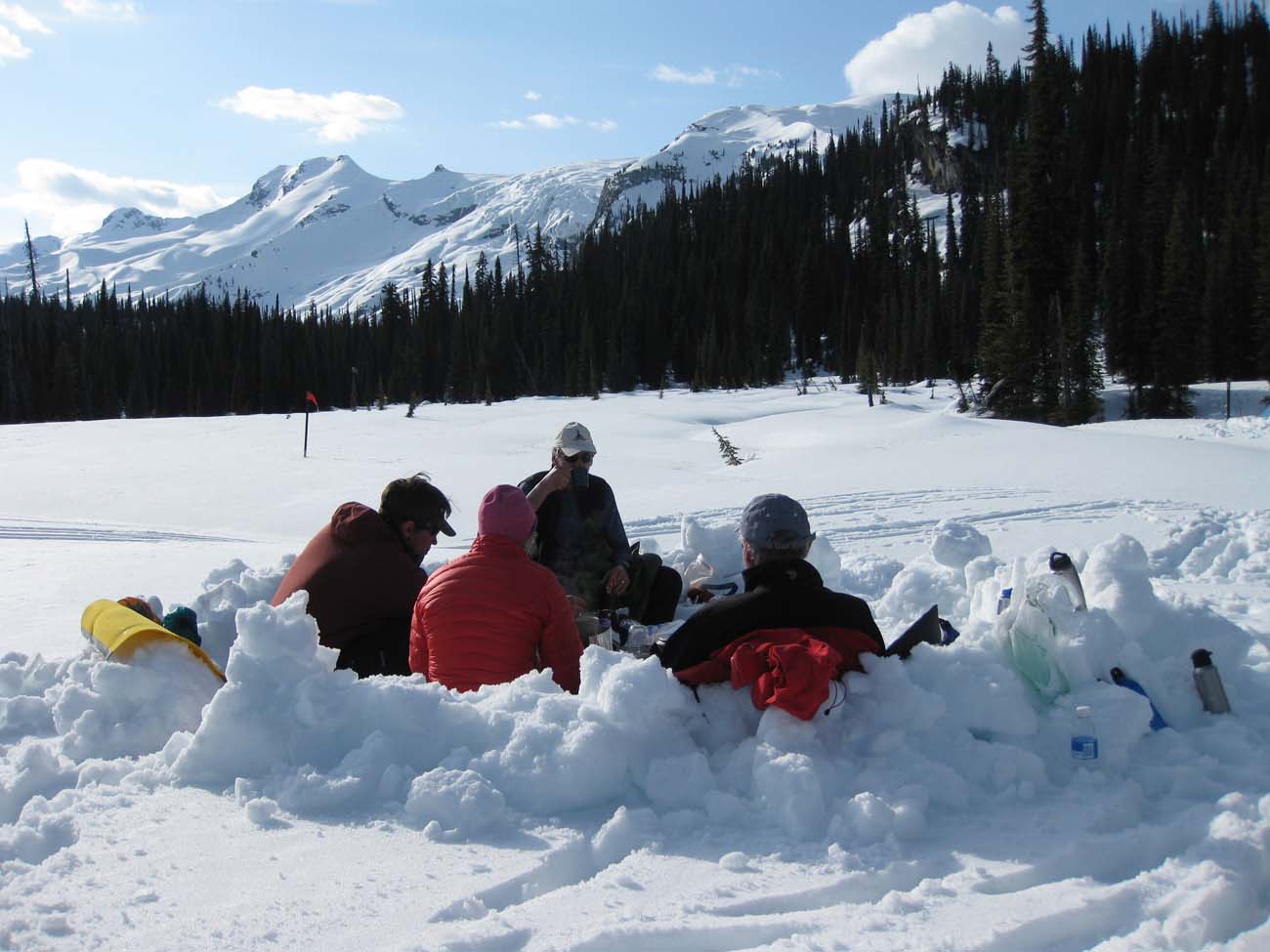
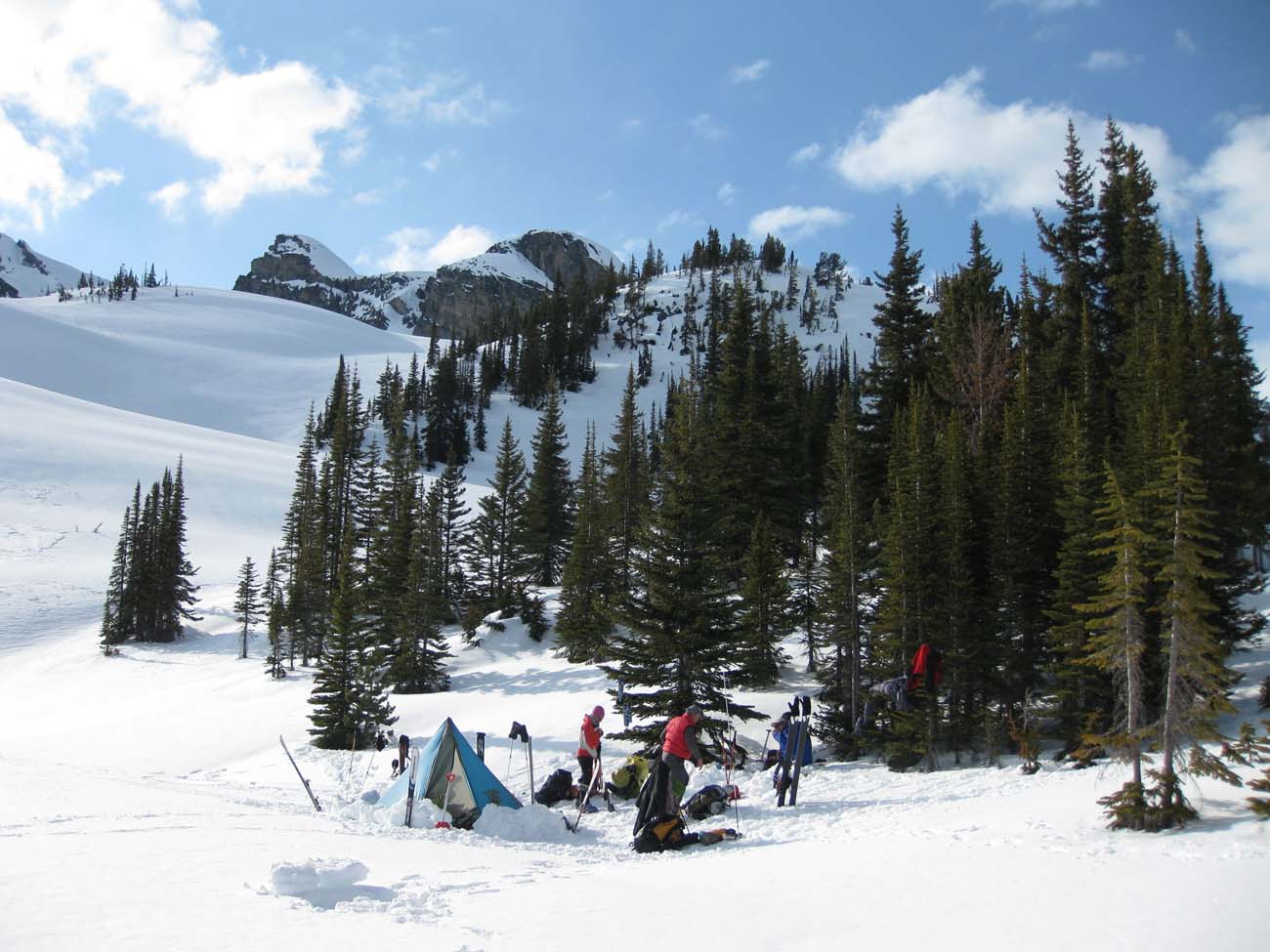
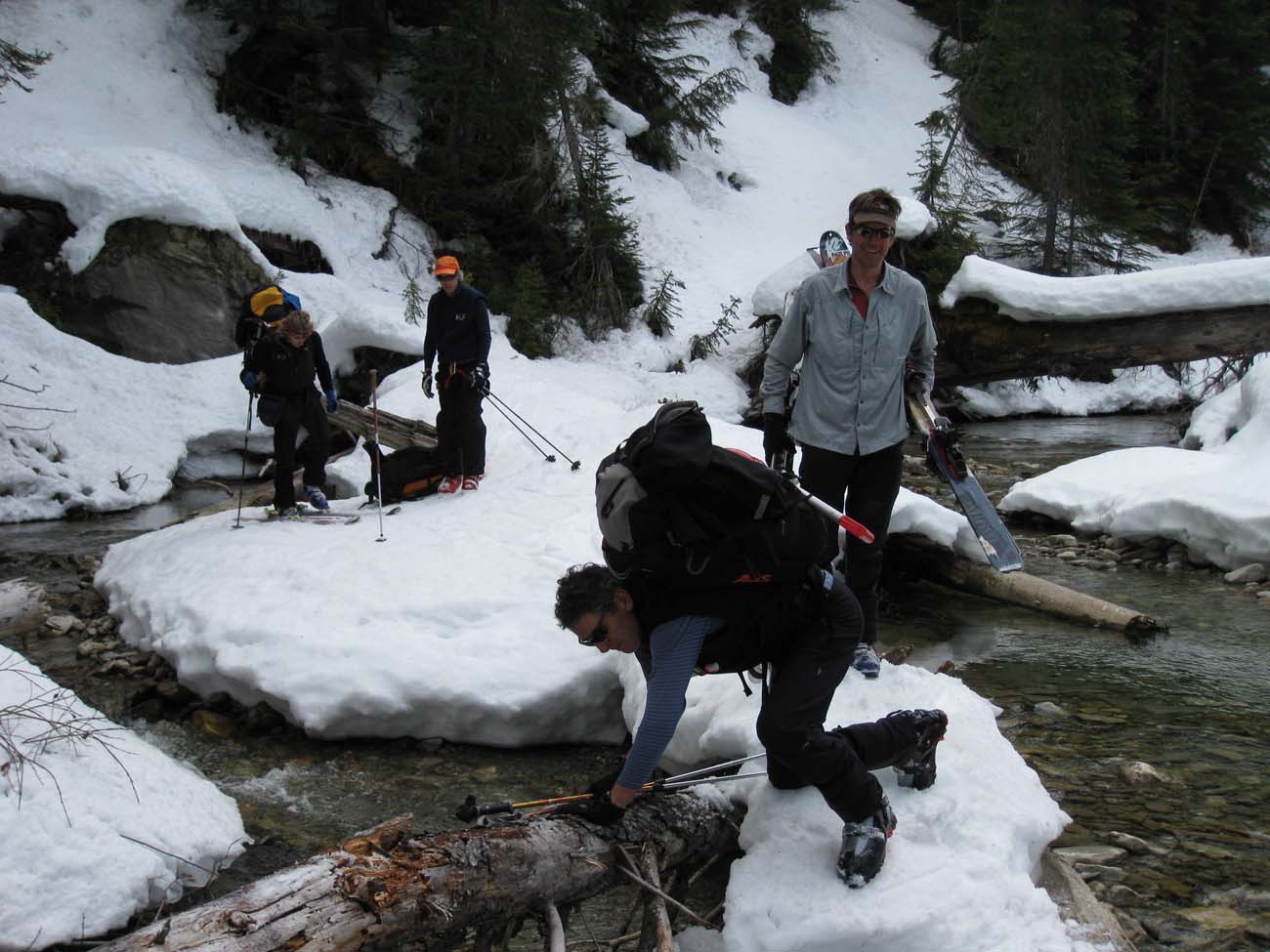
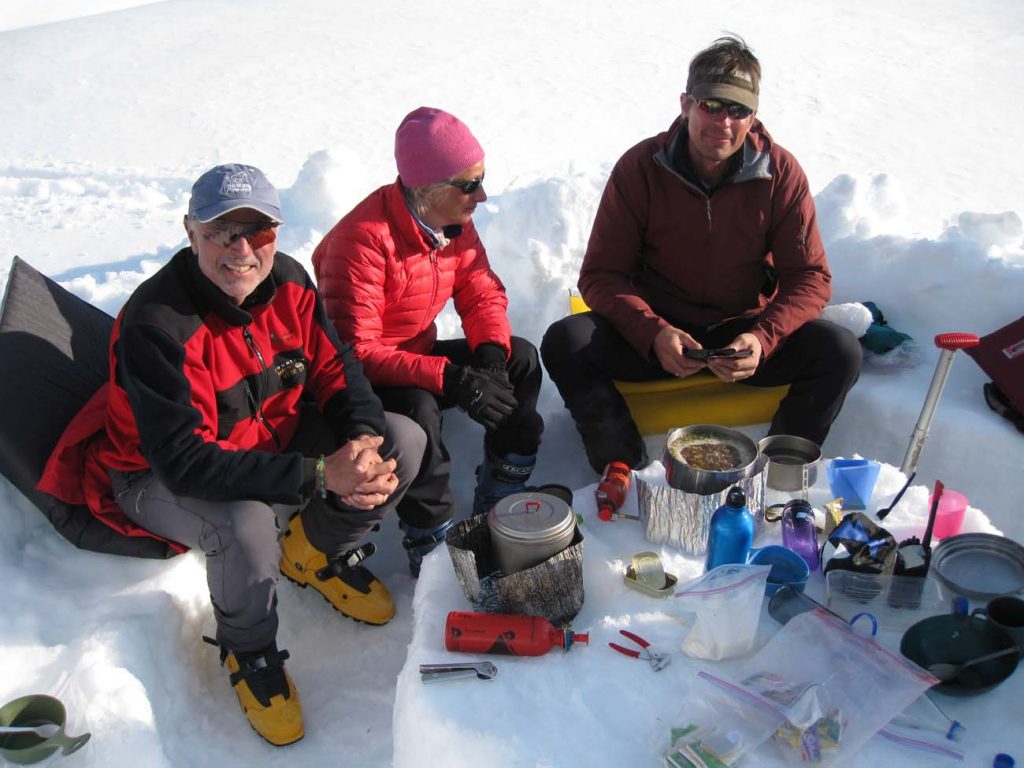
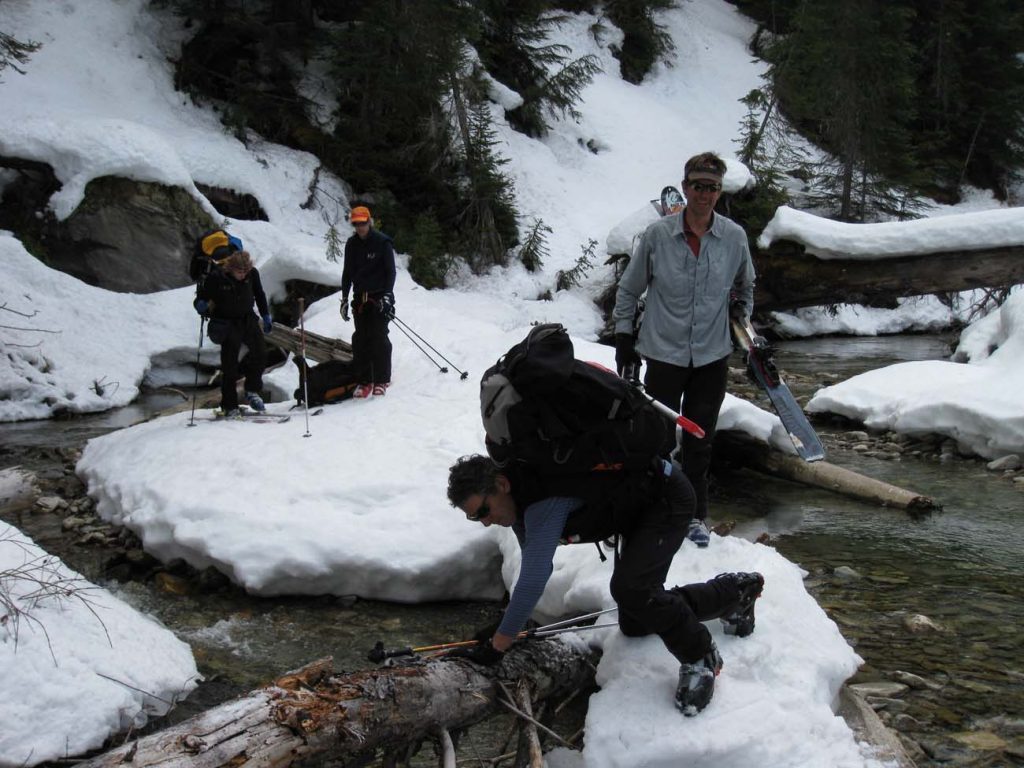
Lodging / Camping: The only official hut along the way is the Blanket Glacier Chalet, a commercial ski touring lodge that is rented out on a weekly basis to groups and not usually available for single overnight stays. There are rumors about one additional “secret shelter” en route which offers no facilities / equipment but a roof and four walls. Hence, it’s four nights of camping in super scenic spots at treeline or below, usually with access to running water and/or frozen lakes.
Food caches: We commonly arrange for a food and fuel cache at Blanket Creek (two days into the trip), set up by helicopter.
Trip Crux / Difficulty: This is a good trip for wilderness ski expedition beginners. Most glaciers, while large in size, are relatively mellow and with a bit of local knowledge, relatively easy to navigate. The most difficult part is the final ~1,600 m / 5,300 ft descent from Mt. Begbie or Mt. English all the way to town level, especially in late season! If the group doesn’t want to face hip-deep isothermal snow at the valley bottom, there is an excellent helicopter operator based in Revelstoke and getting a pick-up higher up is only a short (and relatively cheap) flight away.
Northern and Southern Selkirks Traverses
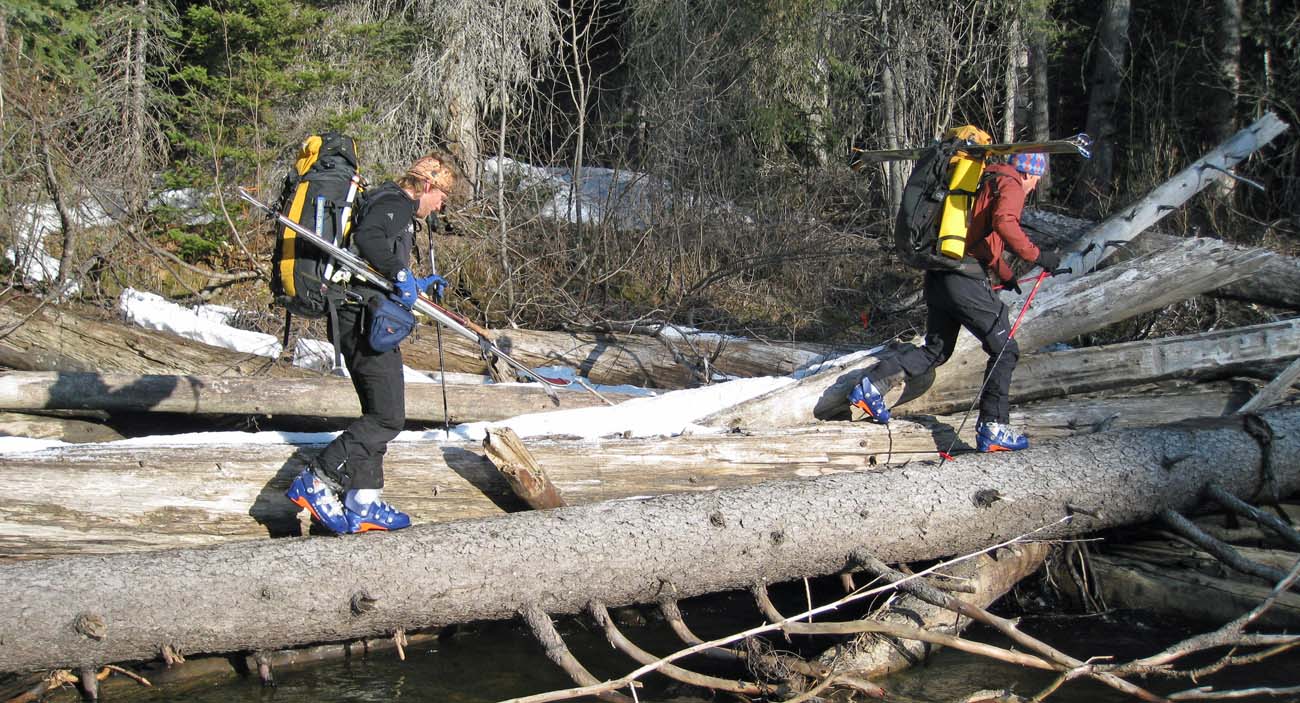
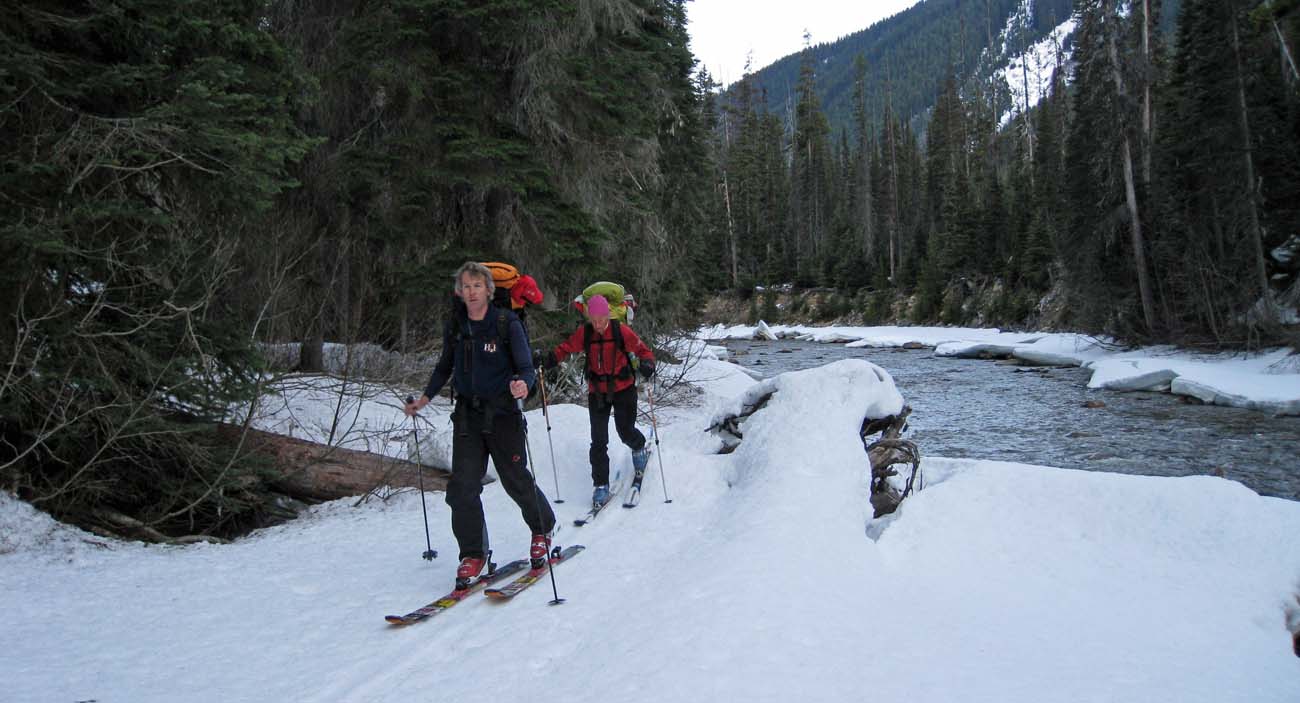
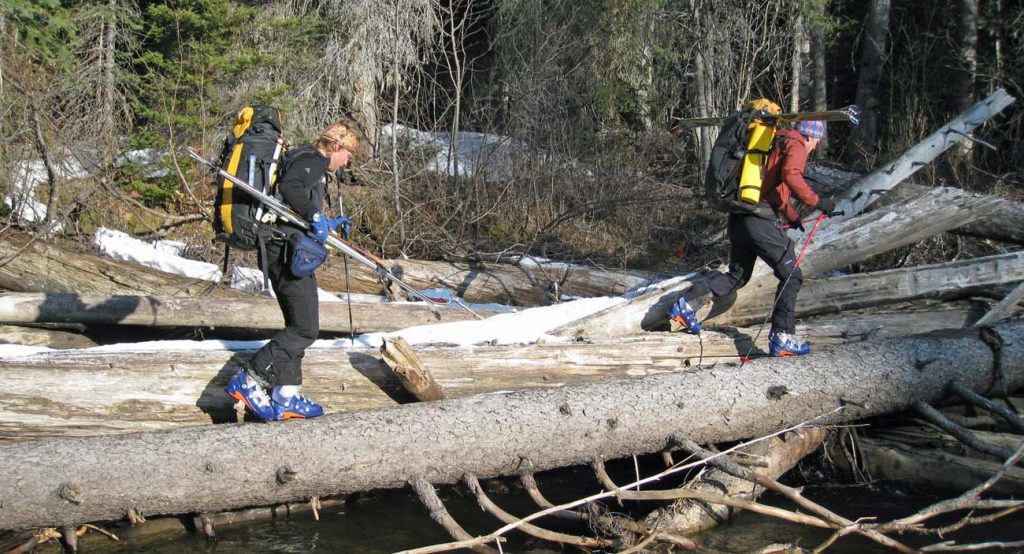
These traverses pick up where the Bugaboos to Rogers Pass Traverse ends, and offer a continuation for another 10-14 days all the way to Mica Creek at the northernmost tip of the Selkirks. Starting at Rogers Pass is convenient and cheap (no helicopter access) but also requires a good amount of bushwhacking and wild river crossings in the northwestern reaches of Glacier National Park, namely in Ursus and Mountain Creeks. An option is to spend a few dollars for a helicopter drop-off just outside the National Park. We commonly split this traverse into two parts: Rogers Pass to CMH Adamant Lodge (five days) and CMH Adamant Lodge to Big Mouth Creek or even all the way to Mica Creek (five to eight days).
Start: Part 1: At Rogers Pass or by helicopter drop-off at Alder Creek south of the Glacier National Park boundary. Part 2: Vehicle or snowmobile approach up the Goldstream Forest Road or helicopter drop-off on the Goldstream Neve.
Finish: Part 1: CMH Adamant Lodge or Goldstream Neve. Part 2: Hamlet of Mica Creek (road access) or by helicopter from a pick-up close to Kinbasket Lake.
Best Season: Early March to mid-May
Lodging / Camping: There are three well-equipped huts along this traverse: Sorcerer Lodge, ACC Great Cairn Hut, and the ACC Fairy Meadow Hut. Sorcerer and Fairy Meadow are usually rented out on a weekly basis to ski touring groups but an overnight may be possible depending on current bookings. We will be camping in our tents most nights, with the camping spots on the first part of the trip being mostly at treeline with access to running water. Camping on the second part of the trip requires some above-treeline camping.
Food caches: We commonly arrange for a food and fuel cache at Moberly Pass (Part 1) and Fairy Meadow Hut (Part 2).
Trip Crux / Difficulty: This is a very remote trip that requires a lot of stamina. The descent to Bachelor Creek can be challenging due to its low elevation and isothermal snow, and climbing out of it involves a short bit of bushwhacking. It can be a long walk on the Goldstream Forest Road to a vehicle pick-up point.
Access: Best by helicopter on both ends of both trips, although part 1 can end with a vehicle pick up on the Goldstream Forest Road.
Trip Details
Meeting Point
Depending on the itinerary, we commonly meet in either Canmore, Golden or Revelstoke on the evening before the first day of ski touring.
Climate/Weather
The Columbia Ranges of BC are primarily influenced by a moist, maritime climate (very much in contrast to Canadian Rockies) with moderate winter temps. During a typical ski touring week, you should be prepared for heavy snowfall and temps from -1C (30F) to -15C (5F). But of course, it can get as cold as -30C (-22F) in a cold mid-winter week and as warm as 10C (50F) during a warm, spring skiing week in May.
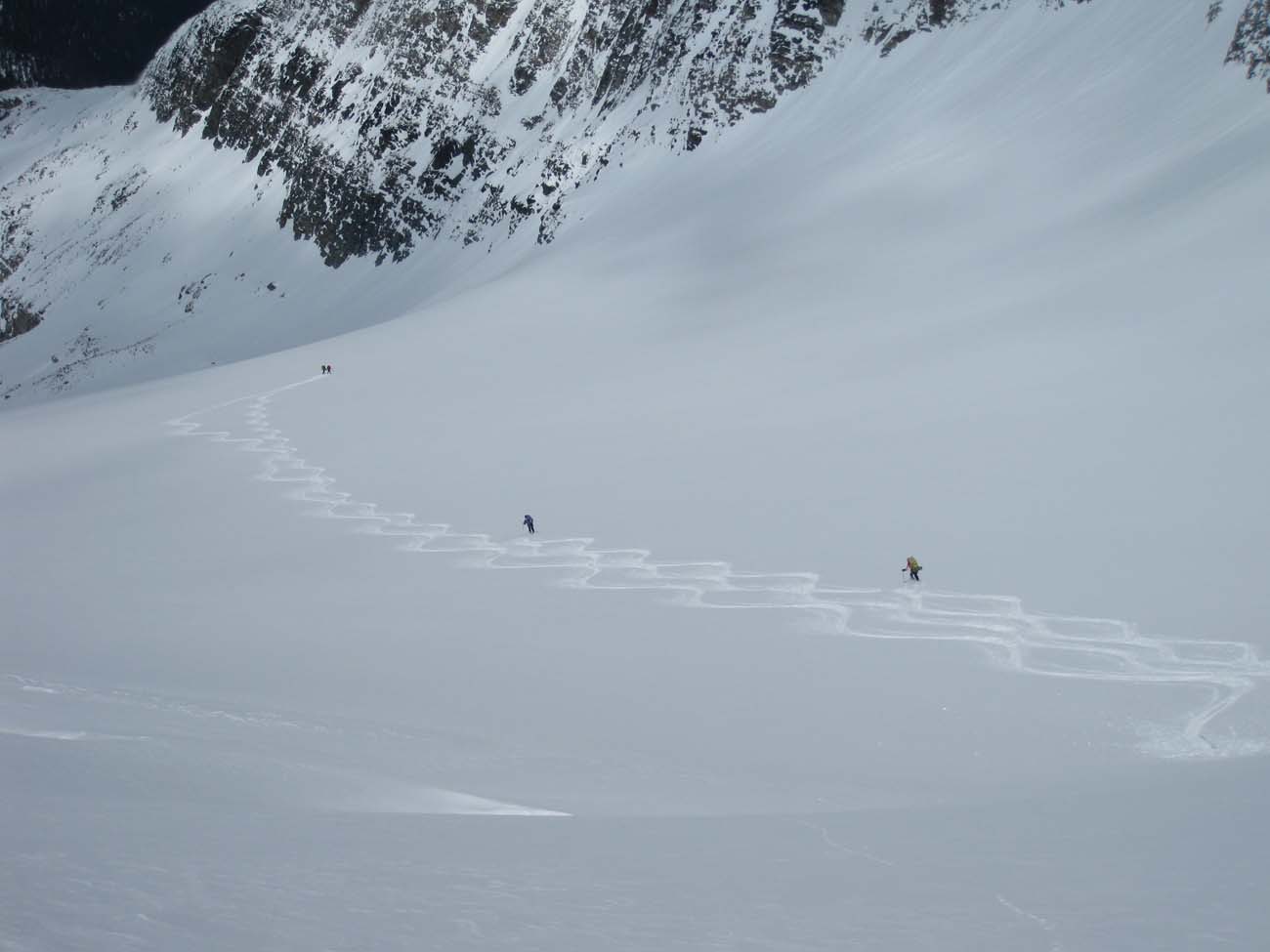
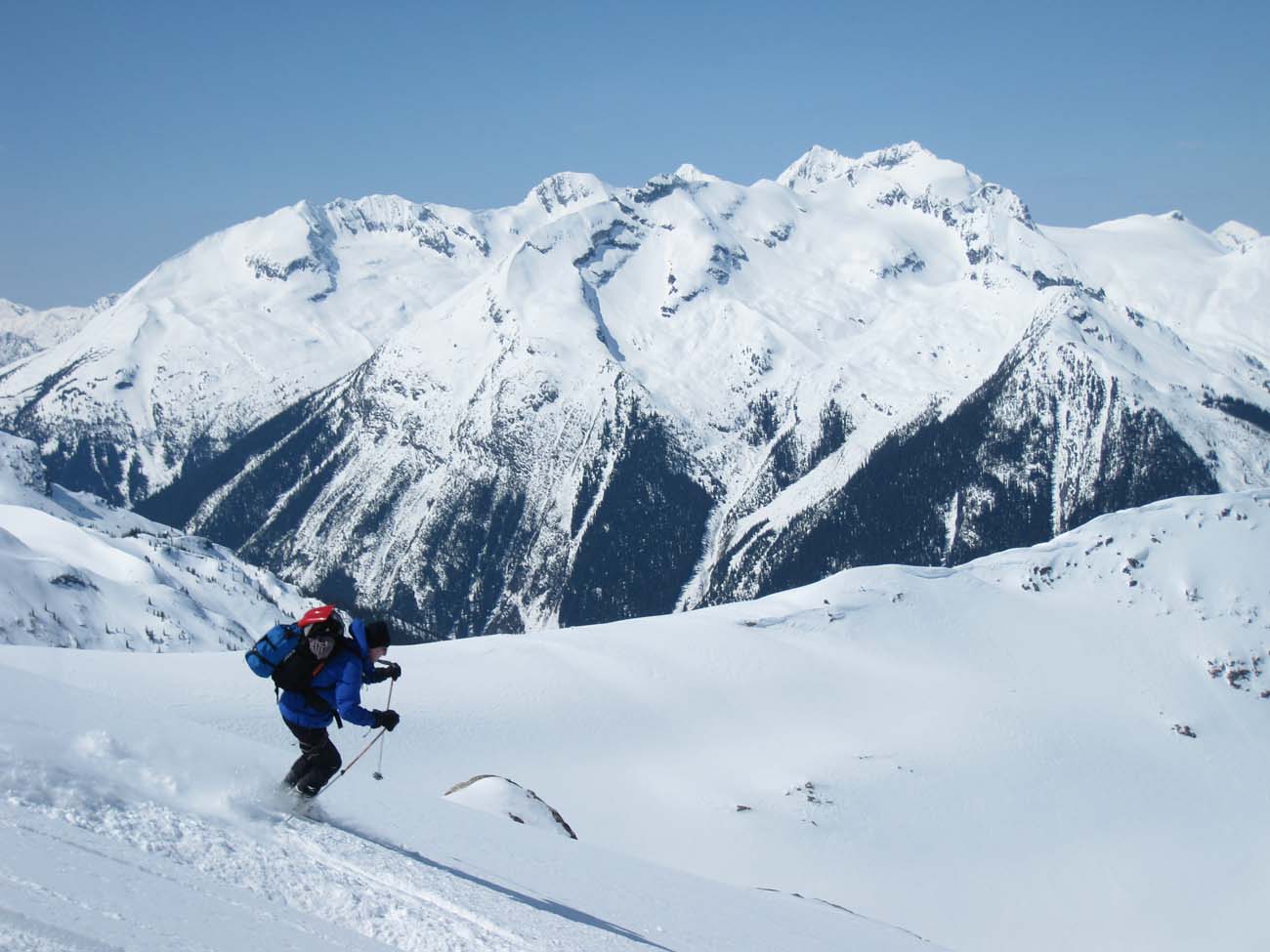
For spring skiing weeks, powder snow (dry, cold snow) usually preserves well on the many northerly aspects even if it hasn’t snowed in days. At the same time, the southerly aspects will start to corn up (melt-freeze cycle) with sunny weather, which yields nice spring skiing, if the descents are well timed with the day time heating. Unfortunately, as with any backcountry skiing, we can’t exclude (but do our best to avoid) the “in-between stages” of powder and corn: Crud a.k.a breakable crusts!
Services Included in the Total Price
Guiding by a UIAGM/ACMG certified Mountain and/or Ski Guide, possibly assisted by an apprentice guide depending on group size / preferences, access by helicopter, depending on the trip itinerary, lodging in basic alpine club huts on some itineraries (bunks with foamies), all trip food (home-prepped, light weight dinners, breakfast and lunch supplies), avalanche safety gear (transceiver, shovel and probe), glacier equipment (harness, rope and crampons, if necessary), National Park wilderness overnight fee fees if applicable, pre-trip meeting and all guide expenses.
Not Included in the Total Price (most can be quoted separately) are:
Lodging in the valley before or after the traverse, transport to and from the trailhead, ski touring equipment rental (if necessary), any additional cost for transport including helicopter evacuation in case the trip has to be abandoned due to adverse weather or snow stability, equipment failure etc.
Medical/Rescue and Trip Cancellation Insurance
We strongly recommend the purchase of a travel insurance package that does cover adventure travel. Common policies sold by travel agents or policies included in your credit card contract tend to exclude “mountaineering” if you read through the fine print. We recommend an adventure travel policy on our website at http://ontopmountaineering.com/travel-insurance/ which our clients had good experiences with in the past. *NEW: we now recommend including covid-19/pandemic coverage with your insurance policy.
Gear List
OnTop Equipment List Wilderness Traverse
Please download a PDF copy to use as a checklist when preparing for your trip.
Technical Equipment
Bring the following, or rent it (see ‘Trip Info Links’ at the bottom of this page):
- Alpine touring (or telemark*) skis and ski boots
- Collapsible, lightweight ski poles
- Climbing skins (stick-on), fitted to your skis
- Ski crampons (rent these with rented skis, or purchase your own for your own skis)
- Large backpack (70 or more litres) with rain cover. You will also have to carry some food, fuel, and group gear.
*Only bring telemark skis if you are an advanced telemark skier with backcountry experience.
If you do not have one or more of the following items, you can rent them from the listed retailers or from OnTop. Please book in advance.
- Digital, 3-antenna avalanche transceiver
- Lightweight snow shovel
- Avalanche probe (two to three meters long)
- Harness for glacier travel
- One triple-action locking carabiner or two conventional locking carabiners
Bring the following:
- Crevasse rescue equipment, if you are familiar with it. (Prusik cords, webbing, pulleys, auto-locking device). Your guide will bring a full set
- Repair kit and Leatherman (can be shared between several people)
- Spare parts specific to your equipment
Clothing
Temperatures in the Western Canadian mountain ranges vary hugely. Between December and February, temperatures can be well below 0°C during the day and drop as low as –30°C overnight. Between March and May, it can be above freezing during the day with overnight lows not normally going below –10°C. Having several clothing layering options is important.
- Wind and waterproof shell jacket with hood (Gore-Tex or similar)
- Wind and waterproof over-pants (Gore-Tex or similar)
- Ski touring pants (eg. lined Schoeller fabric or similar)
- Thick fleece or wool pullover, or PrimaLoft jacket
- Medium weight fleece shirt
- Thin synthetic or wool underwear, top and bottoms
- Two or more pairs of gloves (lightweight and heavier weight)
- Scarf or neck gaiter (eg. Buff)
- Socks (synthetic or wool, thick outer and thin liners)
- Wool or fleece hat that covers your ears
- Gaiters that fit over your ski boot (unless pants seal tightly to your boots)
- Sun hat, preferably with a wide rim
- Bandana (optional)
- Extra underwear and socks
- Light down jacket or vest
- Down booties
- 3-season sleeping bag
- Toiletries (keep to a bare minimum)
Other items
- Sunglasses with high UV protection and side protection
- Ski goggles with high UV protection
- Sunscreen and lip protection with high SPF
- One-litre water bottle with insulator. Water bladders not recommended
- Small thermos (optional)
- Headlamp with fresh batteries
- Snacks (eg. candy bars, dried fruit, nuts, etc.)
- Personal first aid kit and other needs (eg. blister kit, prescription medicine, anti-inflammatory, contact lenses, prescription glasses, etc.)
- Small pocket knife (optional)
- Health and travel insurance documents
- Ziploc bags and stuff sacks to keep important items dry and your pack organized
- Rain cover specific to your pack, or large plastic bag
- Camera with spare batteries (optional)
- Compass, maps, GPS (optional)
- Ski wax / skin wax (optional)
- Hand sanitizer or sanitary hand wipes
FAQ
Do I need to sign a Release of Liability & Assumption of Risk Agreement (a.ka. liability waiver)?
Yes, you do. Mountaineering, skiing, climbing, hiking, via ferrata and all other wilderness and adventure travel activities are inherently risky with potential for injuries or even death.
It is very important to us that you are aware of those risks before you start the booking process, which includes filling out a booking form and paying a deposit.
With signing the liability waiver, you confirm that you understand the potential risks and hazards, and are willing to accept the risks, which includes giving up legal rights you may have.
This would also be the time to ask questions or address concerns before you book.
For your reference here is a link to our Liability Waiver. Our booking terms & cancellation policy with more details can be found here
Why book with us?
Aside from our credentials as ACMG / IFMGA certified mountain guides we have excellent knowledge of the remote ranges of the Canadian West. Most of us also work as heli-ski guides for Canadian Mountain Holidays who is operating in some of the areas traveled. Local expertise and insider knowledge enables us to arrange food caches, drop offs and pick ups by helicopter, snow mobile or truck in a cost efficient manner or make terrain choices with the background of having skied in these ranges for the entire winter season.
Additional Risks of Wilderness Traverses
Wilderness Ski Traverses involve substantially more risk than other ski touring trips. Especially once most helicopter-ski operators finish their season at the end of March / early April, help can be far away in case of avalanche or other accidents. Equipment failure, bad weather, fatigue or high avalanche hazard might force us to interrupt the trip in a spot that is far away from the next road access. This and other unforeseen circumstances may require helicopter evacuation (provided reasonable flying weather) that comes at additional cost. A risk that has to be shared by all participants.
Equipment
You need either sturdy telemark equipment or (more common in Canada) alpine touring equipment – either is available for rental at our base in Canmore, Banff or Golden, BC. however we do recommend you bring your own gear. Equipment failure can put an end to your trip and cause a costly helicopter evacuation.
Can I Do It?
This is a trip for seasoned individuals with an extensive ski touring background (except for the classic Wapta Traverse): Very strenuous backcountry ski traverse in remote, alpine and often glaciated terrain on alpine touring (randonne) or sturdy telemark equipment.
You must be able to ski safely and controlled at all times while wearing a heavy (15kg – 25kg = 33lb – 55lb) backpack. In spite of the existence of some huts and possibly pre-arranged food caches, the ski touring party has to carry all technical equipment, winter camping equipment, cooking fuel and dehydrated food.
Depending on the conditions, we might have to rope on while skiing both up and downhill.
You need to be in EXCELLENT physical and mental condition, ready to be on your feet for about 10 hrs. On some of the days, followed by setting up camp. If in doubt whether you have the required skills, give us a call!
Feedback (From our Wapta Ski Traverse)
References of prior guests: We will gladly put potential clients in touch with previous participants of each trip in order for interested guests to get more personalized references and their questions answered from a more objective point of view than what our office could provide.
“Guide: Great. Mike and Jen were approachable and full of knowledge and experience and were totally helpful. Mike’s judgement allowed us to safely complete the WAPTA – hoorah!
Itinerary: Spot on.
Lodging/Food quantity and quality: The Huts are in a great location and much better than camping.
10/10″ Guy S., Australia
“The Wapta trip was pretty much everything I hoped it would be (except for the blisters); challenging, scenic and enlightening. Overall, a memorable experience. I’d definitely recommend it to someone who is looking to complete a real journey through the mountains.
Guide: Mike was excellent. Very cautious and set a reasonable pace on the hill. He was happy to share his knowledge and was a great leader throughout.
Itinerary: The Wapta is what it is – a traverse and I appreciate that is the overall objective – decent downhill skiing is only a bonus so I wasn’t bothered that we didn’t get too much of that on this route. We didn’t seem to have the time or weather to make as many of the side trips as the online itinerary suggests. Reflecting on that itinerary, seems to me you’d have to have a very fast group and perfect conditions to get it all done.
I am definitely keen to do more trips with OnTop. If I have any friends looking for a genuine Canadian Rockies experience I will be strongly recommending you. Say an 8/9 out of 10.” Steve T., Hong Kong
“Thanks so much. It was a wonderful trip. Jordy and Leanne did a fantastic job. I really enjoyed them and the other guests. Food was great. Thanks for making it happen. I would definitely recommend On top. 10/10! ”
—Eric S., ID, USA
“Dave’s performance was Excellent. Dave clearly knows his stuff with respect to both the technical aspects of his job, and how to work with people. He is one of the most capable leaders, back country or otherwise, that I have had the pleasure to engage with in the past 30 years or so. Trip Organization and communication was generally excellent and no complaints.
One suggestion: let people know they may be carrying up to 50-60 lbs of stuff at some point in the trip. It wasn’t a problem for me (except for all the huffing and puffing) as I have been training for activities like this, but others may be in for a rude surprise.Itinerary was perfect.Lodging and Food quality was Excellent. Thanks for arranging the night in the Coast for me. The ‘meat-etarian’ in me was well satisfied! 10/10. Already bragging about you to others.”
—Richard E., BC, Canada
2026 SCHEDULED DEPARTURES, TRIP INCLUSIONS AND PRICING
Bugaboos to Rogers Pass
8 days touring
Custom trips/group bookings only
enquire for pricing
Southern Monashees (Sunday – Wednesday)
4 days touring
Custom trips/group bookings only
CAD $1945 + GST (5%) or less, depending on helicopter access and trip duration
Includes: Guide + guide expenses, hut lodging (if available), food, and wilderness fees (if applicable).
Northern Selkirks (Sunday -Saturday)
7 days touring
Mar 30 – Apr 5
Apr 6 – 12
CAD $2260 + GST (5%)
Includes: Guide + guide expenses, hut lodging (if available), food, and wilderness fees (if applicable).
GROUP TRIP SIZE
3 -7 Clients: 1 Guide
CUSTOM TRIP DEPARTURES
Please inquire for custom trips and pricing.
ADD-ON SERVICES ($)
Add-Ons:
- Pre- and post- lodging
- Transport to and from trailheads
- Rental of ski equipment
- Rental of avalanche safety equipment ($100 for the avalanche safety items, $50 for the harness and carabiners)
For a full list of services included, not included, and add-ons, please inquire.