Hokkaido, Japan: Backcountry Powder Skiing & Snowboarding
Japan/ Hokkaido
9- day backcountry ski tour in Japan’s famous powder skiing destination.
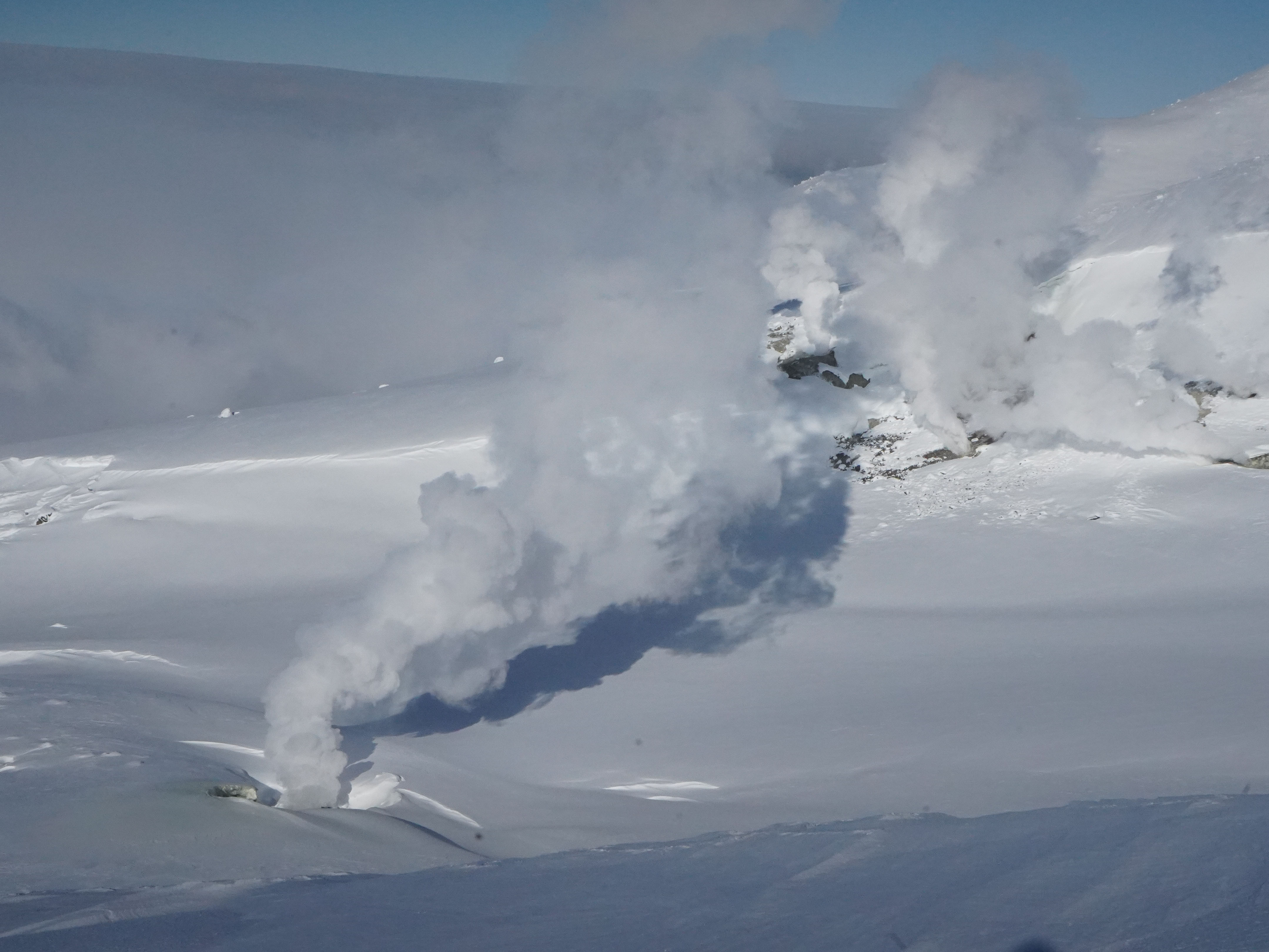
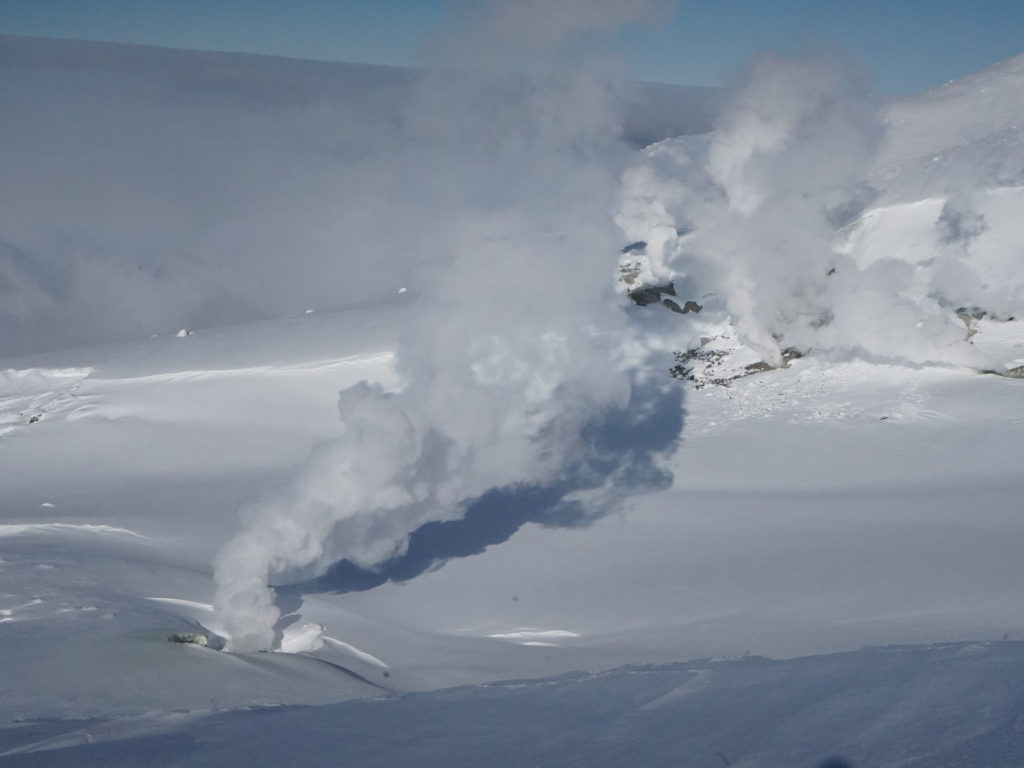
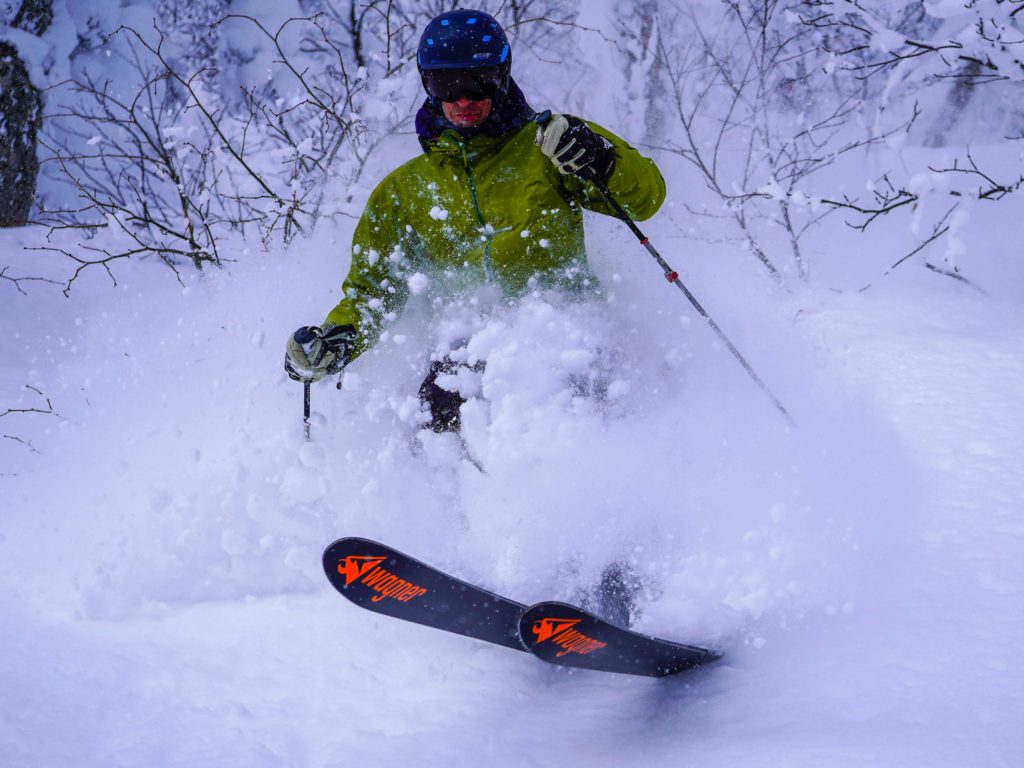
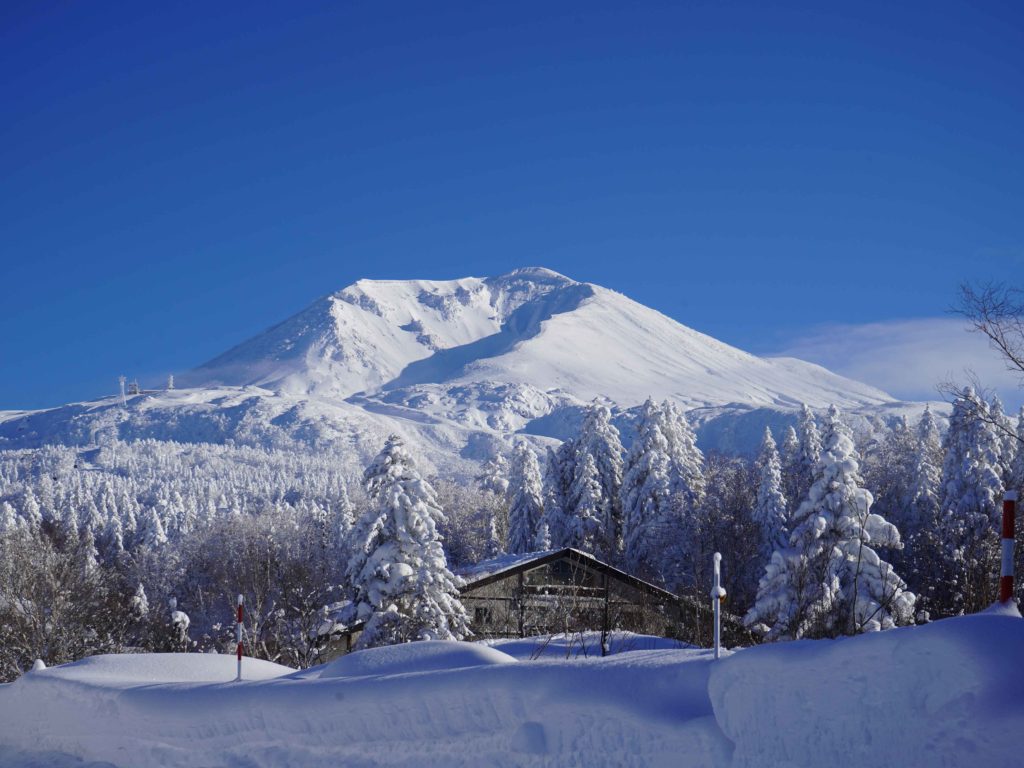
Hokkaido is the northernmost of Japan’s main islands and it has gained an international reputation for incredibly deep and reliable powder skiing in recent years. It also boasts steaming volcanoes, natural hot springs (onsen), and well-serviced ski resorts for high avalanche hazard days.
We will visit three different areas over the course of 11 days – Furano, Otaru, and Niseko – taking in the best of Hokkaido’s backcountry powder and terrain.
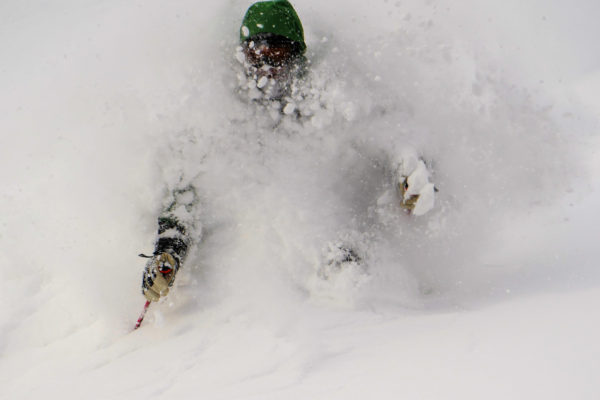
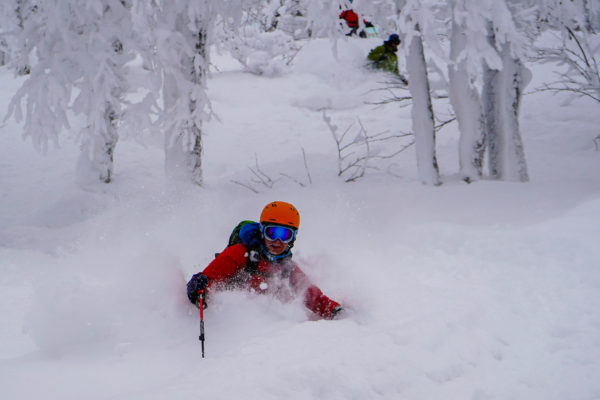
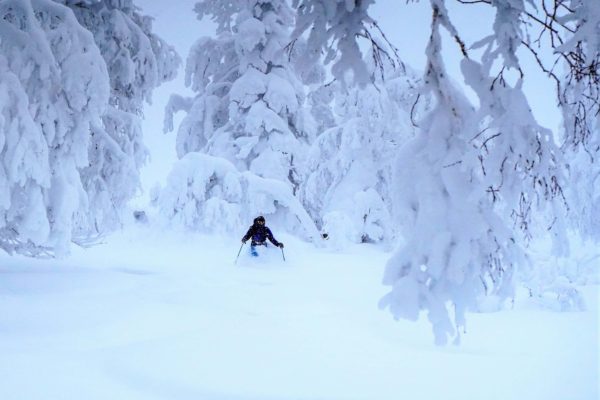
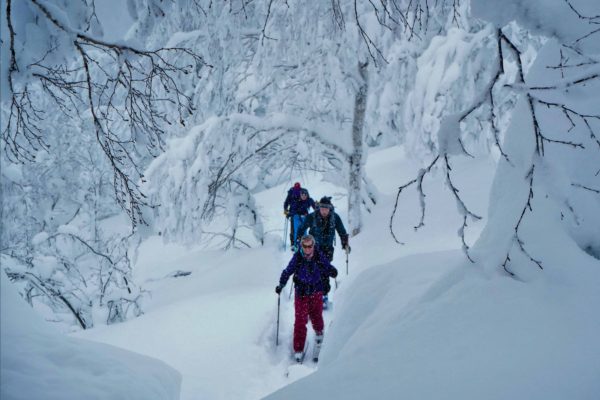
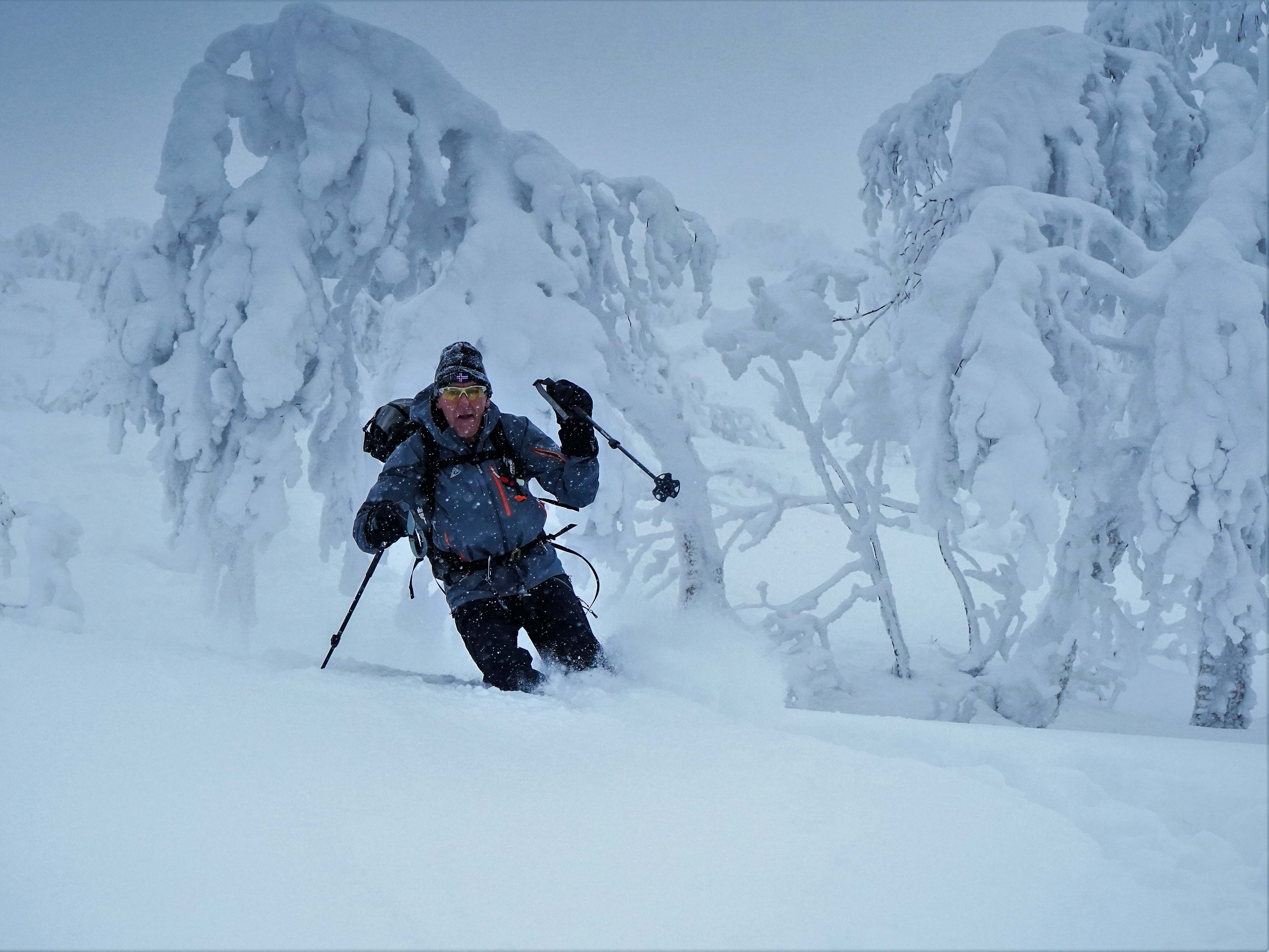
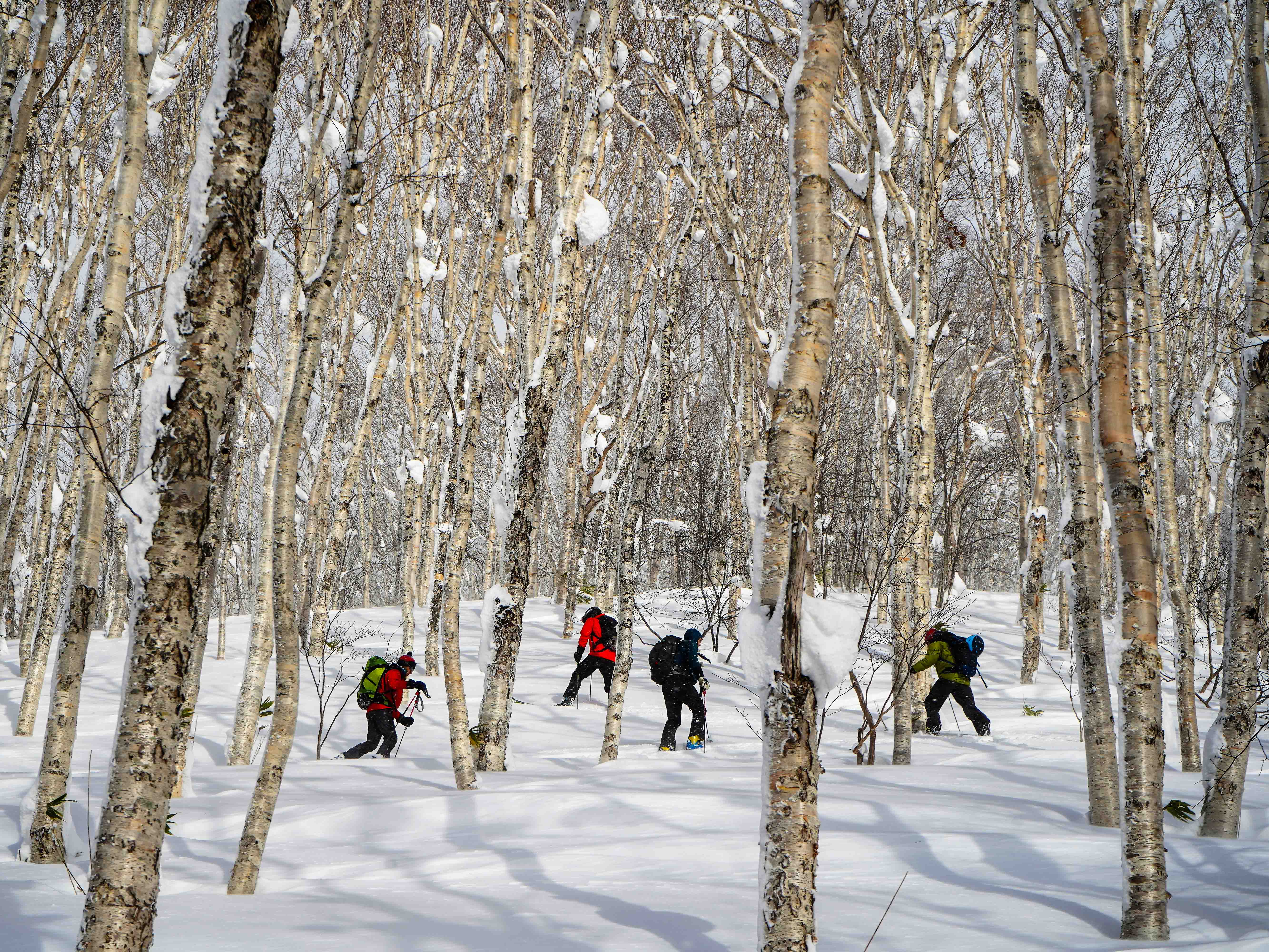
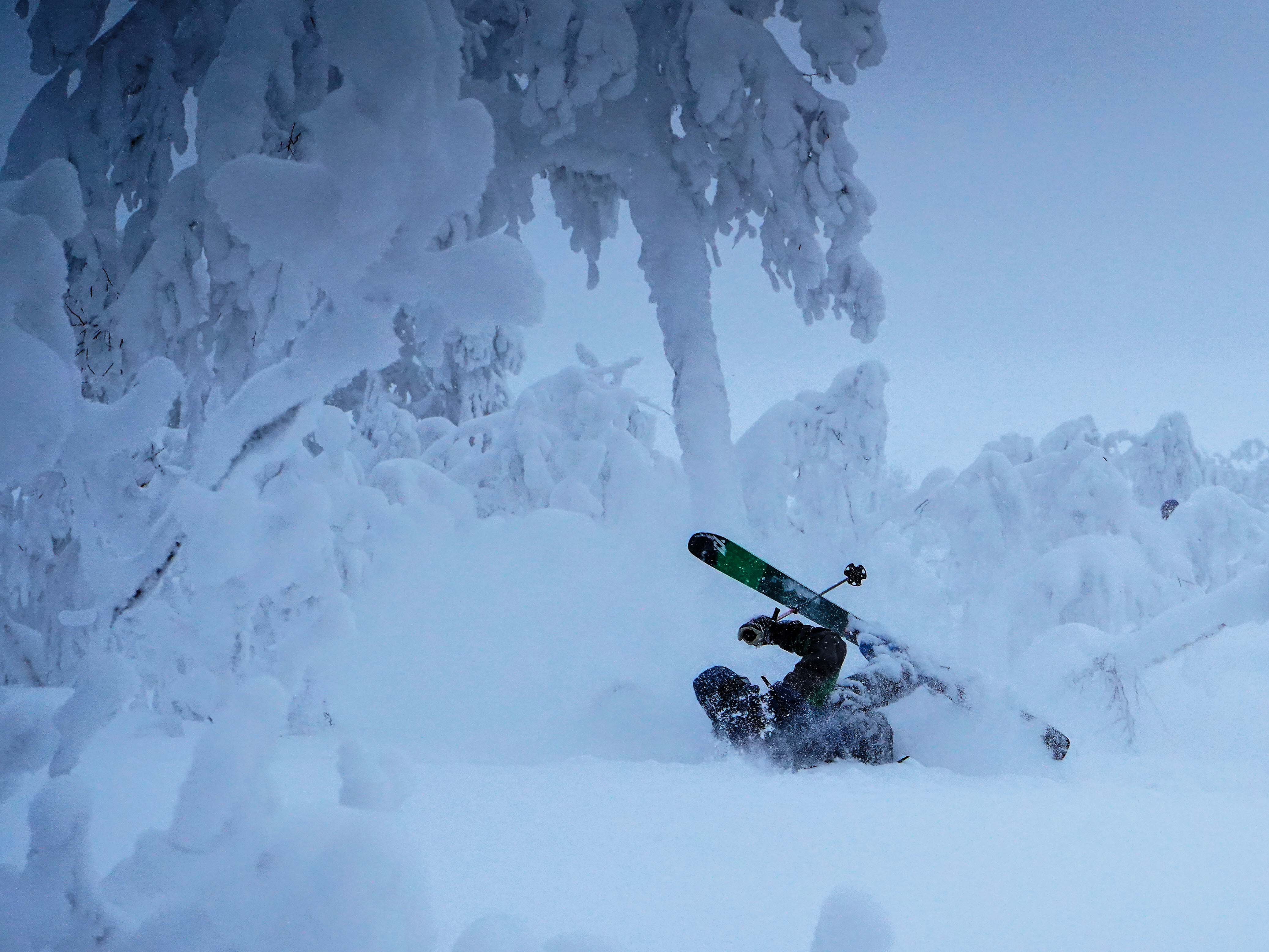
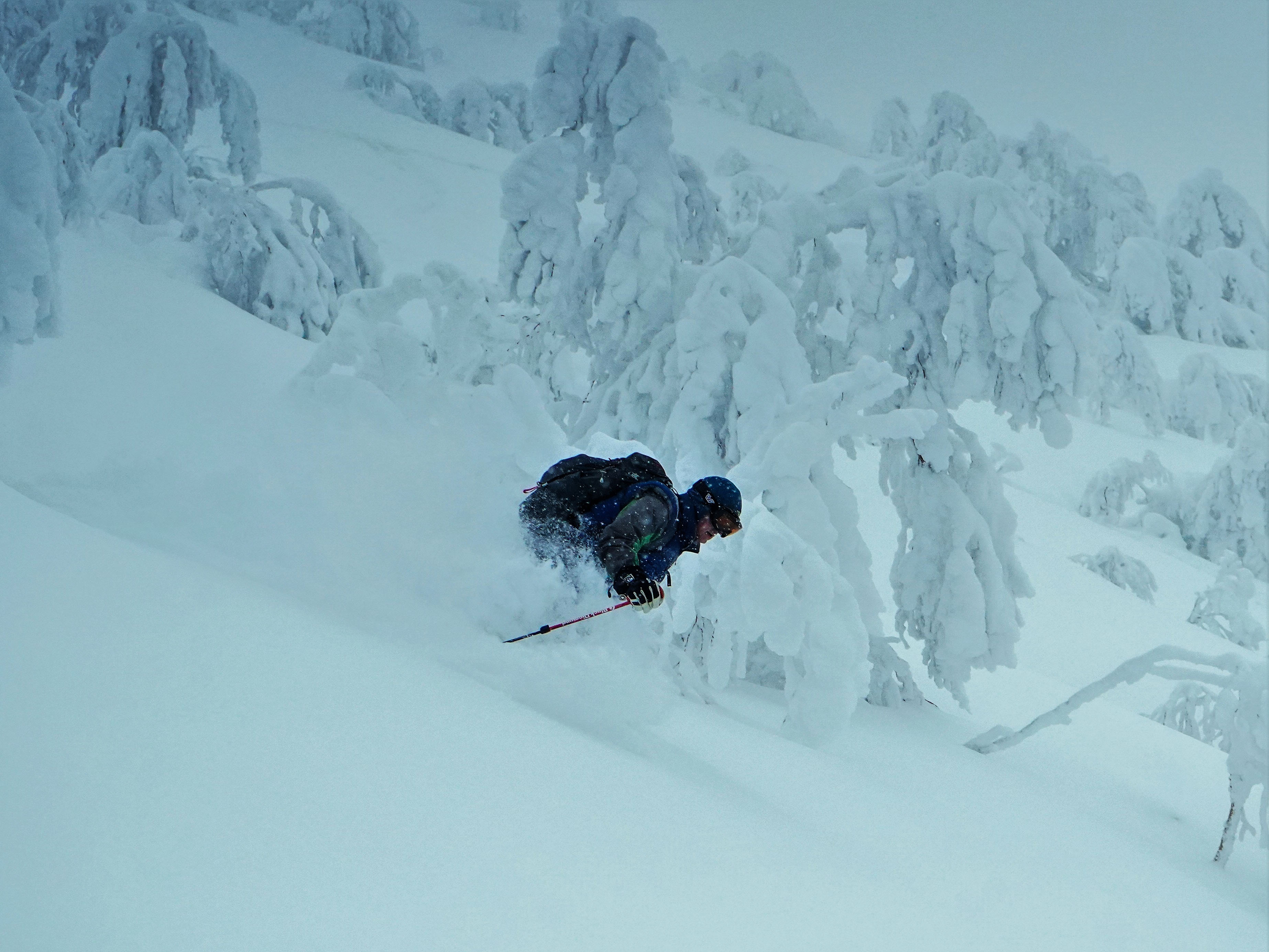
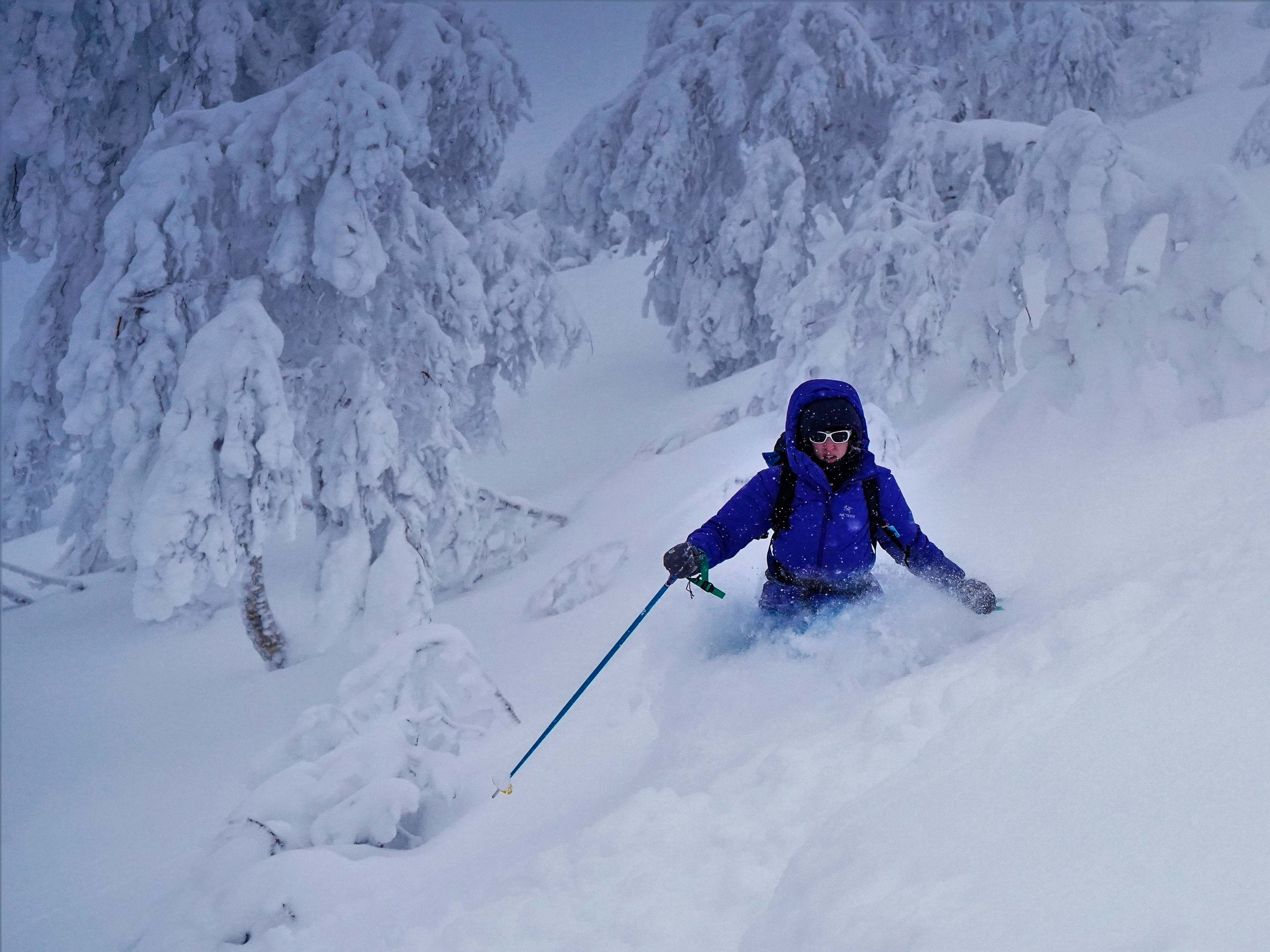
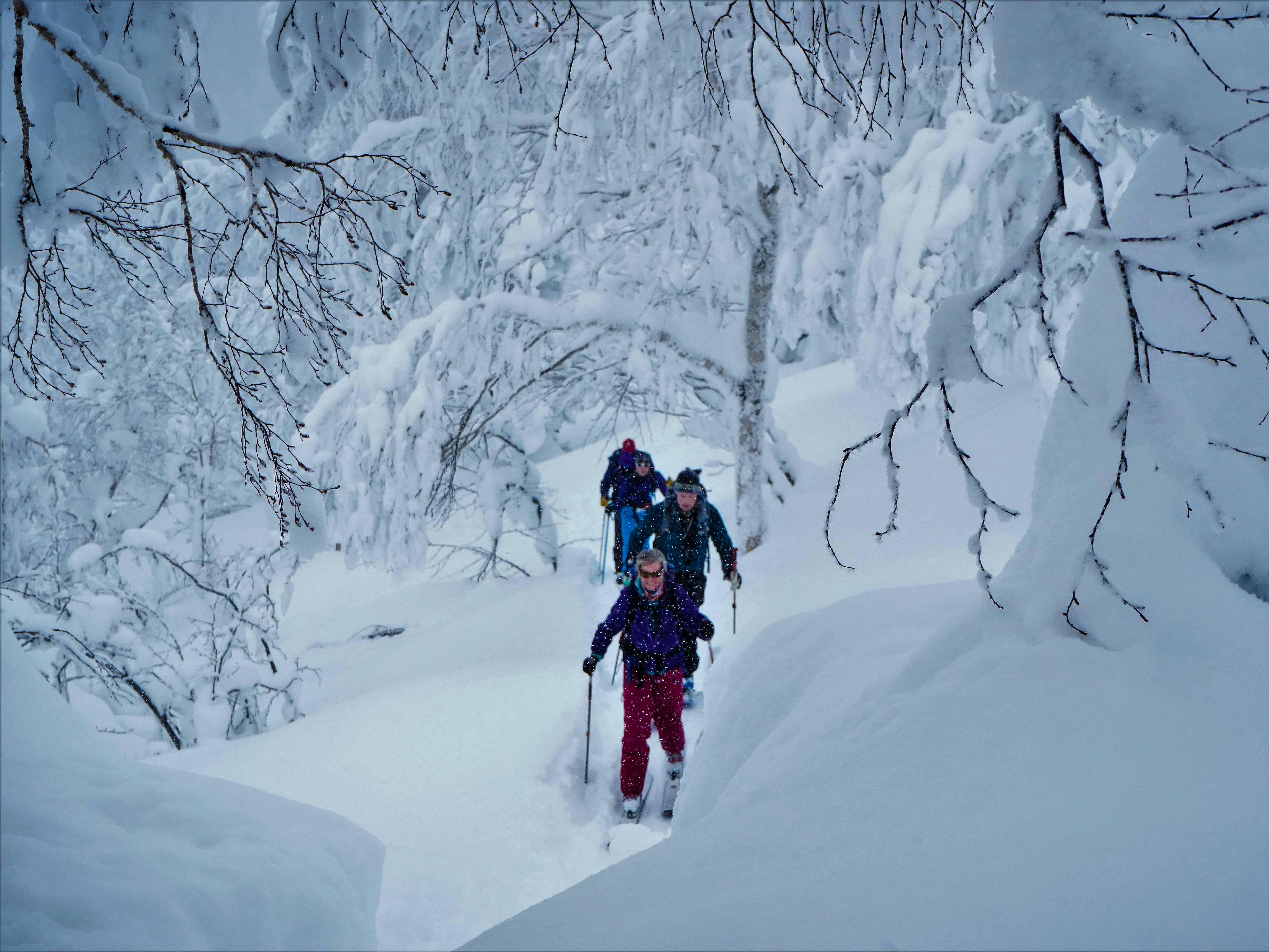
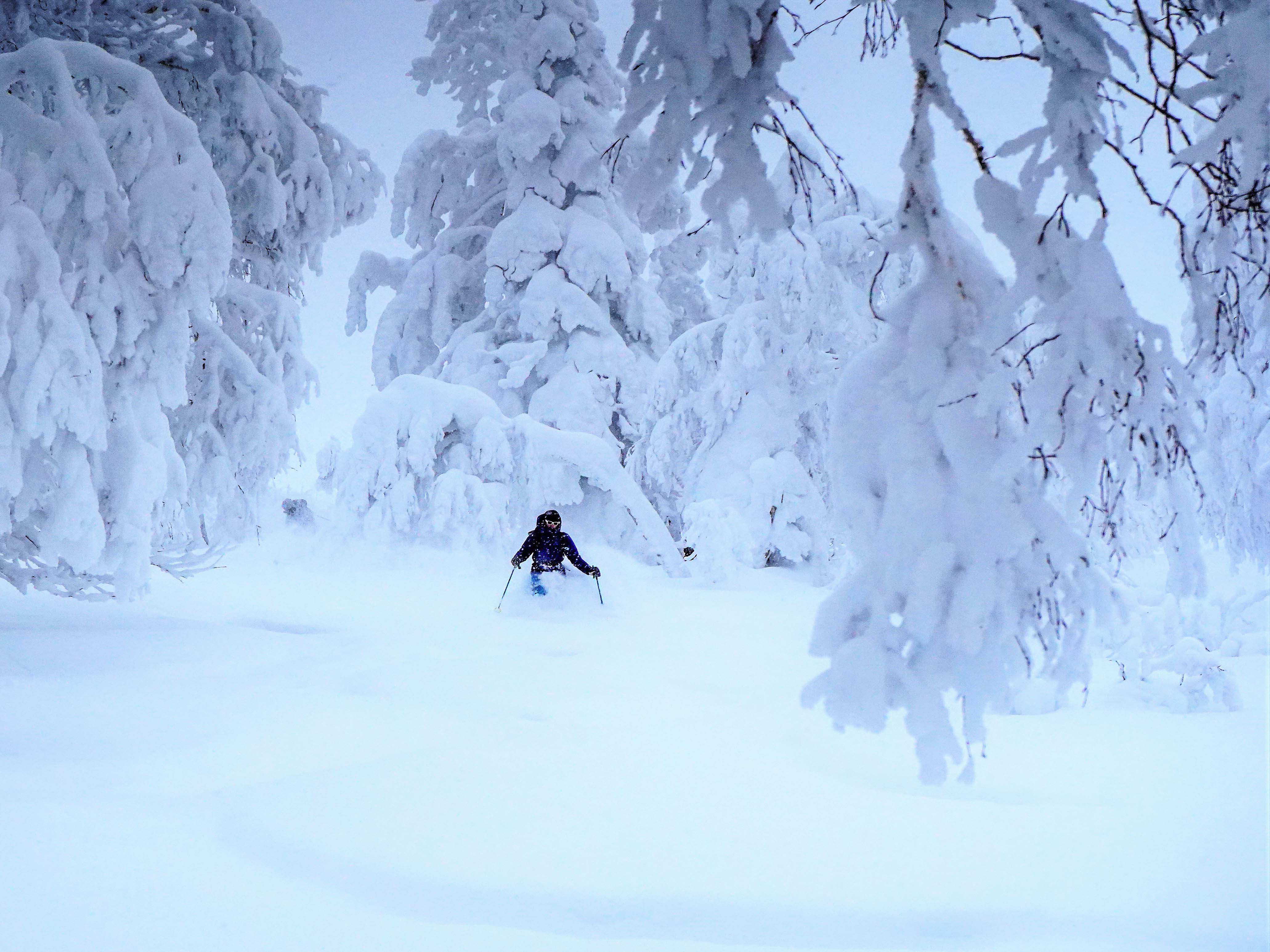
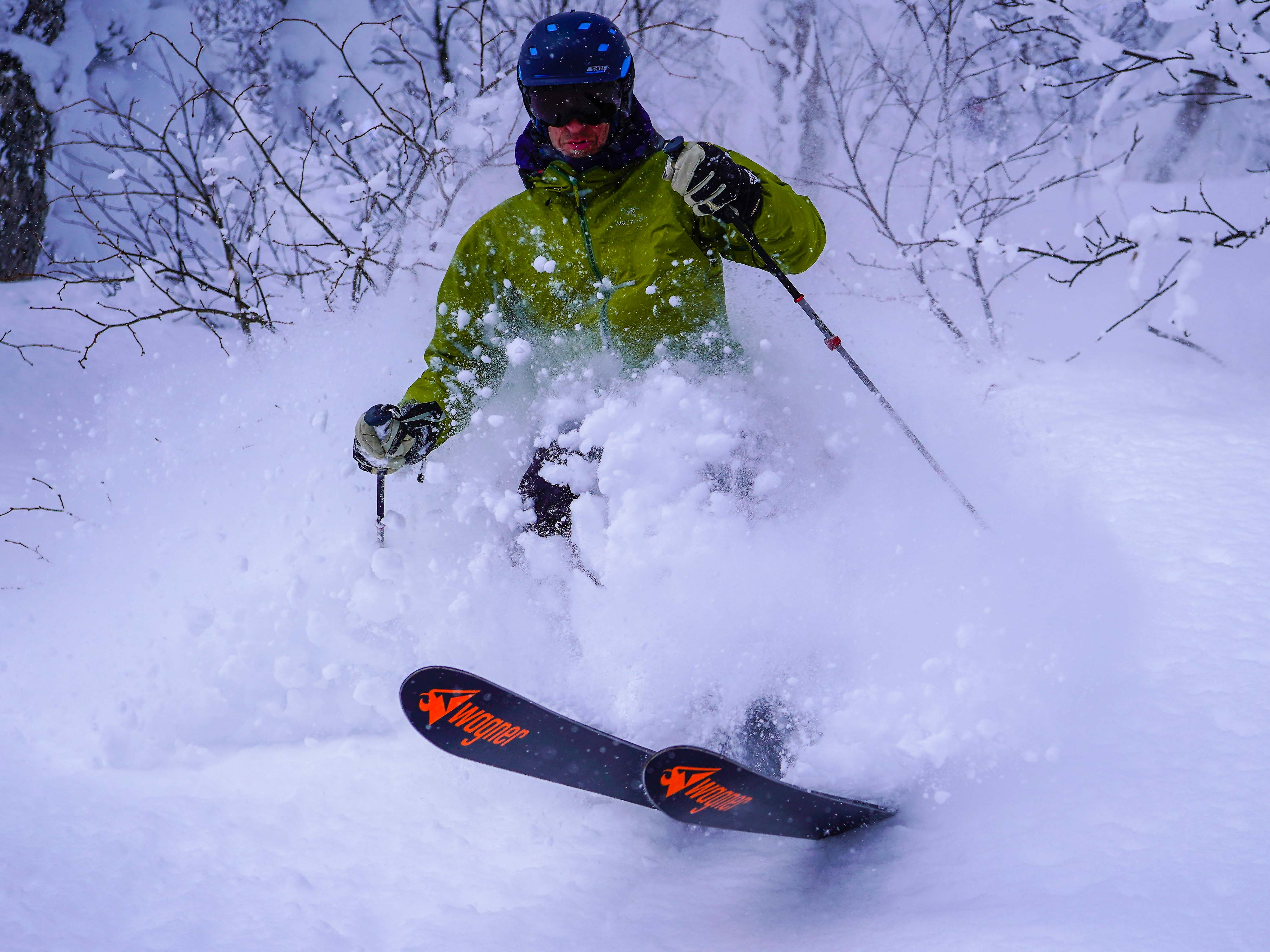
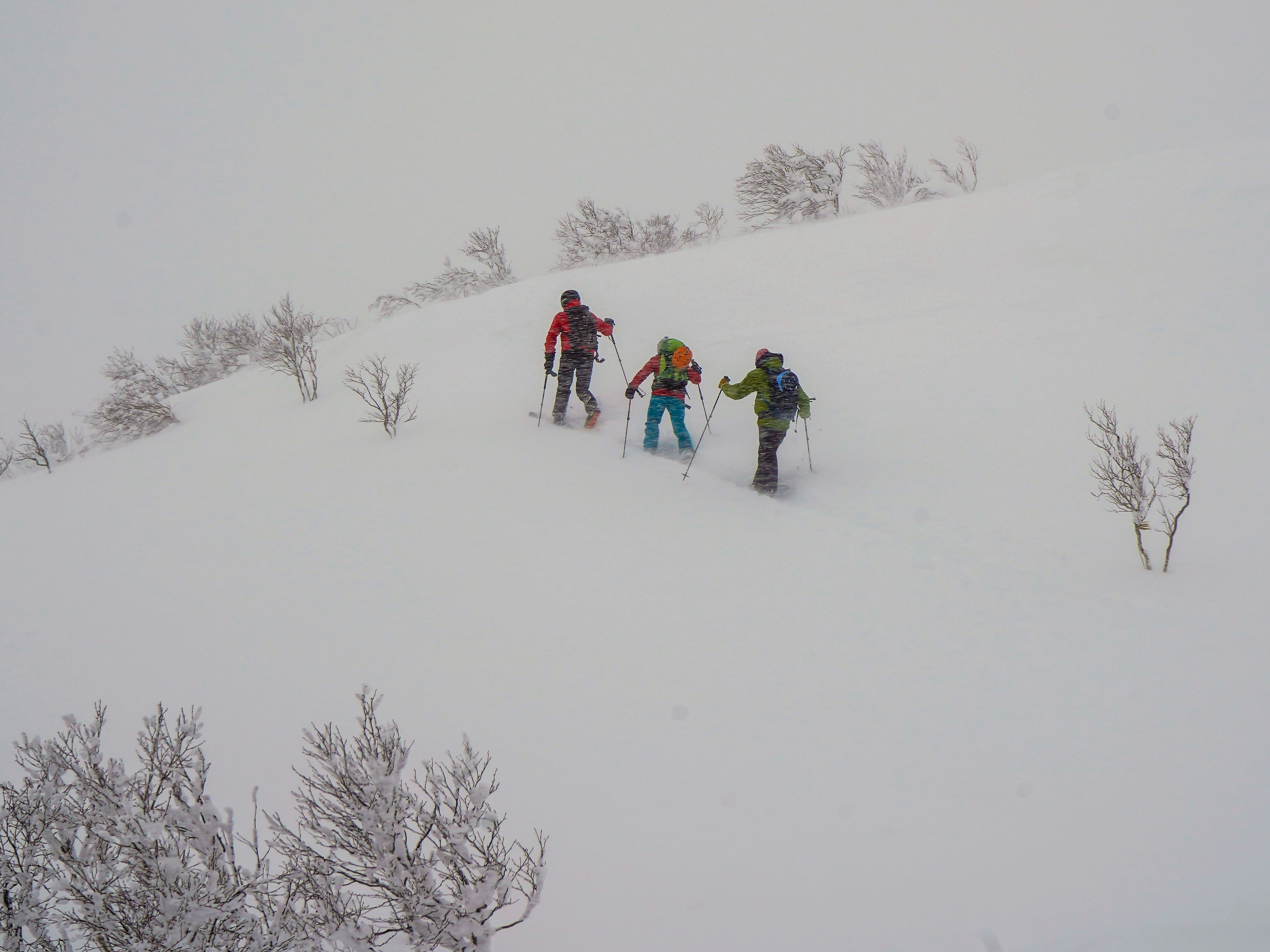
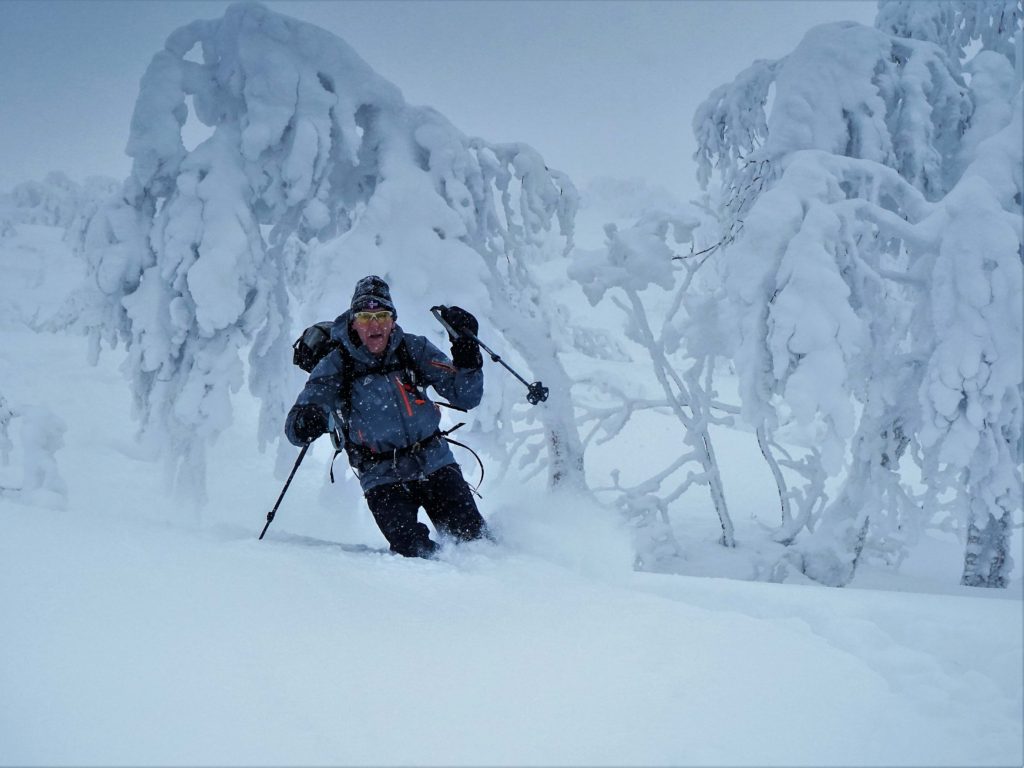
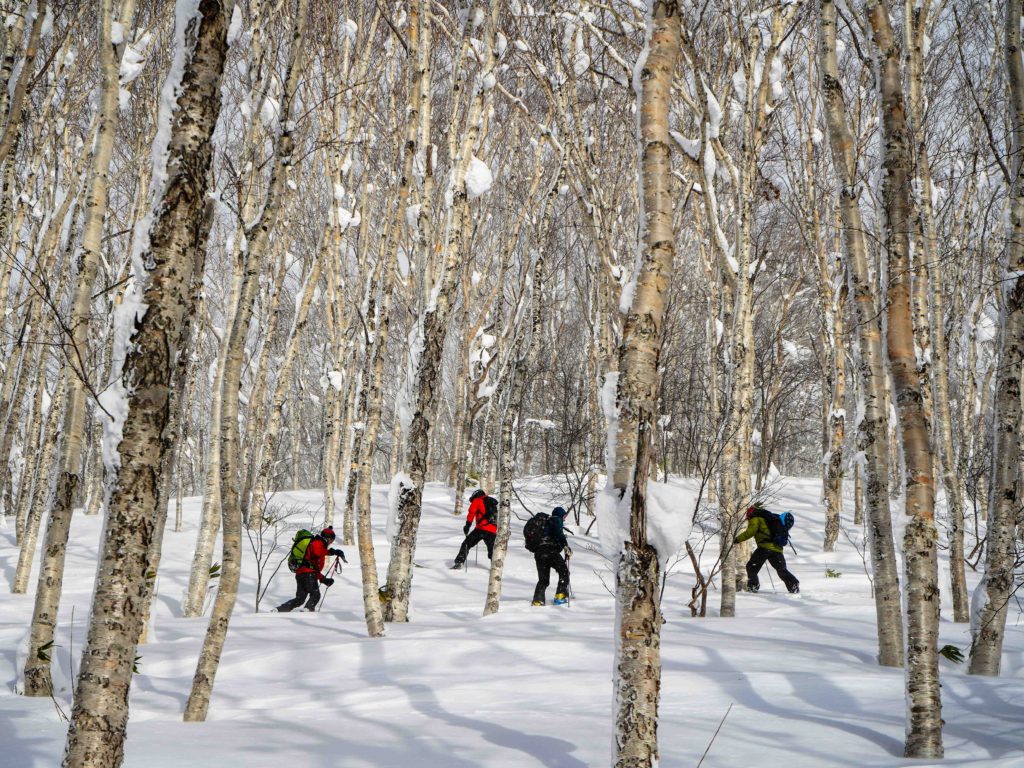
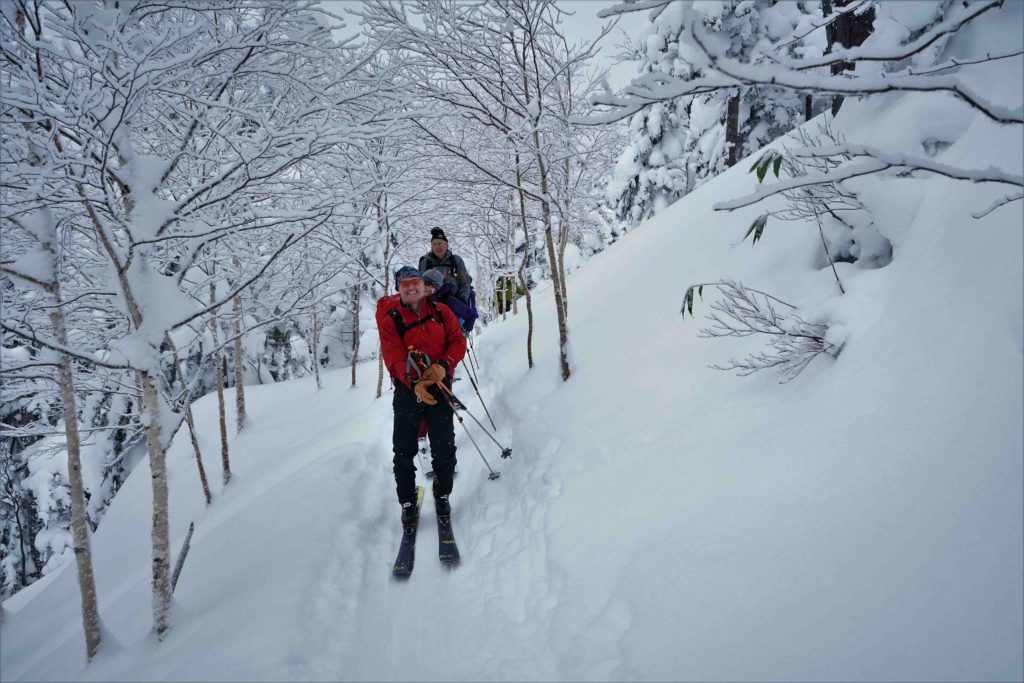
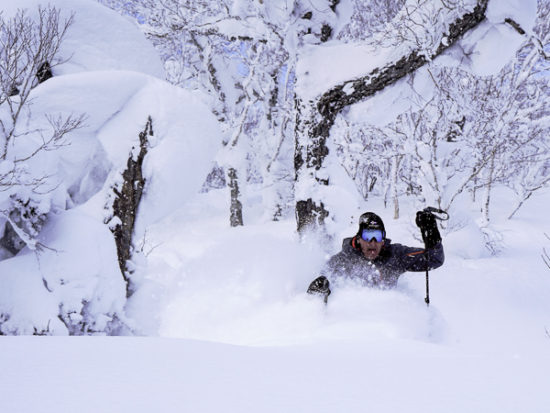
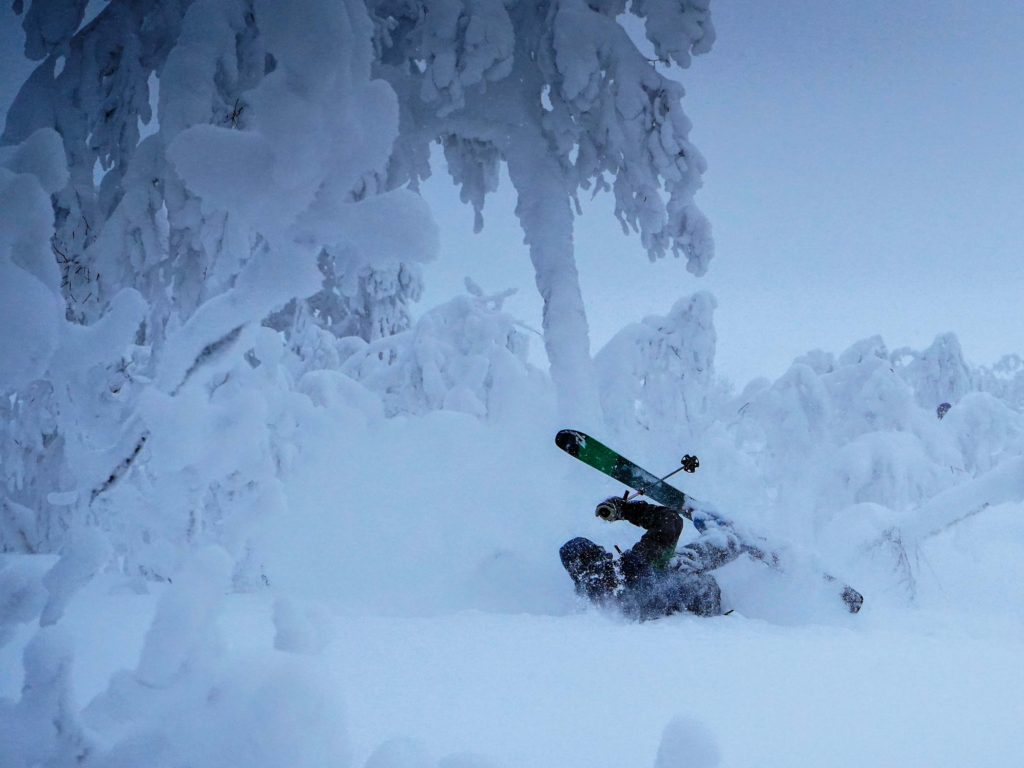
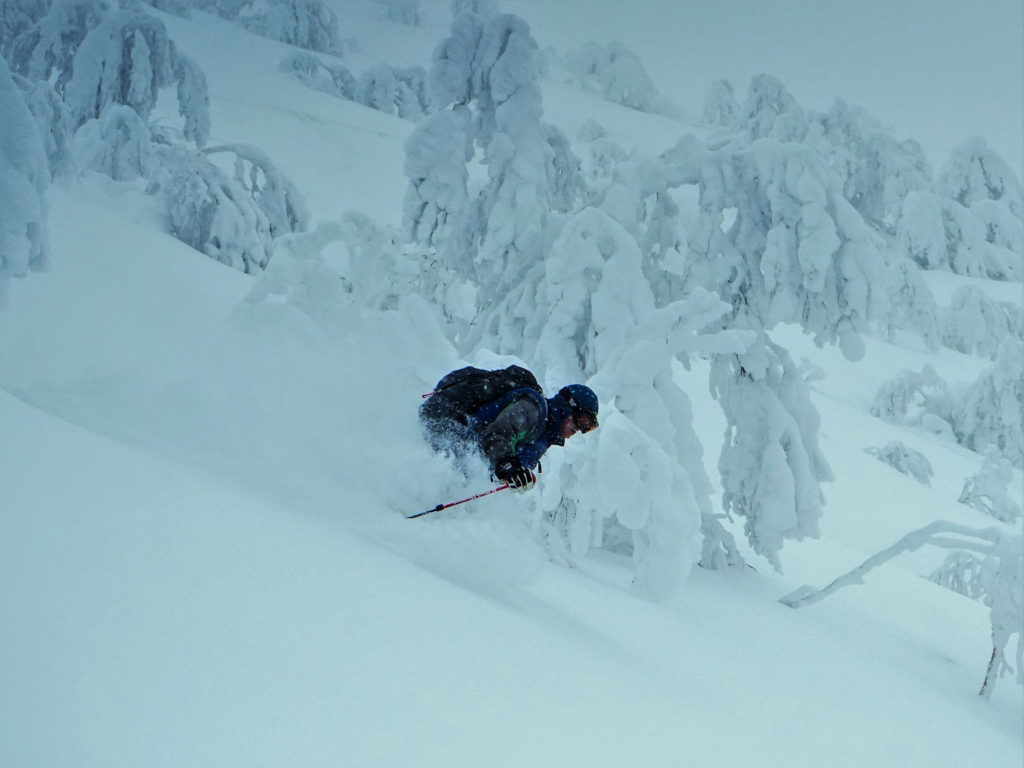
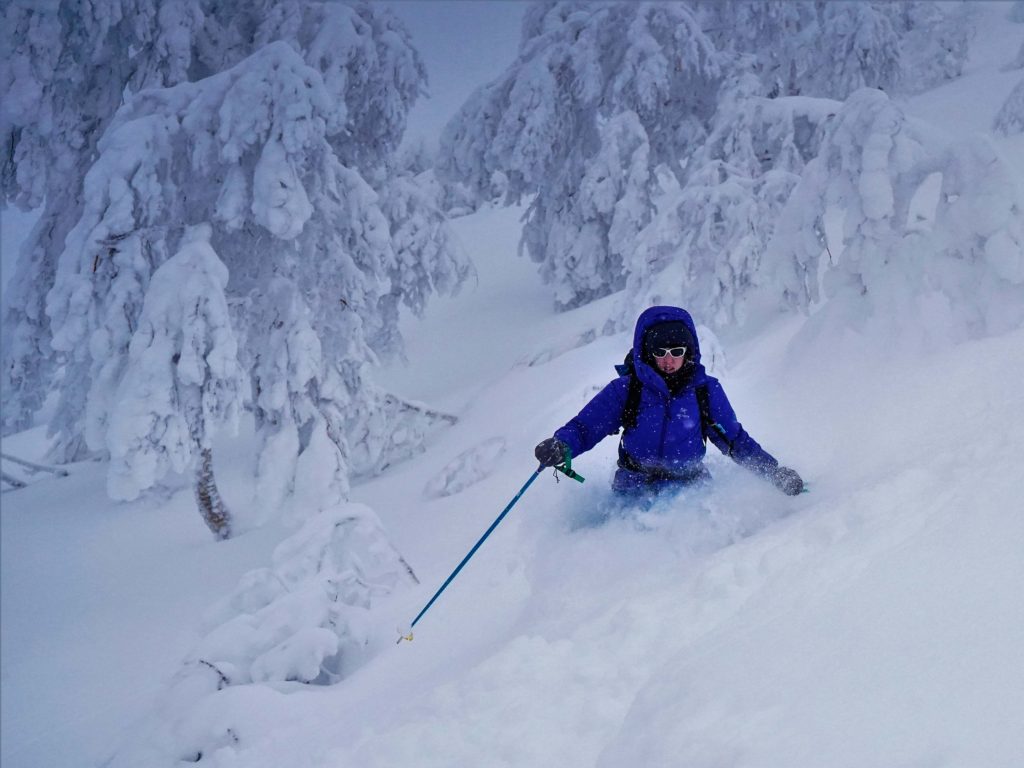
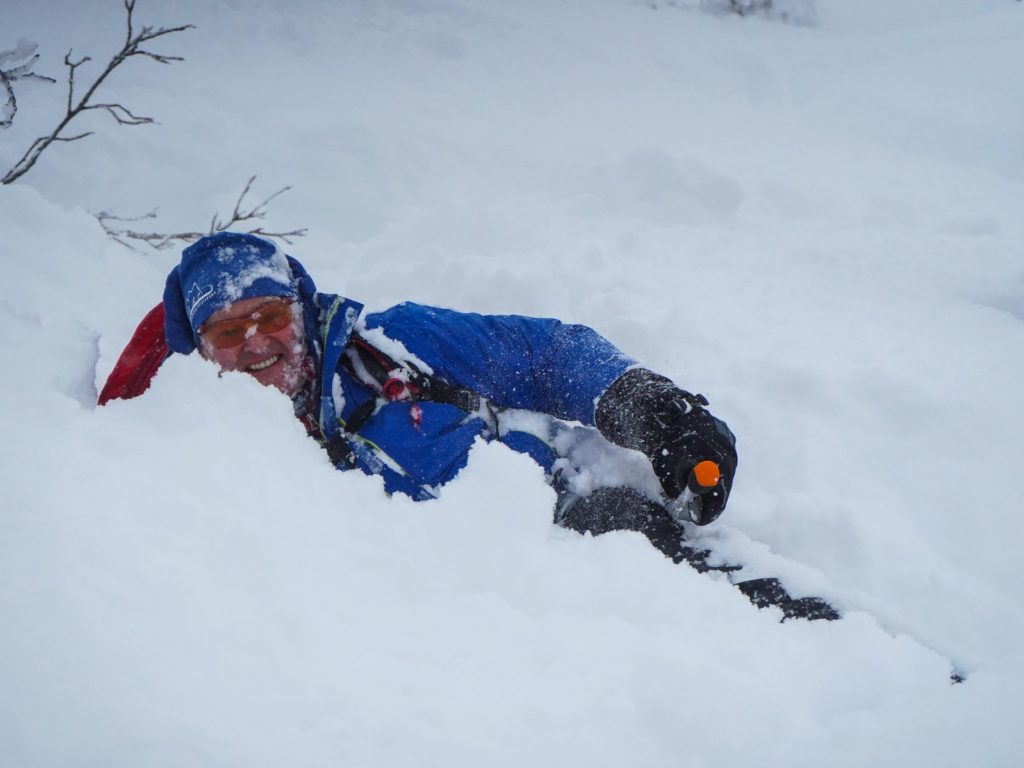
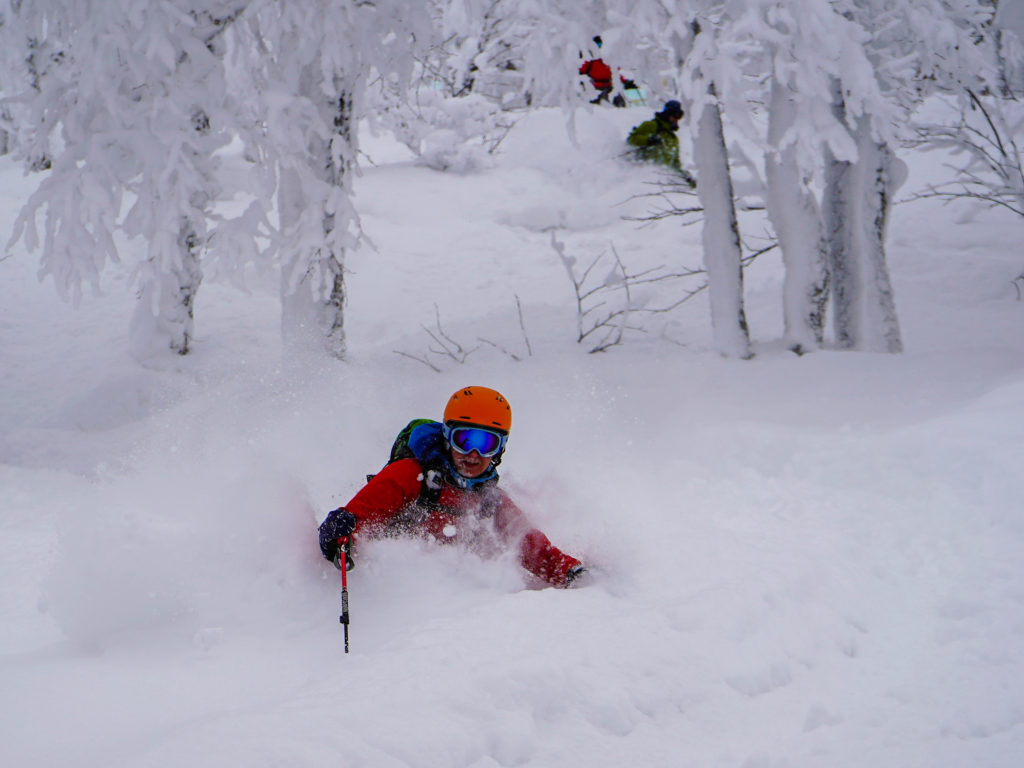
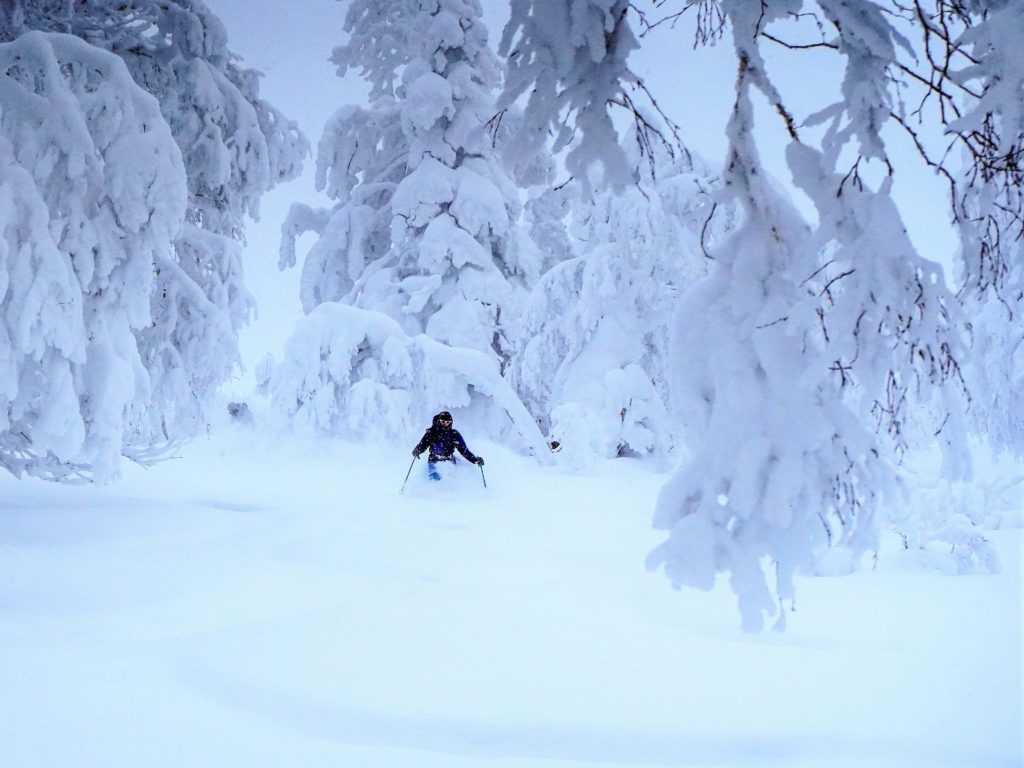
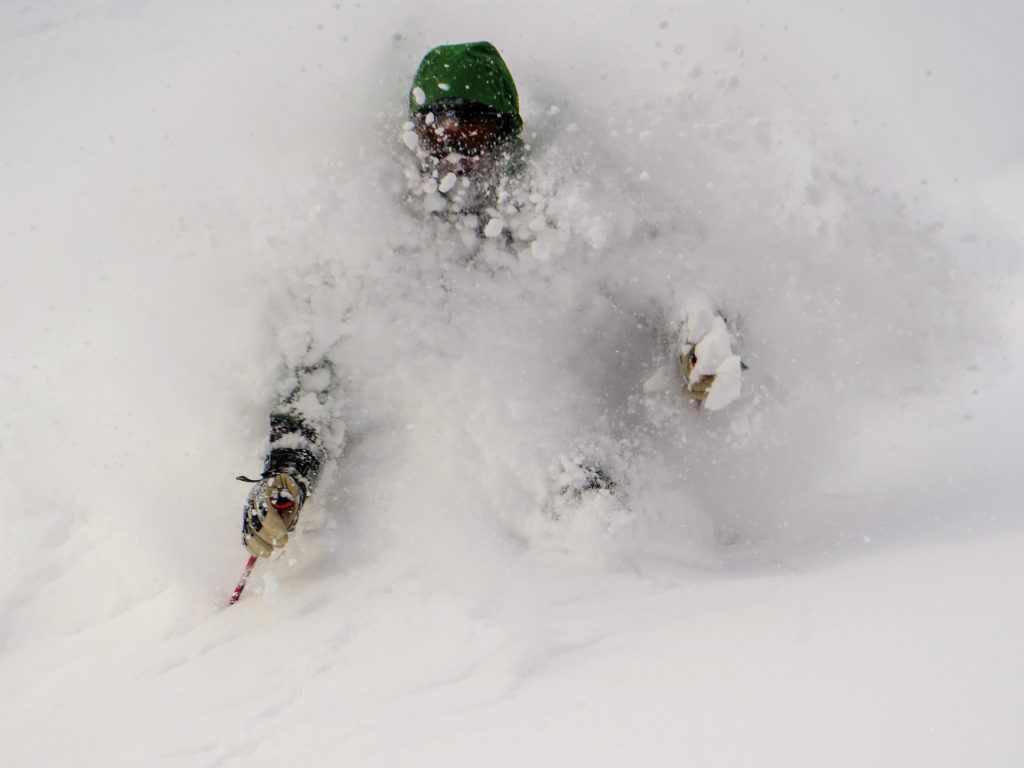
Due to the 15 metres (600 inches) of annual snowfall (!!!) each winter, suitors must be excellent powder skiers to get the most from a trip to Hokkaido. With that much snowfall, you might wonder if we will always be skiing in a whiteout, but the beauty is that there is tree skiing galore amongst perfectly spaced white birch trees (Shirakaba). The terrain is rarely steep and the resulting skiing is pure pleasure and enjoyment. When the sky is blue, we can head up one of the steaming volcanoes for views down to the ocean.
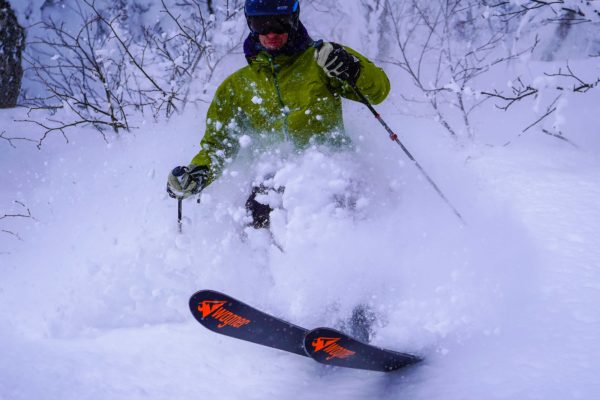
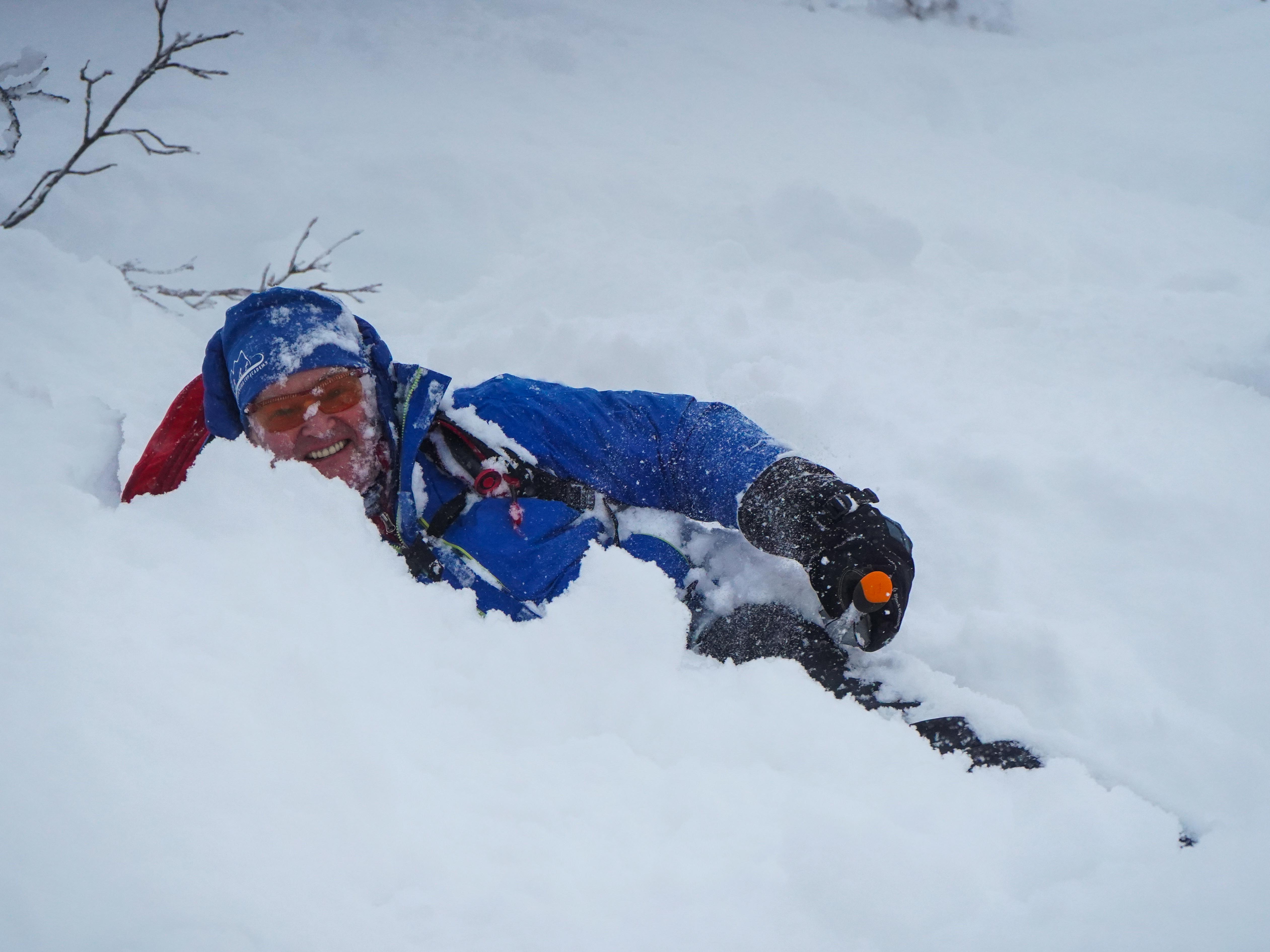
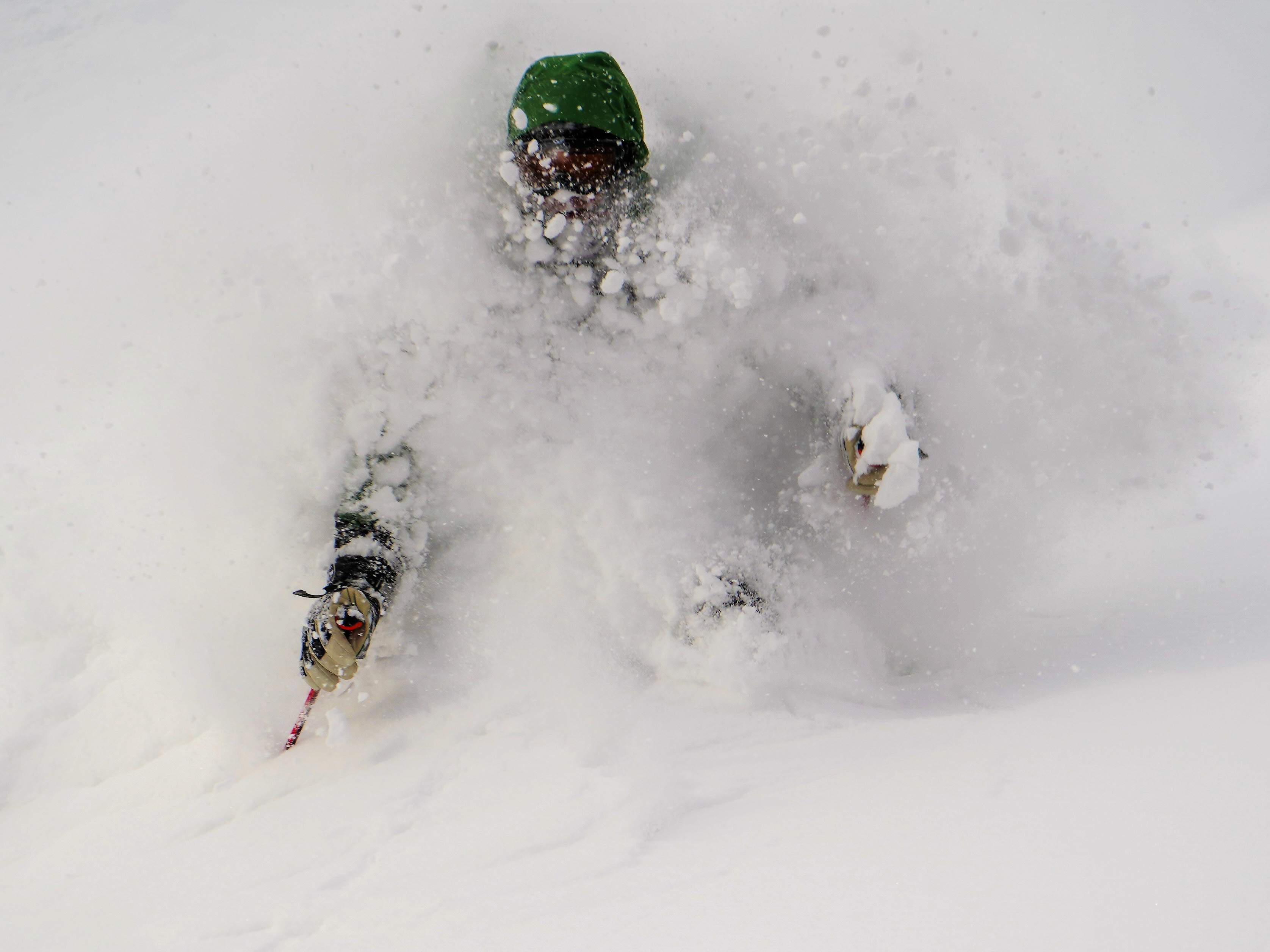
Each winter, directly over Hokkaido, moisture off the Sea of Japan collides with cold air from Siberia to create the world-renowned Ja-Pow – this is champagne powder like you’ve never experienced. Need more convincing? Watch this 5-minute film, Unicorn Sashimi by Felt Soul Media to see what it’s all about: vimeo.com
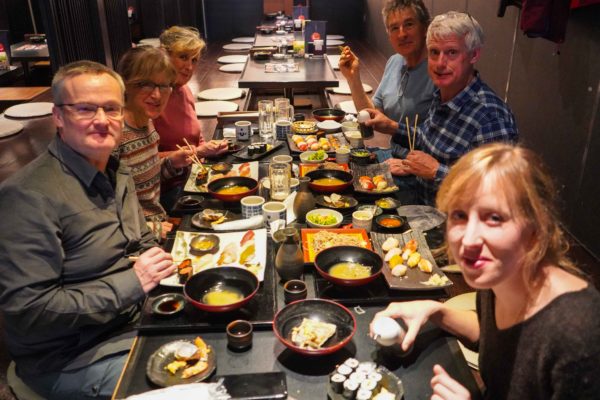
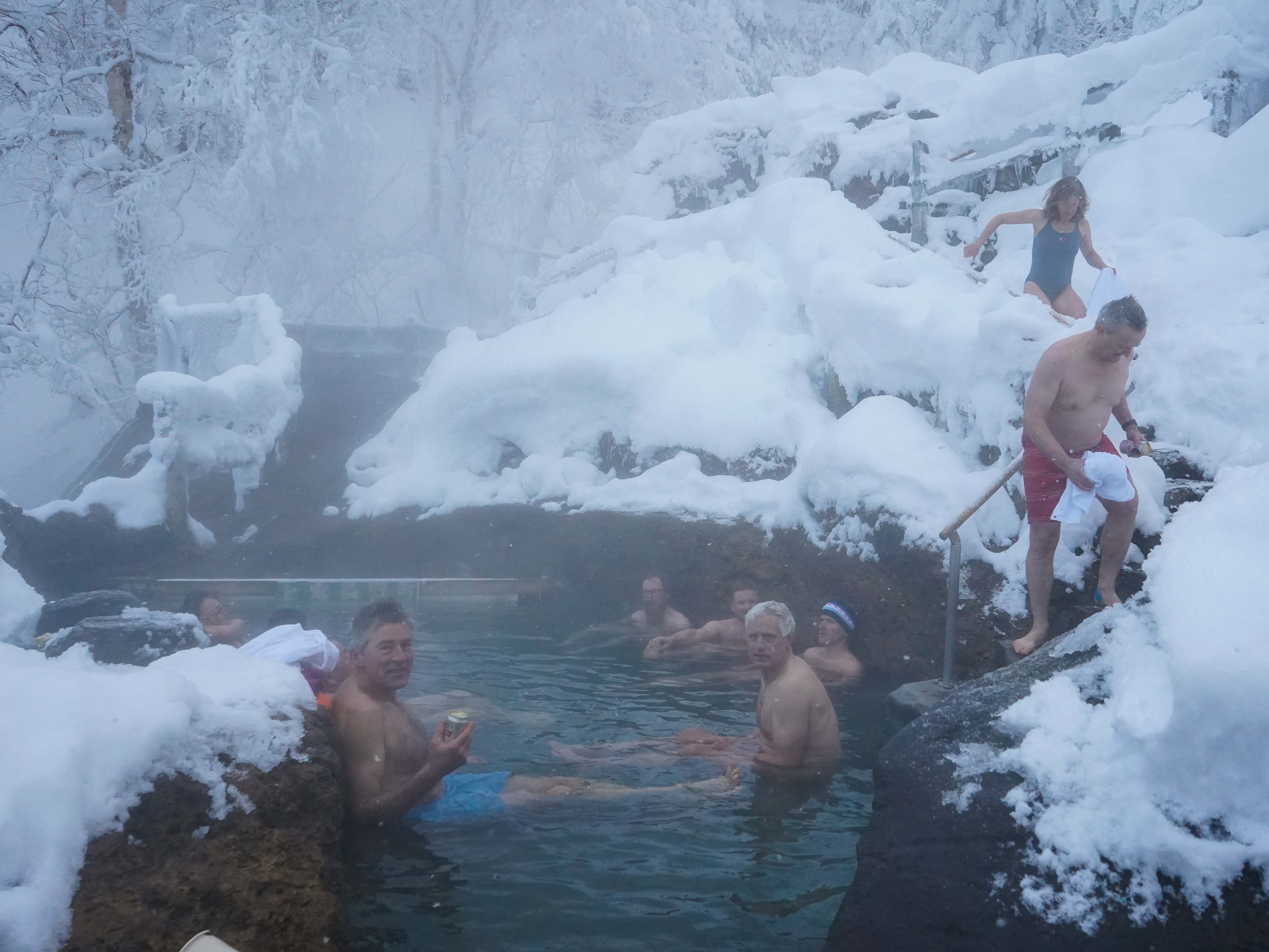
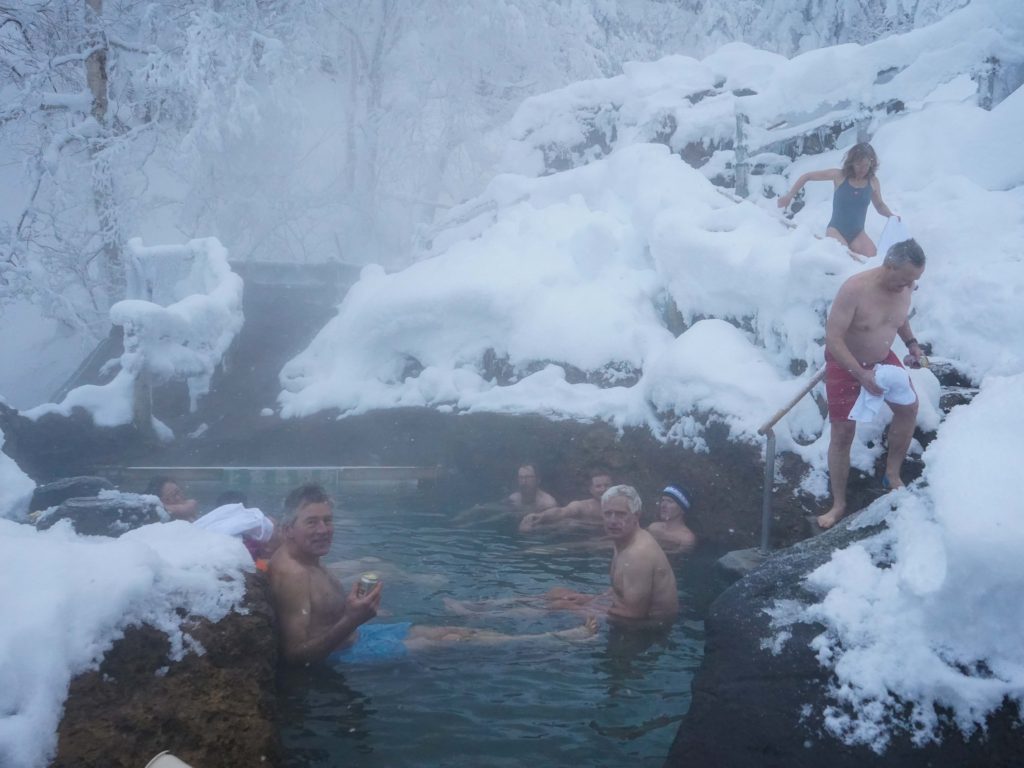
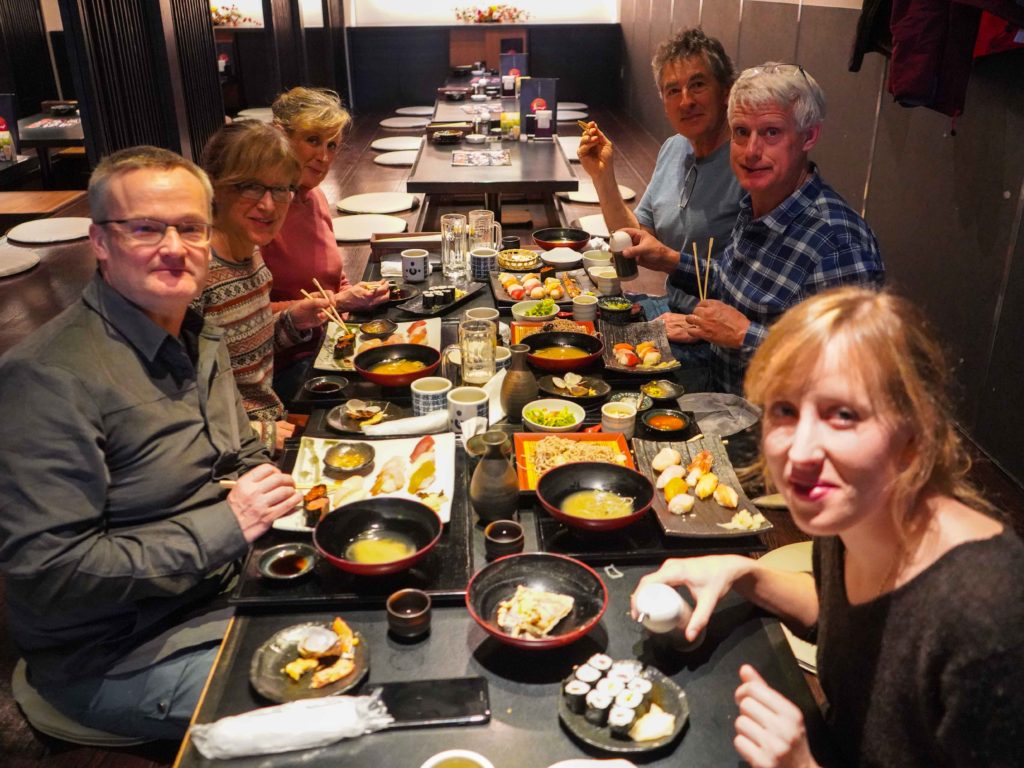
The ubiquitous mineral hot springs are a welcome reprieve and a must for soothing tired muscles at the end of the day. Add in friendly and interesting Japanese culture, comfortable accommodation, easy access to skiing, and outstanding food, and you have a backcountry ski vacation that you will want to repeat year after year.
2026 Pricing
$5800USD / person
HIGHLIGHTS
- 15 m / 50 ft average fluffy snowfall per year
- Up to 1,200 m- / 4,000 ft-vertical ski runs
- Perfectly spaced tree skiing galore!
- Summit a steaming volcano
- Relaxing natural hot springs
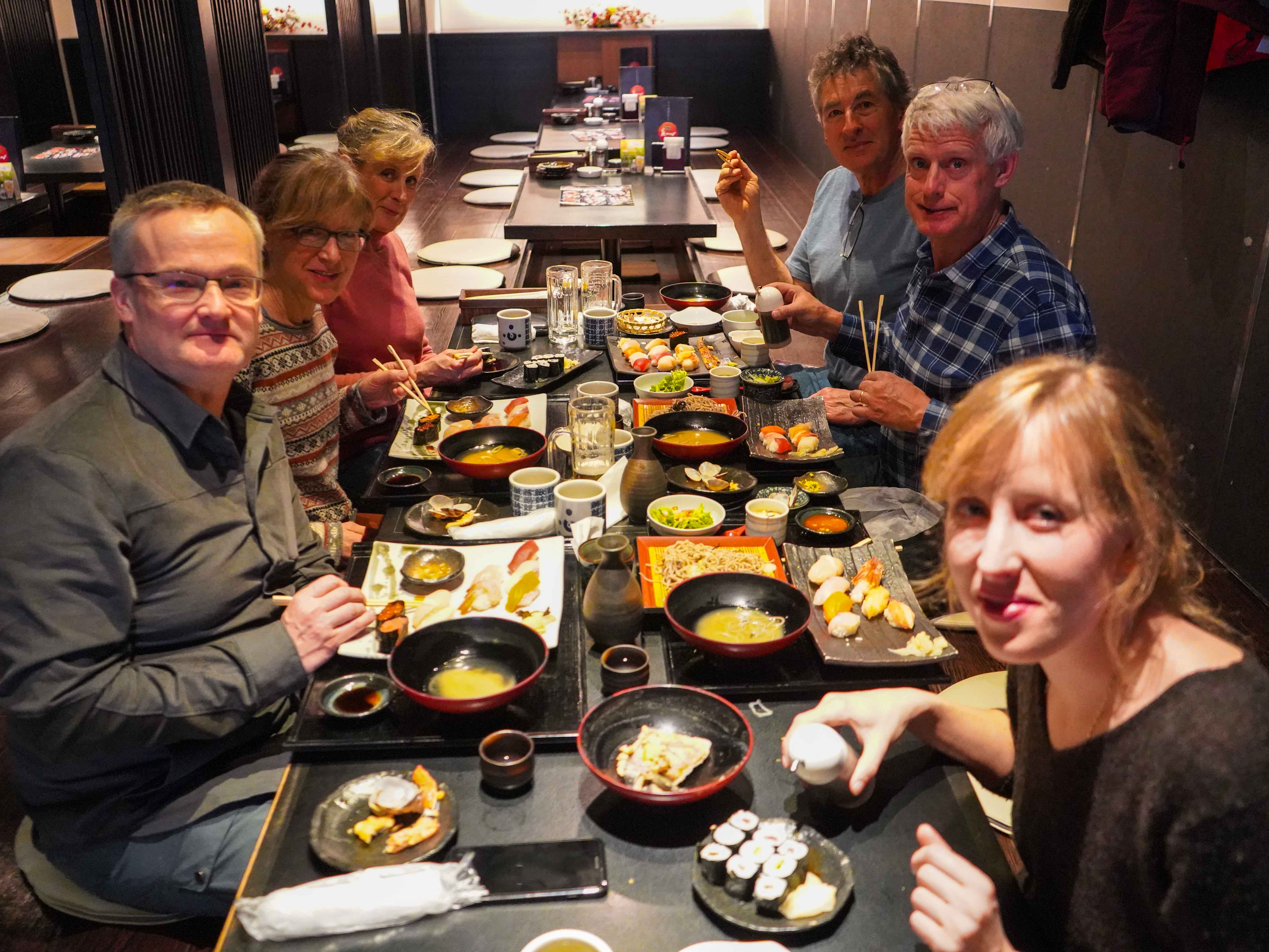
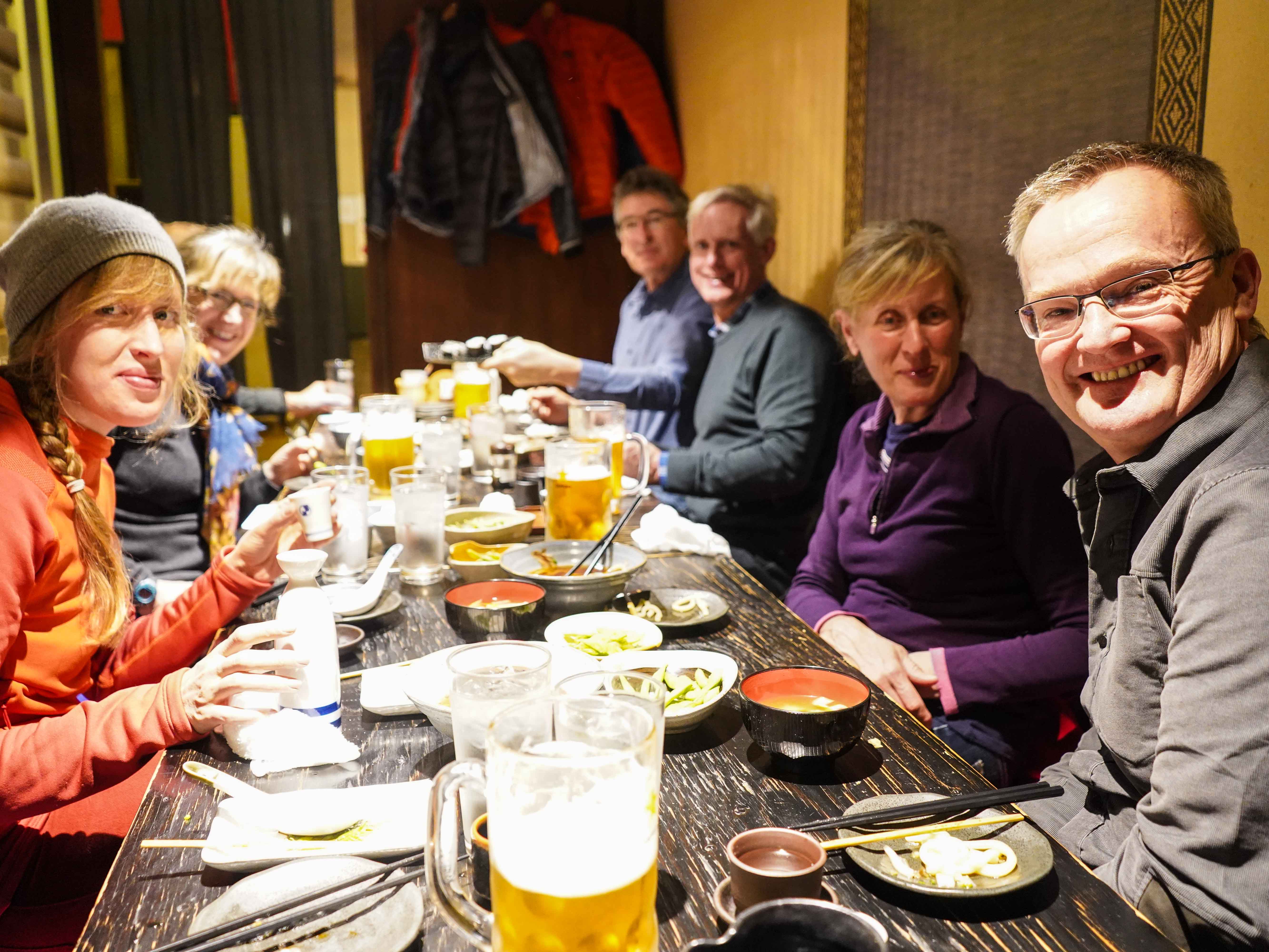
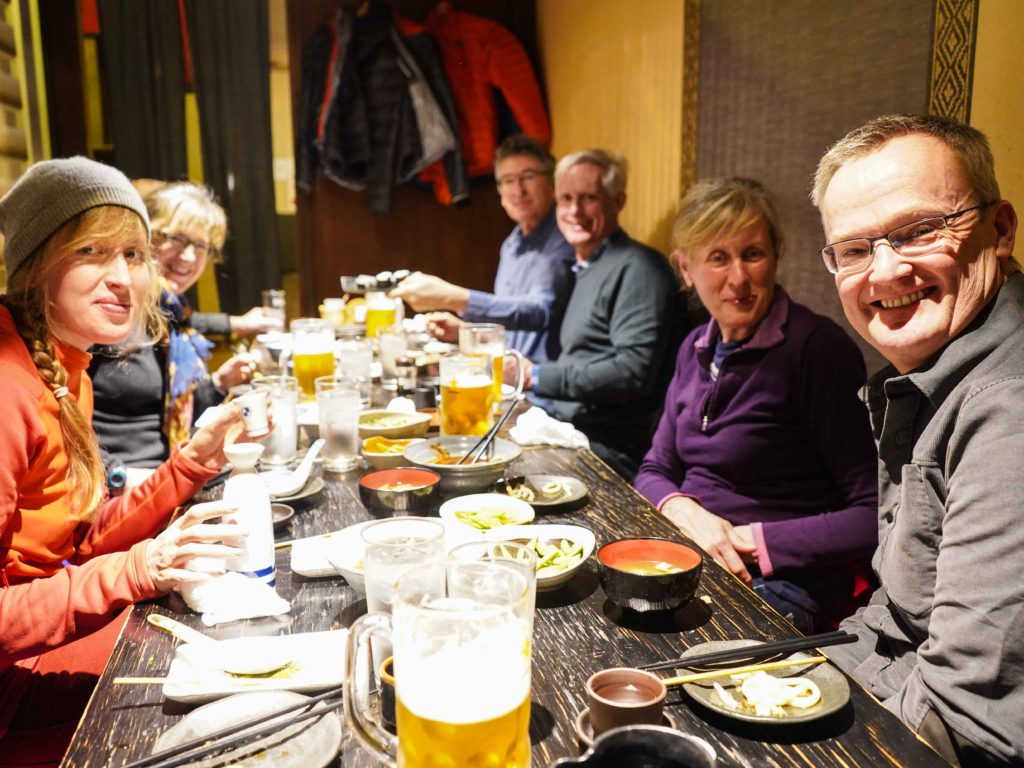
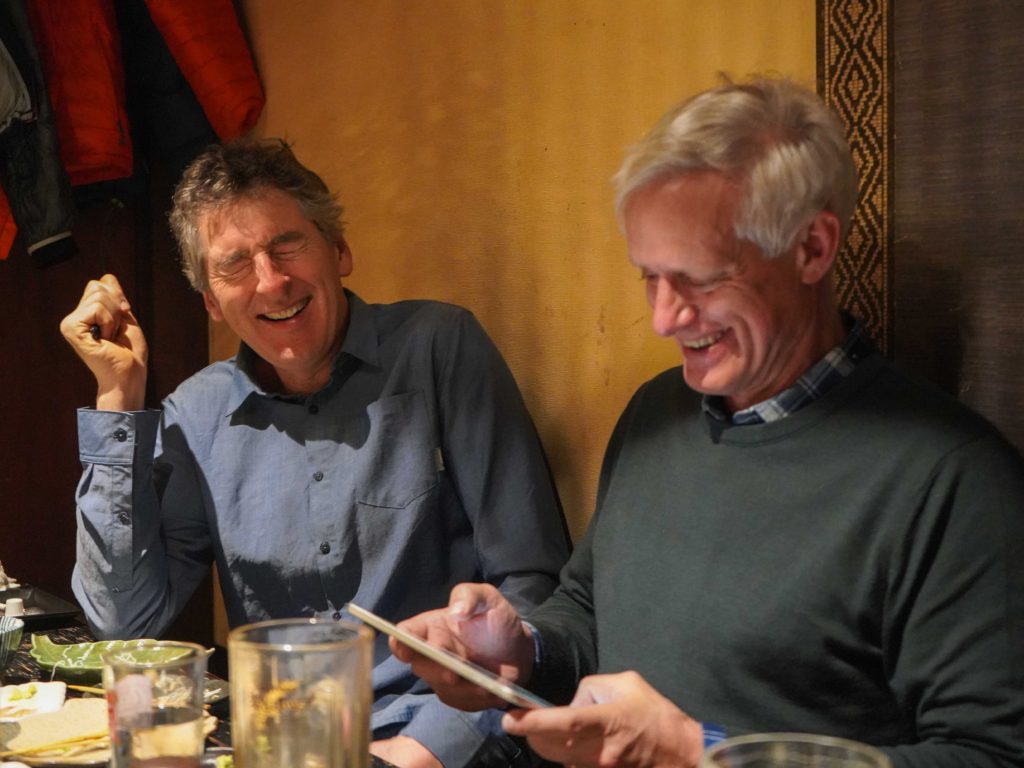
- Japanese culture and food
DIFFICULTY
- Intermediate terrain with deep powder
- Good fitness required
- Light daypacks
- Excellent tree skiing
Hokkaido Japan – Backcountry Powder Skiing Itinerary
Visiting three different regions, all within a 2 – 4 hour drive, will give us a great sample of the best backcountry skiing that Hokkaido has to offer. Our exact daily itinerary will be determined on a daily basis during the trip, depending on snow and avalanche conditions.
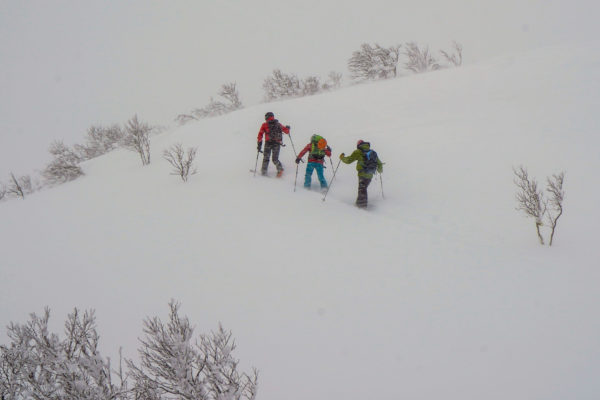
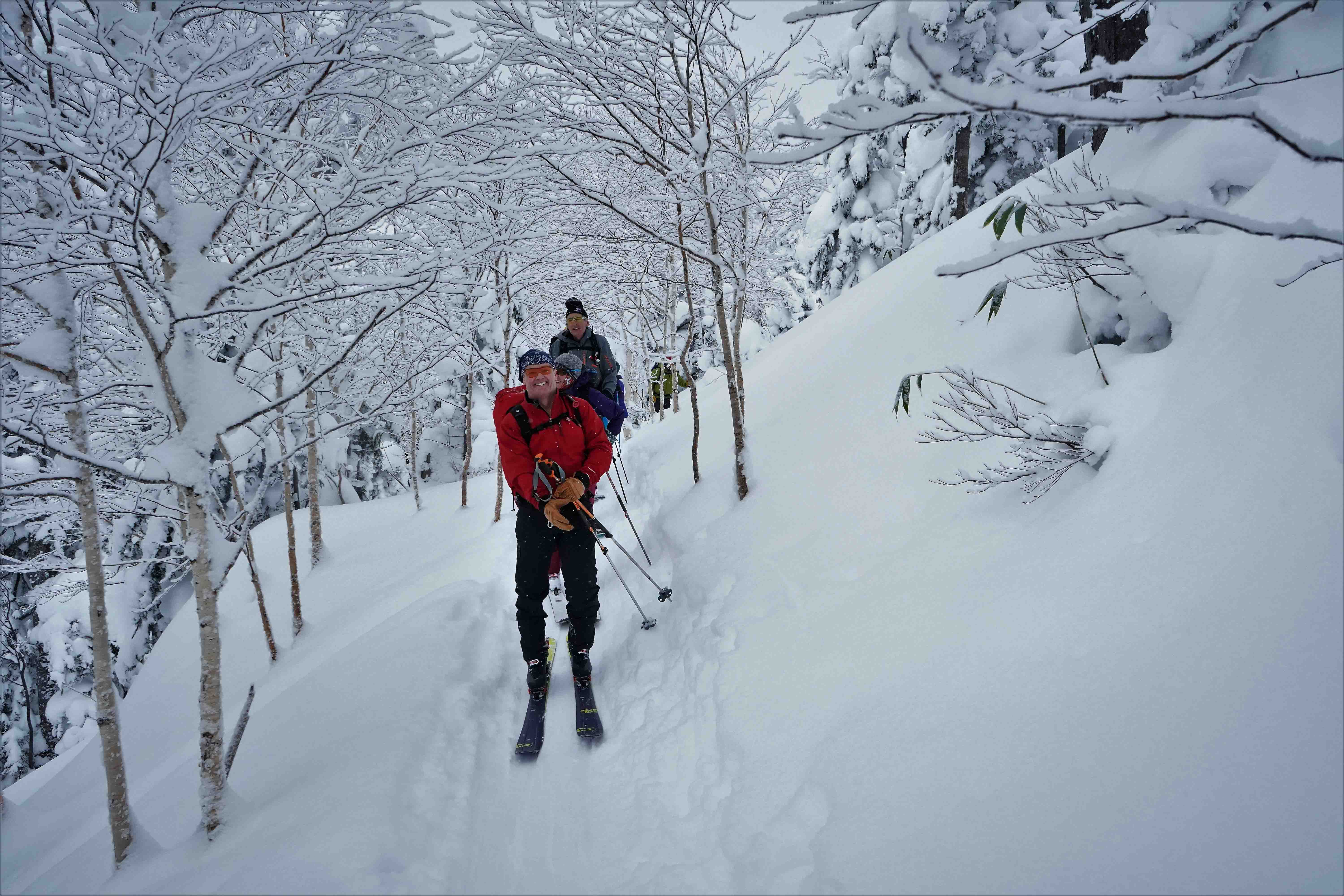
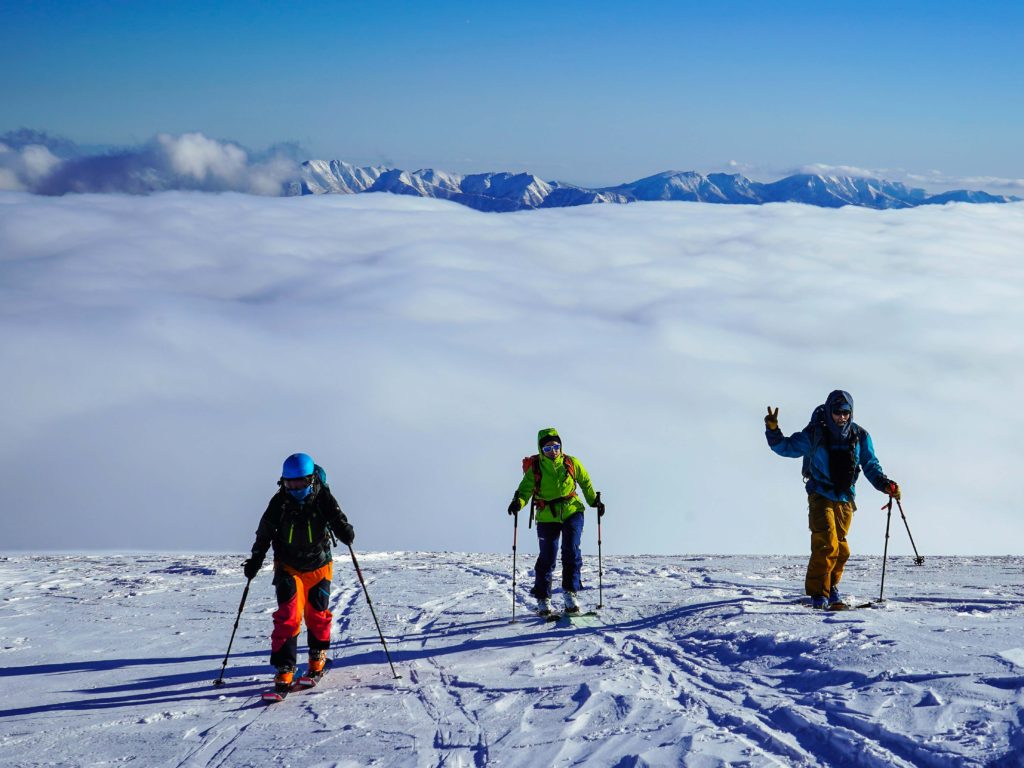
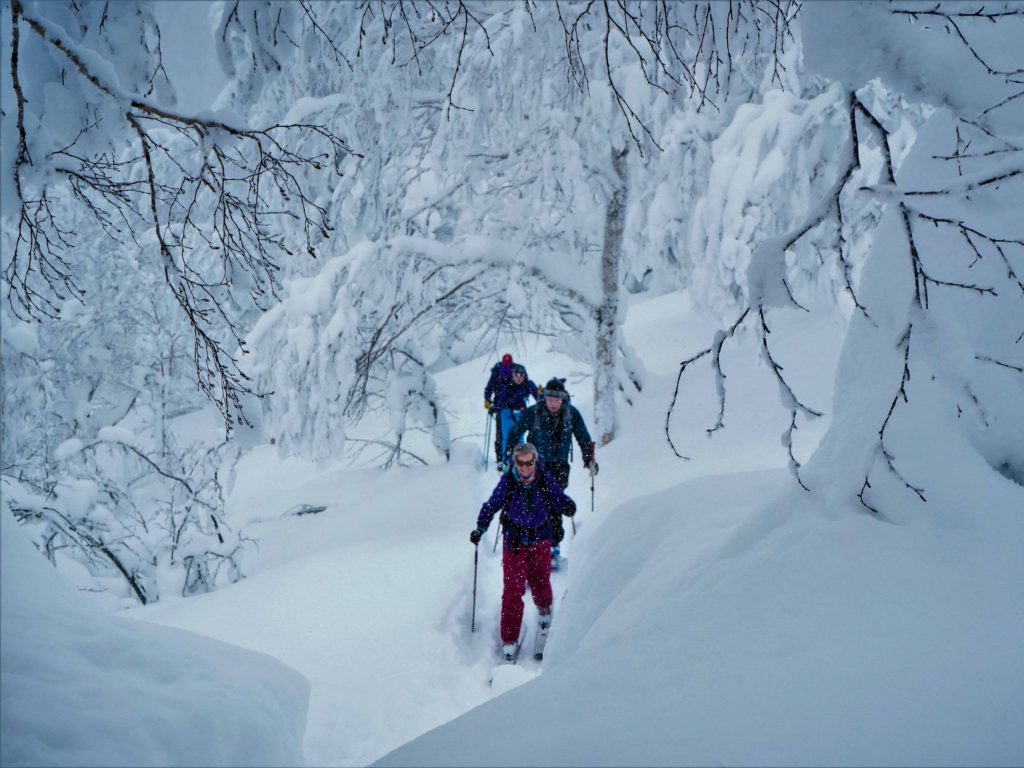
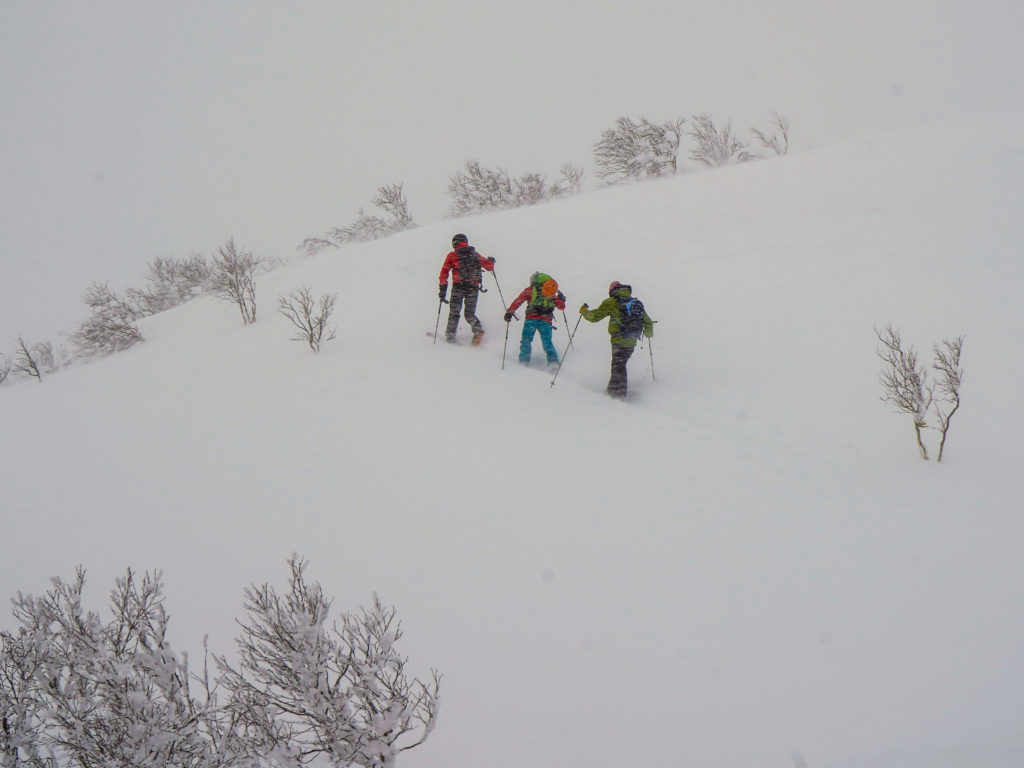
Your trip will begin and conclude at an airport hotel close to New Chitose Airport. We will spend 3 nights in Furano, 2 nights in Otaru, and 3 nights in Niseko / Rusutsu. From our hotel-base, your guide will drive you every day to the best venue. Either lift-access powder skiing (in times of abundant snowfall), entirely muscle-driven ski touring the classic way or often a combination of both, namely in the afternoon when lift-accessed skiing is getting tracked out.
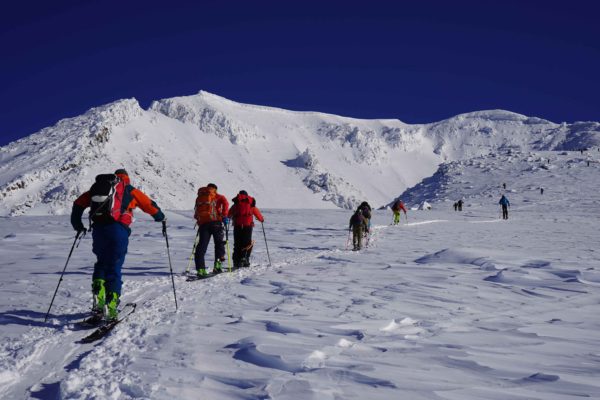
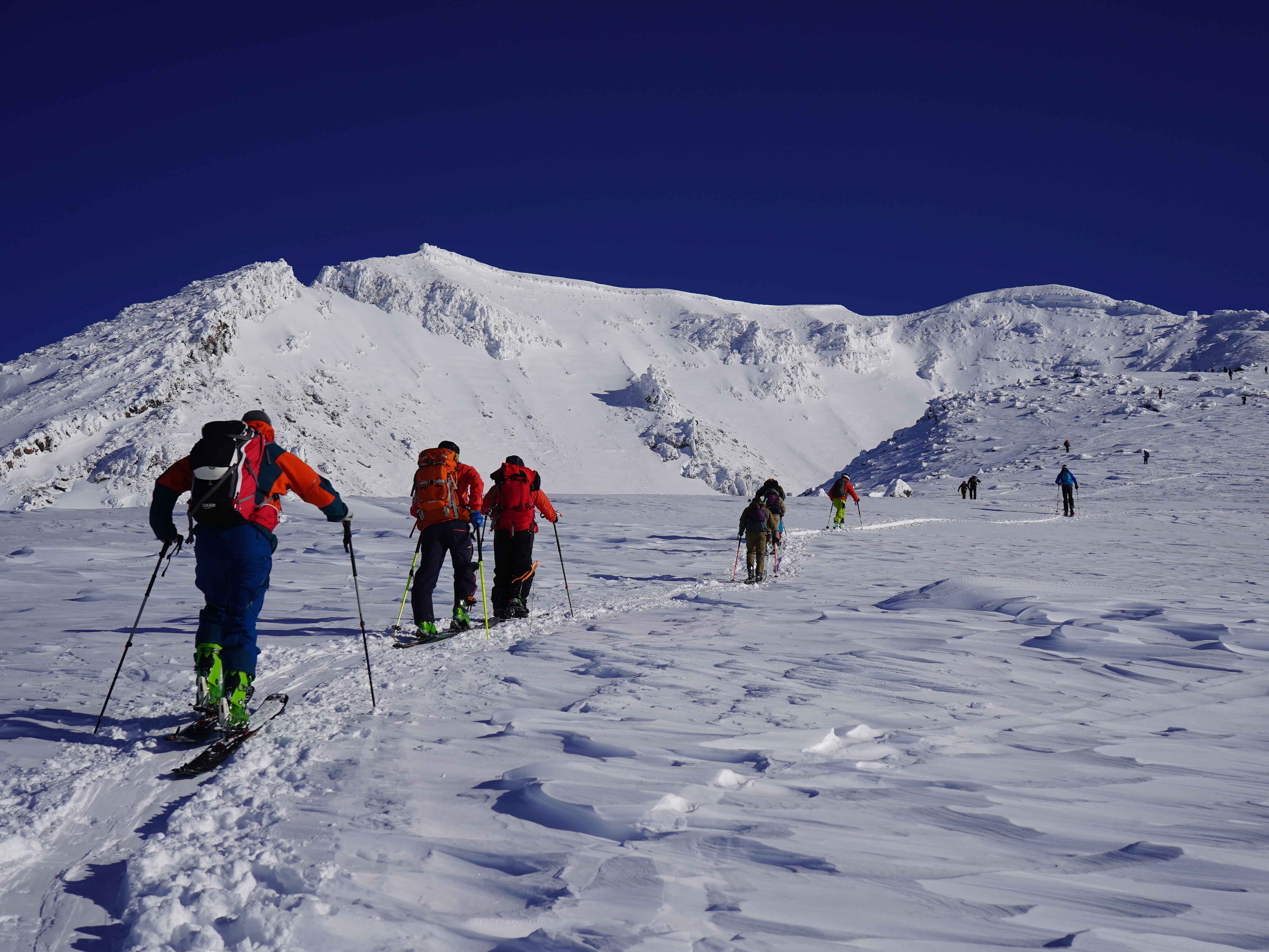
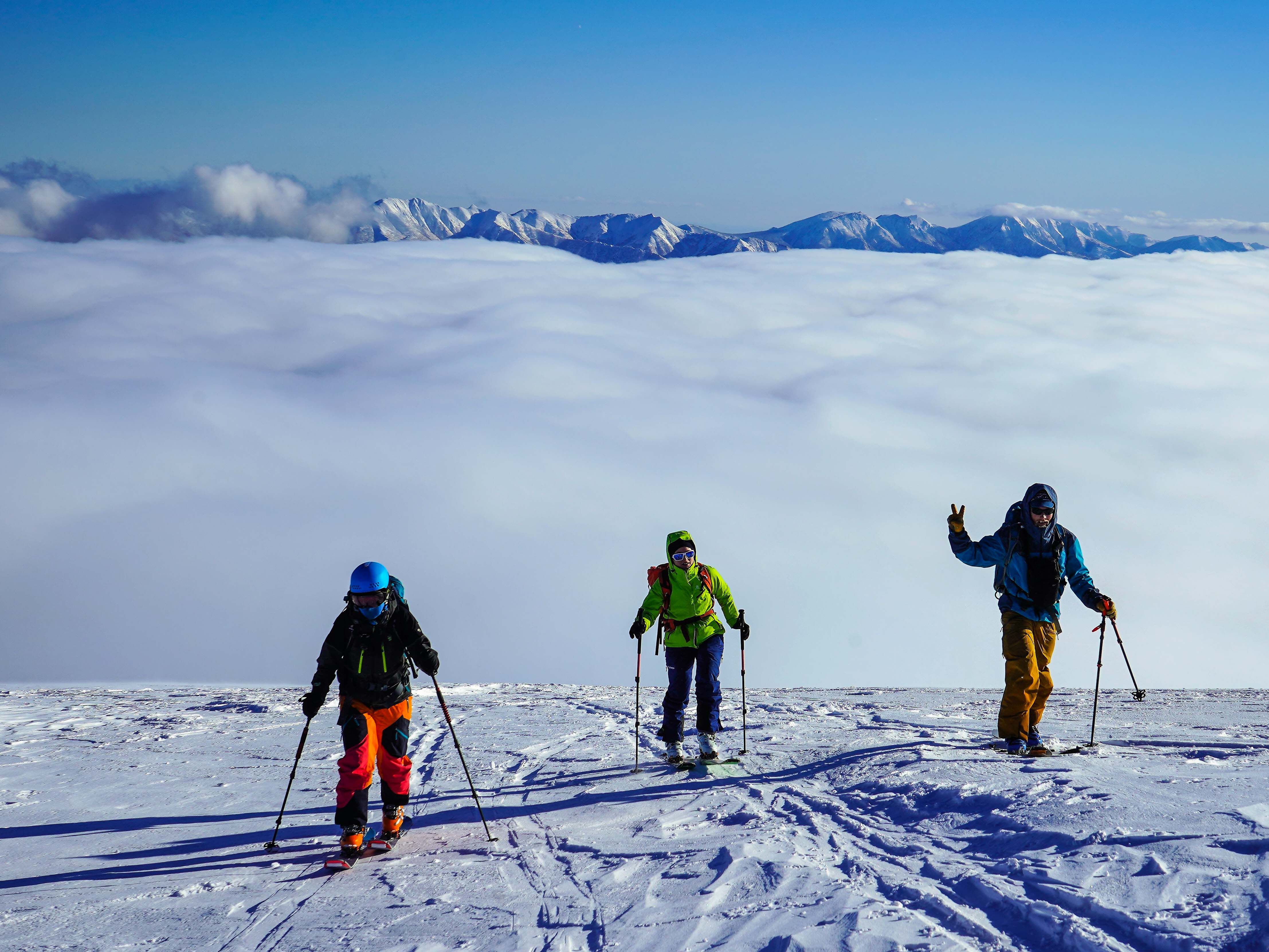
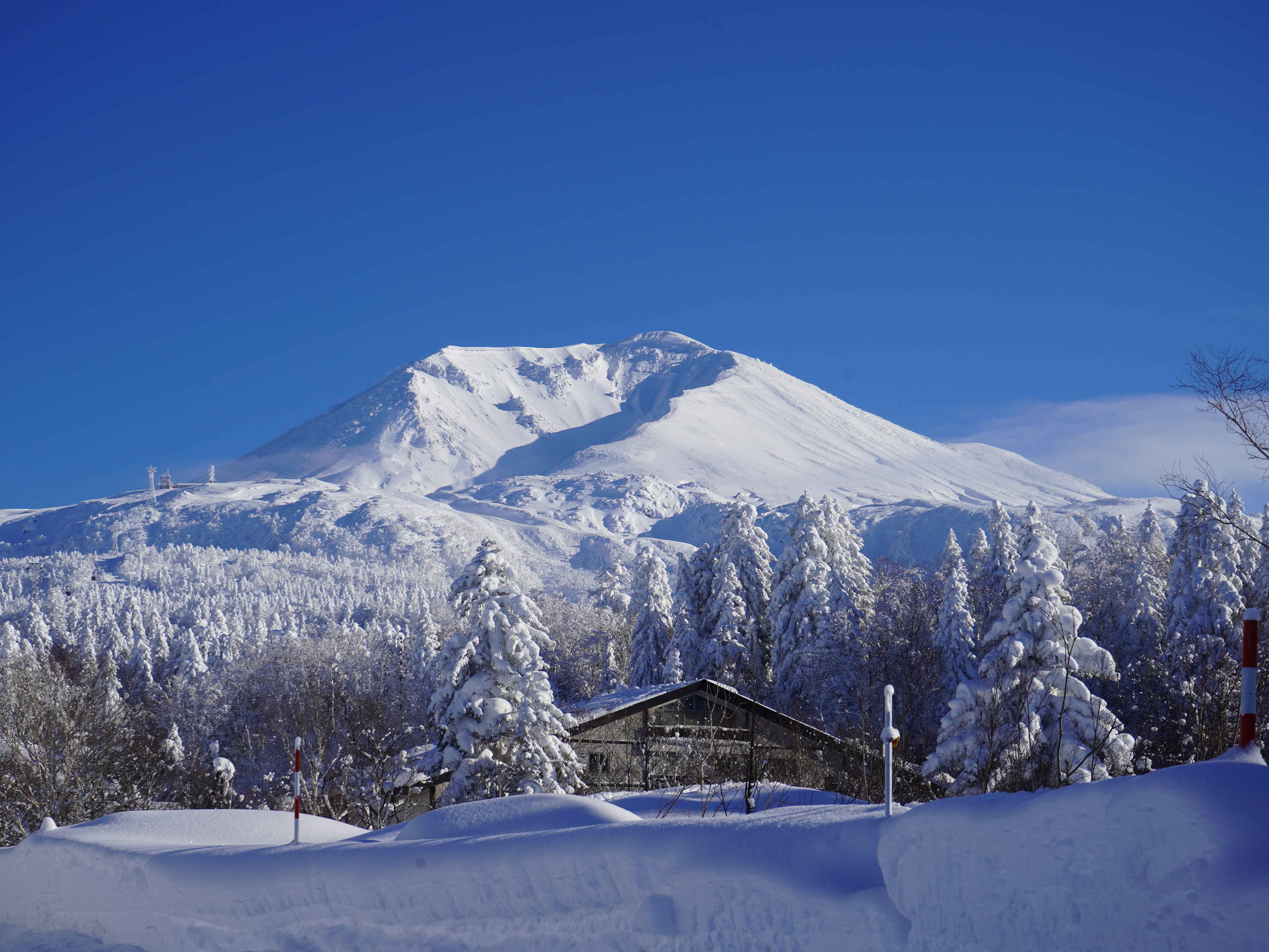
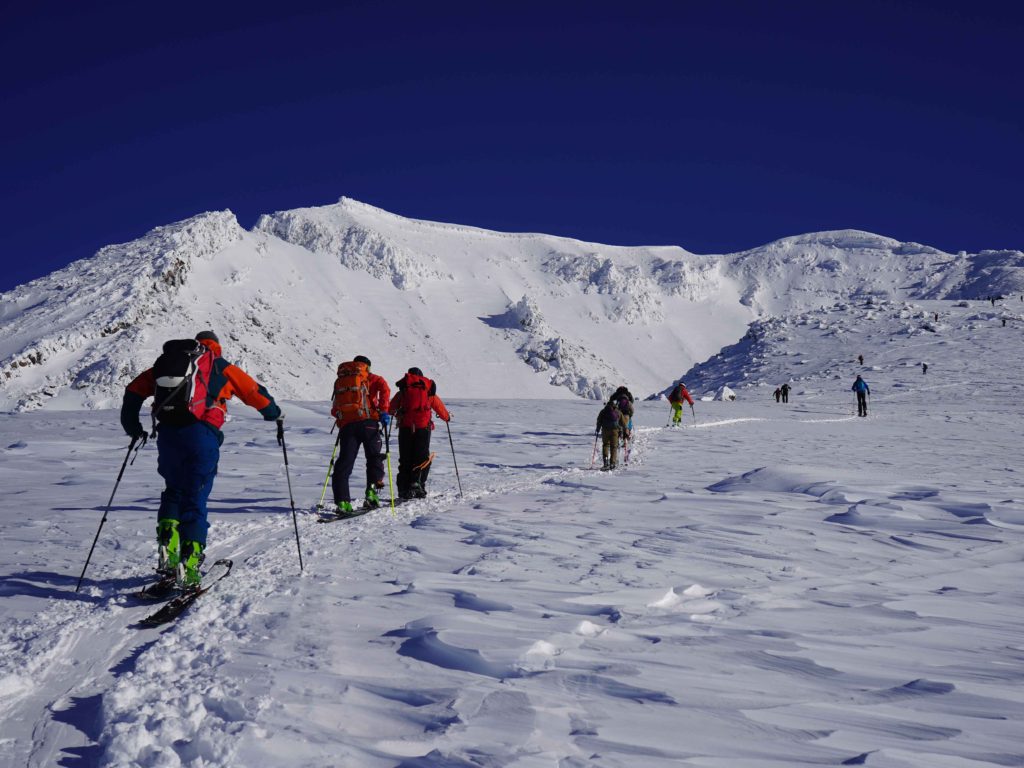
In good weather, we often ascend the highest peak of Hokkaido, Nt. Asahidake (2300m), which is a great ski mountaineering adventure.
We will spend the first 3 days / 3 nights ski touring out of Furano, also known as the “belly-button” of Hokkaido due to its location right in the centre of the island. Furano is famous in summer for its extensive and lovely lavender fields and in winter for its deep powder skiing.
We will then travel 2.5 hours with our van to the port city of Otaru for two days/ two nights. Otaru boasts fine glassworks, music boxes, sake distilleries, an interesting herring fishing history, and of course, fantastic skiing.
The last 3 days / 4 nights will be spent in the Niseko and Rusutsu area, 75 km south of Otaru and 100 km southwest of Sapporo. Mount Yotei, an active (but currently dormant) volcano, stands impressively with almost 1,900 metres of vertical relief above the surrounding lowlands. Ski areas around Niseko are the most famous in all of Japan, and the backcountry skiing is simply divine. You can choose to conclude your tour in Niseko or join the guide for one final night of lodging near Chitose, making it easy to catch a flight home or to your next destination.
Inclusions
Services included in the total price
- 9 days guiding by an internationally (UIAGM / IFMGA / ACMG) certified mountain guide or ski guide
- Guides’ expenses
- 10 nights double room lodging with breakfast
- Ground transportation including parking fees and road tolls
Not included in the total price
- Airfare
- Transfer costs to the airport and back
- Lift tickets
- Rental of avalanche safety equipment (OnTop can provide for USD $150)
- Lunches, daytime snacks, dinners, beverages (expect similar prices to USA / Canada)
- Single room surcharge for all lodging (when possible)
- Any additional cost due to changes in the itinerary, may they be caused by weather, mountain conditions or personal preferences
Good to know
Eating and drinking costs on Hokkaido are comparable to Canadian prices – on average, ¥400 (~$5) buys coffee or hot chocolate, ¥800 (~$10) a beer or sake and ¥1,250-¥2100 (~$15-$25) for meals. Tipping is not expected in Japan and it can even be viewed as being rude.
Transportation
Meeting point
We will meet at our hotel near New Chitose Airport on the island of Hokkaido the evening before our first ski tour. This night’s accommodation (including breakfast the following morning) is included in the trip cost.
Bad Weather Delays
Bad weather in Hokkaido, particularly during blizzards and heavy snow, can cause significant disruptions to all forms of transportation, including flights, trains, buses, and road travel. If you have flexibility with your schedule, plan to arrive a day early to accommodate for delays, should they happen.
Airports
The two closest airports to where we will be skiing are Asahikawa and New Chitose. Asahikawa airport is just 45 km north of our first destination, Furano, but 222 km from our final destination in Niseko. The New Chitose Aiport is 125 km southwest of Furano, but only 108 km from our final destination in Niseko.
Asahikawa
Asahikawa plans to have expanded international flight options starting in the winter of 2019/2020, but in the meantime, you can easily connect to it from Tokyo (Haneda Airport), Osaka (Kansai and Itami Airports), Nagoya, and Seoul. If you prefer to fly into Asahikawa, you can meet the group in Furano.
From there, you can:
Take a bus
Hokkaido Resort Liner runs only ONCE a day from the Asahikawa Airport to major Furano hotels, departing at 10:00.
The bus costs ¥4000 (~ $25 USD) one way. They recommend leaving at least 40 minutes for domestic flights and 90 minutes for international flights between your arrival time and bus departure time. Keep in mind that oversized/ ski luggage can take longer to pick up than regular suitcases. The trip takes 1-1.5 hours. Be sure to book the bus at least a couple of weeks in advance.
They also have one shuttle bus that departs from Asahikawa City (20 minutes drive from the airport) to Furano at 14:00 daily.The trip takes around 2 hours and costs around the same.
Take a taxi
Taxi service is available between the Asahikawa Airport and our hotel in Furano, but it is quite expensive (about $180 CAD). The trip takes about an hour. Local taxi companies: Ashikawa Goudou Taxi and Kobato Kotsu.
Reservation in advance is recommended.
Please ensure you have your destination written out in Japanese as most taxi drivers in Japan do not speak/read English.
Take a train
It is possible to get to Furano from the Asahikawa Airport by train, but it involves first taking a taxi in the wrong direction to the city of Asahikawa and is not recommended.
Rent a car and drive
Car rentals are easily available at the Asahikawa Airport and the drive to Furano is straightforward, however, you won’t have much need for a rental car when the trip begins as we will all be travelling together in a large van.
New Chitose International Airport
You can catch a flight to the New Chitose International Airport from Hong Kong, Tokyo (Haneda) or Tokyo (Narita). Most airport hotels offer free shuttle services to/from the airport.
If you prefer to arrive early and ski Furano before meeting the group, you can:
Take a shuttle bus – RECOMMENDED
Hokkaido Resort Liner runs buses several times a day from the New Chitose Airport to major Furano hotels and the Furano ski resort. The bus costs ¥6000 (~ $40 USD) one way. The first bus is at 10:00 and the last bus departs at 17:50. They recommend leaving at least 45 minutes for domestic flights and 90 minutes for international flights between your arrival time and bus departure time. Keep in mind that oversized/ ski luggage can take longer to pick up than regular suitcases.
The trip itself takes about three hours. Be sure to book the bus at least a couple of weeks in advance, further in advance if you are traveling peak season.
Take private transport
Private transfer service is available between the New Chitose Airport and our hotel in Furano with Sky Station. The trip takes about 2.5 hours.
Take a train
It is possible to get to Furano from the New Chitose Airport by train, but it involves at least two transfers and is not recommended, especially when travelling with ski gear and a suitcase. You can find out more about this option at jrhokkaido.co.jp.
Rent a car and drive
Car rentals are easily available at the New Chitose Airport, however, you won’t have much need for a rental car when the trip begins as we will all be travelling together in a large van. If you rent a car, be sure and ask for an English GPS or bring your own.
Gear List
Hokkaido Equipment List as Downloadable .PDF
Please download a PDF copy to use as a checklist when preparing for your trip.
Technical Equipment
Bring the following, or rent it (see ‘Trip Info Links’ at the bottom of the page):
- Alpine touring (or telemark*) skis and ski boots – minimum width 100 cm underfoot
- Collapsible, lightweight ski poles
- Climbing skins (stick-on), fitted to your skis
*Only bring telemark skis if you are an advanced telemark skier with backcountry powder experience.
If you do not have one or more of the following items, you can rent them from one of the listed retailers or from OnTop. Please book in advance.
- Digital, 3-antenna avalanche transceiver
- Lightweight snow shovel
- Avalanche probe (two to three meters long)
Bring the following:
- Daypack for ski touring (30-45 liters)
- General repair kit and Leatherman (can be shared between several people)
- Spare parts specific to your equipment
Clothing
Normal temperatures during winter months on the island of Hokkaido range from lows of -10°C to highs of 0°C. As always when doing winter sports, having several clothing layering options is important. We will experience a lot of snowfall – make sure your Gore-Tex is up to the task!
- Wind and waterproof shell jacket with hood (Gore-Tex or similar)
- Wind and waterproof over-pants (Gore-Tex or similar)
- Ski touring pants (eg. lined Schoeller fabric or similar)
- Thick fleece or wool pullover, or PrimaLoft jacket
- Medium weight fleece shirt
- Thin synthetic or wool underwear, top and bottoms
- Two or more pairs of gloves (lightweight and heavier weight)
- Scarf or neck gaiter (eg. Buff)
- Socks (synthetic or wool, thick outer and thin liners)
- Wool or fleece hat that covers your ears
- Gaiters that fit over your ski boot (unless pants seal tightly to your boots)
- Sun hat, preferably with a wide rim
- Bandana (optional)
Around town
- Clothing for wearing around town and in the hotel
- Light down jacket or vest (optional)
- Earplugs (optional)
- Slippers or Crocs
- Toiletries
- Bathing suit (although they are not always worn in the hot springs!)
- Games, books, etc. (optional)
- Phone/iPad/laptop and chargers
- Adaptor for Japanese electrical outlets (it is the same as the North American system but without a hole for the ground plug)
Other items
- Sunglasses with high UV protection
- Ski goggles with high UV protection
- Sunscreen and lip protection with high SPF
- One-litre water bottle with insulator. Water bladders not recommended
- Thermos (optional)
- Headlamp with spare battery
- Snacks (eg. candy bars, dried fruit, nuts, etc.)
- Personal first aid kit and other needs (eg. blister kit, prescription medicine, anti-inflammatory, contact lenses, prescription glasses, etc.)
- Pocket knife (optional)
- Health and travel insurance documents
- Ziploc bags to keep important items dry (recommended)
- Rain/snow cover specific to your pack (optional)
- Camera with spare batteries (optional)
- Compass, maps, GPS (optional)
- Ski wax / skin wax (optional)
- Hand sanitizer or sanitary hand wipes
FAQ
Do I need to sign a Release of Liability & Assumption of Risk Agreement (a.ka. liability waiver)?
Yes, you do. Mountaineering, skiing, climbing, hiking, via ferrata and all other wilderness and adventure travel activities are inherently risky with potential for injuries or even death.
It is very important to us that you are aware of those risks before you start the booking process, which includes filling out a booking form and paying a deposit.
With signing the liability waiver, you confirm that you understand the potential risks and hazards, and are willing to accept the risks, which includes giving up legal rights you may have.
This would also be the time to ask questions or address concerns before you book.
For your reference here is a link to our Liability Waiver. Our booking terms & cancellation policy with more details can be found here
Can I use a splitboard?
The terrain on Hokkaido is splitboard-friendly. We will not normally cross stretches of flat or up-and-down terrain. If you are asking this question, you are probably already aware that the uphill track made by skiers will be more difficult for you due to the fact that skis are narrower and you will necessarily have to make the trail a bit wider. A snowshoe/snowboard combination will not work on this trip.
Can I use telemark gear?
Only if you are an expert telemark skier with deep powder experience!
Can I bring or rent an avalanche airbag?
Yes… and no. Electric fan airbag packs are the easiest way to fly. If you plan to bring you own airbag, flying with a compressed air cylinder is not easy. TSA and IATA regulations are strict when it comes to travelling with compressed air cylinders. Even if you are able to board your flight/clear immigration with an empty cylinder, Japan uses a unique cylinder type, so you can’t get your standard North American/European cylinder filled upon arrival. Ultimately you want to travel with an electronic airbag like the Black Diamond Jetforce, BCA Float E2, or Ortovox Litric.
Avalanche airbags that operate without a compressed air cylinder use a battery-powered electric fan to inflate the airbag with ambient air. This system eliminates the need for physical cartridges and their inherent issues with refilling and travel hassles.
When traveling internationally it is important to be flexible. Not all US flying regulations are true elsewhere and will not apply for participations from other countried. ALWAYS verify by calling the international airline you plan on flying and request more detailed information, regardless of whether you are traveling with an air cylinder or electric fan airbag.
Japanese Onsens – Hokkaido is Famous for Them
For visitors new to Japan, Onsen is the word for ‘natural hot springs’ and hokkaido is Japan’s paradise for the most, and best, Onsen. Onsen are different to North American hot springs as there are a lot of rules before one can enter. Best to read up on etiquette before you go. Visitors with tattoos may be prohibited or asked to cover with bandages. Some onsen do not allow bathing suits and separate genders. Onsen use is not mandatory on the trip.
Learn about Onsen Etiquette here. Each onsen has their own set of rules but this will give you an idea of what to expect.
Weather
Winter weather in Hokkaido, Japan is primarily influenced by moist air from the Sea of Japan colliding with cold air from Siberia. The resulting abundant precipitation, combined with low humidity and moderate winter temperatures, comes down in the form of extremely light, fluffy powder snow. During a typical ski touring trip in Hokkaido, you should be prepared for heavy snowfall and temperatures that normally range from 0°C (32°F) to -10°C (13°F). Some useful links:
Japanese Electrical Outlets
The voltage in Japan is 100 Volt, which is different from North America (120V), Central Europe (230V) and most other regions of the world. Learn more about Japanese plugs here.
Weather and Climate
Winter weather in Hokkaido, Japan is primarily influenced by moist air from the Sea of Japan colliding with cold air from Siberia. The resulting abundant precipitation, combined with low humidity and moderate winter temperatures, comes down in the form of extremely light, fluffy powder snow. During a typical ski touring trip on Hokkaido, you should be prepared for heavy snowfall and temperatures that normally range from 0°C (32°F) to -10°C (13°F).
See below for links to weather and avalanche forecasts on Hokkaido.
Can I Do It?
Skiing on Hokkaido will be nothing but a joy if you are adept at powder skiing. Runs can be up to 1,200 m vertical gain, with additional laps for the energetic.
The terrain is rarely steep, but it is often in spaced trees. You need to be at least an intermediate skier who can safely descend in deep powder snow conditions with a day touring backpack.
You need to be in good physical and mental condition, ready to be on your feet for about 6-8 hours each day.
If in doubt, give us a call!
2025/26 PRICES
US $5800 per person
2026 SCHEDULED DEPARTURES
Please inquire.
CUSTOM TRIP DEPARTURES
Custom trips at any time from early December to March!
For details please contact us.
GROUP TRIP SIZE
5-8 Clients: 1 Guide
TRIP INCLUSIONS
- 9 days guiding by an internationally (UIAGM/IFMGA) certified mountain guides or ski guides, including all guides’ expenses
- 10 nights double room lodging with breakfast
- Ground transportation including parking fees and road tolls
SERVICES NOT INCLUDED
- Airfares
- Rental of avalanche safety equipment
- Dinners, lunches, snacks, drinks (expect similar prices to Canada / USA)
- Single room surcharge if requested